


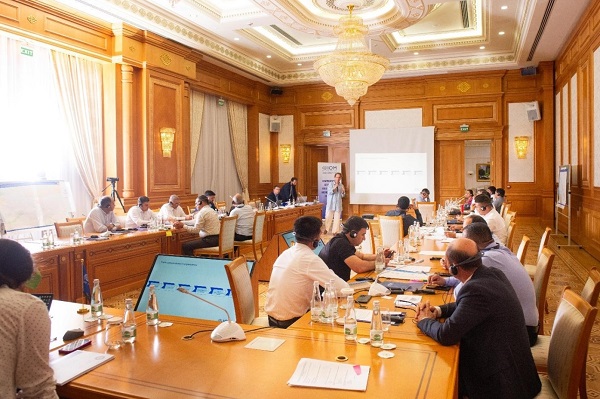
Representatives of national institutions of Turkmenistan responsible for managing temporary accommodation sites, coordinating humanitarian assistance and working with data enhanced their knowledge and skills in early preparedness and response to mobility dimension of emergencies and crises, including the application of data on population movement for planning, coordination and decision-making, during a three-day training and practical tabletop simulation exercise conducted with the support of international experts of the International Organization for Migration (IOM).
During the theoretical part of the training, participants reviewed IOM approaches to humanitarian response, post-crisis recovery, population flow monitoring and use of data for operational planning and inter-agency coordination, as well as issues related to setting up data collection points, information management processes, report preparation and data visualization. Particular attention was paid to the Mobility Tracking Matrix as a tool for the systematic collection, analysis and dissemination of information on population movement to support decision-making, activity planning and resource allocation.
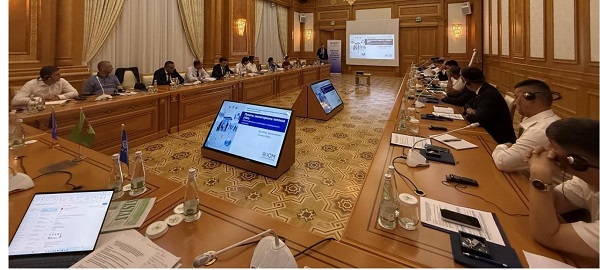
The practical part of the training included group work and exercises on population movement monitoring in different operational settings. Participants identified data collection points, developed monitoring tools, agreed on expected information products — including reports, dashboards, datasets and situation updates — and assigned roles and responsibilities in the process of data collection, verification, analysis and transmission of data.
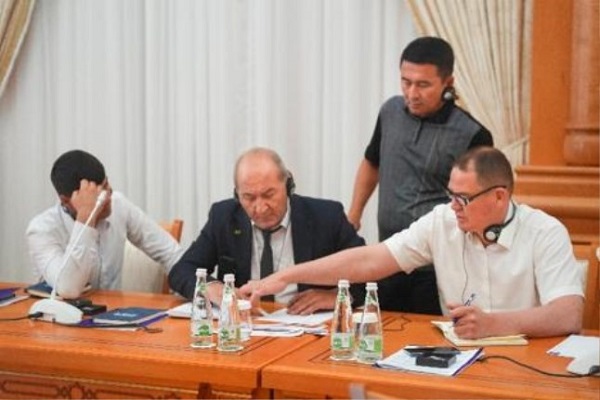
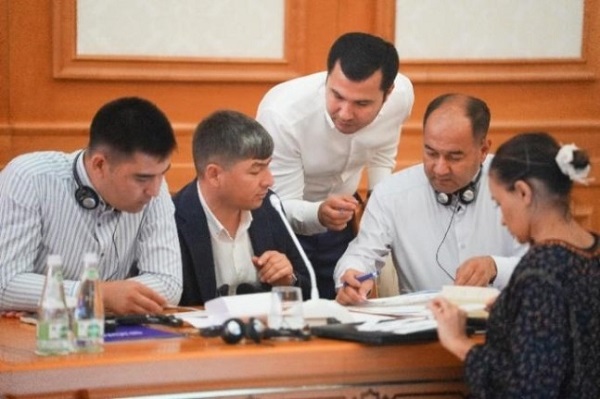
A tabletop simulation exercise was the key component of training. It was based on an emergency scenario involving an earthquake in a neighboring country and subsequent population movement. Participants worked through the full response cycle: activating population movement monitoring, defining data collection objectives, organizing operational processes, estimating the number of people on the move, identifying areas of departure and intended destinations, and collecting demographic data disaggregated by age and gender.
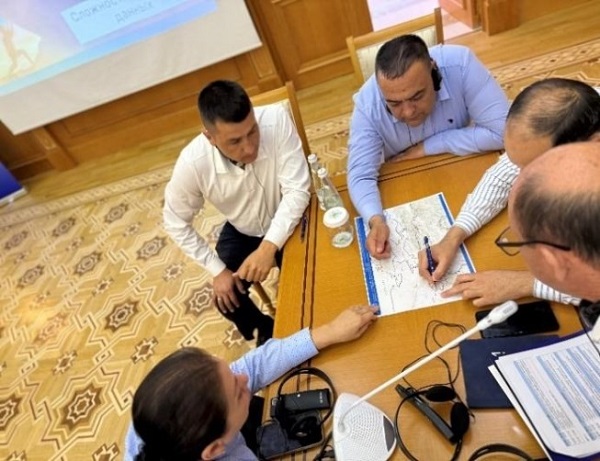
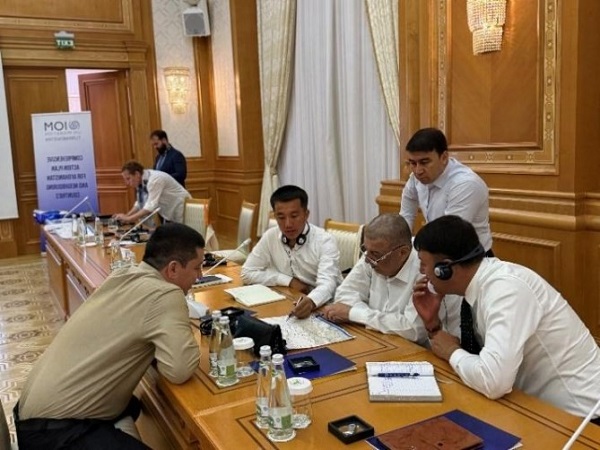
Within the scenario, participants also identified the priority needs of people on the move, including shelter, food, access to health care, water and protection, and practiced preparing timely and reliable information to support humanitarian response and coordination among the structures involved.
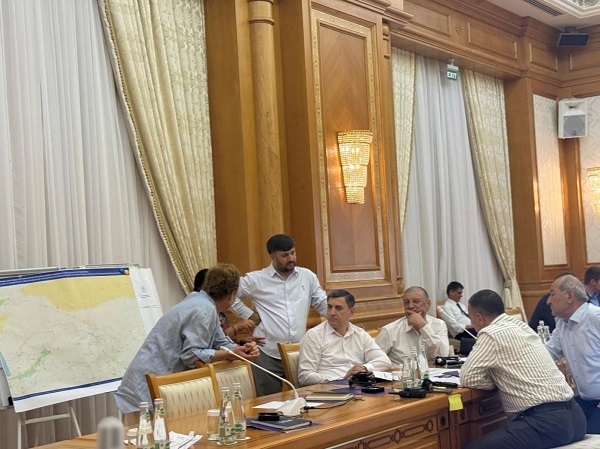
The practical scenario exercise enabled participants to consolidate their data-related skills and better understand the importance of timely and coordinated use of data for decision-making in the situation of crisis and cross-border population movement.
At the end of the training, participants discussed lessons learned and operational implications. The event concluded with a summary of results, a review of achievements and the awarding of certificates to participants.
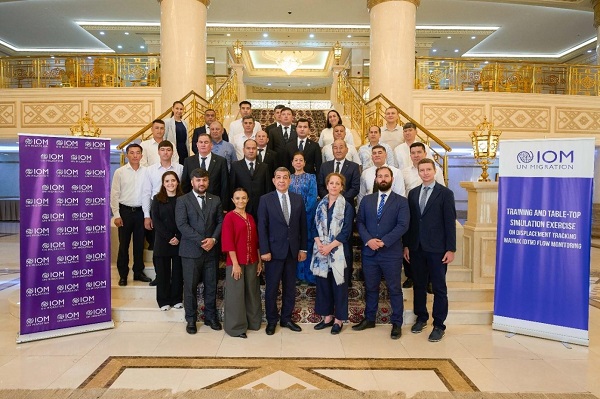
The event was held under the framework of IOM’s regional project, “Comprehensive Action Plan for Afghanistan and Neighbouring Countries”, which aims to support strengthening of the socio-economic resilience of Afghan and local communities, as well as national capacities in early preparedness and emergency response. /// nCa, 19 June 2026 (in cooperation with IOM Turkmenistan)