


Turkmenistan joined the latest round of preparations for what is expected to become a milestone event in relations between Central Asia and the Republic of Korea, as Deputy Foreign Minister A. Gurbanov participated in the second meeting of senior officials preparing for the inaugural Central Asia–Republic of Korea Summit.
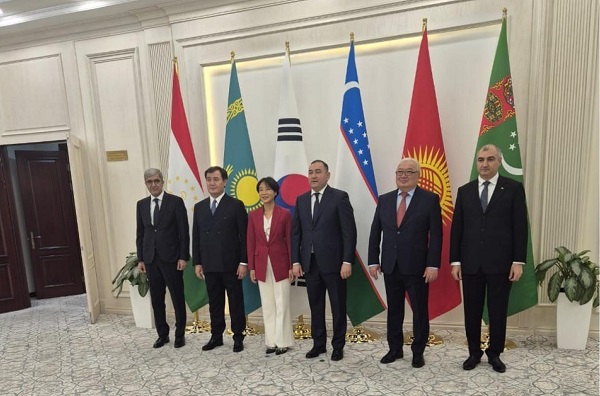
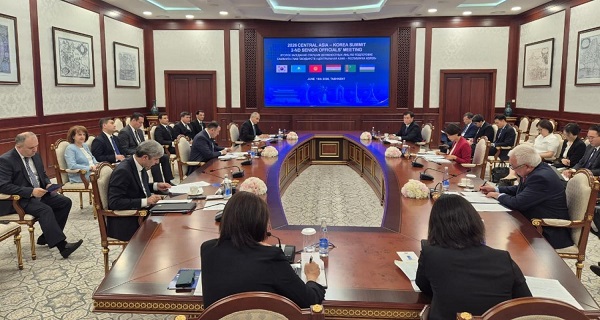
The meeting took place on 16 June in Tashkent and brought together deputy foreign ministers and senior representatives from Kazakhstan, Kyrgyzstan, Tajikistan, Turkmenistan, Uzbekistan and the Republic of Korea. According to the Turkmen Foreign Ministry, the participants reviewed preparations for the forthcoming summit, discussed draft outcome documents, and exchanged views on strengthening multifaceted cooperation between the Central Asian states and South Korea.
The Tashkent gathering follows the first Senior Officials’ Meeting held in Seoul in April, where the six countries formally launched consultations on the agenda and expected outcomes of the summit. During that meeting, the Korean side presented its vision for the first-ever summit-level engagement between South Korea and the five Central Asian republics.
A New Stage in Korea–Central Asia Relations
The forthcoming summit is scheduled to take place in the Republic of Korea on 16–17 September 2026 and will be the first meeting of heads of state under the Central Asia–Republic of Korea format. Seoul has described the event as a major step in elevating its relations with Central Asia from sectoral cooperation to a broader strategic partnership.
Preparations for the summit have been underway since early 2026. The Korean government established a dedicated preparatory office and an inter-agency organizing structure to coordinate the event, underscoring the importance Seoul attaches to the initiative.
Korean Foreign Minister Cho Hyun has described the summit as an opportunity to broaden Korea’s diplomatic engagement across Eurasia and deepen cooperation with the Central Asian region.
At the first Senior Officials’ Meeting in Seoul, Korean Deputy Foreign Minister Chung Eui-hae outlined a summit vision centered on partnership, peace, prosperity and people-to-people exchanges, while Central Asian participants expressed hope that the process would lead to a more strategic and comprehensive relationship with Korea.
Expanding Areas of Cooperation
The Central Asia–Republic of Korea cooperation framework already encompasses a broad range of sectors, including trade, investment, energy, transport, digital technologies, healthcare, education and cultural exchanges. Recent bilateral consultations between Korea and several Central Asian states have also highlighted cooperation in critical minerals, infrastructure development, climate response and supply-chain resilience.
For Central Asian countries, South Korea represents an important source of technology, industrial expertise and investment. For Seoul, the region is increasingly significant as a partner in energy security, logistics connectivity and the diversification of supply chains. The presence of sizable ethnic Korean communities across Central Asia, particularly the Koryo-saram population, also provides a unique human bridge between the two sides.
Significance for Turkmenistan
Turkmenistan has maintained steadily developing relations with the Republic of Korea, particularly in the fields of energy, petrochemicals, industrial development and infrastructure.
Participation in the summit preparations reflects Ashgabat’s interest in strengthening both bilateral cooperation with Seoul and broader multilateral engagement through regional formats.
The discussions in Tashkent suggest that work is now entering a substantive phase, with negotiators focusing on the summit agenda and final documents. If successful, the September summit could establish a new institutional framework for cooperation between South Korea and Central Asia and become one of the most significant interregional diplomatic events involving the region this year. /// nCa, 18 June 2026