


Tariq Saeedi
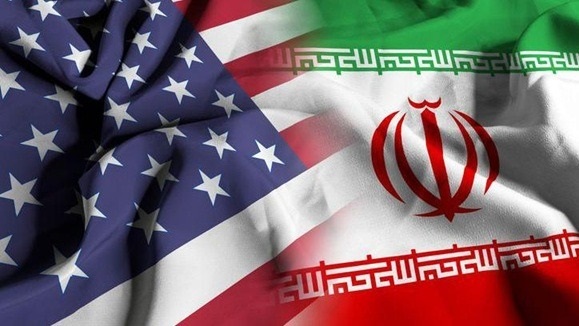
For the first time in months, perhaps years, there is a discernible sense that the United States and Iran may have stepped back from the brink. Yet anyone seeking certainty would be wise to wait.
What appears to have emerged is not a final agreement but a framework, a memorandum of understanding, and a roadmap toward negotiations. The parties themselves describe it differently, and many of the details remain either unpublished, disputed, or subject to future negotiation. That alone should encourage caution.
According to statements from Washington, Tehran, and intermediaries, the current understanding would halt military operations, reopen the Strait of Hormuz, begin lifting the US naval blockade of Iran, and launch a 60-day period of negotiations on the most difficult issues — Iran’s nuclear programme, sanctions relief, and broader regional security arrangements.
If implemented, these steps would mark a significant de-escalation after a period that saw direct confrontation, threats to global energy supplies, and growing fears of a wider regional conflict. Markets have already reacted positively to the prospect of restored shipping through the Strait of Hormuz, one of the world’s most critical energy corridors.
Yet the story is far from straightforward.
What We Think We Know
Several elements appear consistently across public reports.
First, both sides acknowledge the existence of a framework or draft memorandum. Second, the Strait of Hormuz is central to the arrangement. Third, a separate negotiation process is expected to follow, lasting approximately 60 days. Fourth, economic incentives — including sanctions waivers, access to frozen assets, and the potential resumption of Iranian oil exports — are reportedly part of the package under discussion.
There are also widespread reports that Pakistan played a significant mediating role, something that both Washington and Tehran appear willing to acknowledge, albeit in different ways.
What We Do Not Know
The list is considerably longer.
The precise status of Iran’s enriched uranium stockpile remains unclear. Verification mechanisms have not been publicly detailed. The timetable for sanctions relief is uncertain. The future of regional proxy conflicts remains ambiguous. The role of Israel and other regional actors has not been fully explained. Nor is it entirely clear whether both sides are interpreting key provisions in the same way.
Indeed, some reports suggest that what one side views as a framework for future negotiations, the other may regard as a substantive agreement already reached. Such differences are not unusual in diplomacy, but they can become problematic when implementation begins.
The Politics of Ambiguity
Perhaps the most telling aspect of the current moment is that scepticism is emerging almost as quickly as optimism.
In Washington, lawmakers from both parties are demanding more details. Critics question whether the proposed arrangements provide sufficient guarantees regarding Iran’s nuclear activities. Others worry that economic concessions could arrive before meaningful compliance is verified.
Meanwhile, Iranian officials are presenting the understanding as a pathway toward economic normalisation and the easing of external pressure, while carefully preserving national sovereignty and strategic interests.
This divergence in emphasis is not necessarily fatal. Many diplomatic agreements survive because each side can present them differently at home. But it does mean that the current optimism rests on foundations that have not yet been fully tested.
A Historical Reminder
Students of US-Iran relations will recognise a familiar pattern.
Over the decades, many apparent breakthroughs have eventually collided with domestic politics, regional rivalries, competing interpretations, or disagreements over implementation. Framework agreements have often proven easier to announce than to execute.
That does not mean the present effort is doomed. It simply means that experience counsels restraint.
Where Things Stand
At this stage, the most accurate description may be that the United States and Iran have moved from confrontation toward structured diplomacy. That alone is significant.
But it would be premature to describe the situation as resolved.
The current framework contains enough promise to justify cautious optimism and enough unanswered questions to justify continued scepticism. The next 60 days may prove more important than the agreement announced now. The real test will come not in the signing ceremony but in implementation, verification, and the ability of both sides to sustain political support for compromise.
For now, this remains a fast-developing story with far too many ifs, buts, and unanswered questions. The outlines of a potential settlement are becoming visible, but the picture is still incomplete. We will return to the subject as more details emerge and a clearer assessment becomes possible. /// nCa, 18 June 2026