


nCa Report
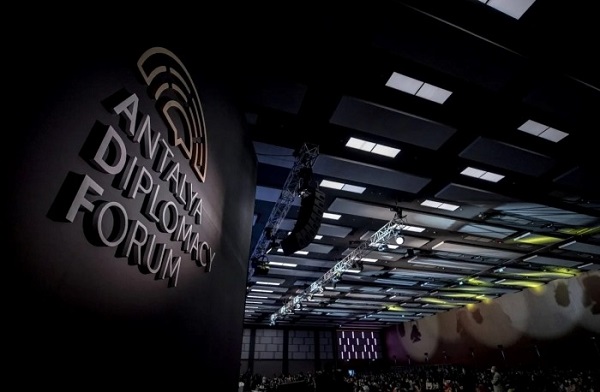
The Antalya Diplomatic Forum 2026, held on April 17–19 in Antalya, concluded with a strong emphasis on managing global uncertainty through dialogue, regional cooperation, and diversified diplomacy. The forum has further consolidated its position as an emerging global platform for informal yet substantive diplomatic engagement.
A Forum Defined by Scale and Inclusivity
One of the most tangible outcomes of ADF-2026 was its expanded global reach and participation.
- The forum brought together over 6,400 participants from 155 countries, including heads of state, ministers, international organizations, and policy experts.
- This scale reflects the growing relevance of the forum as a neutral convening space for diverse geopolitical actors, especially amid fragmentation in traditional multilateral platforms.
Outcome: ADF has evolved into a credible parallel diplomatic arena, complementing—but not replacing—formal institutions like the UN.
Reinforcement of Dialogue in a Fragmented Global Order
The central theme—“Mapping Tomorrow, Managing Uncertainties”—was not merely rhetorical. Discussions across sessions revealed a broad consensus on several points:
- The global order is undergoing structural transformation, with weakening traditional alliances and no clear replacement architecture.
- Dialogue mechanisms—formal and informal—are increasingly essential to prevent escalation and miscalculation.
Outcome: The forum reinforced the idea that continuous diplomatic engagement, even without immediate agreements, is itself a strategic necessity.
Rise of Middle Powers and Regional Diplomacy
ADF-2026 highlighted a significant geopolitical shift: the growing role of middle powers and regional actors in conflict mediation and global governance.
- Countries like Türkiye positioned themselves as active diplomatic hubs, particularly in addressing regional crises.
- Broader regional actors—including Central Asian, Gulf, and South Asian states—demonstrated increasing diplomatic agency.
Outcome: The forum underscored a transition toward a more decentralized and multipolar diplomatic landscape, where influence is distributed beyond traditional Western-led frameworks.
Emphasis on Regional Stability and Connectivity
Across multiple panels, there was a clear convergence around the importance of:
- Regional stability as a prerequisite for economic development
- Transport and energy connectivity as strategic tools of cooperation
- Strengthening cross-border infrastructure and trade corridors
These themes were especially prominent in discussions involving Central Asia, the Middle East, and Eurasia.
Outcome: ADF-2026 reinforced the notion that connectivity—physical, economic, and political—is becoming the backbone of regional diplomacy.
Energy Security and Economic Interdependence
Energy security emerged as a central issue, reflecting ongoing geopolitical tensions and supply disruptions.
Key directions discussed included:
- Diversification of energy routes and suppliers
- Expansion of renewable and sustainable energy cooperation
- Balancing interests among producers, transit countries, and consumers
Outcome: The forum strengthened consensus around energy interdependence as both a risk and an opportunity, requiring cooperative frameworks rather than unilateral approaches.
Renewed Focus on Peacebuilding and Multilateral Norms
Another important outcome was the reaffirmation of core international principles:
- Commitment to peaceful conflict resolution
- Support for non-proliferation and disarmament frameworks
- Promotion of intercultural dialogue and coexistence
Discussions involving international organizations pointed to the continued relevance of multilateral norms, even as their implementation becomes more complex.
Outcome: ADF-2026 did not produce binding agreements but reaffirmed normative consensus on key global issues, particularly peace and security.
Expansion of Informal and Bilateral Diplomacy
As with previous editions, one of the most significant—if less visible—outcomes was the dense network of bilateral and informal meetings held on the sidelines.
- Leaders and ministers used the forum for direct exchanges on sensitive issues
- The setting allowed for confidence-building and exploratory diplomacy
Outcome: ADF continues to function as a catalyst for behind-the-scenes diplomacy, often laying groundwork for future formal negotiations.
Türkiye’s Emergence as a Diplomatic Convenor
The forum reinforced the role of Türkiye as a central diplomatic actor bridging regions.
- Hosting ADF strengthens its image as a neutral and accessible platform for dialogue
- It positions the country at the intersection of Europe, Asia, and the Middle East
Outcome: Türkiye has successfully institutionalized ADF as part of its broader strategy to act as a regional and global diplomatic hub.
Strategic Takeaways
In sum, ADF-2026 did not aim to produce formal declarations or agreements. Its outcomes are better understood in strategic terms:
- Institutional Outcome: Consolidation of ADF as a major global diplomatic platform
- Political Outcome: Recognition of a shifting, multipolar world order
- Diplomatic Outcome: Expansion of dialogue channels and informal negotiations
- Economic Outcome: Stronger focus on connectivity and energy cooperation
- Normative Outcome: Reaffirmation of peace, multilateralism, and cooperation
Conclusion
The Fifth Antalya Diplomatic Forum demonstrated that in an era of uncertainty, process is often as important as outcome. By bringing together a diverse set of actors and encouraging open dialogue, ADF-2026 contributed to shaping the emerging grammar of global diplomacy—flexible, multipolar, and connectivity-driven. /// nCa, 20 April 2026