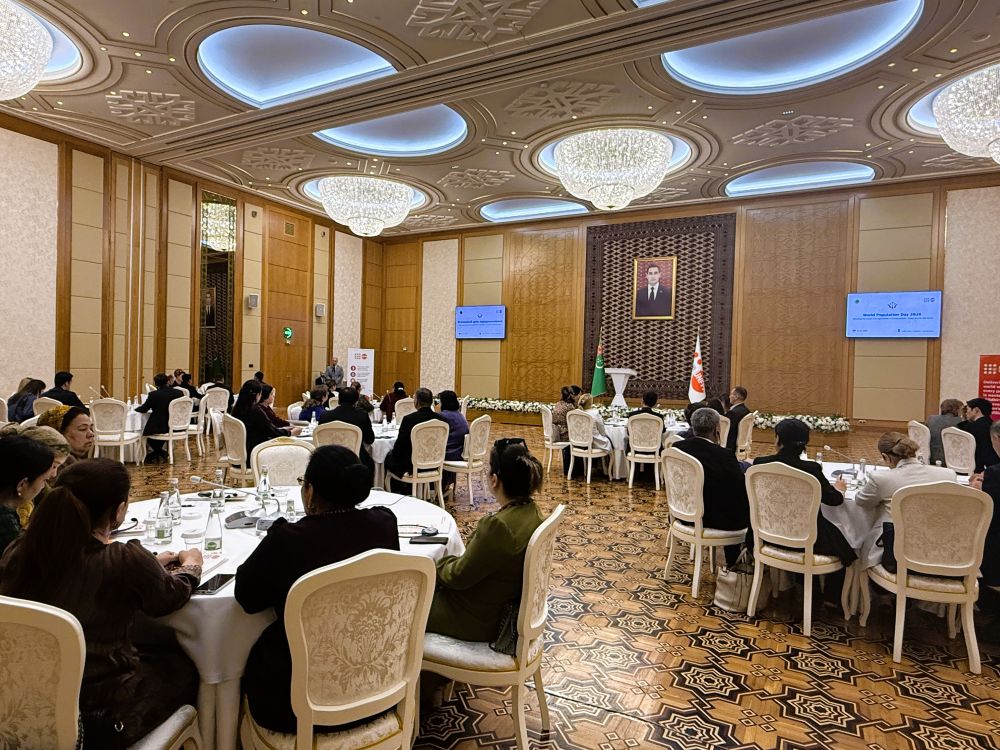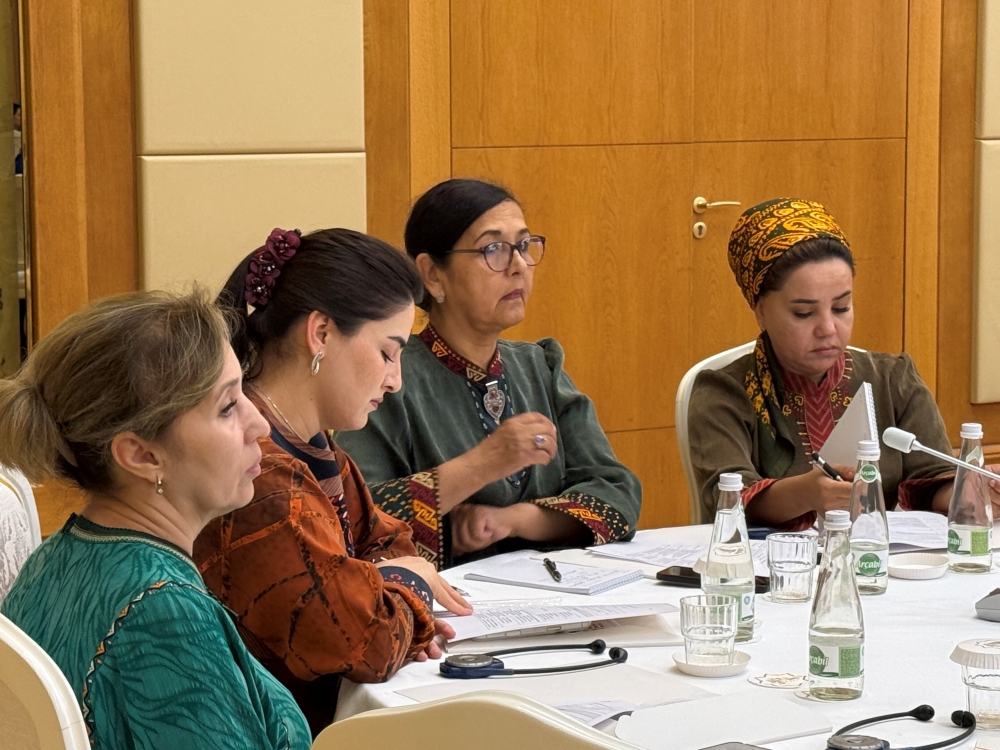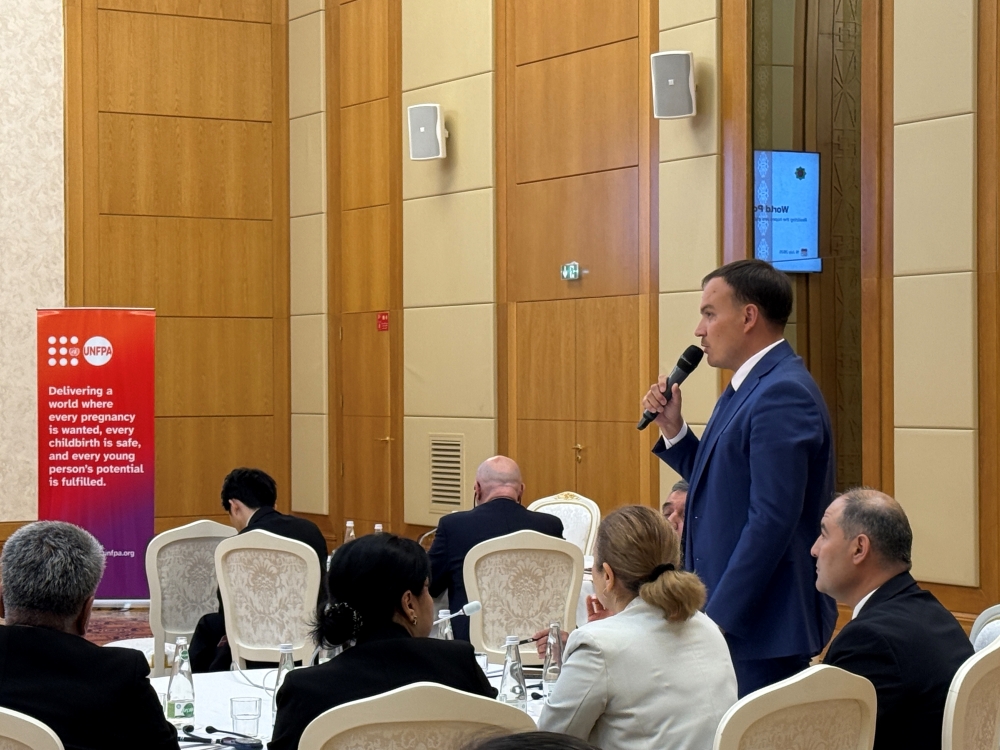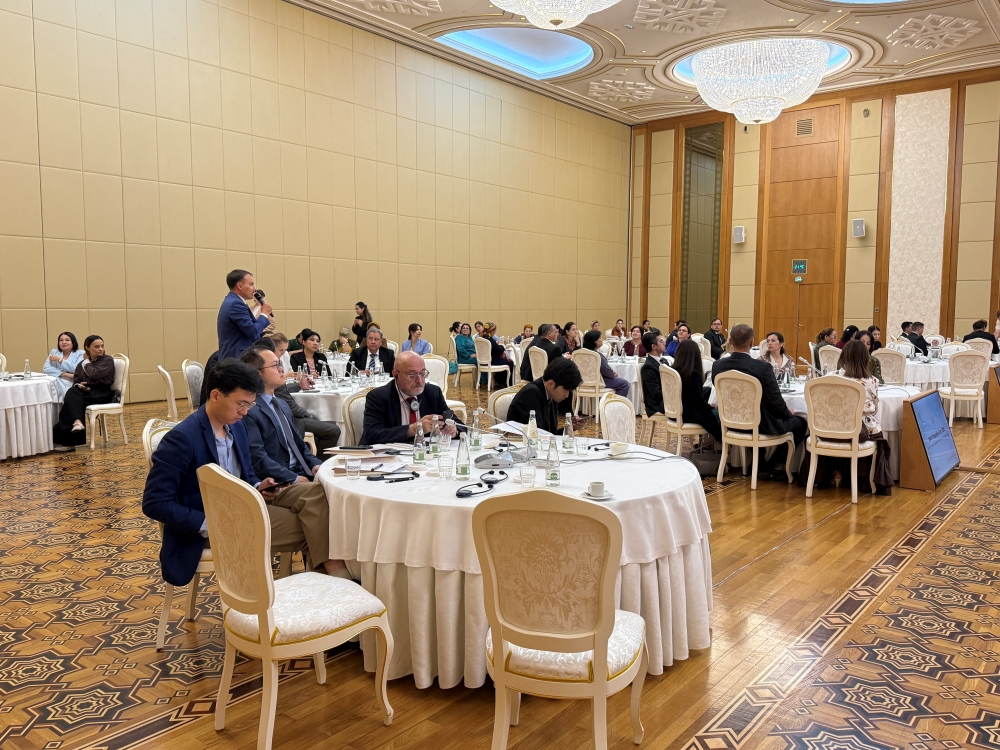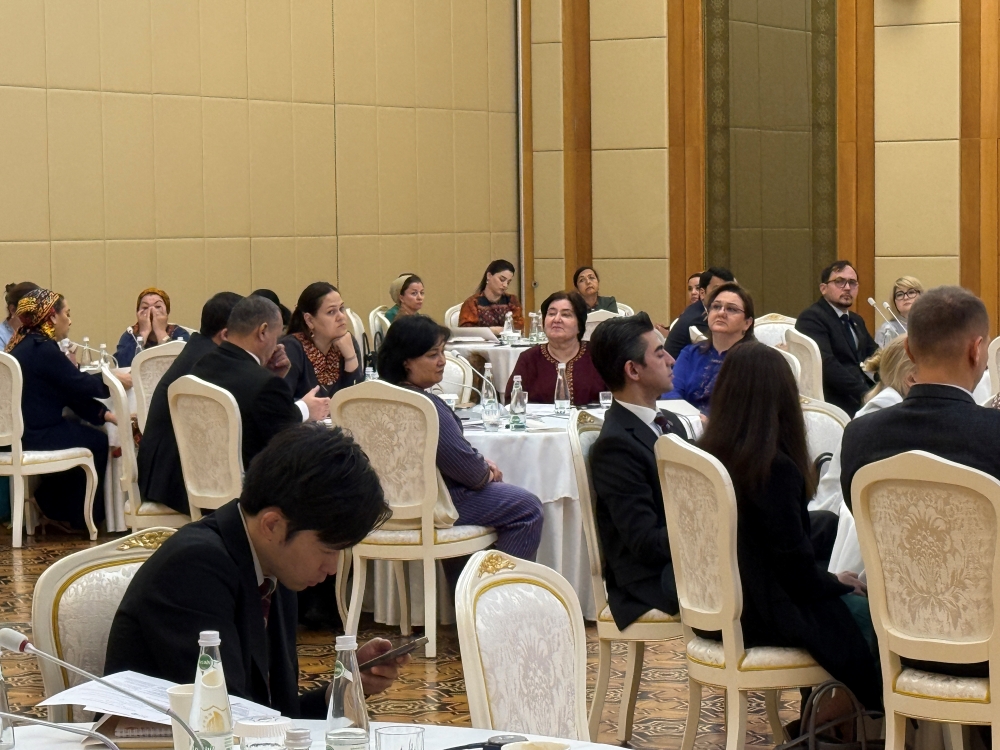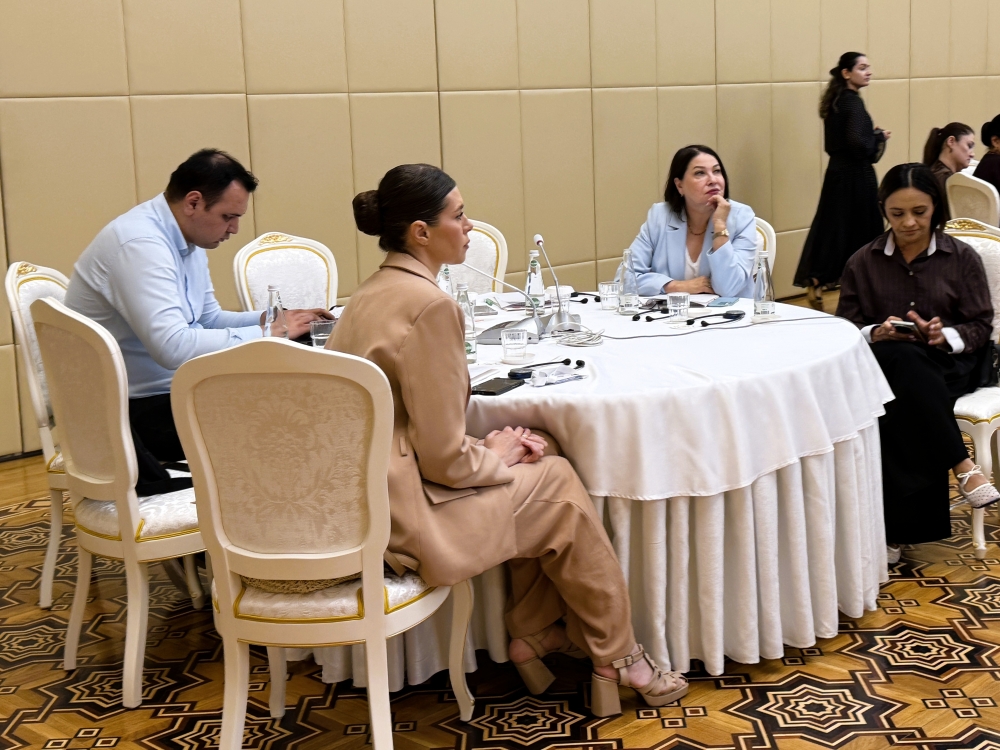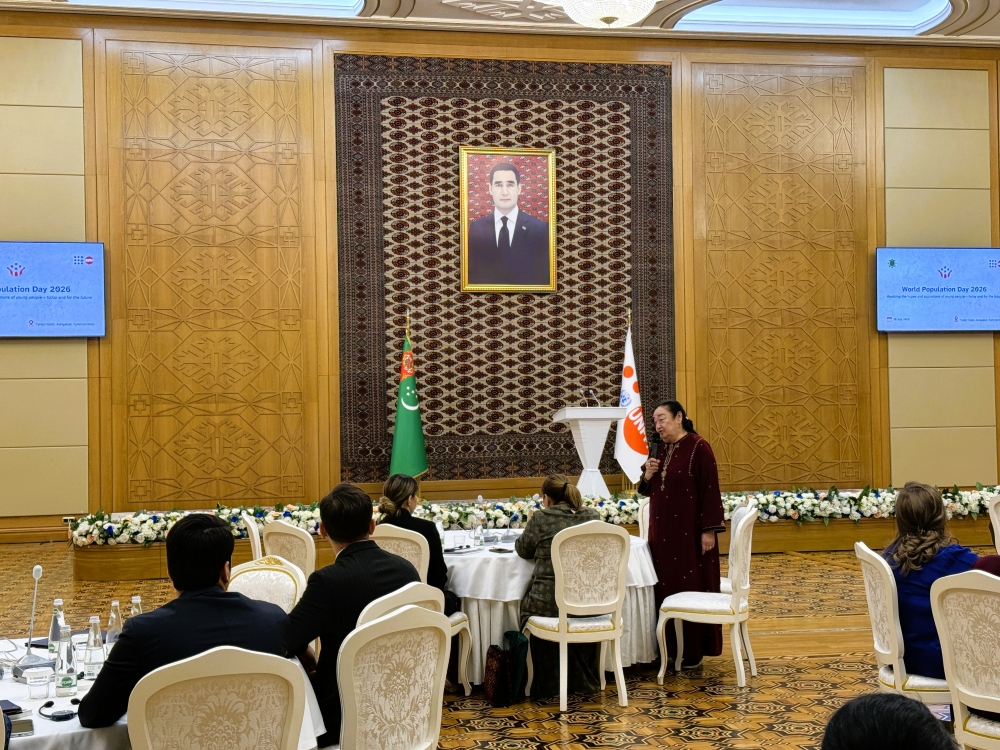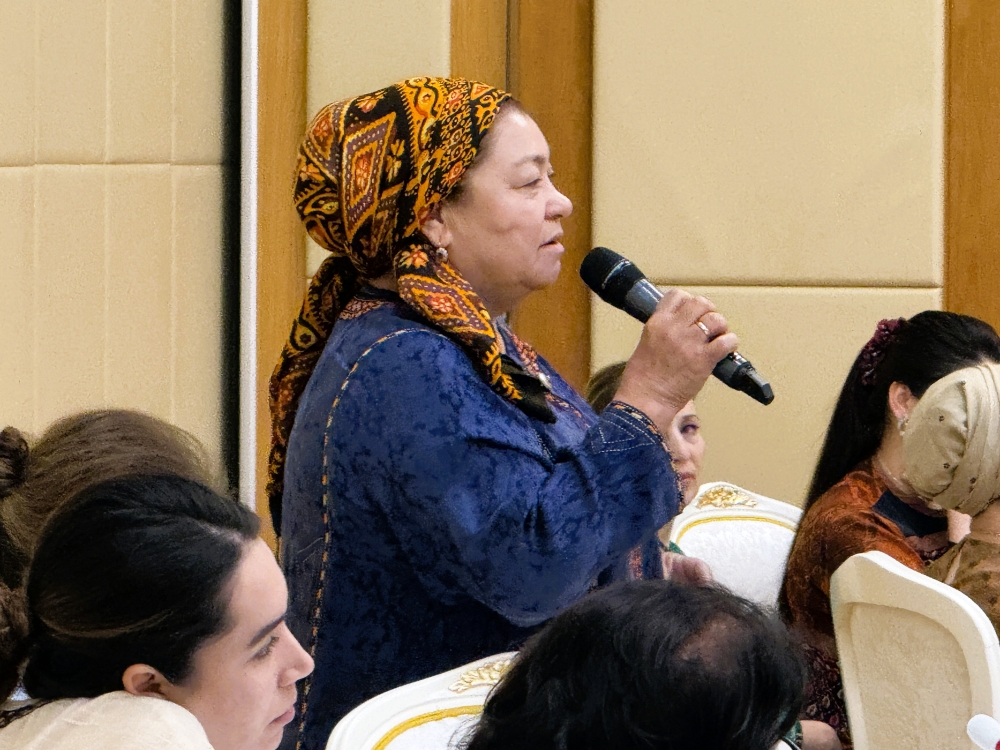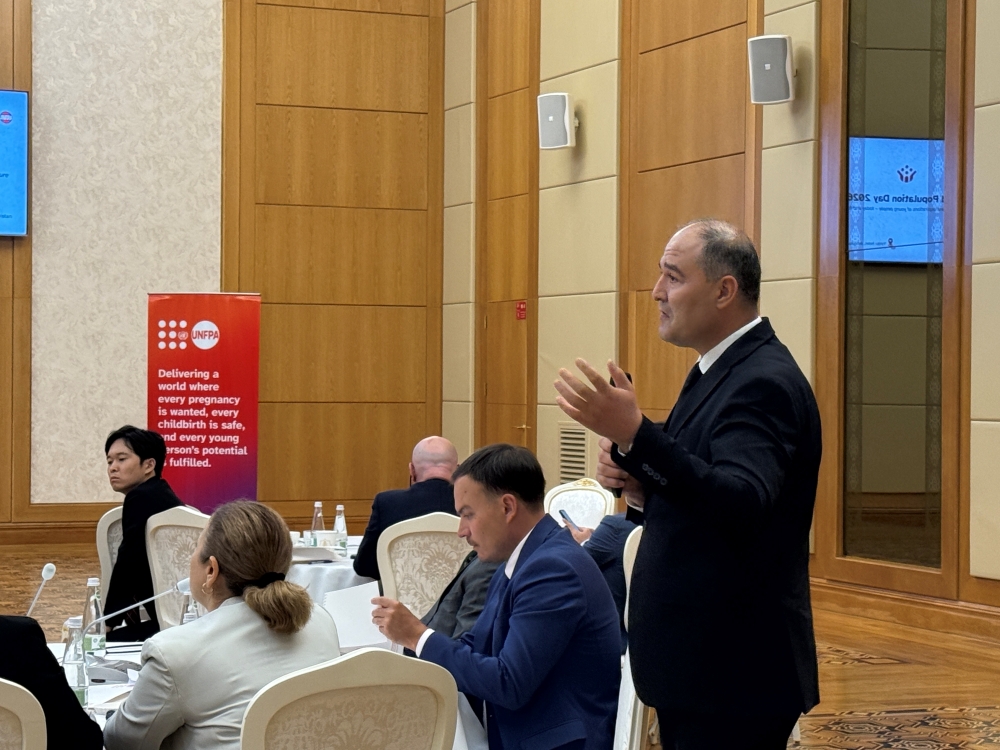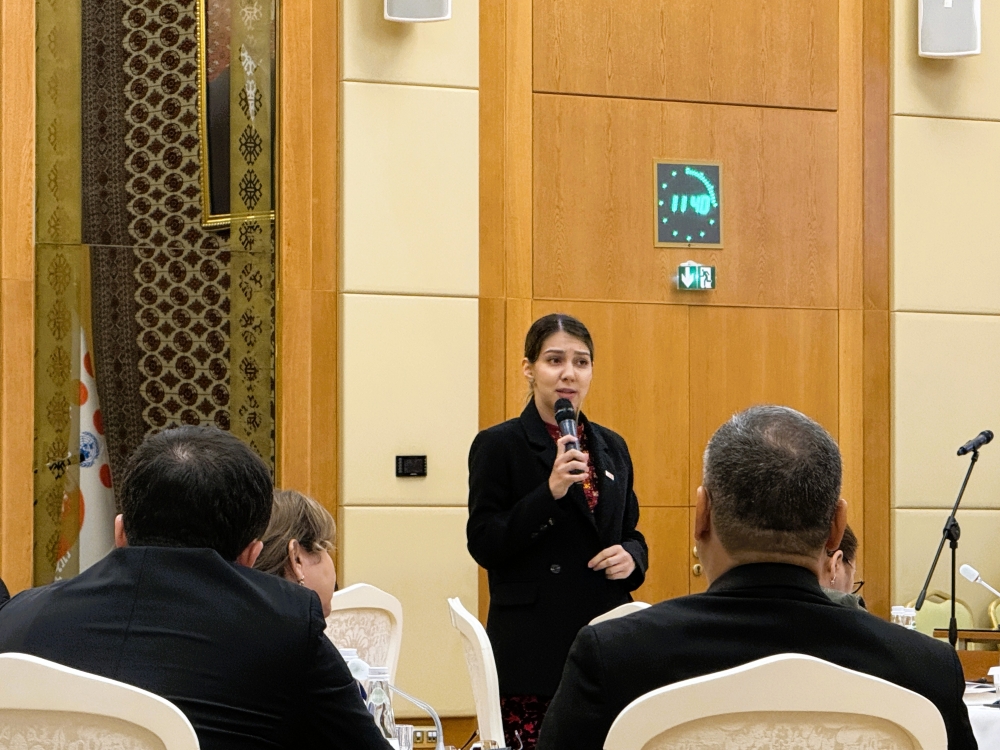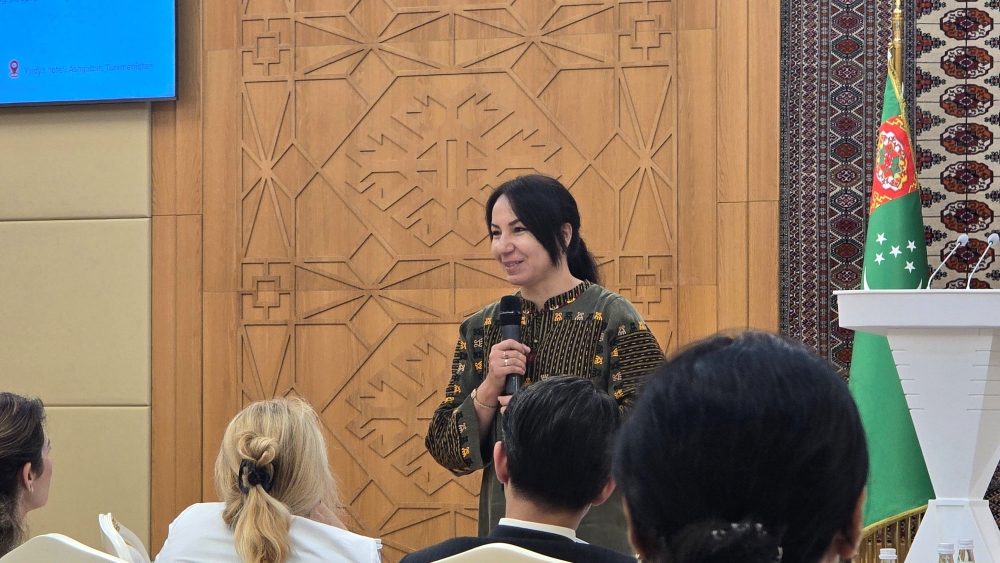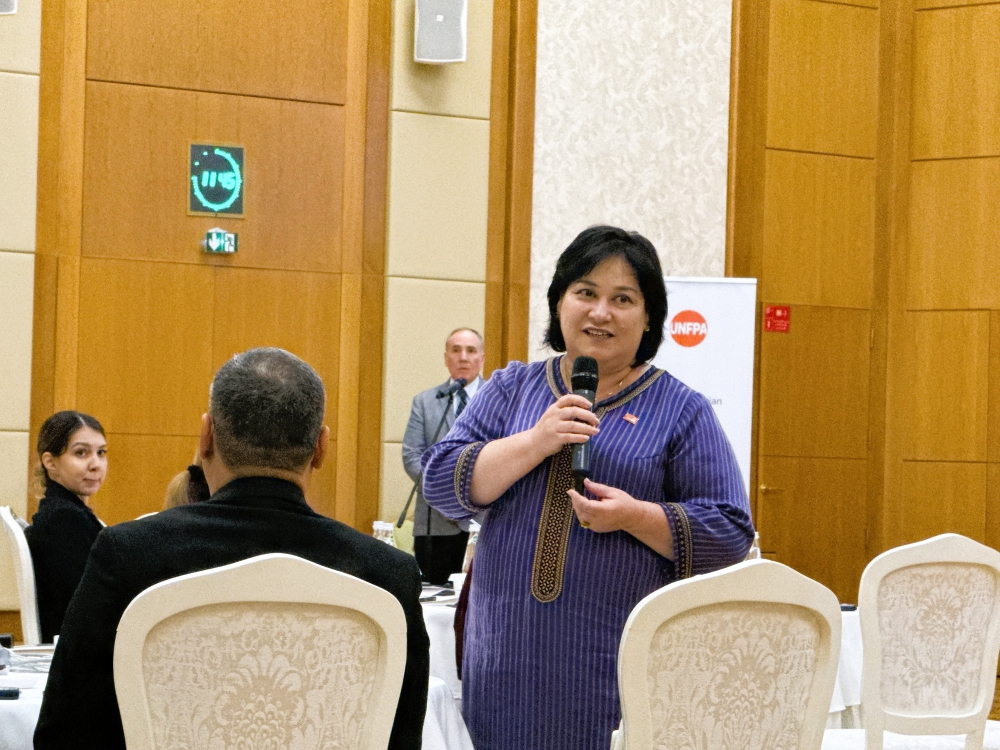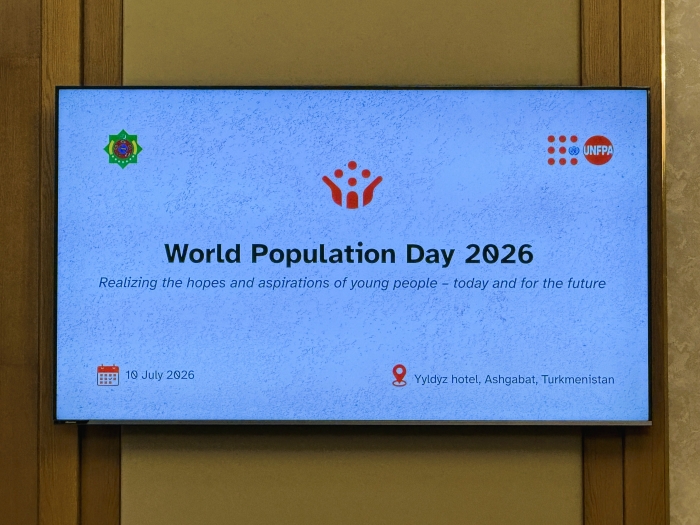
Today, Ashgabat hosted an event dedicated to World Population Day 2026. Organized by the United Nations Population Fund (UNFPA) Representative Office, the meeting brought together heads and specialists from relevant government organizations, heads and staff of foreign diplomatic missions, experts from the UN system in Turkmenistan, as well as representatives of civil society organizations and the media.
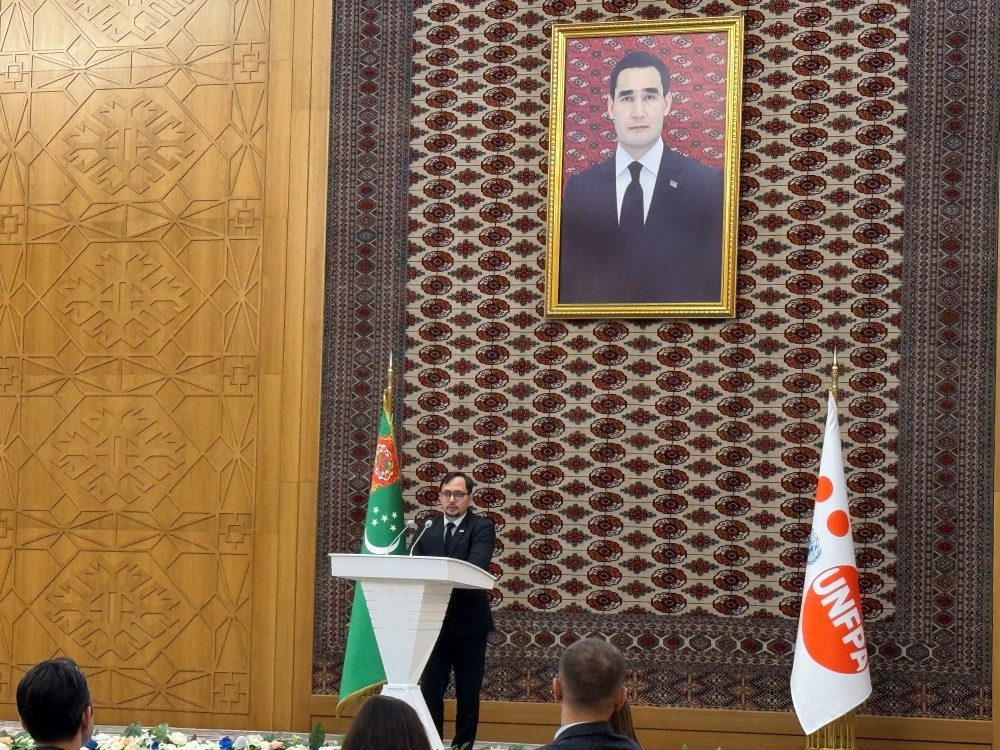
The discussion was opened by Kemal Goshliyev, Head of the UNFPA Office in Turkmenistan, who served as the moderator of the meeting. In his welcoming remarks, he presented the findings of a global UNFPA study that spanned more than 70 countries and surveyed over 100,000 young people. According to the research, the vast majority of youth aspire to start a family and have children; however, they face significant barriers to realizing this potential, including housing conditions, employment difficulties, and intra-family factors.
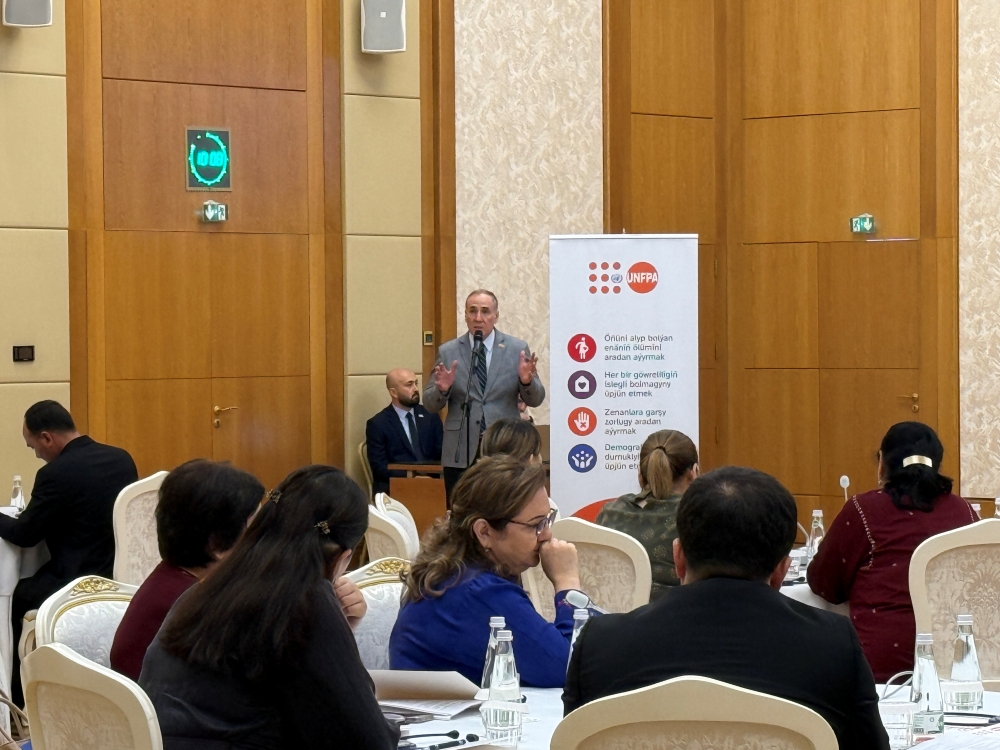
“If we compare the situation with the high birth rate in the 1970s, including in our country, back then it was accompanied by high infant mortality. Moreover, the percentage of women employed in the economy was much lower, and most of the population lived in rural areas, where children were perceived as an economic asset,” emphasized Kemal Goshliyev.
UNFPA provides consistent technical support to countries to minimize modern barriers faced by young people. According to a global assessment, the gap between reproductive intentions and their actual realization is 1.25 children for women and 2.2 for men.
On behalf of the government partner, the participants were welcomed by Guldjemile Annaniyazova, Deputy Chairperson of the State Committee of Turkmenistan on Statistics. She reminded the audience that every year on 11 July, the international community celebrates World Population Day to emphasize the central role of people in sustainable development, social justice, and ensuring equal opportunities.
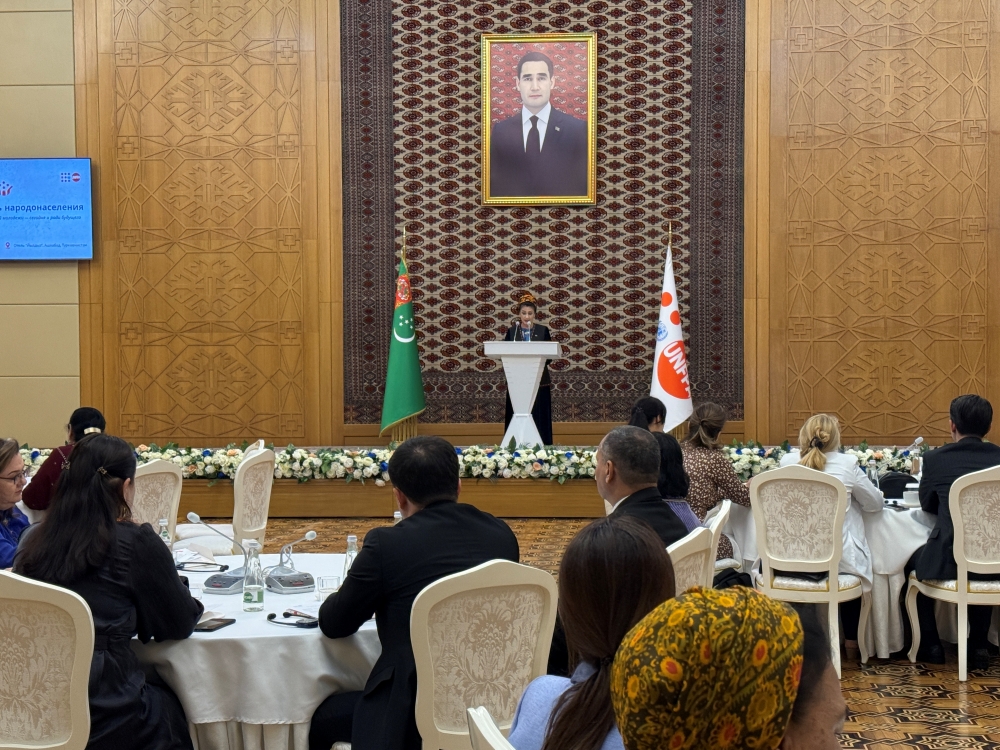
Annaniyazova elaborated on the strategic partnership between the State Committee on Statistics and UNFPA, thanks to which a complete census of the population and housing fund of Turkmenistan was conducted in 2022 in full compliance with international standards (its results are available on the Committee’s website).
“Collaborative efforts continue within the framework of the project ‘Strengthening the Data System with Account of Demographic Changes’. The annual work plan for 2026 provides for a deep modernization of the civil registry (ZAGS) system, which will improve the quality of data coding and accelerate the acquisition of aggregated data on vital statistics […] These activities directly contribute to achieving national priorities, including the long-term and medium-term national programs for socio-economic development of Turkmenistan, and their effective response to demographic, economic, and environmental changes occurring in the country,” Annaniyazova concluded, also noting UNFPA’s contribution to building-up the professional capacity of Turkmenstat staff both domestically and internationally.
Demography and Reproductive Research: Launch of the Fertility Aspirations Survey in Turkmenistan
Bagul Annamuhammedova, Deputy Head of the Population Department of the State Committee of Turkmenistan on Statistics, delivered a presentation on the progress of the Fertility Aspirations Survey in Turkmenistan. She announced that under the 2026 annual work plan, the agency, in cooperation with UNFPA, has launched a unique study, with its field phase successfully conducted in April–May of this year.
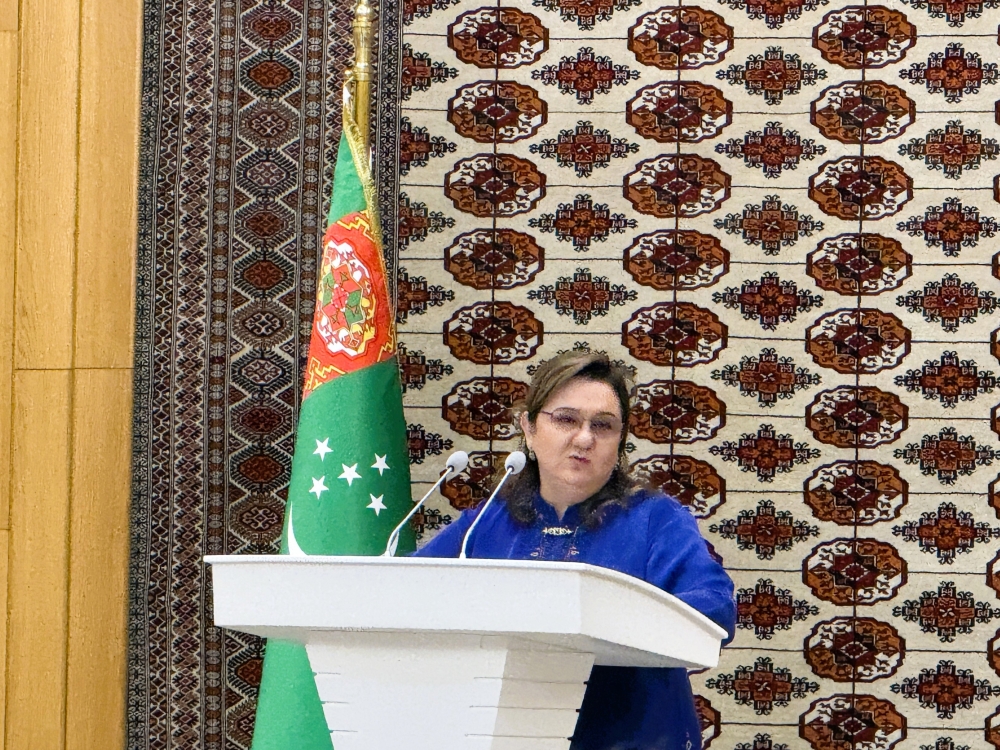
The primary goal of the survey is to identify the gap between the desired number of children in a family (reproductive aspirations) and the actual reproductive behavior of the population. It also aims to examine the complex socio-economic factors influencing these differences, such as income, education, employment, housing conditions, and the distribution of gender roles.
Parameters of the Fertility Aspirations Survey (2026):
- Total coverage: 4,320 households.
- Target group: 4,623 women of reproductive age.
- Territorial representativeness: 216 cluster units (137 in urban areas and 79 in rural areas).
- Tools: Two complementary questionnaires developed in accordance with international methodologies and adapted to national conditions.
Annamuhammedova emphasized that the processing, verification, and analysis of the collected data are currently being finalized. The preparation of the final analytical report with practical policy recommendations is scheduled for the fourth quarter of 2026.
The survey results will serve as an evidence base for drafting recommendations to further improve state policy in demographic development, healthcare, social protection, education, and family support.
Multiple Indicator Cluster Survey (MICS7): Trends, Challenges, and Recommendations
Begench Rejepov, UNFPA Programme Coordination Specialist presented the detailed findings and subnational challenges identified during the seventh round of the Multiple Indicator Cluster Survey (MICS7).
According to MICS7 data, the total fertility rate (TFR) in Turkmenistan stood at 2.8 children per woman in 2024 (a decrease compared to the 2019 figure of 3.0). Meanwhile, the gap between urban (2.6) and rural (3.0) areas persists.
In terms of regions, the TFR indicators for 2024 were distributed as follows:
- Arkadag City: 3.5
- Ahal Velayat: 3.1 (an increase from 3.0 in 2019)
- Lebap Velayat: 2.9 (a decrease from 3.6 in 2019)
- Mary Velayat: 2.8
- Ashgabat City: 2.8
- Dashoguz Velayat: 2.7 (a decrease from 3.1 in 2019)
- Balkan Velayat: 2.3 (a decrease from 2.4 in 2019)
Subnational trends are multidirectional: while fertility has noticeably declined in Lebap and Dashoguz, Mary shows an upward trend, and the situation in Ahal and Ashgabat remains relatively stable.
According to MICS7 data, Turkmenistan has achieved certain success in maternal health. The country has secured a 100% rate of institutional deliveries attended by skilled personnel. While 94% of women completed the standard 4 or more antenatal care visits during pregnancy, only 62.9% met the WHO recommendation of 8 or more visits.
Regarding reproductive autonomy (SDG Indicator 5.6.1): the proportion of women (aged 15–49) who make their own informed decisions regarding sexual relations, contraceptive use, and reproductive healthcare has grown significantly — from 42.2% in 2019 to 62.1% in 2024. The highest rates were recorded in Lebap (75.9%) and Dashoguz (70.9%) velayats, while the lowest were observed in Mary (51.6%) and Ahal (53.3%) velayats.
In the area of social norms, the percentage of women who justify violence decreased from 58,4% to 42.7% (with the highest percentage of acceptance in Ahal at 56.7%, and the lowest in Balkan at 27.2%).
UNFPA Strategic Recommendations Based on MICS7 Findings:
- In Healthcare: Introducing active recall protocols and digital tracking systems (reminders, mobile alerts) to ensure women transition from 4 to 8 or more doctor visits. Deploying maternal healthcare services to remote agricultural and coastal communities, particularly in Mary and Balkan velayats. Integrating contraceptive counseling directly into the maternity hospital discharge process.
- In Youth Policy: Ensuring the accessibility of medical services for young people based on the principles of availability, friendliness, and confidentiality; integrating specialized educational materials into the education sector and strengthening awareness campaigns.
- In Social Norms: Establishing a solid legal framework for protecting women from violence. According to WHO and UN Women practices, the existence of dedicated legislation reduces the level of violence by almost half.
Gender Policy: Presentation of the National Action Plan for 2026–2030
The final report of the event was dedicated to reviewing the state strategy in the field of protecting women’s rights. Shemshat Atajanova, Head of the Department of Democracy and International Relations of the Institute of State, Law and Democracy of Turkmenistan and a member of the Working Group of the Interdepartmental Commission on Ensuring the Fulfillment of Turkmenistan’s International Obligations in the Field of Human Rights and International Humanitarian Law, presented the new National Action Plan for Gender Equality in Turkmenistan (NAPGE) for the five-year period of 2026–2030.
Atajanova emphasized that the state policy of Turkmenistan relies on the Constitution and the country’s key international obligations, including the Beijing Declaration and Platform for Action, the Convention on the Elimination of All Forms of Discrimination against Women (CEDAW), and SDG 5.
Before introducing the structure of the new document, the speaker recalled the significant achievements of previous action plans:
- Country-wide Survey: A large-scale national survey on the health and status of women in the family was successfully conducted (2020–2022).
- State Guarantees: The Law of Turkmenistan “On State Guarantees for Ensuring Equal Rights and Equal Opportunities for Women and Men” was adopted.
- Criminal Code Update: Effective 1 January 2023, a new edition of the Criminal Code of Turkmenistan entered into force, establishing criminal liability for coercing a person into sexual acts in the workplace.
- Social Services: The Law “On Social Services” was adopted in December 2021, laying the groundwork for assistance to vulnerable groups.
- Family Courts: A provision on establishing specialized family courts with the mandatory participation of psychologists was introduced into the new edition of the Law on Courts.
- Support Services: Family support services providing psychological assistance operate across all five velayats and Ashgabat on the basis of the National Red Crescent Society of Turkmenistan.
- MICS Module: A specialized module titled “Violence against Women” was integrated into the seventh round of the MICS survey.
The new NAPGE for 2026–2030 includes eight key strategic areas, one of which is entirely new to national practice:
- Increasing the political and public participation of women at all levels: Implementing regional workshops and media campaigns to eradicate gender stereotypes and expand the representation of women in the Mejlis (parliament) and local government bodies.
- Strengthening institutional capacity mechanisms: The Interdepartmental Commission and the Ombudsman’s Office conducting a comparative analysis of international experience on introducing temporary special measures, as well as providing professional development for specialists.
- Strengthening and improving the legislative framework: Mejlis deputies and the Interdepartmental Commission (MVK) working group conducting a comprehensive gender analysis of national legislation to effectively counter violence.
- Ensuring gender-sensitive healthcare: Integrating SOPs for working with victims of violence into medical university curricula, and expanding screening programs for cervical and breast cancer.
- Promoting equal access to quality education: Placing a special emphasis on rural areas; popularizing STEM disciplines and ICT among girls through the nationwide “Open Days for Girls” initiative; and conducting a gender analysis of school textbooks.
- Effective prevention and response to gender-based violence: Strengthening the capacity of law enforcement, judicial, medical, and social structures; implementing standard operating procedures to ensure survivor-centered assistance; as well as raising public awareness and engaging men in promoting zero tolerance for violence.
- Expanding the economic rights and opportunities of women and girls: Conducting a large-scale time-use survey; organizing campaigns to engage men in the equal sharing of domestic labor and childcare; and providing economic support to rural women through access to unsecured concessional loans, securing their land rights, and training them in climate-smart agricultural technologies.
- Climate change, environmental protection, and disaster risk reduction (new strategic area): Integrating gender approaches into state environmental programs and expanding women’s participation in ecological decision-making.
Speaking about the immediate priorities for the near future, Shemshat Atajanova highlighted the development of local roadmaps and action plans for the implementation of the NAPGE at the level of each province. She also emphasized strengthening interagency response (as a comprehensive cross-cutting regulatory framework of documents is not yet in place), expanding cooperation with UN agencies, and maximizing the involvement of local executive authorities in the practical realization of the declared goals.
From Data to Action
The event held in Ashgabat clearly demonstrated that Turkmenistan is moving towards a qualitatively new stage in managing demographic and social processes, placing accurate statistical data at the forefront. Large-scale studies, such as the completed seventh round of the MICS7 survey and the Fertility Aspirations Survey rolled out in 2026, make it possible to move away from generalized estimates and see the real needs of residents in each region of the country.
The challenges highlighted by experts—ranging from regional disparities in fertility rates to the need for stronger legal and medical frameworks to protect women—are not being overlooked; instead, they serve as the direct foundation for long-term planning. The adoption of the National Action Plan for Gender Equality for 2026–2030, bolstered by the integration of innovative pillars like climate adaptation and the economic empowerment of rural women, underscores the state’s commitment to systematically modernizing its social sphere.
The overarching takeaway from the meeting is clear: Turkmenistan’s sustainable development hinges on dismantling the barriers that prevent young families from fulfilling their potential, and on fostering a completely safe, equitable environment for all. The collaborative partnership between the Government of Turkmenistan and the UNFPA instills strong confidence that the strategic recommendations outlined in the reports will translate into effective national action over the next five years, yielding tangible benefits for society. /// nCa, 10 July 2026
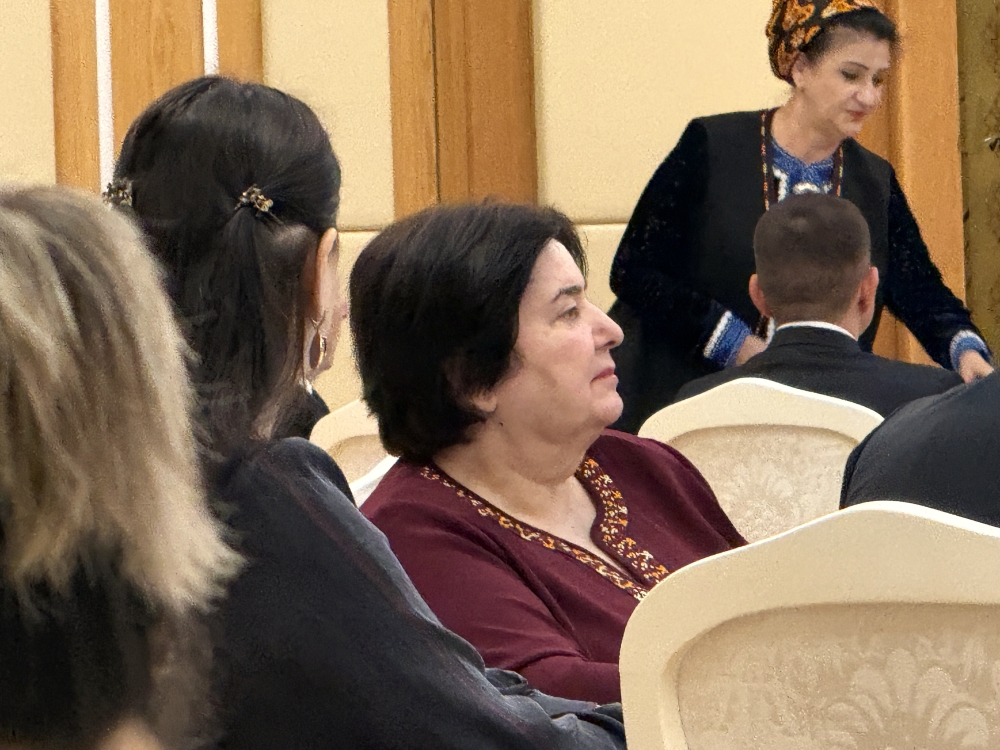
Here are some photos from the event: