


Turkmenistan and Uzbekistan took another significant step toward strengthening their strategic partnership as President Serdar Berdimuhamedov received Uzbekistan’s Deputy Prime Minister Jamshid Khodjaev and the two countries convened the 19th meeting of the Joint Turkmen-Uzbek Commission on Trade, Economic, Scientific, Technical, and Cultural Cooperation in Ashgabat.
The developments underscored the steadily expanding scope of cooperation between the neighboring states, whose relations continue to be shaped by shared history, geographic proximity, and a common commitment to good-neighborliness, mutual respect, and practical economic collaboration.
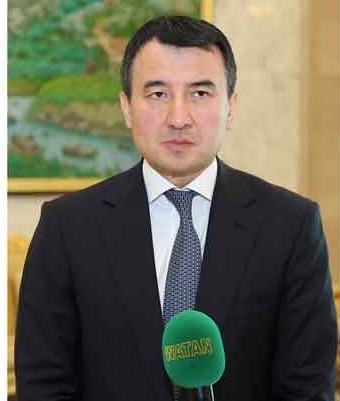
During his meeting with President Berdimuhamedov, Deputy Prime Minister Khodjaev conveyed greetings from President Shavkat Mirziyoyev and reaffirmed Uzbekistan’s high regard for Turkmenistan’s achievements and growing international standing. The Turkmen President, in turn, extended his best wishes to the Uzbek leader and expressed confidence that the Joint Commission would produce meaningful outcomes for bilateral cooperation.
President Berdimuhamedov emphasized that Turkmenistan attaches special importance to strengthening relations with Uzbekistan and identified energy, transport, agriculture, trade, and major infrastructure and investment projects as key areas for future cooperation. He also highlighted the important coordinating role played by the intergovernmental commission in advancing bilateral initiatives and implementing agreements reached at the highest level.
A notable example of this progress is the Turkmen-Uzbek Border Trade Zone, officially opened in November 2025 during President Berdimuhamedov’s state visit to Uzbekistan. The facility has already begun serving as an important mechanism for boosting trade and creating new opportunities for business interaction across border regions.
The themes highlighted during the presidential meeting were reflected in greater detail at the Joint Commission session held later in the day at the Chamber of Commerce and Industry of Turkmenistan.
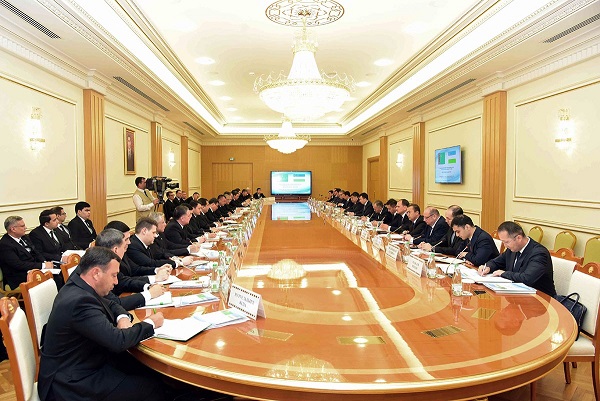
The Commission reviewed the implementation of previously reached agreements and examined prospects for expanding cooperation across a wide range of sectors. Participants noted that bilateral relations have entered a new phase of development thanks to the consistent efforts of the leaders of both countries and the regular exchange of visits and consultations at the highest governmental levels.
Particular attention was devoted to trade and economic cooperation. The two sides acknowledged the steady growth of bilateral trade and discussed measures aimed at further increasing turnover through improved commercial mechanisms and stronger business-to-business contacts. Platforms such as the Turkmen-Uzbek Business Council, regional cooperation forums, and specialized trade exhibitions were recognized as effective instruments for fostering private-sector engagement.
Energy, transport, logistics, agriculture, pharmaceuticals, and tourism were identified as priority areas for deeper cooperation. Participants also explored opportunities for collaboration in industrial manufacturing, chemicals, automotive production, and electrical equipment manufacturing.
Transport connectivity emerged as a central theme of the discussions. Both countries emphasized the strategic importance of developing modern transport and logistics infrastructure linking their economies along the historic Silk Road corridor. Growing freight volumes, improved customs procedures, and efforts to streamline logistics services were cited as important factors enhancing regional connectivity and facilitating trade flows.
The Commission also underscored the importance of scientific and technological cooperation. The parties expressed interest in expanding collaboration in innovation, advanced technologies, and research, recognizing these fields as increasingly important drivers of economic modernization and competitiveness.
In addition to economic issues, both sides reaffirmed the value of cultural and humanitarian cooperation. President Berdimuhamedov stressed that regular exchanges between artists, cultural institutions, and public organizations, as well as the organization of joint events, contribute to strengthening mutual understanding and friendship between the peoples of the two countries.
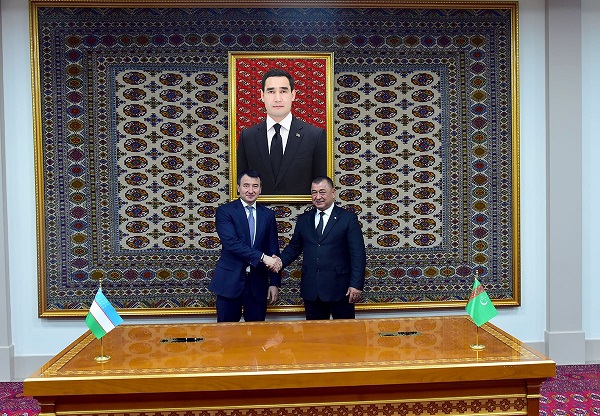
The meeting concluded with the signing of a protocol summarizing the outcomes of the 19th session of the Joint Commission and outlining future areas of cooperation.
The discussions in Ashgabat demonstrated the broad and multifaceted nature of Turkmen-Uzbek relations. Beyond growing trade volumes and infrastructure projects, the partnership increasingly encompasses industrial cooperation, innovation, regional connectivity, and people-to-people exchanges. Both sides reaffirmed their commitment to translating political goodwill into practical results and expressed confidence that the Turkmen-Uzbek strategic partnership will continue to gain momentum in the years ahead. /// nCa, 22 June 2026