


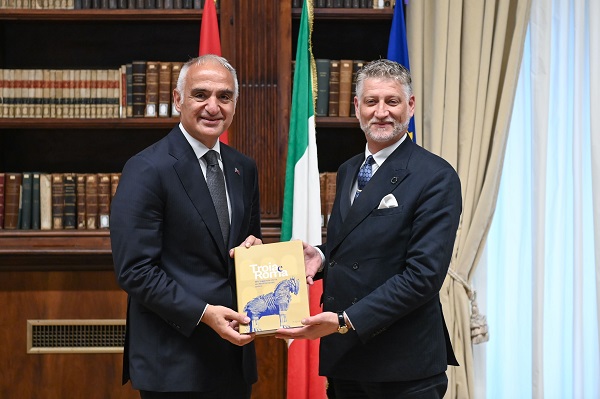
From the pages of Homer’s Iliad and Odyssey to many cinematic stories and the world’s leading cultural institutions, Troy’s story continues to resonate across centuries and continents. Located in Türkiye’s North Aegean region and recognised as a UNESCO World Heritage Site, this iconic ancient city stands not only as a witness to history but also as a living source of inspiration for literature, art, cinema and scholarship. Today, Troy’s enduring legacy is reaching new audiences around the world through a series of international cultural events.
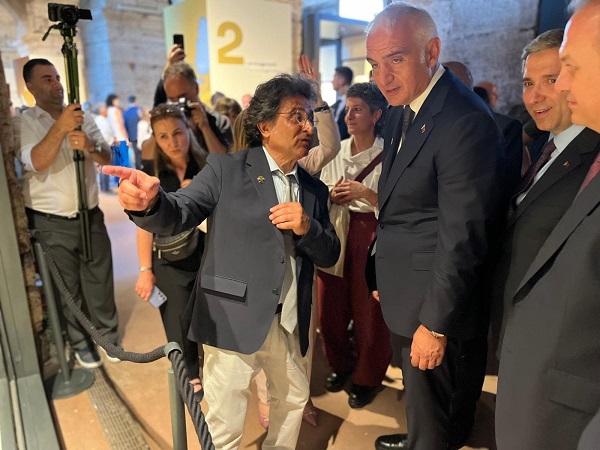
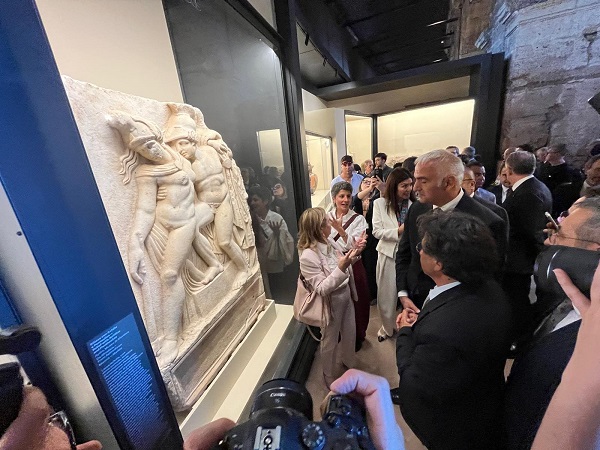
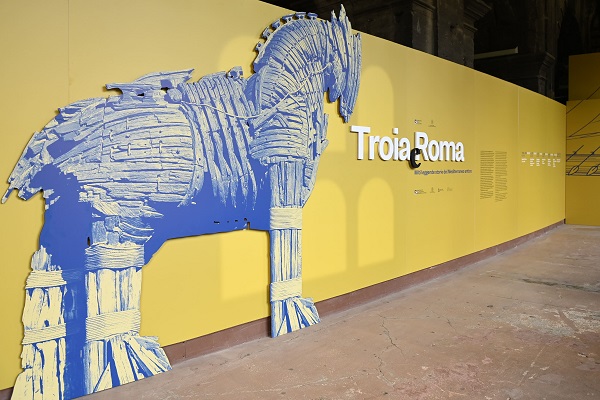
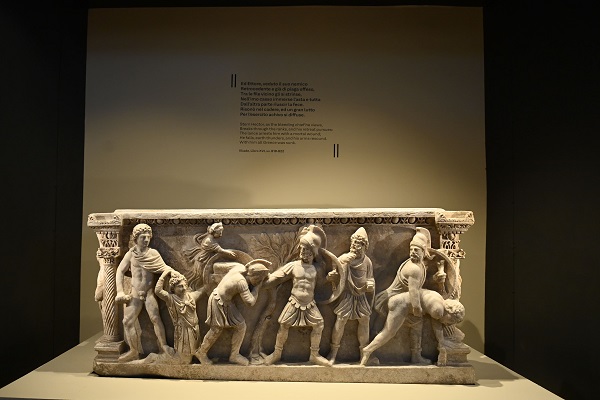
The landmark exhibition of Trojan artefacts at the Colosseum in Rome, which opened on June 11th this year, has emerged as one of the most prestigious international presentations of Troy in recent years. Bringing the legacy of the ancient city to one of the world’s most iconic cultural landmarks, the exhibition features 221 artefacts selected from 19 museums across Türkiye, including the Troy Museum in Çanakkale, with 50 never before exhibited in Italy, and an additional 80 from Italian museum collections. Drawing considerable international attention, the exhibition offers an exceptional opportunity to showcase the richness of Troy’s archaeological heritage and further reinforces the ancient city’s status as a universal cultural treasure.
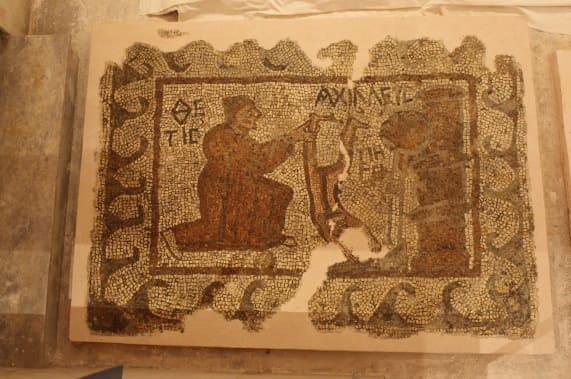
Alongside this major showcase, a series of cultural and academic events across different countries has continued to bring the ancient city to new audiences. Following a captivating conference and photography exhibition at the Turkish House in New York, Troy is now set to engage audiences in the Netherlands, where a special photography exhibition will open at the Yunus Emre Institute in Amsterdam on June 28, followed by a conference by Professor Rüstem Aslan, Head Archaeologist of the Troy excavations, at Leiden University on June 29. More activities are planned worldwide, and while such global conferences and exhibitions raise widespread awareness of Troy, they offer only a preview of the site for enthusiasts. To truly experience it in full, Türkiye invites curious travellers to the ancient city of Troy itself, located just 30 kilometres from Çanakkale city centre.
A journey through nature, heritage, and myth
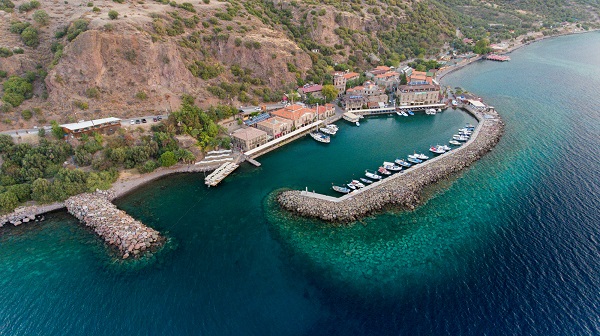
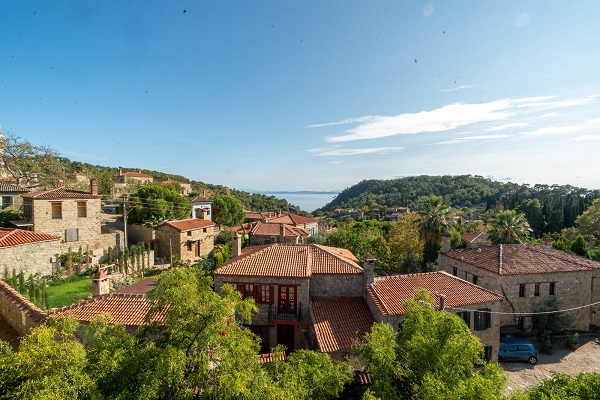
Çanakkale, nestled at the northern gateway of the Aegean, sits at the entrance of the Çanakkale Strait or “the Dardanelles”. This coastal oasis offers incomparable experiences, from sun-drenched beaches and thrilling water sports to scenic campsites, cycling paths, and boutique wine routes. Here, visitors can retrace the historic footsteps of the Battle of Çanakkale—also known as the Gallipoli or Dardanelles Campaign of World War I— and even dive beneath the surface to explore the fascinating shipwrecks of the war. They can immerse themselves in the emerald slopes of Mount Ida, refresh in the crystal-clear waters of Assos, and discover the distinct island charms of Bozcaada and Gökçeada.
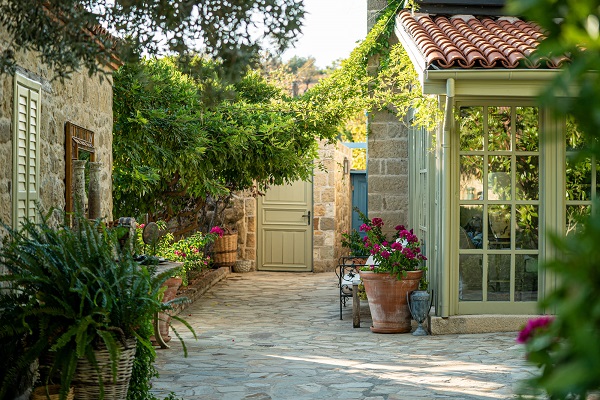
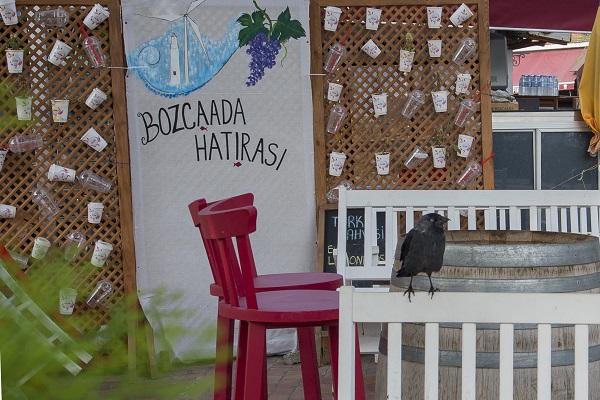
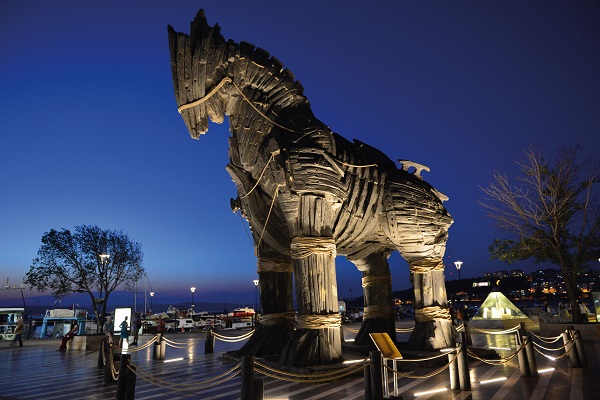
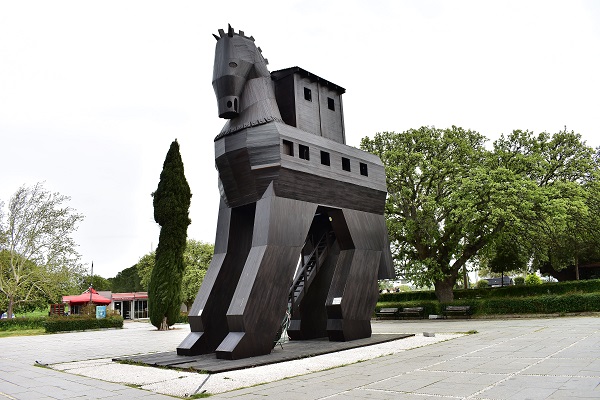
Yet, the true crown jewel of the city is, hands down, Troy, and an enormous wooden horse in the city centre offers a glimpse into this mythical site whose mystique charm continues to fascinate travellers from across the globe.
Troy: Layers of Civilisation
Just a short drive from the heart of Çanakkale, Troy beckons culture enthusiasts to walk through its multilayered terrain, offering a rare opportunity to witness history as a timeline. Located in Tevfikiye village, Troy is best known as the city that inspired Homer’s epic poem, The Iliad. Although the Trojan War has engraved Troy permanently in our memory, the city was home to diverse cultures long before the legend. The UNESCO World Heritage site today reveals 5,000 years of continuous settlement, spanning ten (and counting) distinct layers from the Early Bronze Age to the Eastern Roman period.
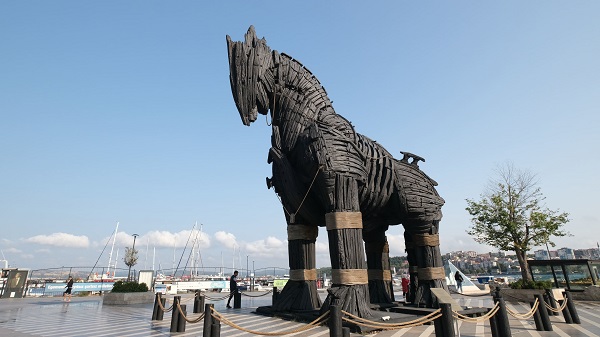
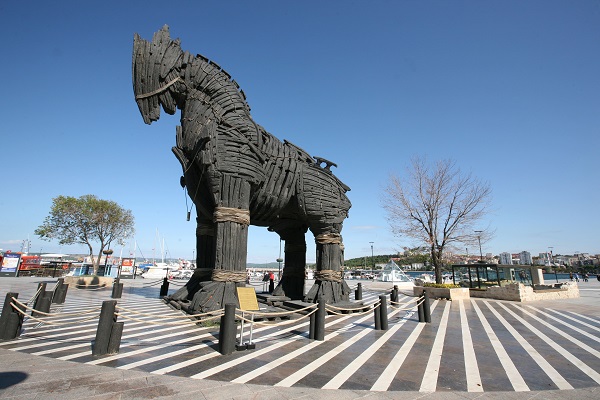
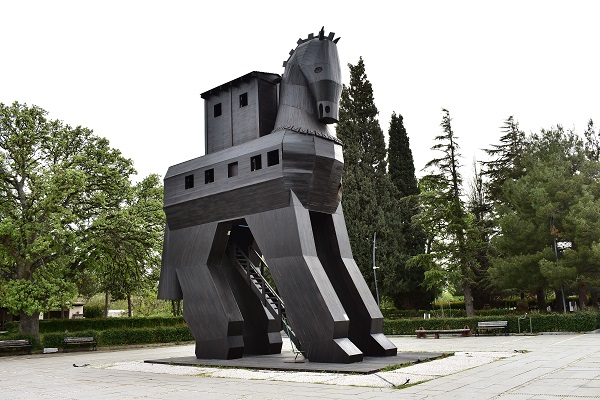
At the entrance of Troy, visitors are welcomed by a monumental wooden Trojan Horse. Starting their historical journey here, travellers can wander through Troy’s well-preserved ancient stone walls and streets, which may once have been trodden by some of the greatest figures of the Trojan myth.
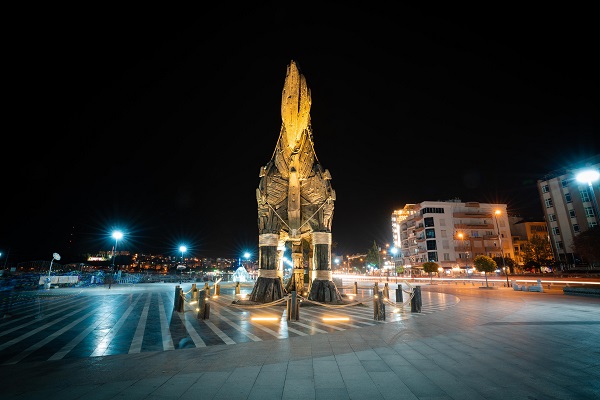
Troy is also closely linked to the origins of the Roman Empire through the legend of Aeneas. According to the epic immortalised in Virgil’s Aeneid, Prince Aeneas embarked on a legendary voyage to find a “New Troy” after the city’s fall. Following what historians now call the “Aeneas Route”, which is also recognised as a Cultural Route by the Council of Europe, the Anatolian prince eventually reached the shores of Latium, where his descendants would go on to found Rome in 753 BCE.
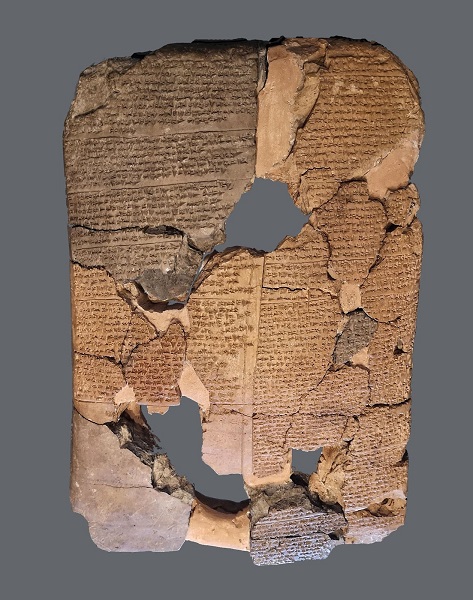
Beyond the realm of myth, one thing remains certain about Troy: As a deeply rooted Anatolian city with continuous settlement and global influence, Troy served as the ultimate inspiration, planting the very roots of Western literature. Today, witnessing the ancient ruins of such a leading settlement, spanning from Bronze Age fortifications to the Roman Odeon and Bouleuterion, is a priceless experience.
A Modern Museum Experience: Discovering Troy Beyond the Ruins
The Troy experience is not limited to the ancient city itself. At the entrance to the site, the award-winning Troy Museum, with its simple yet impressive architecture, invites visitors to enrich their historical journey by exploring the archaeological treasures unearthed at Troy. Reconnecting Troy’s past with today’s audiences, the Troy Museum showcases the ancient city’s layered history across three levels through a contemporary, immersive narrative.
Travel Tips to Plan Your Visit
How to Reach: Daily flights connect İstanbul Airport to Çanakkale. Visitors can also enjoy a scenic drive from İstanbul to reach Troy in just a few hours.
Where to Stay: Çanakkale offers a range of accommodation options, from chain hotels to boutique properties. For a more authentic experience, visitors can also stay in the charming village of Tevfikiye, the closest settlement to Troy, where cosy family-run pensions provide a unique opportunity to experience local hospitality.
What to Do: The ancient city of Troy is also part of the Troy Vineyard Route. Stretching from Gallipoli through Eceabat and Troy to the picturesque island of Bozcaada, this scenic route invites travellers to discover the region’s rich winemaking heritage.
What to Taste: Çanakkale is also home to a wealth of culinary delights that perfectly complement its excellent wines. From the renowned Ezine cheese and vegetables prepared with locally produced olive oil to fresh seafood—particularly sardines from the Dardanelles and the Saros Gulf—the region offers visitors a memorable gastronomic experience.
///nCa, 23 June 2026 (in cooperation with the Embassy of Türkiye to Turkmenistan)