


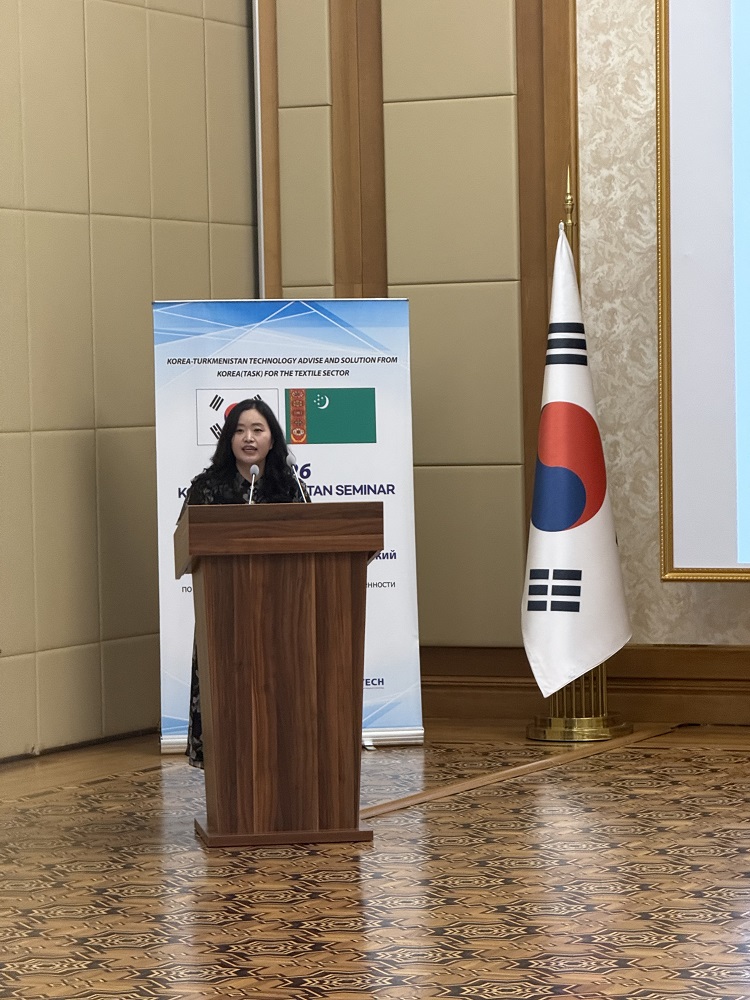
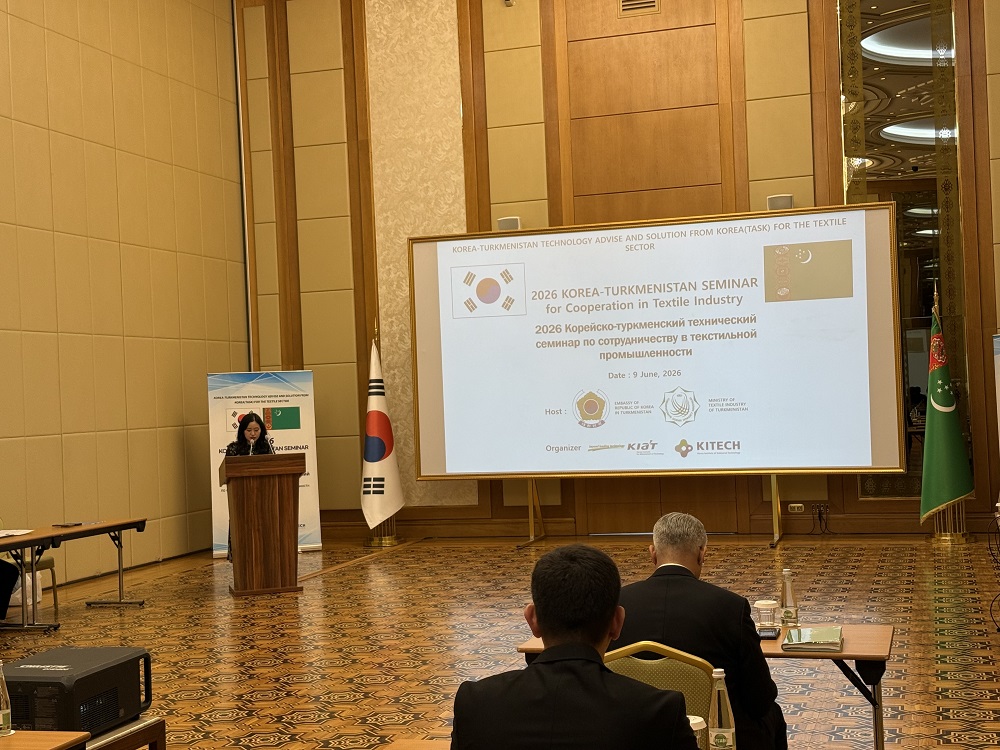
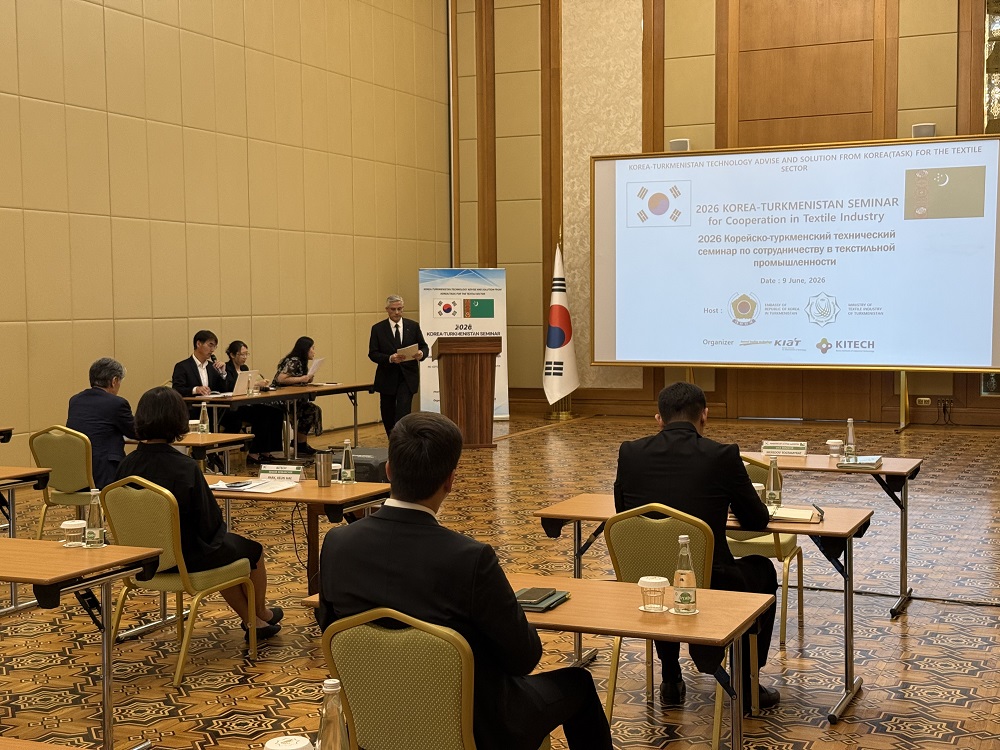
On 9 June 2026, key officials and industry experts gathered for the 2026 Korea-Turkmenistan Technical Seminar for Cooperation in the Textile Industry, an event aimed at merging Turkmenistan’s rich natural resources with South Korea’s advanced technological landscape.
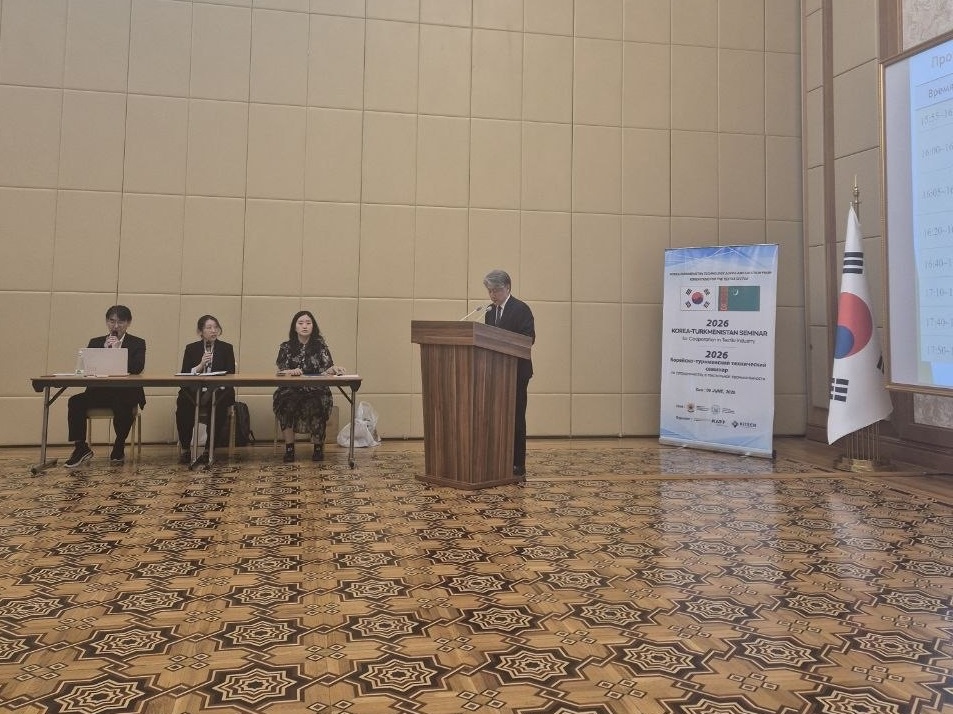
Hosted by the Ministry of Textile Industry of Turkmenistan and organized by the Embassy of the Republic of Korea, the seminar highlighted a growing economic partnership during a landmark year for both nations.
A New Era of Diplomatic and Economic Synergy
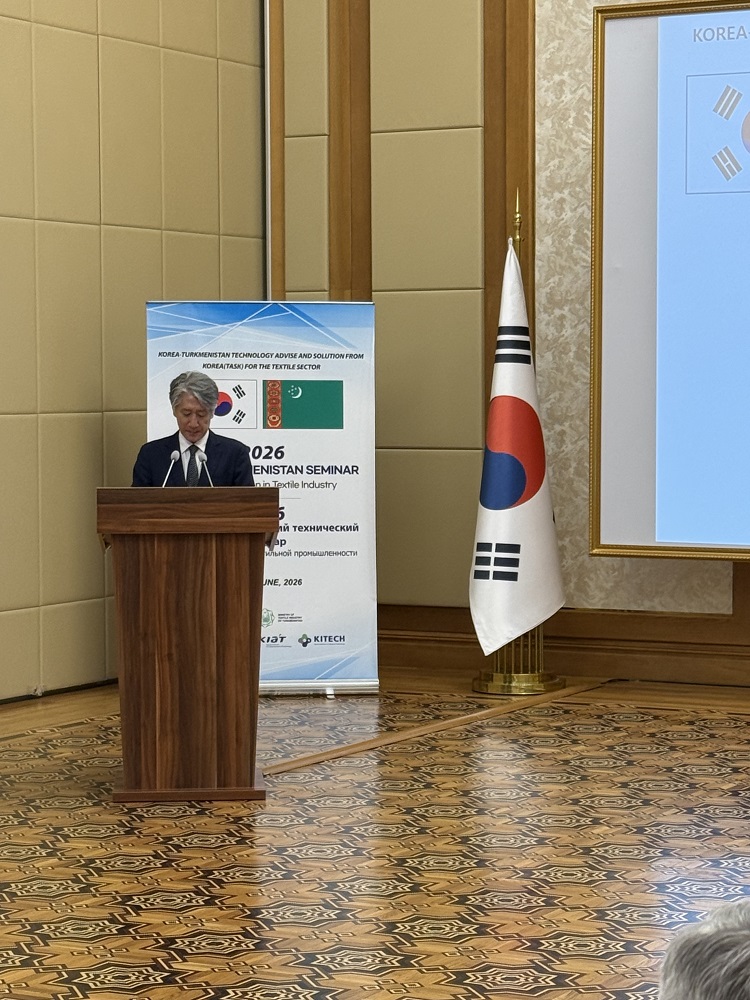
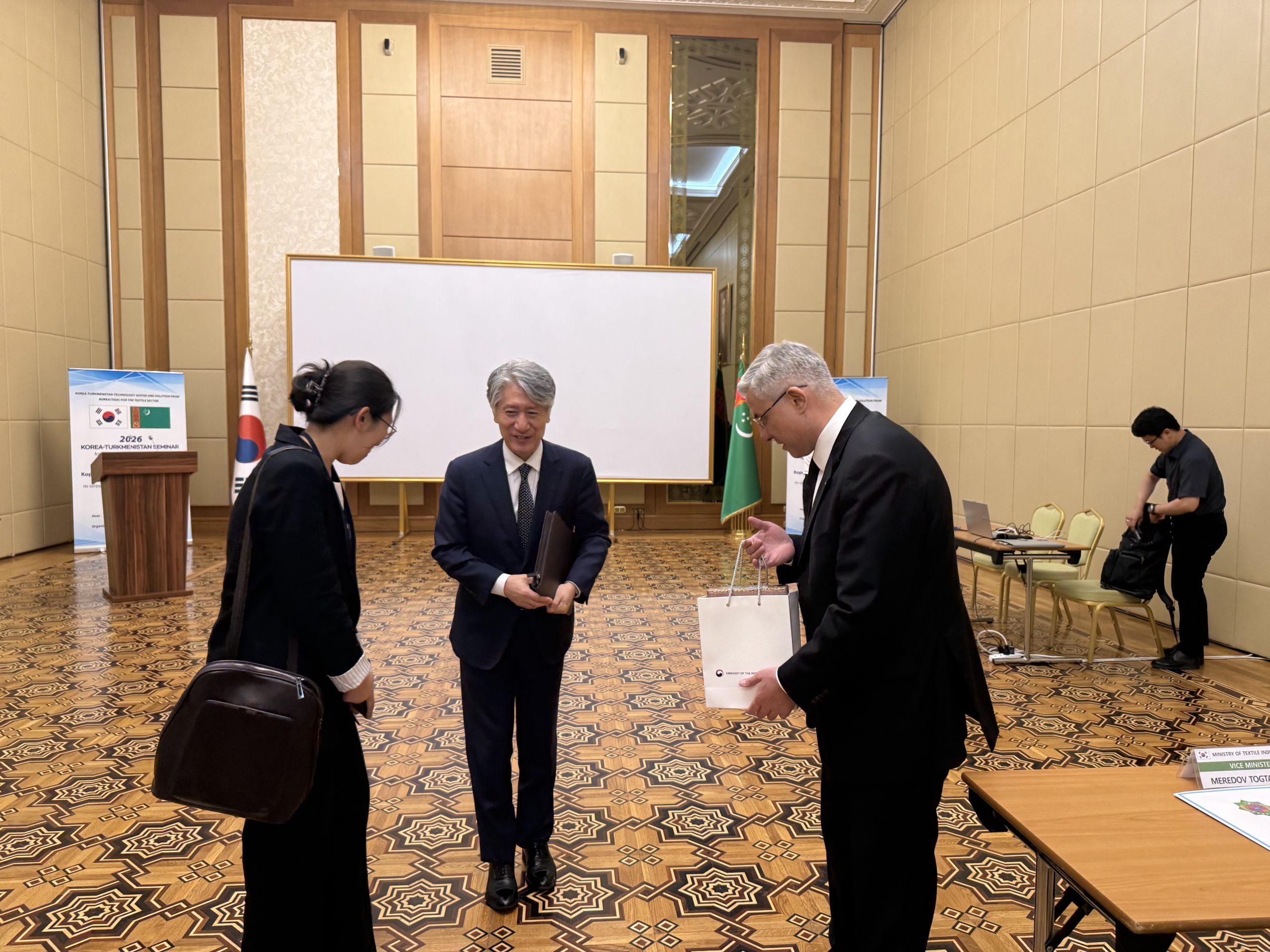
The seminar opened with a welcoming address from Ambassador Lee Wonjae, who noted that the event coincides with the 35th anniversary of Turkmenistan’s independence.
Ambassador Lee emphasized that the bilateral relationship is reaching new heights, underscored by President Serdar Berdimuhamedov’s upcoming visit to Seoul in September for the inaugural “Republic of Korea-Central Asia Summit”. This diplomatic momentum is mirrored in successful industrial projects, such as the mineral fertilizer complex in Turkmenabat and the commissioning of the cargo ship Gadamly earlier this year.

The textile sector has been a focal point of this cooperation since 2009, with the “TASK” project (Consultations on Technologies and Solutions from Korea) actively providing technical support since 2023. Ambassador Lee expressed hope that integrating Turkmenistan’s cotton resources with Korean expertise would contribute to the “revival of the Great Silk Road”.
The Power of “K-Textile” and Global Investment
A centerpiece of the seminar was an introduction to the current state of the Korean textile and fashion industry presented by Dr. Hee Cheol Cha of the Korea Institute of Industrial Technology (KITECH).
According to Dr. Cha, as of 2025, the Korean textile industry saw an investment volume involving 6,249 new companies and $12.9 billion USD.
While Vietnam remains Korea’s largest investment partner, Korea maintains a robust internal ecosystem of textile cluster complexes and government-funded research institutes like KITECH to stay competitive.
Furthermore, the Korea Textile Trade Association (KTTA), which currently boasts approximately 350 member companies, continues to provide essential R&D and international trade support. The industry is also gearing up for the Seoul Premium Textile (SPT) exhibition, scheduled for June 25-26, 2026, which serves as a global business platform for premium materials that have gained recognition at elite international fairs like Première Vision.
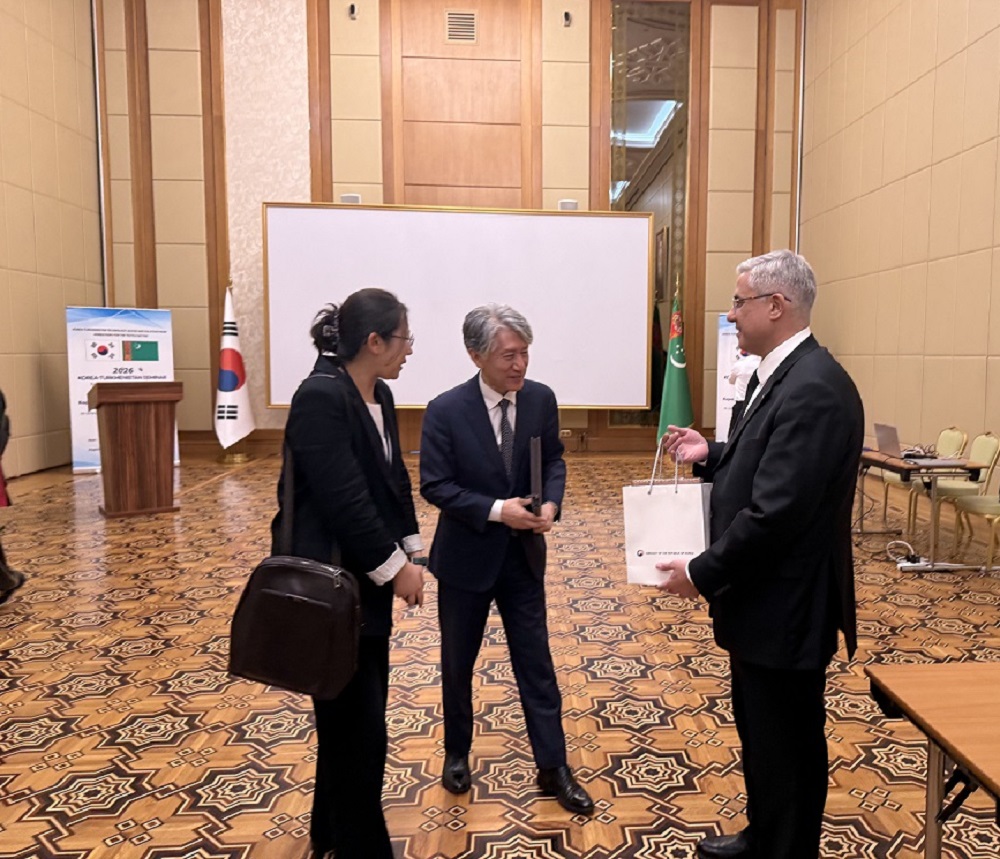
Technical Frontiers: Functional Fabrics and AI-Driven Fashion
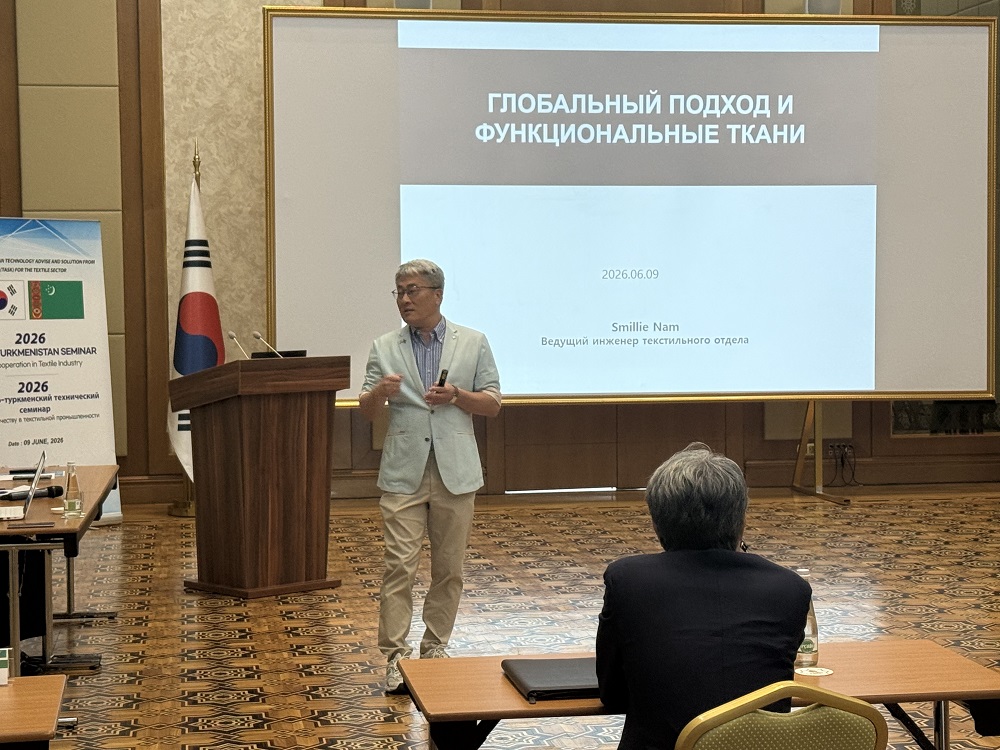
The seminar delved into technical specifics with a presentation on functional fabrics and global sourcing by Nam Seung Il, CEO of SL TECH. Mr. Nam detailed the textile value chain and the critical role of functional treatments—such as UV protection, fast-drying, anti-bacterial, and cooling effects—in creating high-value-added products. He explained that a successful global sourcing strategy must balance quality, production costs, and supply chain speed, often utilizing “triangular” sourcing systems to minimize risk.
Perhaps most futuristic was the presentation by Park Keun Hae of KITECH on the application of Artificial Intelligence (AI) in fashion design.
AI is now being used to integrate design, content creation, and marketing into a single creative system. KITECH demonstrated how AI can be used to develop ethnic-inspired collections that blend Turkmen patterns with 2027 Korean market trends, targeting young consumers with styles like “Gorp-quette”—a mix of outdoor utility and romantic femininity.
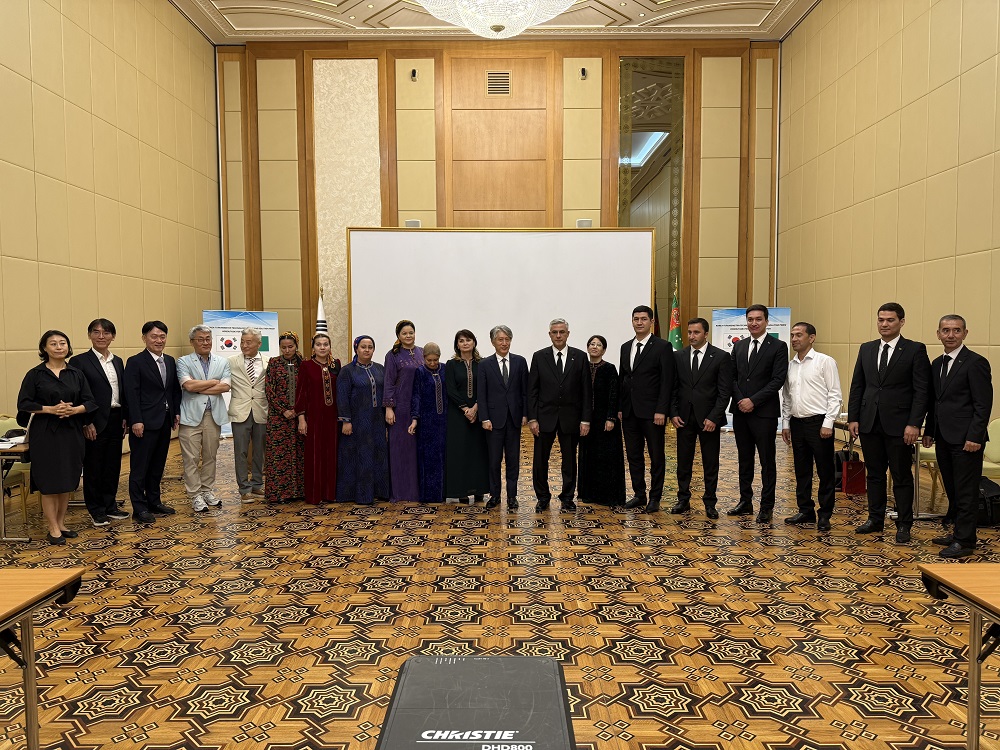
Looking Ahead
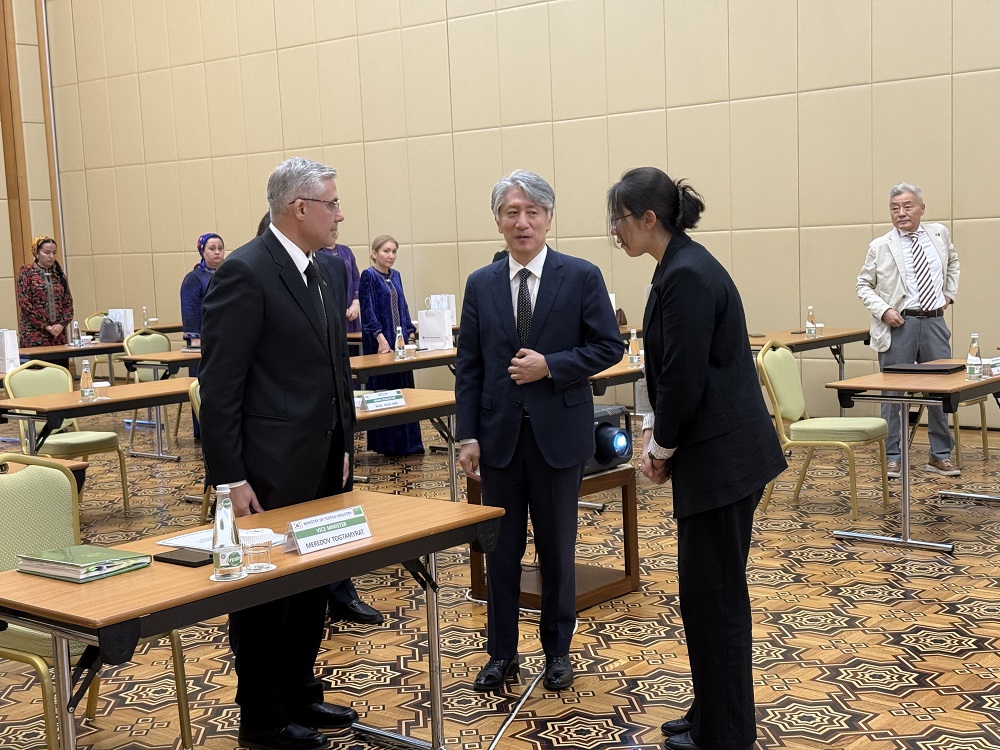
The seminar concluded with a technical support interview session and a commitment to further exchange. By sharing advanced technologies and fostering direct contacts between textile enterprises, both nations aim to elevate their cooperation to a new strategic level, ensuring that the textile industry remains a vital pillar of their economic future alongside the energy sector.
/// nCa, 10 June 2026