


From July 21 to 23, a Turkmen delegation visited South Korea to strengthen cooperation in the water management sector. The visit to Seoul took place at the invitation of Korea’s Ministry of Foreign Affairs and the Ministry of Climate, Energy and Environment, News1.kr reports.
The Turkmen delegation included representatives of the State Committee for Water Resources of Turkmenistan, the Ministry of Foreign Affairs, and the State Research and Design Institute “Turkmensuvylymtaslama.”
This event was a follow-up to the visit of the first public-private cooperation mission in the water sector, which the South Korean government sent to Ashgabat last year.
During the trip, Turkmen specialists visited the K-water (Korea Water Resources Corporation) Integrated Operations Center, the AI-powered smart water treatment plant in Hwaseong, and the Gyeongin Ara Waterway. The guests familiarized themselves in detail with Korea’s experience in implementing digital water management systems.
The visit program also included visits to Korean companies with advanced technologies in canal monitoring and water treatment. During these meetings, the parties discussed opportunities for future technical partnership.
On Thursday, 23 July, the Korean government held the “Korea–Central Asia Water Industry Cooperation Multilateral Roundtable and Seminar,” attended by representatives from five Central Asian countries.
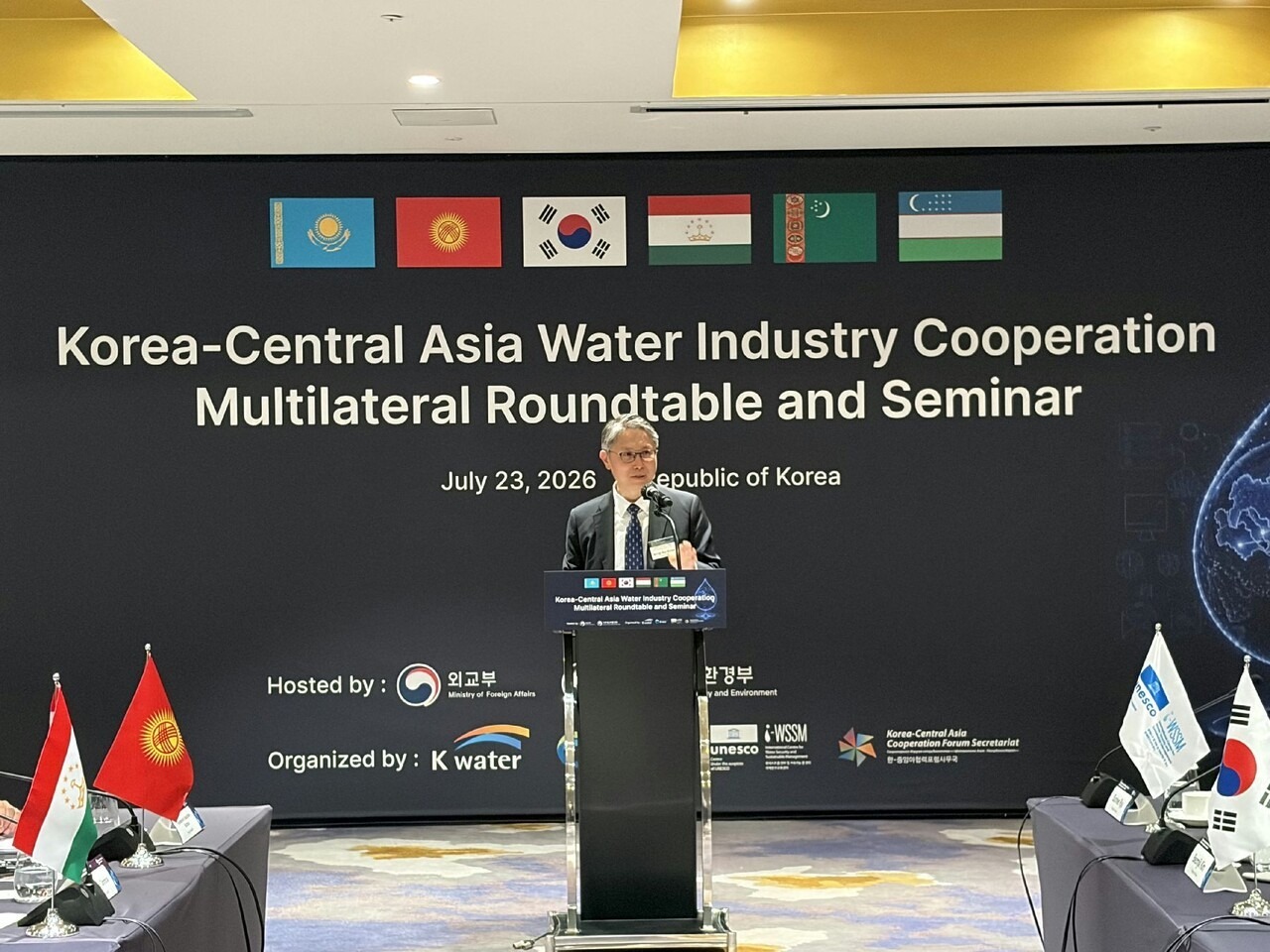
Forum participants exchanged experience on shaping water policy, discussed pressing water-use issues, and developed joint approaches to sustainable resource management amid climate change. During a business roundtable, representatives of Korean companies and government agencies from Central Asian countries reviewed specific investment and technology projects.
Kwong Jong Ho, Ambassador for Climate Change at Korea’s Ministry of Foreign Affairs, said in his opening remarks at the multilateral meeting that cooperation aimed at exchanging experience in water policy and water management between countries, as well as seeking joint solutions, is more important than ever. He expressed hope that the current discussions would lead to meaningful outcomes that would further deepen cooperation at the upcoming Korea–Central Asia Summit in September.
Kim Ho Eun, head of the Water Use Policy Division at the Ministry of Climate, Energy and Environment, said that accumulated cooperation experience with Central Asian countries is already producing concrete results — in particular, through the supply of high-quality Korean equipment and the development of infrastructure.
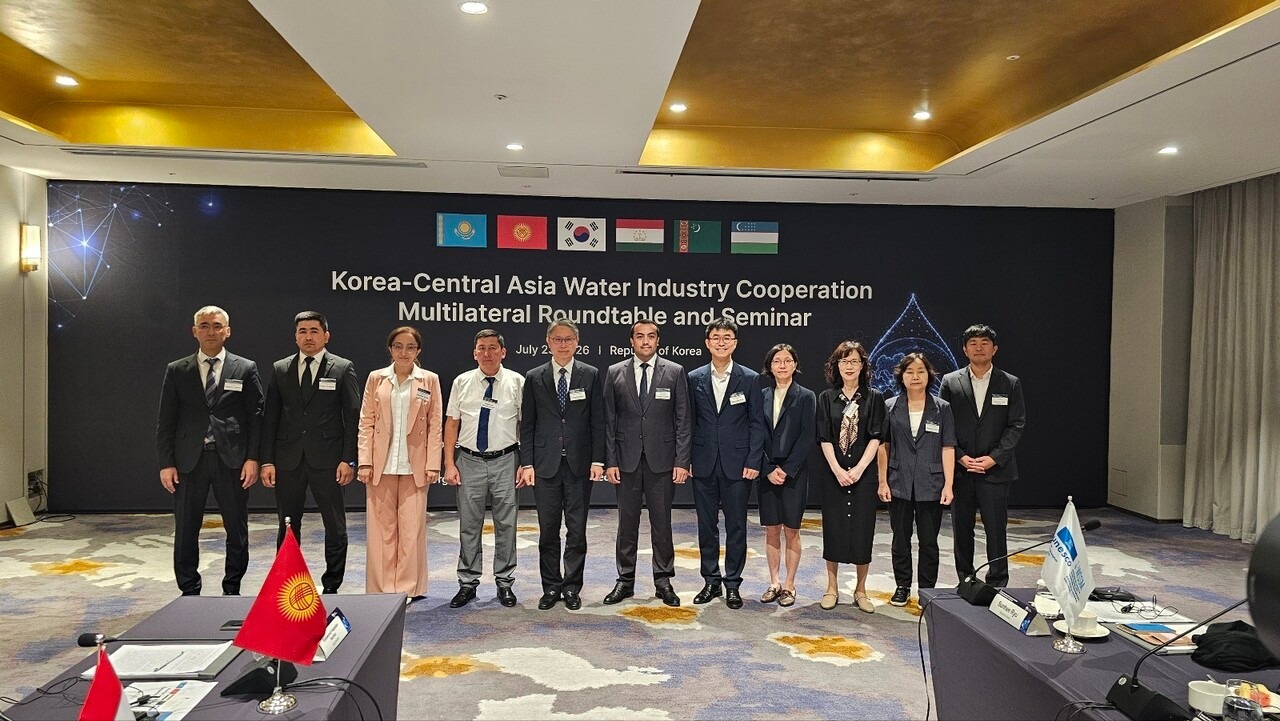
At the conclusion of the meeting, Korea’s Ministry of Foreign Affairs and the Ministry of Climate, Energy and Environment confirmed their intention to continue promoting the entry of Korean technologies into international markets and to systematically develop new practical cooperation projects. ///nCa, 24 July 2026