


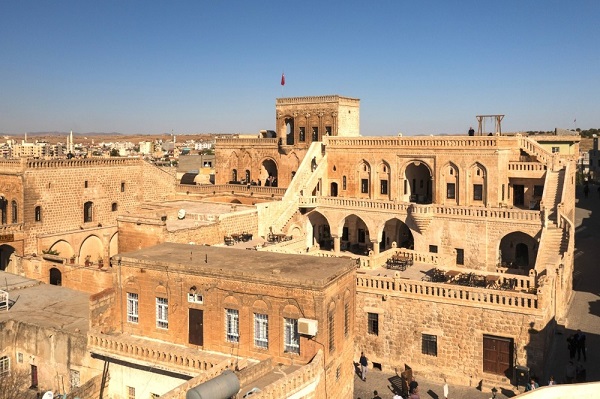
Türkiye has long been a hub for major national and international art and cultural events. İstanbul, one of the world’s most visited cities, stands at the forefront. Antalya, known as the country’s tourism capital, as well as İzmir and the capital Ankara, are also key cultural centres of the country. In recent years, however, the spotlight has begun to shift. Events taking place across different cities in all seven regions of the country are drawing increasing attention and adding new depth to Türkiye’s cultural scene. Among the latest highlights is the Mardin Biennial, set to take place from 15 May to 21 June 2026.
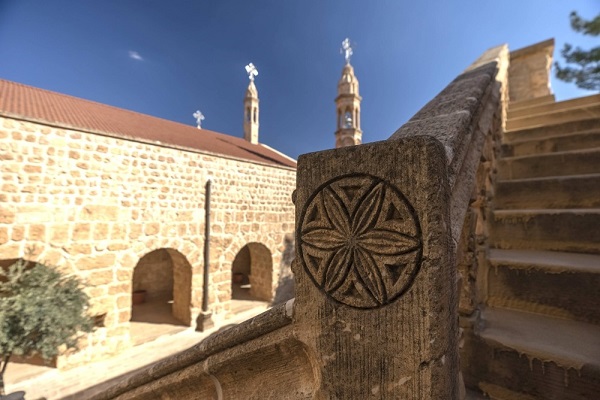
The Mardin Biennial, a member of the International Biennial Association (IBA), was launched in 2010 to transform the southeastern Anatolian gem of Mardin into one of the centres of contemporary art, while introducing new perspectives and contributions to the region through the language of art. Having provided a meeting ground for artists and art enthusiasts over the past years, the 7th edition once again brings together more than 40 artists from around 20 countries.
The Mardin Biennial offers a unique opportunity to engage with thought-provoking works across artistic disciplines, while experiencing the rich cultural atmosphere of the historic city of Mardin.
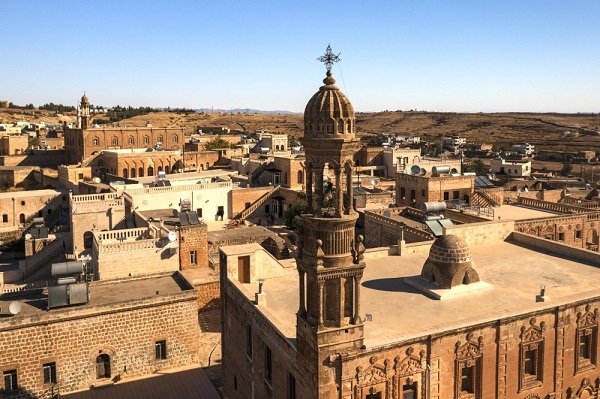
From Sky to Stone Architecture
Curated by Çelenk Bafra, who has served as curator and director of numerous exhibitions and art programmes in Türkiye and in Germany, UK, Denmark, The Netherlands, Italy and France across Europe, the 7th Mardin Biennial meets audiences this year under the theme of “GÖKzemin” (SKYground). The event invites visitors on a journey between seemingly contrasting poles, such as sky and ground, individual and collective, past and future, tracing a line of thought and emotion between them. In addition to artworks, the biennial programme features artist-led workshops, readings, talks, and music performances.
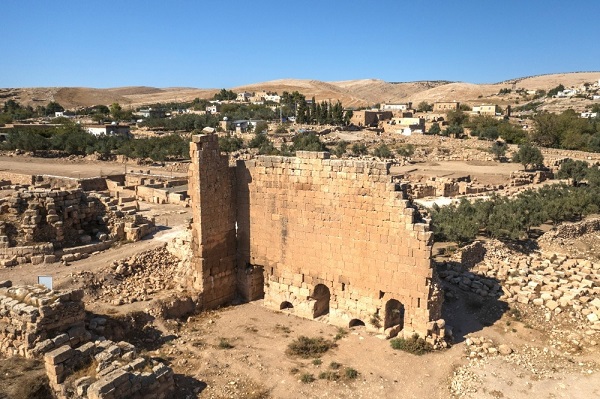
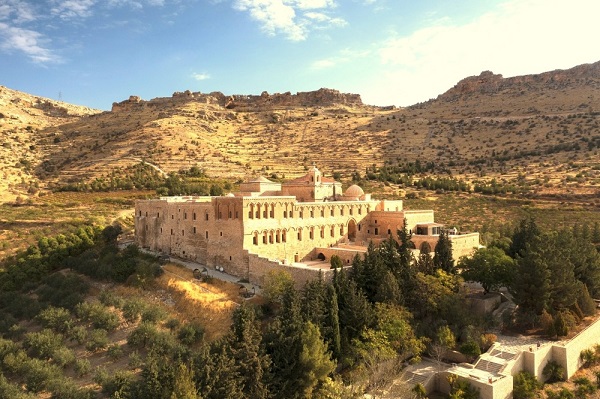
The 2026 edition also expands beyond the old city this time, spreading across a diverse range of locations throughout the region. Focusing on the multilayered cultural fabric of Mardin, the biennial’s venues include Dara Ancient City, Deyrulzafaran Monastery, and Ateş Beyler Hammam, as well as the Sakıp Sabancı Mardin City Museum in Old Mardin and various public spaces.
Mardin: Where History, Culture and Taste Meet
Mardin, a historic crossroads of civilisations and trade routes, is one of the hidden gems of Southeastern Anatolia. Often described as an open-air museum, the city reflects the multilayered heritage of Upper Mesopotamia, with architecture shaped by dozens of cultures over thousands of years. Among its most-visited landmarks are the Grand Mosque of Mardin, Deyrulzafaran Monastery, Mor Behnam Church, Zinciriye Madrasa, and Kasımiye Madrasa. Nearby, Mor Gabriel Monastery in Mardin’s Midyat and Dara Ancient City—often hailed as the “Ephesus of Mesopotamia”—offers further insight into the region’s rich cultural heritage.
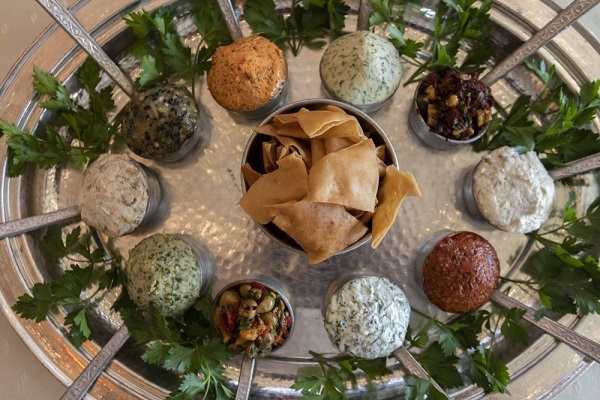
This cultural and historical mosaic is reflected not only in its architecture but also in its cuisine. From traditional Mardin breakfast to flavourful meat dishes enriched with local spices and specialities with geographical indications—such as “sembusek” (a type of meat-stuffed pastry) and Mardin “içli köfte” (a bulgur-coated dish stuffed with ground beef, known as “ikbebet” when boiled and “irok” when fried)—the city offers a rich culinary experience. Syriac wine is also an excellent pairing with these dishes.
- How to go: You can reach Mardin by direct flights from İstanbul, Ankara, İzmir and Antalya. A flight from İstanbul to Mardin takes two hours. Rental cars, buses and taxis are available from Mardin Airport to the city centre.
- Where to stay: Mardin offers a range of accommodation options, from chain hotels to pensions. For a more authentic stay, choose a restored historic house in the Old City.
- What to see: In addition to popular landmarks of the city, you should also see Mardin’s abbaras (vaulted passageways weaving through streets and alleys), which play a key role in the urban layout.
- What to taste: After your meals, try the robust local “dibek” coffee, a symbol of local hospitality.
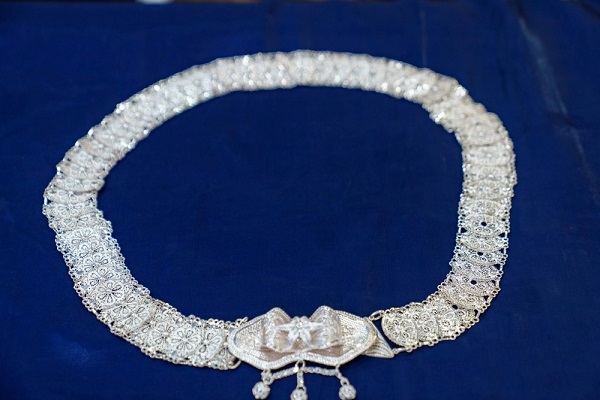
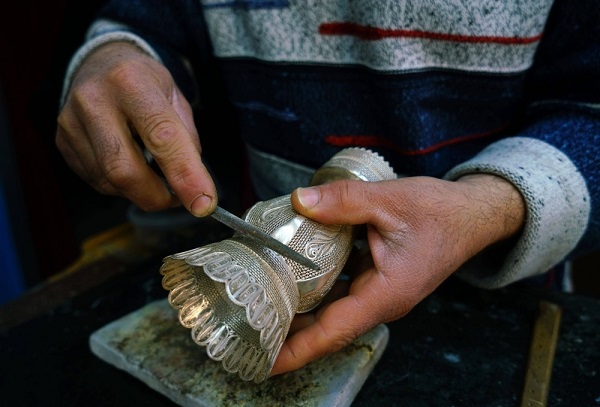
- What to buy: In addition to Mardin’s blue almond candies—colored with natural dyes derived from Lahor trees—other must-buy souvenirs include filigree (telkari), prayer beads (tesbih), Syriac wine, and traditional Mardin “bıttım” soap.
///nCa, 1 June 2026 (in cooperation with the Embassy of Türkiye to Turkmenistan)