


Central Asia is entering a new phase of energy development. Growing demand across Asia, increasing attention to energy security, the transition toward lower-emission technologies and the need for diversified supply routes are reshaping regional priorities. Against this backdrop, Turkmenistan is steadily strengthening its role as one of the region’s key energy partners.
Rather than relying solely on its vast natural gas resources, Turkmenistan has pursued a long-term strategy focused on infrastructure development, export diversification, technological modernisation and international cooperation. Recent developments demonstrate that this strategy is entering a new stage of implementation.
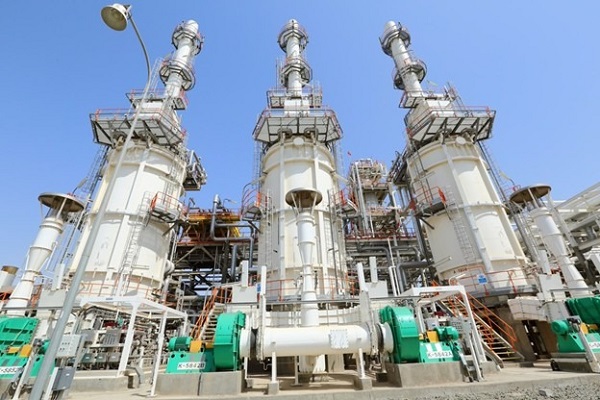
The continued development of the Galkynysh Gas Field remains central to this vision. As one of the world’s largest gas fields, Galkynysh represents not only a major production asset but also a foundation for future industrial growth, gas processing and long-term export expansion.
At the same time, offshore development in the Turkmen sector of the Caspian Sea is creating new opportunities for international investors, engineering companies and technology providers. Recent agreements involving PETRONAS and new seismic programmes indicate growing confidence in the long-term potential of Turkmenistan’s offshore resources.
Regional connectivity remains another strategic priority. The Turkmenistan–Afghanistan–Pakistan–India (TAPI) Gas Pipeline continues to move forward and has the potential to become one of the most significant energy infrastructure projects connecting Central and South Asia. Beyond natural gas supplies, the project is expected to stimulate trade, industrial development and economic cooperation across the region.
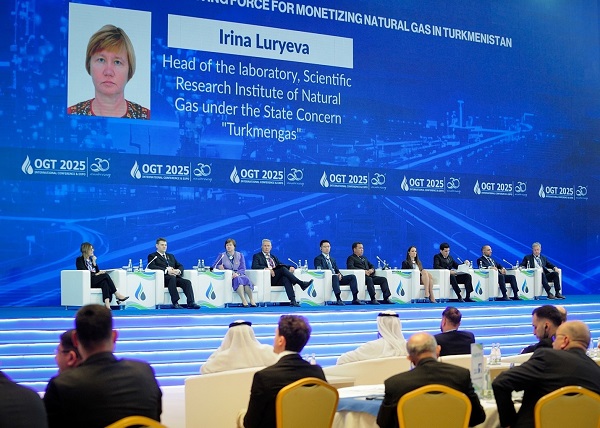
International partnerships continue to play a defining role in Turkmenistan’s energy policy. Long-standing cooperation with China has entered its third decade, while Malaysia remains one of the country’s most important strategic partners through PETRONAS. These relationships demonstrate that international companies continue to view Turkmenistan as a reliable long-term partner for major energy investments.
Equally significant is the country’s growing emphasis on advanced technologies. Digital transformation, artificial intelligence, methane emissions reduction and modern engineering solutions are becoming increasingly important components of Turkmenistan’s energy agenda, reflecting broader trends shaping the global industry.
These priorities will form the basis of discussions during the 31st International Conference and Exhibition Oil & Gas of Turkmenistan (OGT 2026), which will take place in Ashgabat from 21–23 October 2026. The event is expected to bring together government leaders, international energy companies, investors, engineering organisations and technology providers to discuss the next phase of regional energy cooperation.
As Central Asia’s energy landscape continues to evolve, Turkmenistan’s combination of resource potential, infrastructure investment, stable international partnerships and long-term strategic planning positions the country as an increasingly influential contributor to regional energy security and economic development. ///nCa, 6 July 2026 (the article was provided by the OGT 2026 Organizers)