


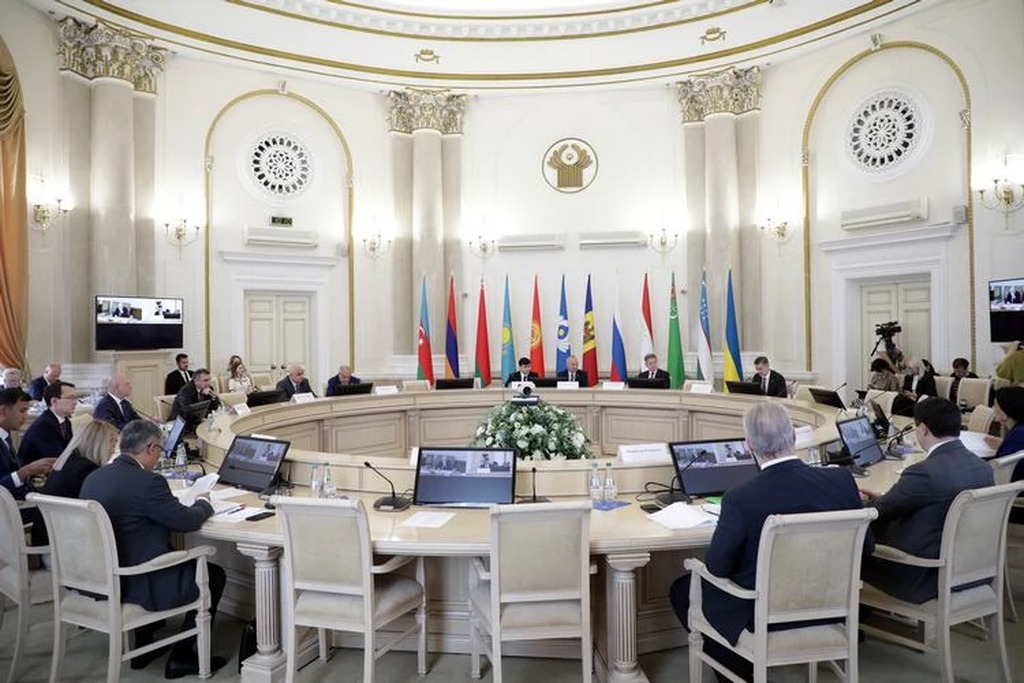
The Council of Permanent Plenipotentiary Representatives of the Commonwealth of Independent States (CIS) convened in Minsk on 28 July to review preparations for upcoming CIS high-level meetings in Turkmenistan, assess the country’s chairmanship of the organization, and discuss new initiatives in digital transformation and regional cooperation.
According to the CIS Executive Committee, participants approved draft agendas for the meetings of the CIS Council of Foreign Ministers and the CIS Council of Heads of State, scheduled to take place in Turkmenistan on 7 and 9 October, respectively.
Turkmenistan reviews progress of its CIS chairmanship
Nazarguly Shaguliyev, Turkmenistan’s Permanent Representative to the CIS and current Chairman of the Council of Permanent Representatives, presented a report on the implementation of Turkmenistan’s CIS Chairmanship Concept and Action Plan during the first half of 2026.
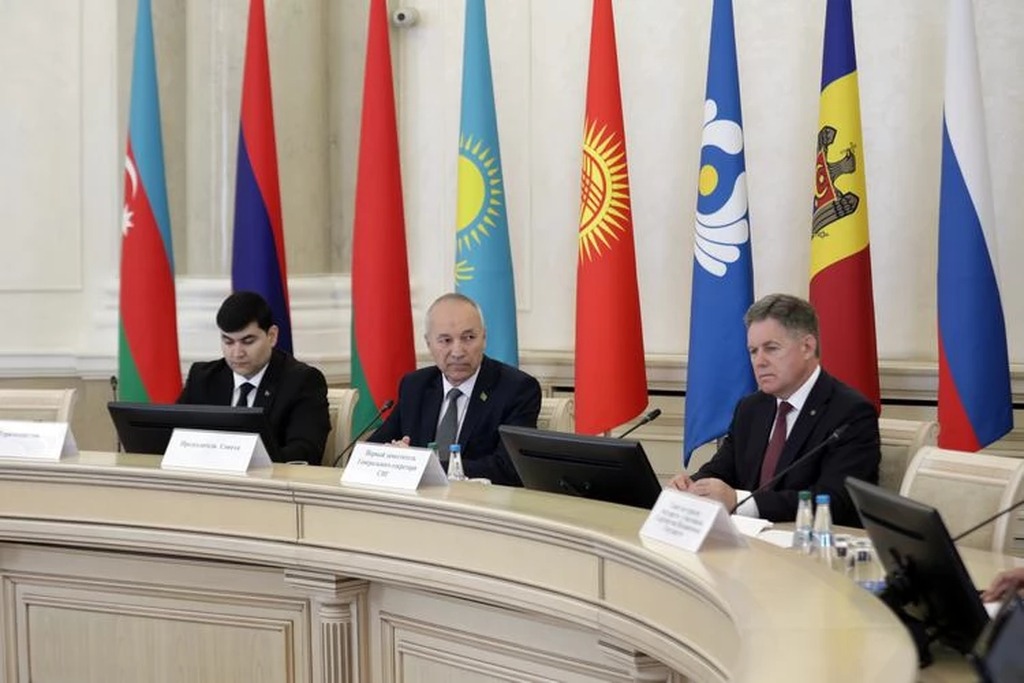
He noted that a series of major events had already been held under Turkmenistan’s chairmanship, including the meeting of the CIS Council of Heads of Government in Ashgabat on 22 May, the Council of Foreign Ministers meeting in Moscow on 17 April, as well as sessions of the CIS Economic Council, the Commission on Economic Issues, and the Council of Permanent Representatives.
Shaguliyev highlighted that the May meeting in Ashgabat resulted in the adoption of several long-term strategic documents, including the CIS Exhibition and Congress Activity Strategy through 2030, the Concept for Digital Transformation of the Mining and Metallurgical Industry together with its implementation plan, the Concept for Integrating Major Transport Corridors across CIS member states, and the Interstate Migration Programme for 2027–2030.
He said the implementation of Turkmenistan’s chairmanship programme was progressing systematically across all areas of cooperation with the active participation of CIS member states, the CIS Executive Committee, and other CIS bodies.
Health, tourism and humanitarian cooperation
The Council also reviewed progress in implementing a roadmap for initiatives proposed by heads of delegations at previous CIS summits and discussed Belarus’ strategic initiative, “The CIS: A Common Space for Health and Sustainable Development”, covering the period from 2026 to 2035.
Another item on the agenda was the work of the CIS Tourism Council during 2022–2025. Kirill Masharsky, Director of Belarus’ National Tourism Agency and the country’s representative to the Council, presented plans to introduce the first CIS Tourism Capital designation.
The Belarusian city of Lida has been nominated for the title, reflecting its cultural and architectural heritage, historical character, and tourism potential.
Masharsky noted that tourism across the CIS has been growing at a rate two to three times higher than the global average. Domestic travel and tourism between CIS member states remain the fastest-growing segments, supported by direct air connections and relatively affordable travel costs.
Digital transformation remains a priority
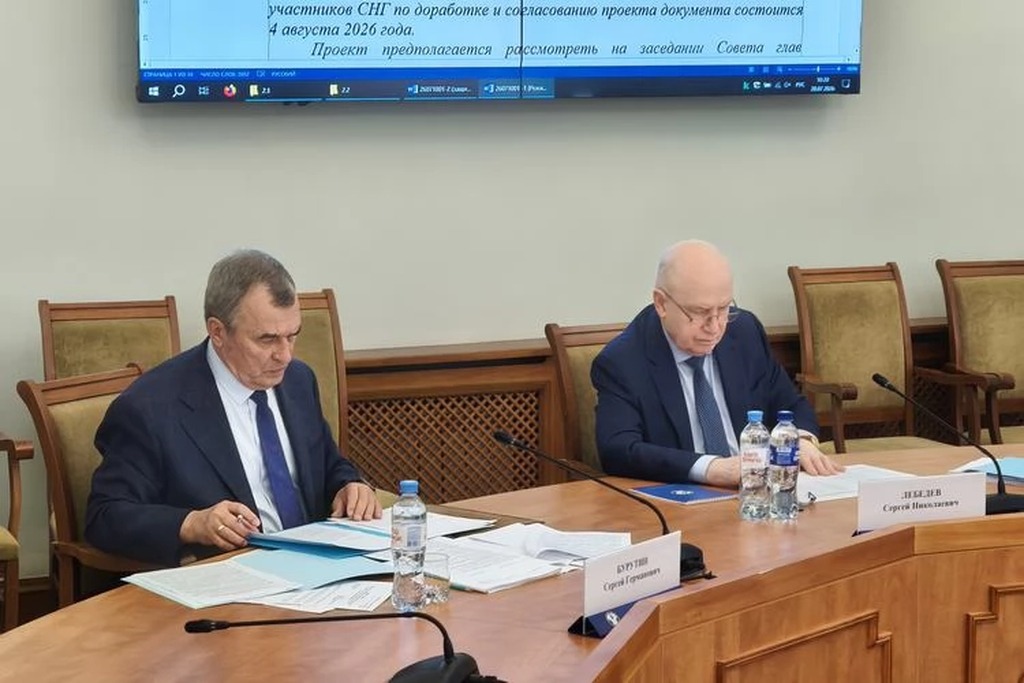
The meeting also focused on cooperation in digitalization and information and communication technologies (ICT).
Alexey Borodin, Director General and Head of the Executive Committee of the Regional Commonwealth in the Field of Communications, outlined several priority areas for future cooperation, including artificial intelligence, quantum communications, the metaverse, the Internet of Things (IoT), and the Industrial Internet of Things (IIoT).
He also stressed the importance of expanding e-government services, e-commerce, telemedicine, distance learning, cybersecurity, and measures to prevent the criminal misuse of digital technologies.
Additional priorities include improving access to low-Earth-orbit satellite communication systems, establishing an alliance of IT parks and startups, and introducing effective mechanisms for cross-border digital signatures. ///nCa, 28 July 2026