


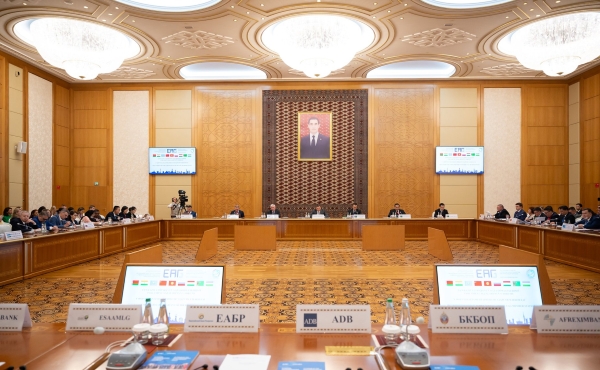
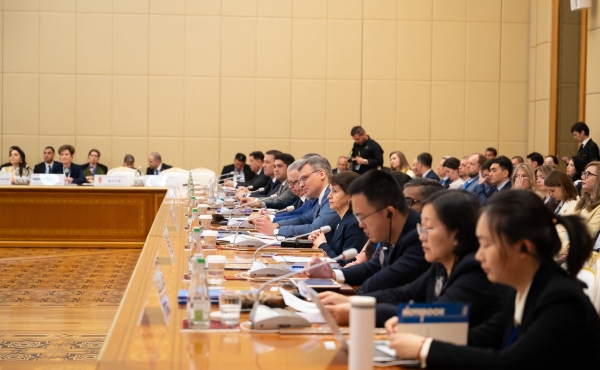
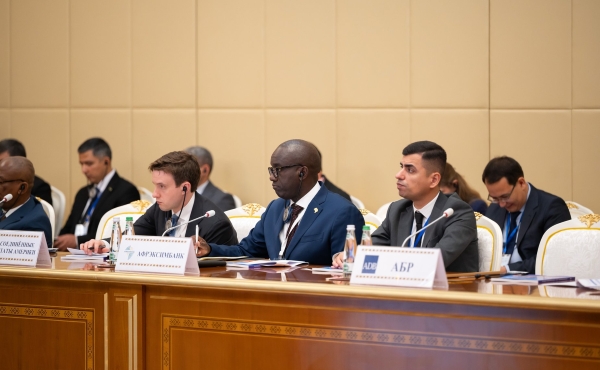
On the sidelines of the 44th Plenary Week of the Eurasian Group on Combating Money Laundering and Financing of Terrorism (EAG) in Ashgabat, Turkmenistan, the 5th Forum of Parliamentarians of the organization’s member states was held. The attention of regional legislators and experts focused on combating financial crimes committed through the use of the latest digital technologies.
The EAG, an essential link in the global network of the FATF (Financial Action Task Force), brings together nine states: Belarus, China, India, Kazakhstan, Kyrgyzstan, Russia, Tajikistan, Turkmenistan, and Uzbekistan. Observer status has been granted to 17 countries and 27 international organizations. The primary objective of this interstate organization is to develop unified approaches to regulating financial markets and effectively block channels for shadow capital.
Global Technologies at the Service of Crime
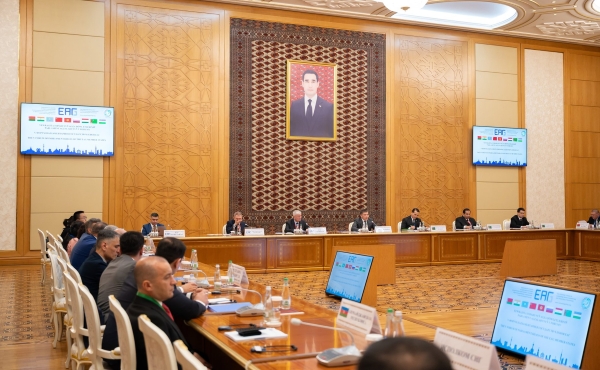
The event was chaired by Nikolai Zhuravlev, Deputy Chairman of the Federation Council of the Russian Federation. Opening the discussion, he drew particular attention to the transnational nature of modern financial crimes and called for strengthening interstate cooperation at all levels—from lawmaking to law enforcement.
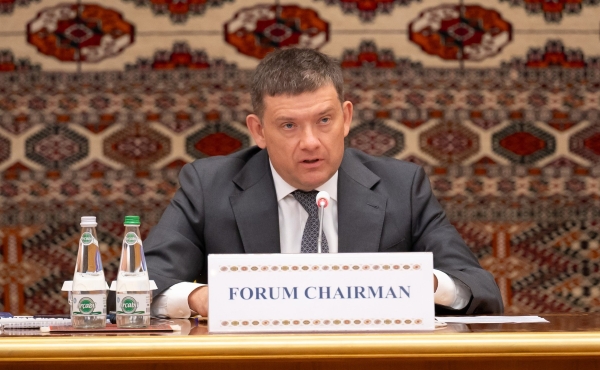
“Cyberfraud has become one of the most widespread and devastating forms of illegal activity, generating significant volumes of illicit income by deceiving people worldwide. On the one hand, new technologies increase economic efficiency and expand financial inclusion. On the one hand, they significantly increase the scale, speed, and complexity of fraudulent schemes. Under these conditions, successfully countering modern challenges requires international solidarity among legislators,” Nikolai Zhuravlev emphasized.
Yury Chikhanchin, Chairman of the EAG and Director of Rosfinmonitoring, addressed the participants with a welcoming speech. He stated that international criminal centers are aggressively adopting an advanced technological arsenal—ranging from spoofing official phone numbers to utilizing artificial intelligence and social networks to bypass banking anti-fraud and compliance systems. According to him, the EAG fully shares the need to deploy the full potential of anti-money laundering systems for the timely identification and strict suppression of such threats.
Regional Experience and Legislative Initiatives
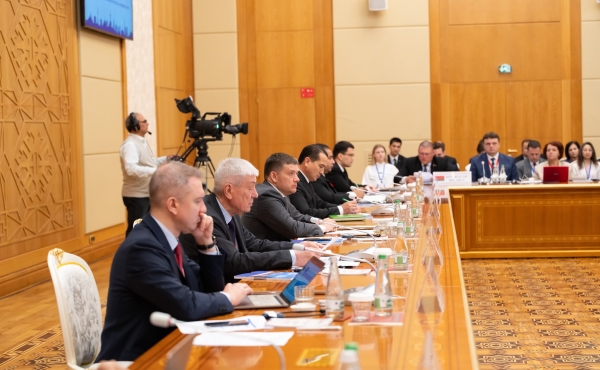
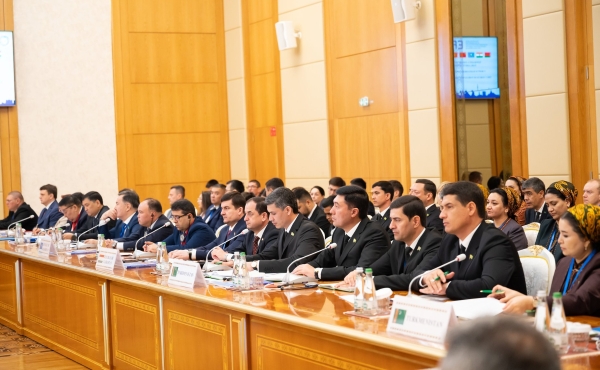
During the sessions, representatives of national delegations shared their established practices in countering digital challenges:
- Belarus presented a multi-layered mechanism for protecting the country’s critical information infrastructure.
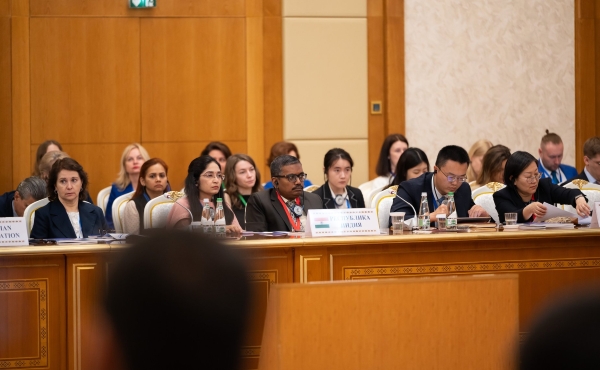
- India presented its experience in implementing a digital personal data protection law, supported by large-scale public awareness campaigns.
- China shared the outcomes of a comprehensive strategy that synchronously integrates strict regulatory frameworks, advanced IT solutions, and educational programs.
- Kazakhstan emphasized the legislative tightening of liability for any violations in the sphere of personal data turnover.
- Tajikistan demonstrated success in establishing channels for rapid data exchange between law enforcement agencies, the financial sector, and telecom operators.
According to the participants’ assessment, a solid legal framework for blocking transactions conducted without the voluntary consent of citizens has already been formed in the EAG countries. However, cross-border interagency cooperation capable of dismantling criminal networks is now becoming the key factor for success.
Outcomes and Declaration: Proactive Lawmaking
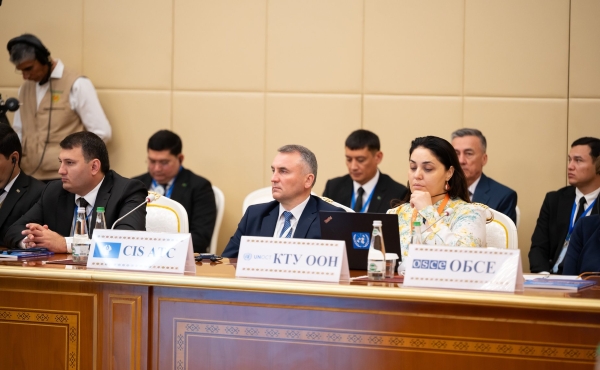
The main result of the meeting was the adoption of the final Declaration. The document underscores the critical importance of utilizing the full AML/CFT toolkit based on international FATF standards.
The legislators agreed that modern legal and regulatory frameworks must act proactively: not merely eliminating the consequences of new challenges in an operational manner, but also creating a secure, flexible legal environment for integrating advanced protective technologies into the legal sector of the economy.
The program of the 44th EAG Plenary Week in Ashgabat continues. In the coming days, key aspects of regional financial security will be thoroughly elaborated during meetings of specialized expert working groups, including the Working Group on Technical Assistance (WGTA), the Working Group on Typologies (WGTYP), and the Working Group on Mutual Evaluations and Legal Issues (WGEL).///nCa, 20 May 2026 (photo credit – Council.gov.ru)