


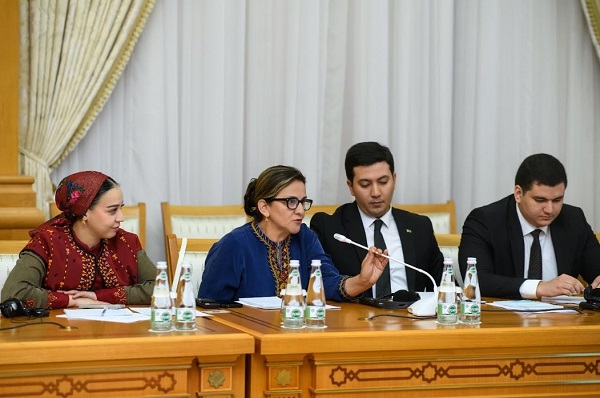
On 11 and 12 May 2026, the International Trade Centre (ITC) held two workshops in Ashgabat on the regulation of digital trade and e-commerce. The events were organized within the framework of the European Union-funded project “Turkmenistan: Enhancing Trade Resilience and Integration.”
The workshops were attended by about 60 representatives from the public and private sectors, including relevant ministries, departments, and the business community. The discussions aimed to present the preliminary results of a targeted assessment of digital trade regulatory readiness in Central Asia and to gather feedback on further recommendations.
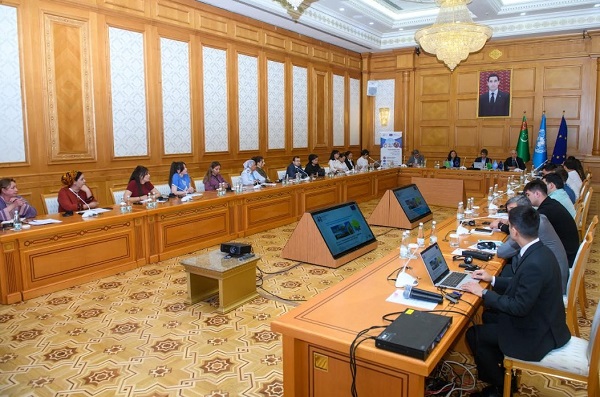
The first workshop, held on 11 May, was conducted for private sector representatives. Participants discussed modern approaches to digital trade regulation, provisions of the draft WTO Agreement on Electronic Commerce, and practical issues affecting the development of e-commerce and the use of digital tools by businesses. Special attention was paid to the role of the private sector in forming practical and balanced recommendations. Business community representatives shared their views on current opportunities and challenges in e-commerce, digital payments, online retail, and accessing new markets through digital channels.
On 12 May, a workshop for public sector representatives was held, focusing on domestic and international e-commerce policies and initiatives. During the sessions, ITC experts presented the results of a pilot digital trade regulatory readiness assessment conducted in five Central Asian countries: Kazakhstan, the Kyrgyz Republic, Tajikistan, Turkmenistan, and Uzbekistan. This assessment represents a pilot application of the targeted DTRRA methodology developed by the ITC to analyze the alignment of national legislation with the provisions of the WTO Agreement on Electronic Commerce, which are regarded as applicable international best practices.
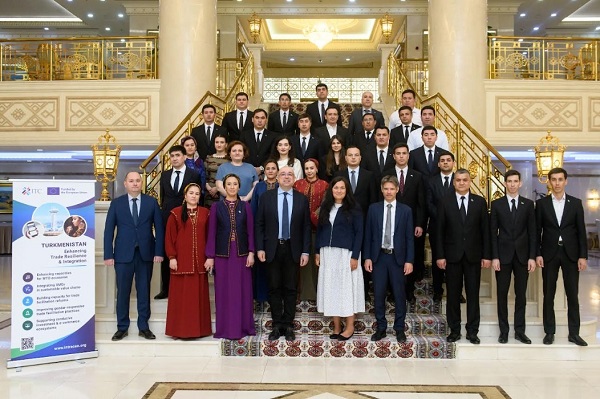
Based on the assessment, specific recommendations were developed for Turkmenistan, which participants discussed during the workshop. Particular emphasis was placed on enhancing and systematizing the public sector’s understanding of modern digital trade regulatory approaches, including its place within the WTO legal system and its impact on international trade. The discussions also facilitated the collection of additional information for the Turkmen component of the study and the gathering of stakeholder feedback on the resulting recommendations. This is crucial for further efforts toward creating a more favorable and modern regulatory environment for digital trade.
These workshops serve as a continuation of the ITC’s technical support for the development of e-commerce and digital trade in Turkmenistan. They also contributed to strengthening the dialogue between the public and private sectors, which is vital for preparing solutions that account for both regulatory requirements and practical business needs.
About the Project “Turkmenistan: Enhancing Trade Resilience and Integration” The European Union-funded project aims to promote economic development and ensure decent work in Turkmenistan by improving the business climate and increasing the competitiveness of SMEs. The project will facilitate Turkmenistan’s participation in regional and global trade, including with the European Union. /// nCa, 14 May 2026