


Эльвира Кадырова и Лилия Жирнова
Празднование в этом году 35-летия независимости Туркменистана естественно побуждает задуматься об экономической трансформации страны, её растущей активности на международной арене и её особой политике постоянного нейтралитета.
Однако не менее важна и другая история, развивавшаяся на протяжении этих трёх с половиной десятилетий: неуклонное расширение возможностей для женщин и девушек.
Как и любое общество, Туркменистан продолжает сталкиваться с вызовами на пути к полному гендерному равенству. Прогресс измеряется не отсутствием препятствий, а готовностью решать их с помощью институтов, законодательства, образования и общественного диалога. Если смотреть с этой точки зрения, путь страны с момента обретения независимости демонстрирует картину постепенного и поступательного движения.
Образование остаётся фундаментом этого прогресса.
На протяжении многих поколений образование занимало почетное место в туркменском обществе. Независимость дала возможность укрепить эту традицию, одновременно расширив доступ к современному образованию, профессиональной подготовке и высшему обучению. Сегодня женщины заметны на всех уровнях образовательной системы — не только в качестве учащихся, но и как преподаватели, исследователи, профессорско-преподавательский состав вузов и руководители.
Этот образовательный фундамент открыл пути в медицину, инженерию, науку, бизнес, государственное управление, дипломатию и информационные технологии.
Сфера здравоохранения развивалась по аналогичной траектории.
Партнёрство между Туркменистаном и международными организациями, в частности Фондом ООН в области народонаселения (ЮНФПА), способствовало укреплению охраны материнского здоровья, репродуктивного здоровья и благополучия семей.
За более чем три десятилетия сотрудничества программы всё больше фокусировались не только на предоставлении медицинских услуг, но и на обеспечении условий, при которых женщины могут принимать информированные решения и пользоваться равными возможностями на протяжении всей жизни.
Одной из заметных черт последних лет стал растущий акцент на разработке политики, основанной на фактических данных.
Завершение первого Национального обследования Туркменистана по вопросам здоровья и статуса женщины создало важную основу для будущей разработки политики, предоставив собранные на национальном уровне данные по вопросам, затрагивающим женщин. Такие данные позволяют правительствам и партнёрам по развитию разрабатывать программы, опираясь на измеримые реалии, а не на предположения. ЮНФПА охарактеризовал это обследование как значительную веху в укреплении реагирования страны на гендерное насилие и в совершенствовании социальных служб.
Законодательное и институциональное развитие продвигалось параллельно с этими инициативами.
Недавно утверждённый Национальный план действий по гендерному равенству на 2026–2030 годы опирается на предыдущую программу на 2021–2025 годы и отражает всё более комплексный подход. Новый план охватывает правовые реформы, укрепление институтов, образование, здравоохранение, участие в экономической жизни и поддержку женщин в сельских общинах, а также содействует привлечению мужчин и мальчиков к продвижению равенства в семьях и обществе.
Преемственность, которую демонстрируют последовательные национальные планы действий, пожалуй, так же важна, как и каждая отдельная программа. Она показывает, что гендерное равенство всё больше рассматривается как долгосрочный компонент национального развития, а не как серия изолированных проектов.
Конструктивную роль на протяжении всего этого процесса играло международное сотрудничество.
ЮНФПА работает с Туркменистаном с первых лет независимости, в то время как другие агентства Организации Объединённых Наций, включая «ООН-женщины» и в целом страновую команду ООН, вносили свой экспертный вклад в самых разных областях — от правовой реформы до сбора данных, работы с молодёжью и женского лидерства. Это партнёрство связало национальные приоритеты с международными обязательствами в рамках Целей устойчивого развития и Конвенции о ликвидации всех форм дискриминации в отношении женщин (КЕДО/CEDAW).
Достигнутый прогресс заметен не только в законодательстве, но и в расширяющемся присутствии женщин во всех сферах общественной жизни.
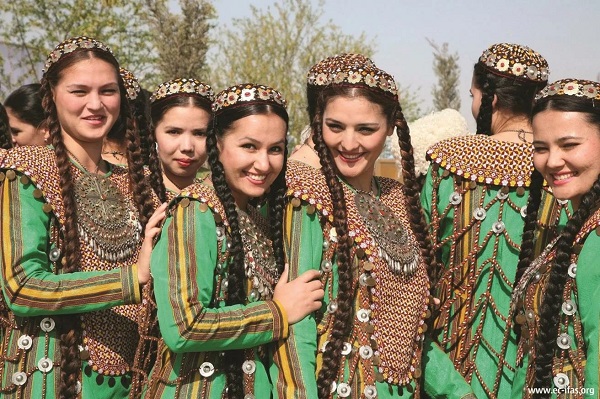
Сегодня женщины вносят вклад в развитие страны в качестве предпринимателей, медицинских работников, педагогов, учёных, инженеров, дипломатов, государственных служащих, спортсменок и деятелей культуры. Их участие символизирует как давние культурные ценности, подчёркивающие важность семьи и образования, так и новые возможности, созданные благодаря диверсификации экономики и институциональным реформам.
Ещё одним важным измерением стало расширение экономических возможностей.
Программы сотрудничества последних лет всё больше фокусируются на расширении участия женщин в экономической жизни, поддержке предпринимательства, укреплении профессиональных навыков и содействии равным возможностям при трудоустройстве. Гендерное равенство теперь обсуждается не просто как социальная цель, но и как экономический ресурс — с пониманием того, что инклюзивный рост приносит пользу всей стране.
Одной из наиболее обнадёживающих тенденций стало растущее внимание к изменению социальных норм через диалог, а не через противостояние.
Недавние инициативы в Туркменистане, поддержанные ООН, включали программы по привлечению отцов, молодых людей, спортивных организаций и лидеров местных общин к дискуссиям о совместных семейных обязанностях, уважительных отношениях и равных возможностях. Такие инициативы исходят из того, что устойчивый прогресс зависит от участия всего общества.
Спустя тридцать пять лет после обретения независимости историю женщин Туркменистана лучше всего воспринимать не как завершённую главу, а как процесс постоянного развития.
Каждое новое поколение унаследовало более широкие горизонты, чем предыдущее. Девочки, идущие сегодня в школу, могут вполне реально планировать карьеру в областях, которые всего несколько десятилетий назад были гораздо менее распространены.
Значение этого юбилея заключается не только в праздновании достижений, но и в осознании направления движения.
В конечном счёте государства оцениваются по тем возможностям, которые они создают для своих граждан. Одним из менее громких, но важнейших достижений Туркменистана стало постепенное укрепление среды, в которой всё больше женщин получают возможность учиться, строить карьеру, вносить вклад в развитие общества и реализовывать свои мечты.
Это путь, заслуживающий признания, — это история, следующие главы которой пишутся прямо сейчас. /// nCa, 23 июля 2026 г.