


Elvira Kadyrova, Bishkek
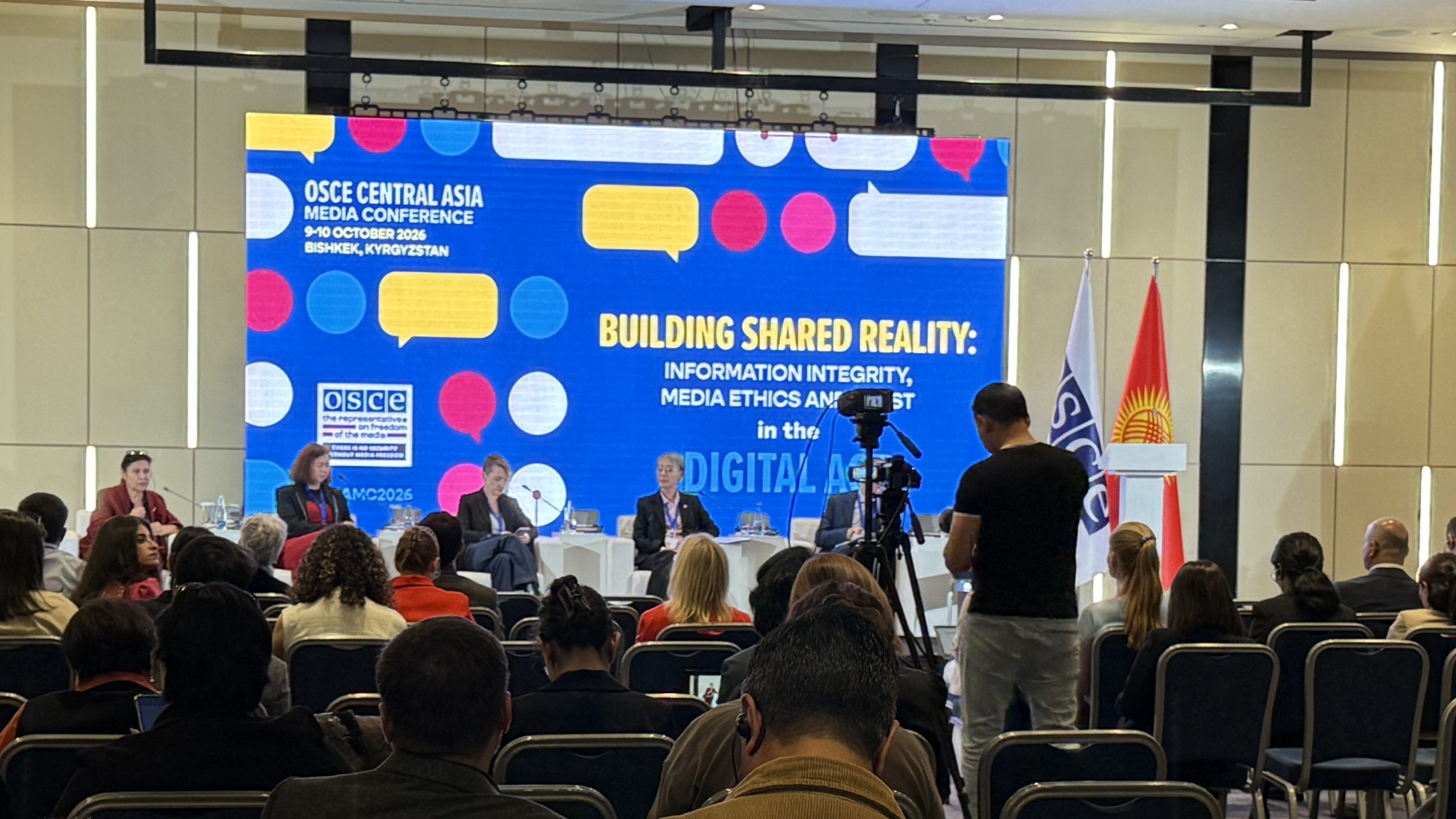
How can journalists be prepared to work in a rapidly changing digital environment, uphold professional standards and make journalism an attractive career for young professionals? These questions ran through discussions during a session on the second day of the Central Asia Media Conference in Bishkek, organised by the Office of the OSCE Representative on Freedom of the Media. The session focused on journalism education and professional competencies.
Participants discussed how universities can better prepare future journalists for the demands of today’s media market, develop their skills in navigating information flows and making ethical decisions, and strengthen cooperation between academia and media professionals.
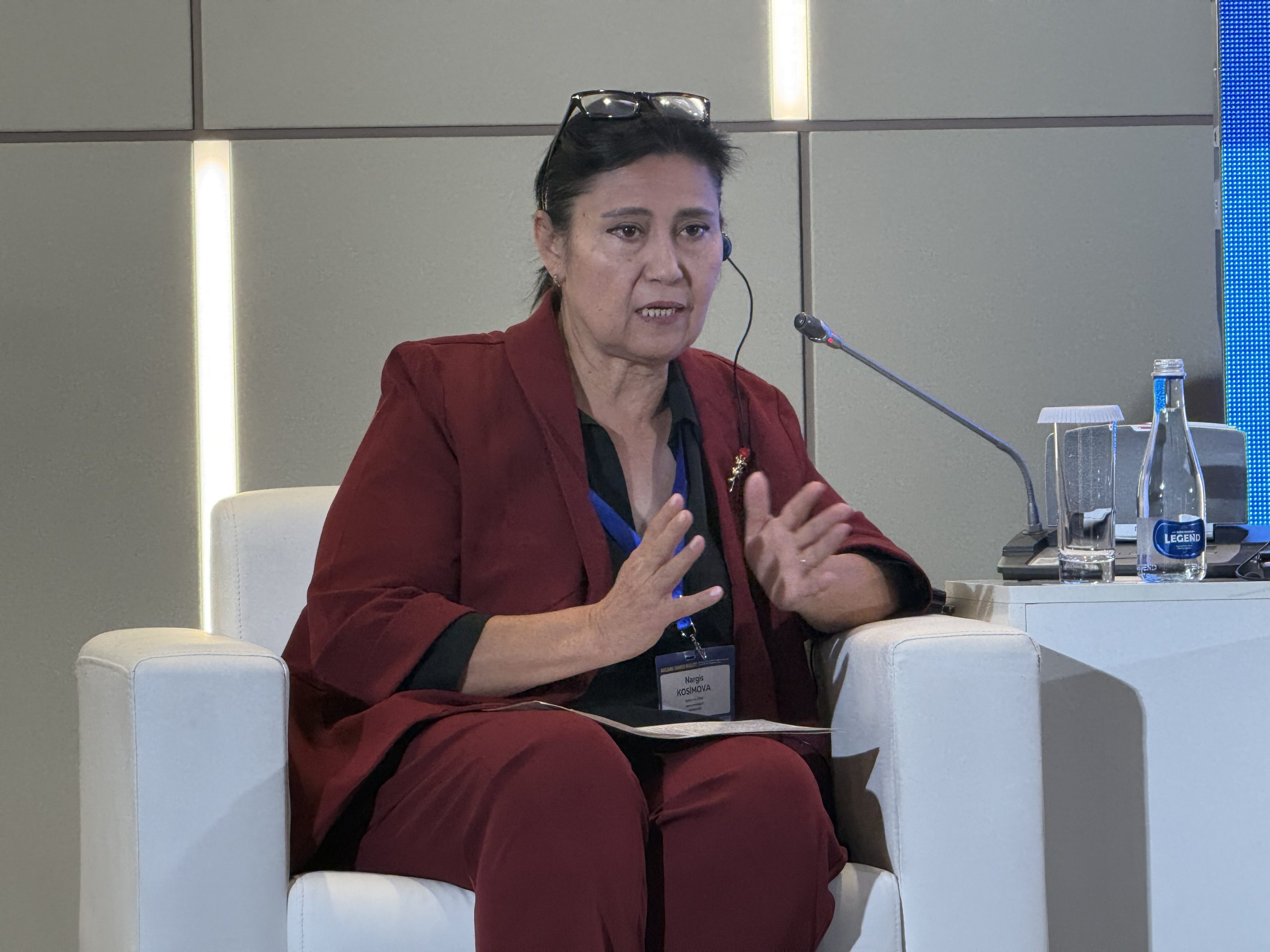
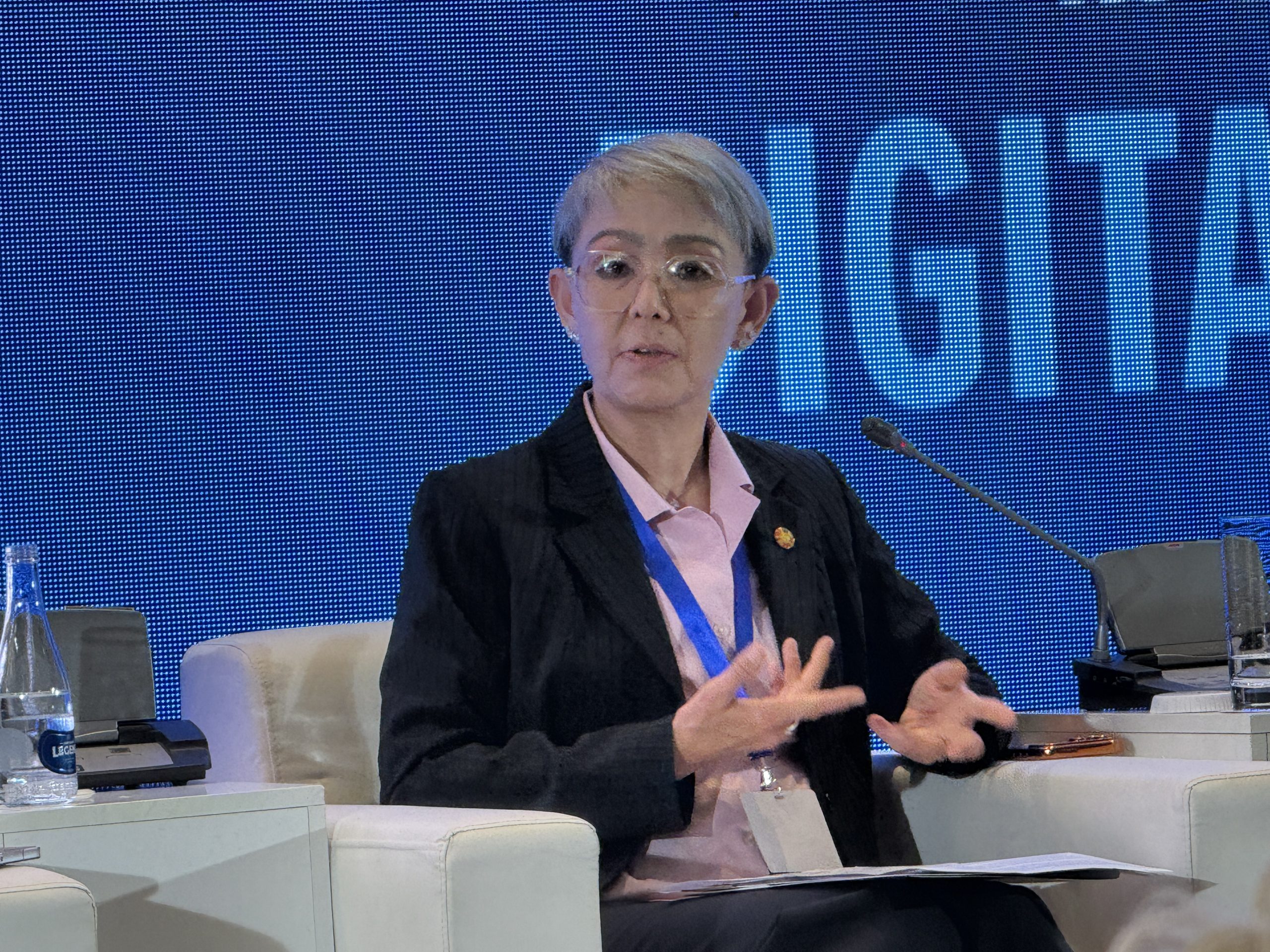
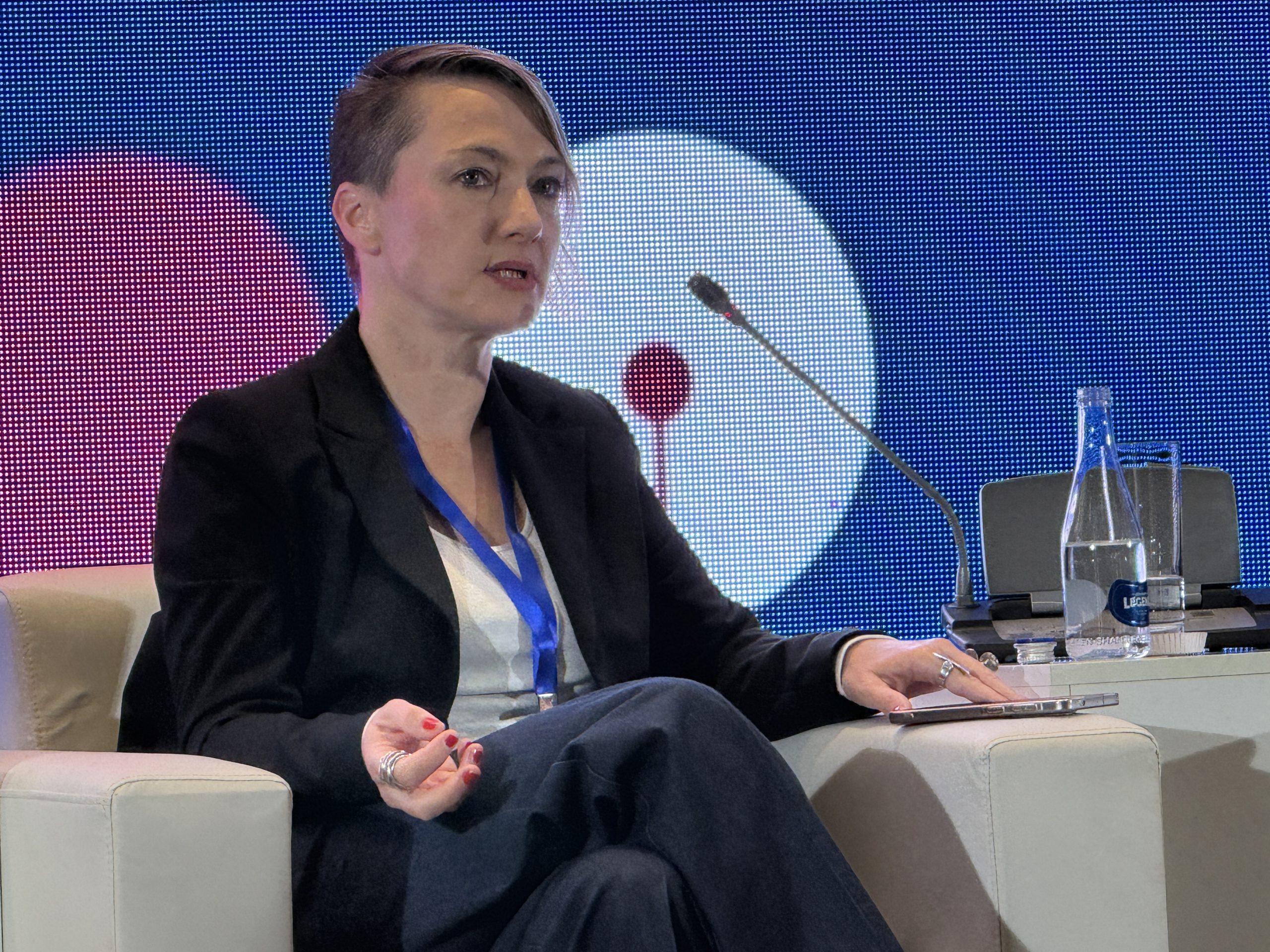
The session brought together four experts: Aleksandra Krstić, Professor and Vice Dean for Research and International Cooperation at the Faculty of Political Sciences, University of Belgrade, Serbia; Jyldyz Kuvatova, Associate Professor in the Department of Journalism and Mass Communication at the American University of Central Asia, Kyrgyzstan; Maral Aitmagambetova, PhD, from the Department of Journalism at Toraighyrov University, Kazakhstan; and Nargis Kosimova, Doctor of Philological Sciences, Professor and Editor-in-Chief of ekolog.uz, Uzbekistan.
Bridging the gap between university classrooms and newsrooms
One of the key points of the discussion was that journalism cannot be mastered in the classroom alone. Theoretical knowledge is essential, but an understanding of the profession, its complexities and its responsibilities comes primarily through practical experience.
The session offered an insight into the challenges of educating and mentoring young journalists. In many cases, university-level media training relies on mentorship from practicing journalists who combine work in newsrooms with academic teaching.
At the American University of Central Asia (AUCA), project-based learning was highlighted as a promising approach. By combining theoretical instruction with the analysis of real-life cases, it allows students to explore the complexities of the profession through practical examples drawn from journalism.
The experience of the University of Belgrade illustrated how universities can fill gaps in their curricula by bringing in outside experts. For example, when economic journalism is not included in the core curriculum, the university invites editors and journalists from the economic sections of Serbian media outlets to share their specialist knowledge with students through extracurricular sessions.
Toraighyrov University in Kazakhstan offers another practical model. Students receive assignments during lectures and then carry them out in media organisations. This creates a kind of newsroom laboratory, where students work in real-world conditions and learn to meet the demands of daily news production.
All these examples reflect a common goal: to bring journalism education closer to professional practice so that graduates are prepared not only to complete academic assignments but also to work in real newsrooms.
Artificial Intelligence as a Supporting Tool, Not a Replacement for Journalists
Another pressing issue discussed at the session was the use of artificial intelligence in journalism education and media work.
Participants noted that AI can be useful for transcribing interviews, brainstorming and generating questions. However, using such tools does not absolve journalists of responsibility for their content. Information generated or processed with AI must be checked, and facts independently verified.
At the same time, adapting journalism education to technological change should not mean adding a new course every time another technology emerges. Participants recommended building curricula around core professional competencies, including fact-checking, ethical judgement, multimedia reporting, audience engagement and the responsible use of technology.
Journalism programmes should also reflect the actual needs of the media market and adapt to the working realities of newsrooms.
Why Young Professionals Are Leaving Journalism
The session also addressed a deeper concern: whether journalism graduates are willing to build their careers in the profession they once chose to study.
According to participants, some senior-year students who already have experience working in the media do not plan to pursue careers in traditional journalism. One of the reasons cited was financial insecurity and relatively low pay.
Related fields, including social media management, advertising and public relations (PR), can offer more attractive working conditions. As a result, journalism risks losing young professionals who have already acquired specialist education and practical experience.
The media landscape is also being reshaped by declining trust in the media, the growing influence of social platforms and artificial intelligence, and the rise of social media influencers.
Against this backdrop, a question arises: is a specialized journalism degree still necessary in a world where almost anyone with a smartphone can create and distribute content?
Yet participants emphasized that the ability to find and verify facts, make ethically sound decisions and understand the public significance of one’s work remains a defining feature of professional journalism.
Leading by Example and Serving the Public Interest
In the closing discussion, participants emphasised the importance of educators leading by example. Journalism lecturers who remain actively engaged with the profession, embrace new tools and continually update their skills are better placed to inspire students to do the same. By staying curious, adapting to change and practising what they teach, educators can help prepare a new generation of journalists to meet the challenges of a rapidly evolving media landscape.
The discussion also highlighted journalism’s broader purpose. Despite technological change and the pressures facing the media, journalism remains a public good because its mission is to serve the public interest.
Whether powered by artificial intelligence or traditional media, online or offline, journalism retains its unique power to shape public perceptions and drive societal progress. The pressing challenges facing the profession do not diminish its intrinsic public value.
The discussion concluded with a compelling call to action for aspiring journalists: to embrace change, stay one step ahead of the curve, and ensure that their work makes a lasting, meaningful contribution to the advancement of society. ///nCa, 10 October 2026