


Elvira Kadyrova, Bishkek
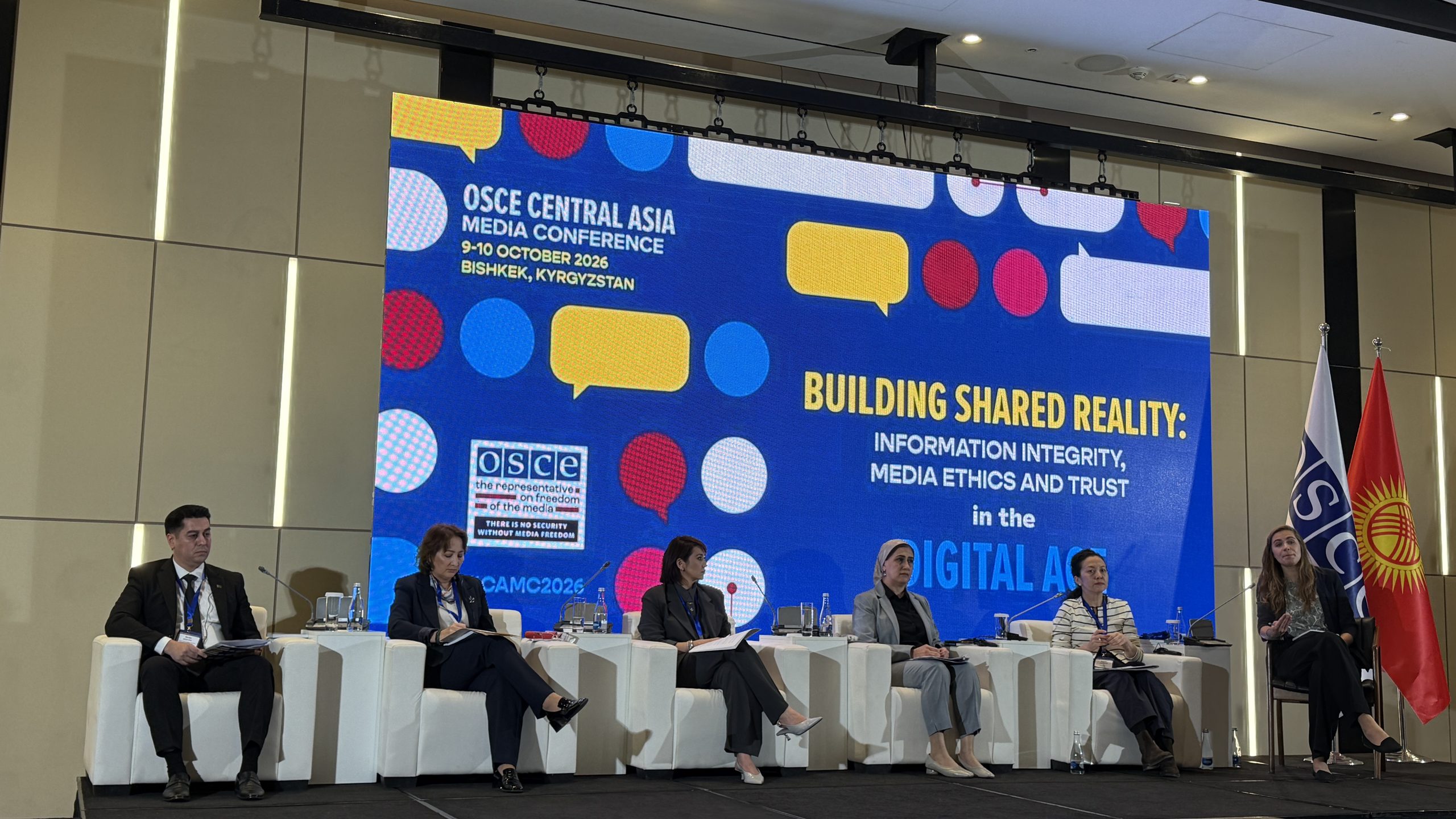
Turkmenistan sees the study of international experience as an important step towards developing a national approach to strengthening media resilience and regulating digital platforms as the media landscape evolves. This was one of the key takeaways from a speech by Serdar Agayev, Head of the Department for the Organization of Court Activities at the Supreme Court of Turkmenistan, at the 26th Central Asia Media Conference, organized by the Office of the OSCE Representative on Freedom of the Media in Bishkek on 9–10 October 2026.
Turkmenistan representative took part in a session examining the impact of digital platforms on the work of news outlets, including account suspensions, restrictions on content distribution and other risks arising from journalism’s dependence on social media.
Agayev noted that Central Asia’s information landscape is undergoing a transformation that affects not only how information is disseminated, but also the economic and legal foundations of journalism.
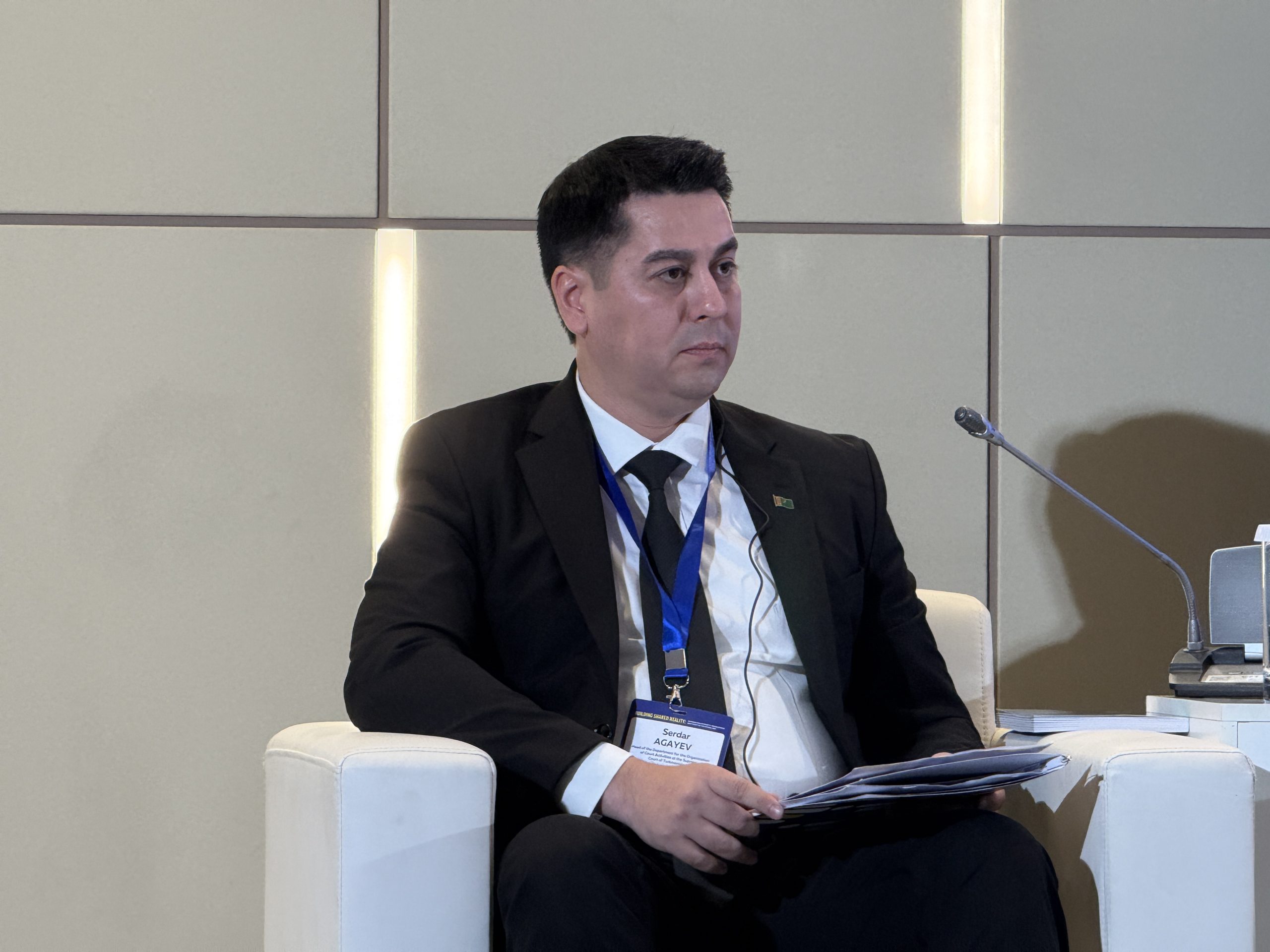
According to Agayev, Turkmenistan is currently moving forward with the digitalization of its media environment, the development of digital infrastructure and the formulation of approaches to artificial intelligence. Relevant government agencies are working on a national AI concept intended to help shape policy and decision-making in this field.
Agayev identified three areas requiring particular attention: the financial sustainability of media outlets, the regulation of digital platforms and security in the digital environment.
In his assessment, digitalization has not yet fundamentally altered the traditional media business model in Turkmenistan. Traditional media outlets continue to rely primarily on state support while maintaining a focus on locally produced content.
At the same time, the development of the digital environment raises a broader question: what economic models can ensure the long-term sustainability of digital journalism as the ways in which information is distributed and consumed continue to change?
On platform regulation, Agayev observed that direct engagement between national media outlets and global platforms remains limited, while approaches to regulating platform content moderation are still taking shape. Against this backdrop, he said, Turkmenistan has a particular need to pursue a gradual approach that involves examining, understanding and adapting advanced international models of platform regulation.
He also highlighted digital security as a separate area of concern. Drawing on the experience of neighboring countries and other states around the world, Turkmenistan recognizes that today’s digital environment presents a range of serious challenges, including cyberattacks, the risk of confidential data leaks, the hacking of professional accounts and new forms of digital abuse, such as cyberbullying and deepfakes.
Agayev stressed the importance of gathering data and building a comparative evidence base to help identify solutions best suited to the national context.
Kyrgyzstan: Platform Dependence Influences Editorial Policy
Begaim Usenova, Director of Kyrgyzstan’s Media Policy Institute, presented findings from a study examining how independent media outlets interact with digital platforms.

She said that social networks and video-sharing platforms have become the main channels through which many newsrooms reach their audiences. However, dependence on a particular platform creates risks not only for content distribution but also for the financial sustainability of media organizations.
According to the findings presented, 80% of the independent media outlets surveyed in Kyrgyzstan believe their visibility depends on a key digital platform, while 75% fear having their accounts blocked. Half of the respondents said they proactively adapt or restrict the content they publish in an attempt to anticipate which material platform algorithms will promote and which they will limit.
Usenova also drew attention to the financial consequences of platform restrictions. Declining audience reach can lead to the loss of advertisers and falling revenues. The issue is particularly significant in Kyrgyzstan, where the advertising market is relatively small and a substantial share of advertising revenue is being redirected to digital platforms.
Tajikistan: Lack of Data Makes It Difficult to Assess the Scale of the Problem
Shakhlo Akobirova, Director of the NGO Khoma, presented the findings of a national audit examining the impact of digital platforms and artificial intelligence on Tajikistan’s media sector.
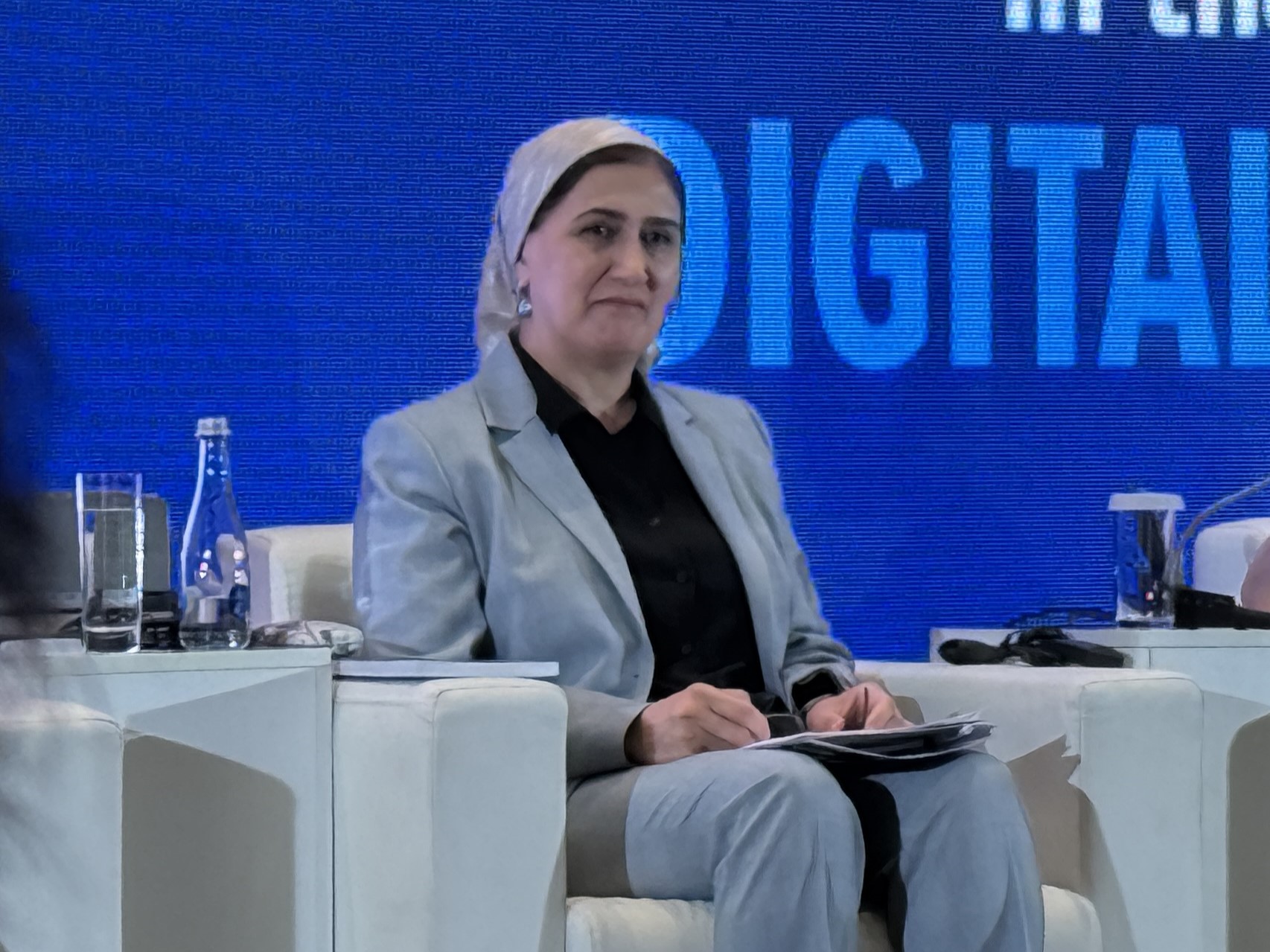
She noted that, given the country’s large rural population and mountainous terrain, the internet has become a crucial channel for reaching audiences. For independent newsrooms, Facebook, Instagram and Telegram are particularly important in a market where advertising opportunities remain limited.
This raises a fundamental question: who determines which media outlets are visible? Global platforms decide what appears in users’ feeds, what content is recommended, how widely a story reaches its audience and whether it can be monetized. Their algorithms prioritize engagement, meaning that fact-based journalism often struggles to compete with sensational content.
At the same time, there is still insufficient systematic data on how frequently platforms remove journalistic content, restrict its reach or prevent newsrooms from monetizing their work. Information on how content in the Tajik language is moderated is also lacking.
“Before regulating a problem, we need to learn how to measure it,” Akobirova said.
Uzbekistan: Account Blocks, Monetization and Opaque Moderation
Madina Tursunova, a media lawyer from Uzbekistan, said digital platforms had become the country’s primary channel for news consumption, while Telegram had evolved into a digital ecosystem of its own, bringing together media outlets, government agencies, bloggers and other players in the information space.
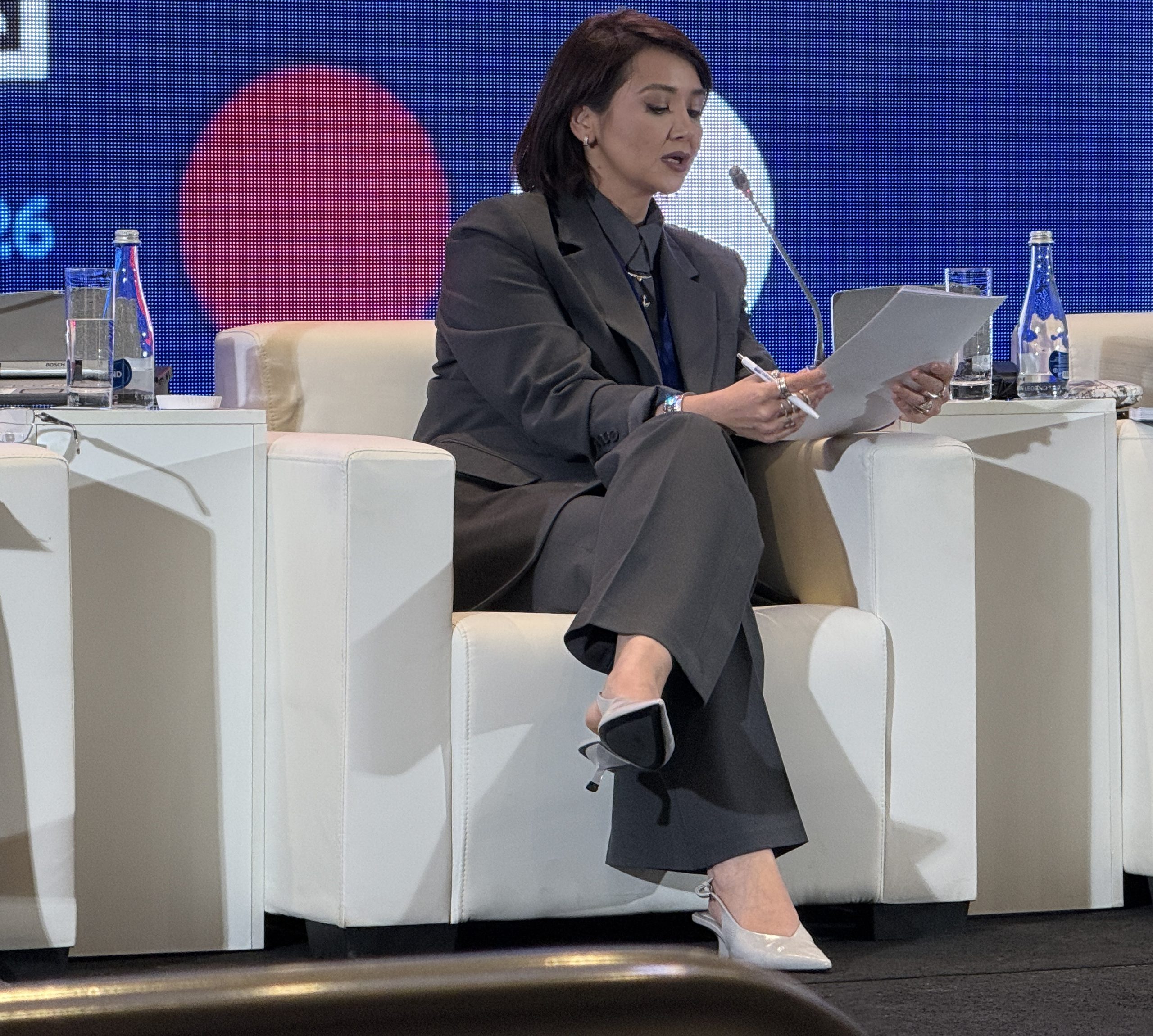
According to the estimate she cited, around 25 million Telegram accounts are associated with Uzbekistan. In this environment, traditional media outlets, including those operating primarily online, face growing competition for audience attention.
Tursunova also addressed the challenges of content moderation on social media. Algorithms tend to favour content based on audience preferences and popularity. As a result, if a media outlet struggles to attract an audience, its content may receive less exposure, undermining its financial sustainability.
Uzbekistan representative highlighted the fact that local content creators cannot access YouTube monetization and cited estimates suggesting that this costs them around US$50 million in potential revenue each year. She also pointed to the lack of transparency in how advertising revenue is distributed and to differences in the value of views across countries.
Turning to artificial intelligence, Tursunova stressed the absence of rules requiring developers of language models — international, multinational and local alike — to disclose the data used to train their models and provide compensation for its use.
Kazakhstan: Account Blocks and Challenges in Appealing Platform Decisions
Gulmira Birzhanova, co-founder of the Legal Media Centre and head of the legal service Media Qoldau, focused on the practical experiences of Kazakh journalists, civil society organisations and activists who face account suspensions and content removal.
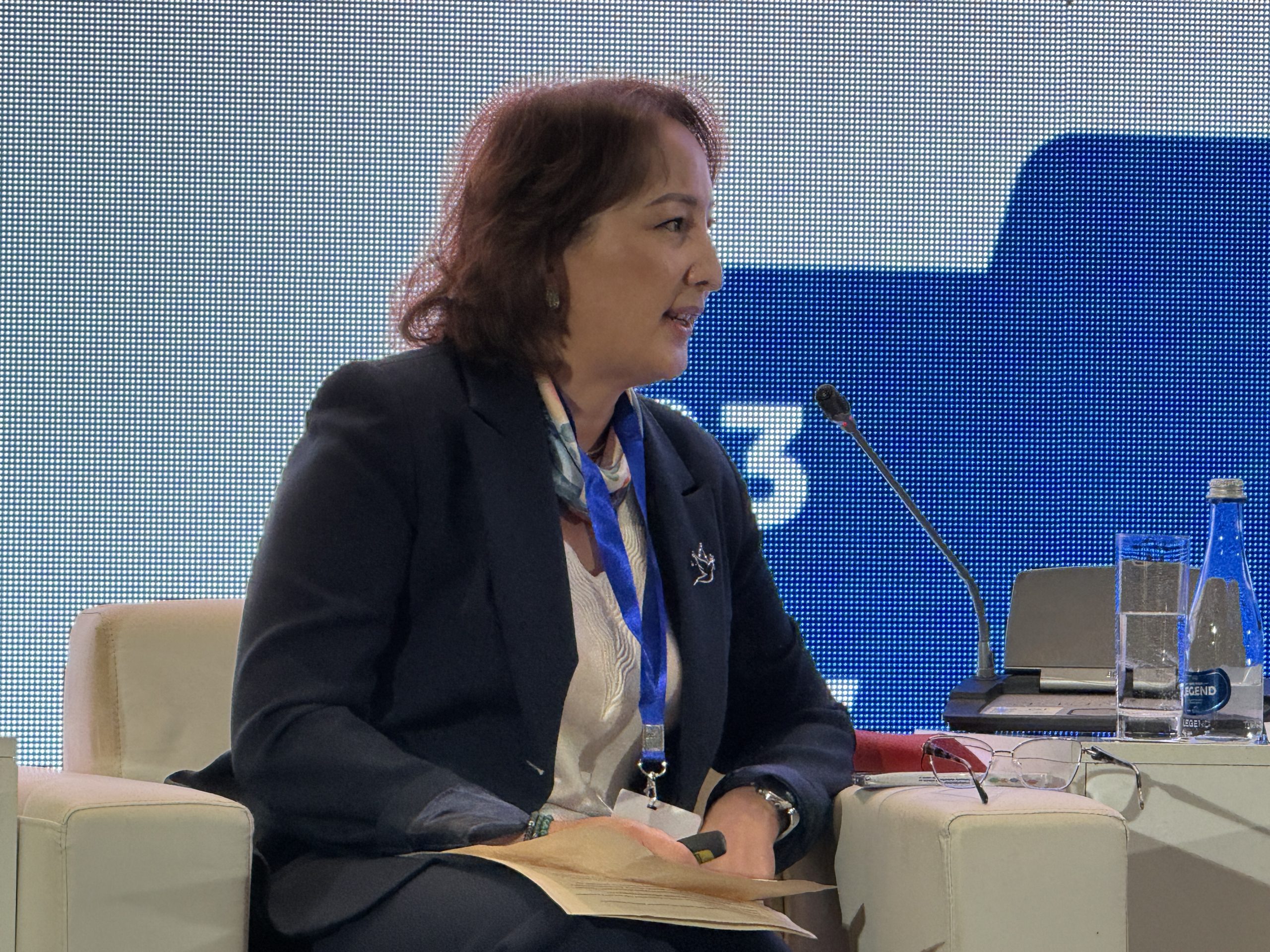
She noted that Kazakhstan has an established legal framework for digital regulation, including legislation on online platforms and online advertising, as well as new initiatives in the field of artificial intelligence. However, the existence of laws and regulations does not in itself guarantee effective protection.
As examples, Birzhanova cited cases involving the mass removal of posts, account suspensions — including incidents from her own experience — and lengthy processes to restore access. She also drew attention to the emergence of cloned media outlets and fake accounts used to spread false information or send mass messages.
The speaker also outlined several new initiatives under discussion in Kazakhstan, including the development of a system called SuperVision to detect certain types of content during live broadcasts, a possible restriction on social media access for children under 16, and further efforts to establish local offices for online platforms.
Recommendations
At the end of the discussion, participants outlined a number of practical steps that could help strengthen journalism’s resilience on social media.
In particular, they stressed the need for closer engagement with digital platforms to address issues such as the reasons for and mechanisms behind account suspensions, changes to algorithms and monetization policies.
In their view, the presence of platforms in countries across the region should be accompanied by effective mechanisms for verifying complaints and requests to block particular accounts.
The session provided an overview of how media outlets interact with social platforms in five Central Asian countries. A common theme throughout the discussion was the need for more in-depth research, greater transparency in digital platforms’ decision-making and effective mechanisms for engagement with newsrooms. ///nCa, 10 October 2026