



Elvira Kadyrova, Bishkek
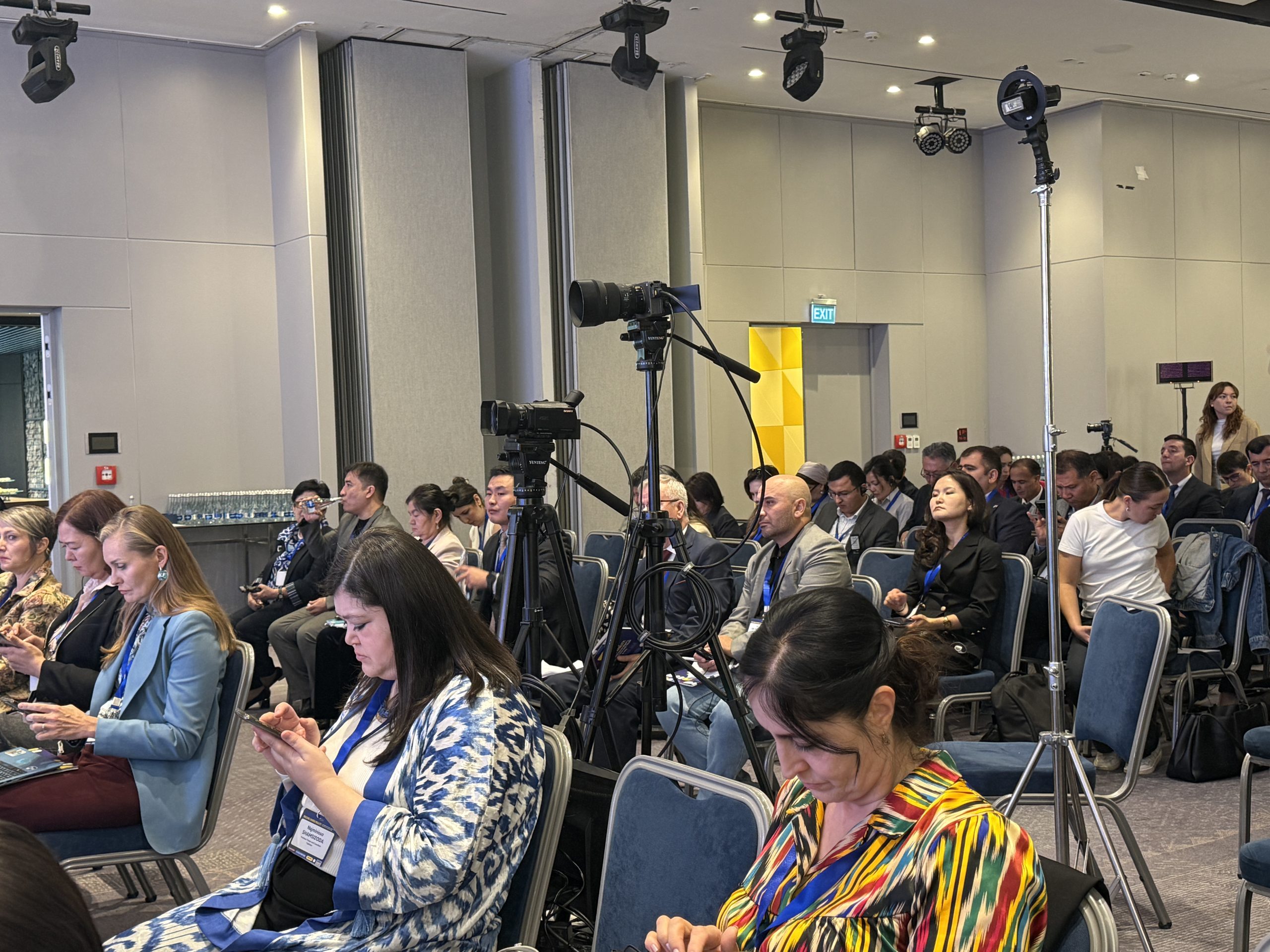
News increasingly reaches audiences through social media, while artificial intelligence is reshaping how content is produced and distributed. Furthermore, the speed at which information can be generated and spread outpaces the mechanisms designed to verify it. What should professional standards of journalism look like in the age of digital platforms? What challenges does AI pose for modern journalism? These and many other issues are being addressed at the 26th OSCE Central Asia Media Conference, taking place on 9–10 October in Bishkek, bringing together journalists, state officials, and experts from Central Asia and Mongolia.
“Today, we live in an information space that is changing rapidly — changing because of technological progress and the emergence of ever-new ways of producing, receiving, and disseminating information,” said Jan Braathu, the OSCE Representative on Freedom of the Media, speaking at the opening of the conference.
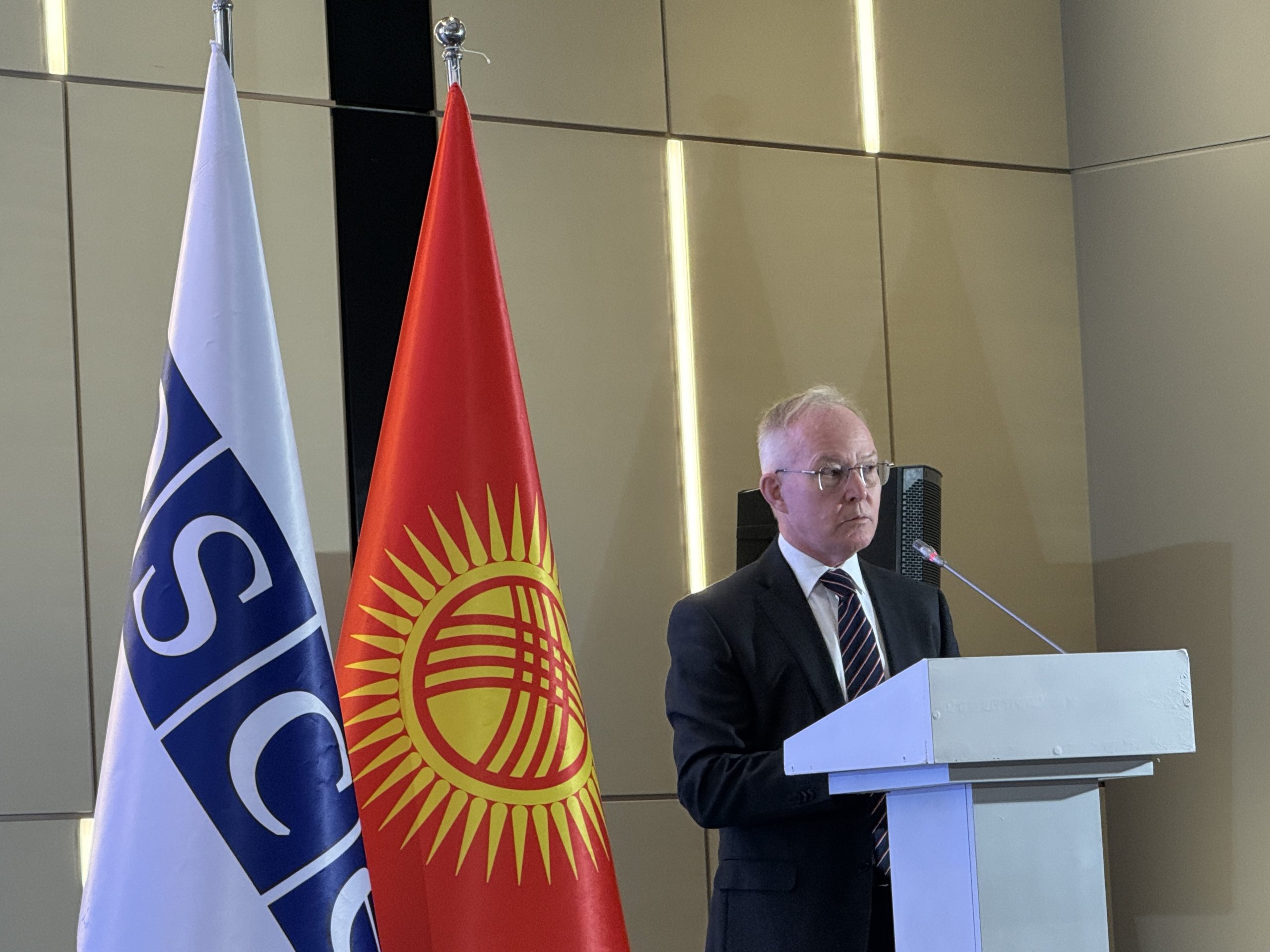
Recent statistics vividly illustrate this shift in media consumption. According to the Digital News Report published by the Reuters Institute for the Study of Journalism, less than a fifth of the global audience turns directly to the homepages of news outlets, while 80% rely on digital networks, social platforms, and messaging apps. Moreover, 60% of those who consume media content via social media platforms never click through to the original source, staying only with snippets, headlines, or automated summaries.
As Ambassador Braathu highlighted, the opportunities of this technological development are wide-ranging. Digital technologies expand access to information, give journalists new tools, connect audiences across borders, and make journalism more innovative.
However, platforms are not merely pipelines carrying journalistic content. Their design, policies, recommendation systems, and content governance practices affect the visibility and accessibility of journalistic content and public interest information.
Ambassador Braathu drew attention to the demanding requirements facing journalism education today. “Journalism schools and training institutions need to equip students not only with traditional reporting and writing skills, but also with the digital, technological, and ethical competencies required by today’s technological and media environment,” he emphasized.
He called on journalists to commit to lifelong learning. “Continuous learning and closer cooperation between journalism schools, newsrooms, professional associations, and other stakeholders can help ensure that education keeps pace with the realities of the profession and the realities of our societies,” he added.
At the same time, as the OSCE Representative on Freedom of the Media noted, the topics raised at the conference are not unique to Central Asia and Mongolia. They are relevant to all 57 OSCE participating States, and resolving them requires sustained joint dialogue and political will. “Real progress requires continuous dialogue, cooperation, and commitment guided by our shared OSCE principles and commitments, and supported by collective, joint efforts,” Ambassador Braathu stressed.
Deputy Foreign Minister of Kyrgyzstan Kairat Tursunkulov linked modern challenges in journalism to the proliferation of artificial intelligence, the need to uphold professional standards, and the growing impact of the information environment on relations among countries in the region.
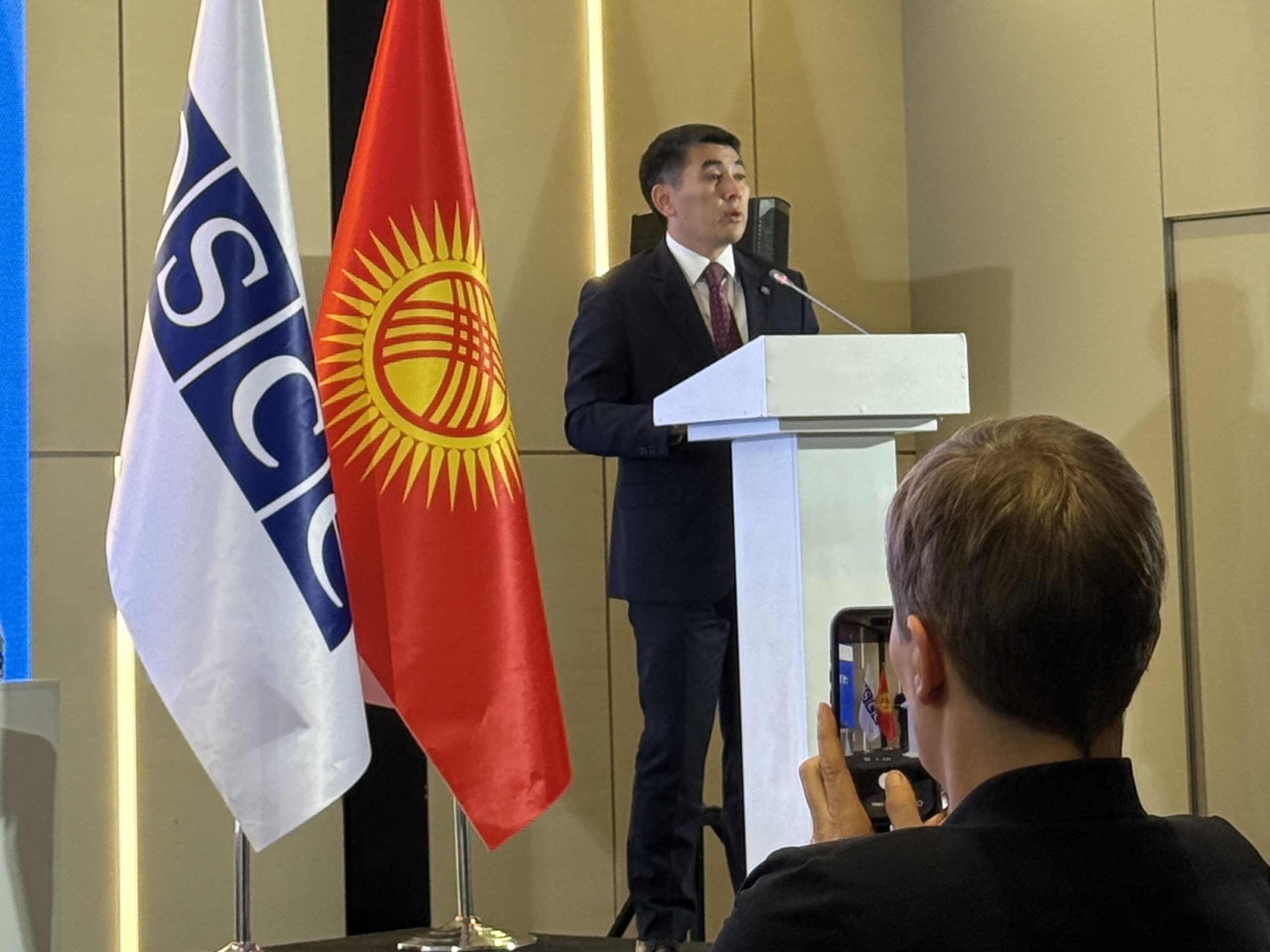
According to him, Digital platforms and artificial intelligence are transforming how information is produced, distributed, and understood. They offer remarkable opportunities, but also bring risks of manipulation, polarization, and declining public trust.
“trust in information cannot be established by decree. It must be earned through accuracy, independence, and, of course, the professional responsibility,” emphasized Tursunkulov.
Deputy Minister of Culture of Kyrgyzstan Salkyn Sarnogoeva outlined the shared nature of information challenges and objectives across the region. “Information flows know no state borders; therefore, effectively countering disinformation, fostering media literacy, and raising professional standards require regional and international cooperation,” she stated.
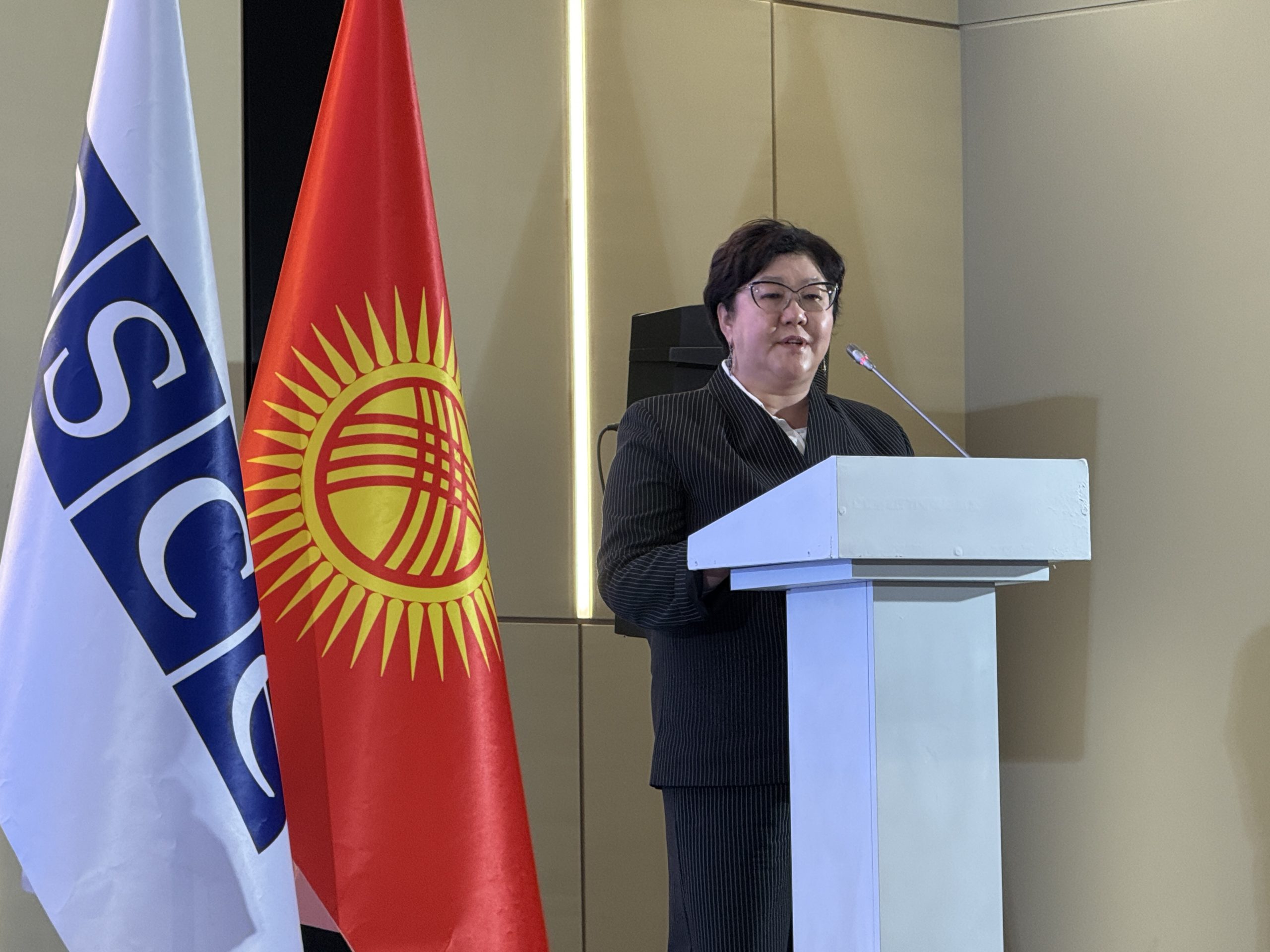
In her view, the overarching goal is to create conditions in which journalists can freely fulfill their professional mission, citizens have access to reliable and diverse information, and state institutions remain open to constructive dialogue with society and the media.
Volker Frobarth, Head of the OSCE Programme Office in Bishkek, outlined the Organization’s activities in Kyrgyzstan, which are aimed at supporting digital transformation, protecting personal data, engaging civil society, advancing cross-border cooperation, and bolstering institutional resilience. An increasingly essential element of this effort is the responsible use of new technologies.
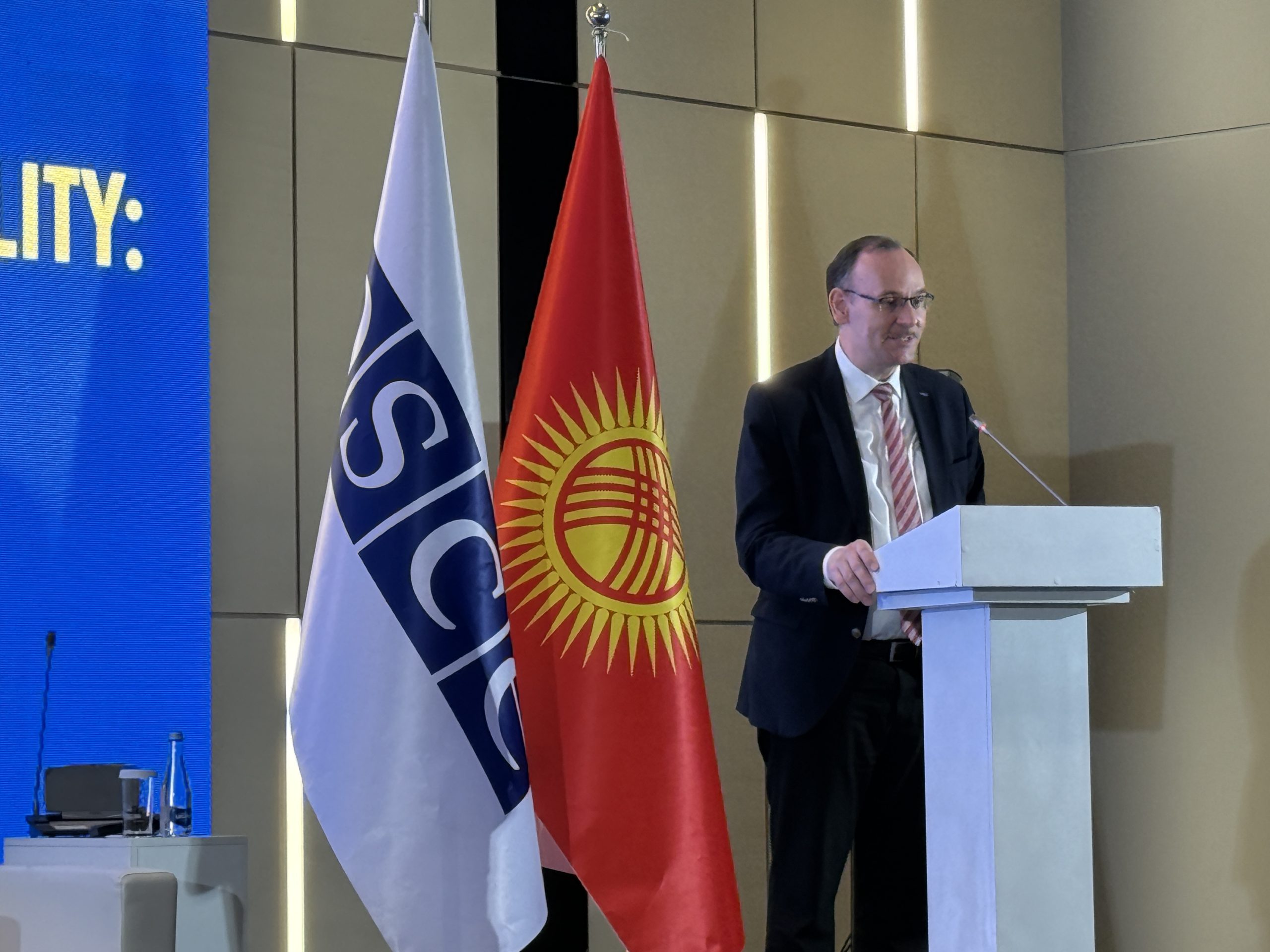
“Societies are better equipped to respond to emerging challenges when institutions, professionals, and citizens are able to engage constructively, access reliable information, and maintain channels for meaningful dialogue,” he emphasized.
***
On the first day of the conference, 9 October, participants focused on practical strategies for advancing the media landscape across Central Asia and Mongolia.
The opening thematic session addressed building trust in information, professional ethics, and media self-regulation mechanisms—such as strengthening independent press councils and handling journalistic complaints in the age of AI and digital platforms.
Discussions then turned to the practical implementation of the OSCE Policy Manual on “Safeguarding Media Freedom in the Age of Big Tech Platforms and AI.” Panelists examined concrete measures to support quality journalism, preserve public-interest information online, and adapt these guidelines regionally.
A separate panel explored the legislative, regulatory, economic, and technological pressures shaping information accuracy, media pluralism, and public trust.
The day concluded with a hands-on workshop on digital security, equipping journalists with practical tools for protecting sources, safeguarding data, and defending against cyber threats.///nCa, 9 October 2026