


Tariq Saeedi
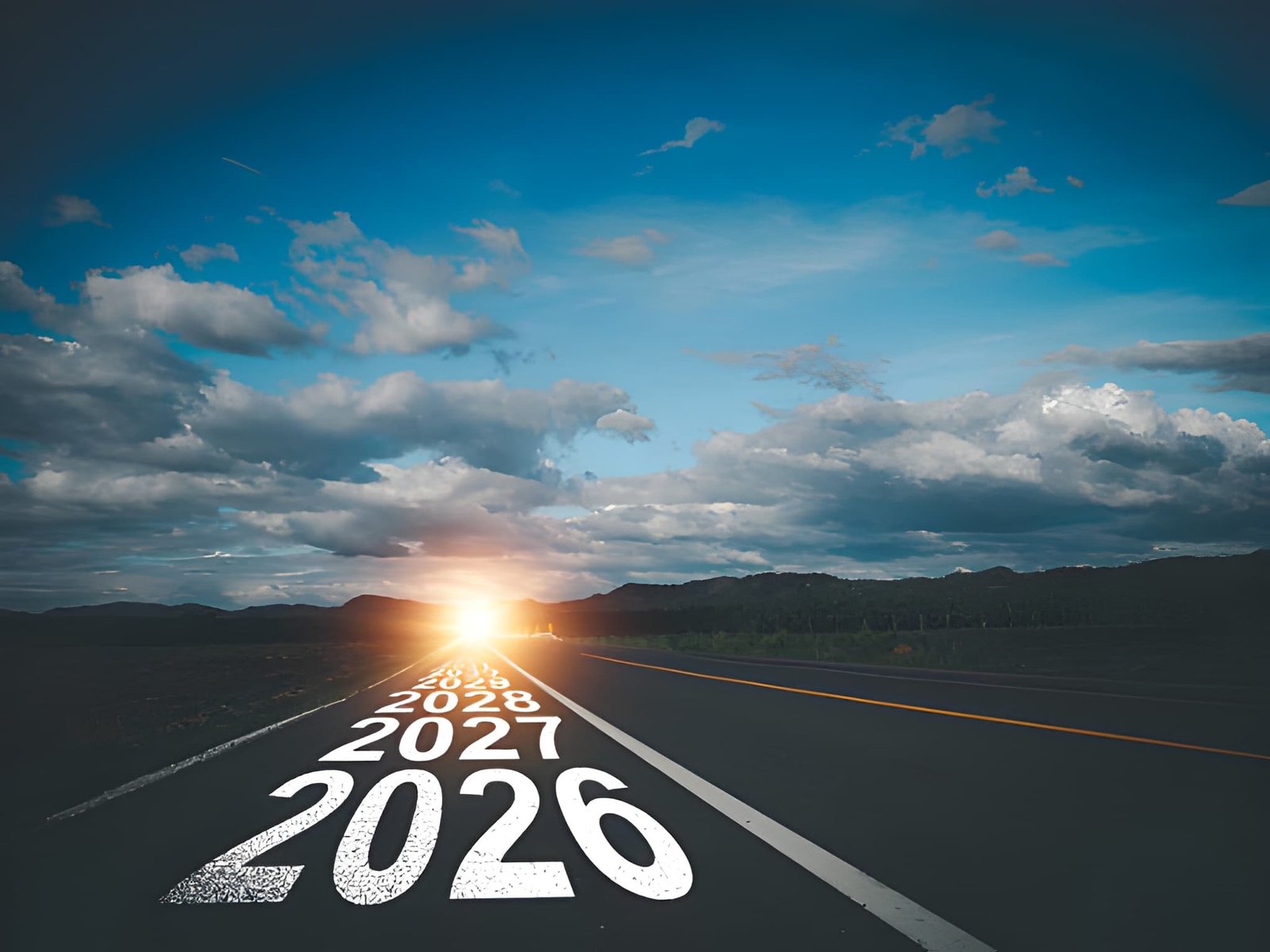
Predictions are always a hit-or-miss kind of thing. There is no scientific base for them unless we assume that astrology, numerology and other such predictive practices are some kinds of science. Nevertheless, they make interesting reading.
Astrological Predictions for 2026
Renowned astrologer Chani Nicholas, known for her accurate insights into cultural shifts as featured in publications like The New York Times, predicts that 2026 will bring major personal and social transformations, emphasizing themes of accountability and collective growth amid global changes.
Penny Thornton, a respected British astrologer with a track record of forecasting personal and societal trends for outlets like Woman & Home, anticipates a year of breakthroughs in relationships and careers, but warns of potential disruptions from planetary alignments like Saturn-Neptune conjunctions that could heighten global tensions.
Tatiana Borsch, a Russian astrologer celebrated for her detailed annual horoscopes and past accurate predictions on economic cycles, foresees 2026 as a period of global renewal with opportunities for progress, though she cautions about challenges in international relations and environmental issues requiring spiritual alignment.
Numerological Predictions for 2026
Hans Decoz, a prominent numerologist with decades of experience and a history of spot-on forecasts for personal and global cycles through his World Numerology platform, views 2026 as a Universal 1 Year, signaling a major shift into new directions with potential for innovative breakthroughs but also abrupt changes in global systems.
Jill Brown, an evolutionary astrologer and numerologist formerly with NASA, known for her precise integrations of numerology with astronomical data, predicts a “recycle and new beginning” for organizations and societies, with 2026 marking a reset in leadership and collective responsibility.
According to numerological analyses from California Psychics, a platform with vetted experts who have demonstrated accuracy in life path readings, 2026 will emphasize independence and action, potentially leading to economic rebirth but requiring caution against overreach in global affairs.
Psychic and Seer Predictions for 2026
Baba Vanga, the Bulgarian mystic often credited with foreseeing events like 9/11 and the Chernobyl disaster, is said to have predicted the onset of World War III in 2026 alongside humanity’s first contact with extraterrestrials, potentially sparking a global crisis.
Nostradamus, the 16th-century French seer whose quatrains have been linked to accurate prophecies such as world wars and plagues, foretells a “seven-month great war,” a swarm of bees symbolizing chaos, rivers “soaked in blood” indicating widespread conflict, and a prominent figure struck down by a thunderbolt.
Athos Salomé, dubbed the “Living Nostradamus” for predicting Queen Elizabeth II’s death and the COVID-19 pandemic, warns of World War III escalation, conflicts over Arctic resources, and severe solar storms disrupting global infrastructure.
Jill M. Jackson, an award-winning psychic noted for her correct forecasts on natural disasters and economic trends, anticipates increased earthquakes along the US West Coast and Asia, major water-related events, and widespread economic instability with job losses in the US.
Nicolas Aujula, a psychic who claims to have foreseen the COVID-19 outbreak, predicts alien encounters, Britain’s hottest summer on record, and political gains for parties like Reform UK amid global upheavals.
Overall Narrative for World Events in 2026
Drawing from these experts, 2026 emerges as a pivotal year of resets and potential turmoil. Numerologists like Decoz and Brown emphasize new cycles fostering innovation and leadership changes, aligning with astrologers like Nicholas and Thornton who see social shifts and structural realignments.
However, psychics and seers paint a darker picture: Baba Vanga and Salomé foresee escalations toward global conflict, possibly World War III, intertwined with extraterrestrial or environmental crises, while Nostradamus and Jackson highlight wars, natural disasters like earthquakes and storms, and symbolic chaos such as plagues or economic breakdowns.
Broader expert consensus from sources like Visual Capitalist and Chatham House suggests geopolitical uncertainty, with risks from US policies under Trump, Middle East tensions, and climate pressures, but also opportunities for technological advances and renewed infrastructure investments.
The Doomsday Clock, maintained by the Bulletin of the Atomic Scientists with a history of accurate risk assessments, may move closer to midnight due to nuclear, climate, and AI threats, underscoring a world on the brink of self-destruction if cooperative efforts falter. /// nCa, 23 February 2026 (photo credit – iStock)