


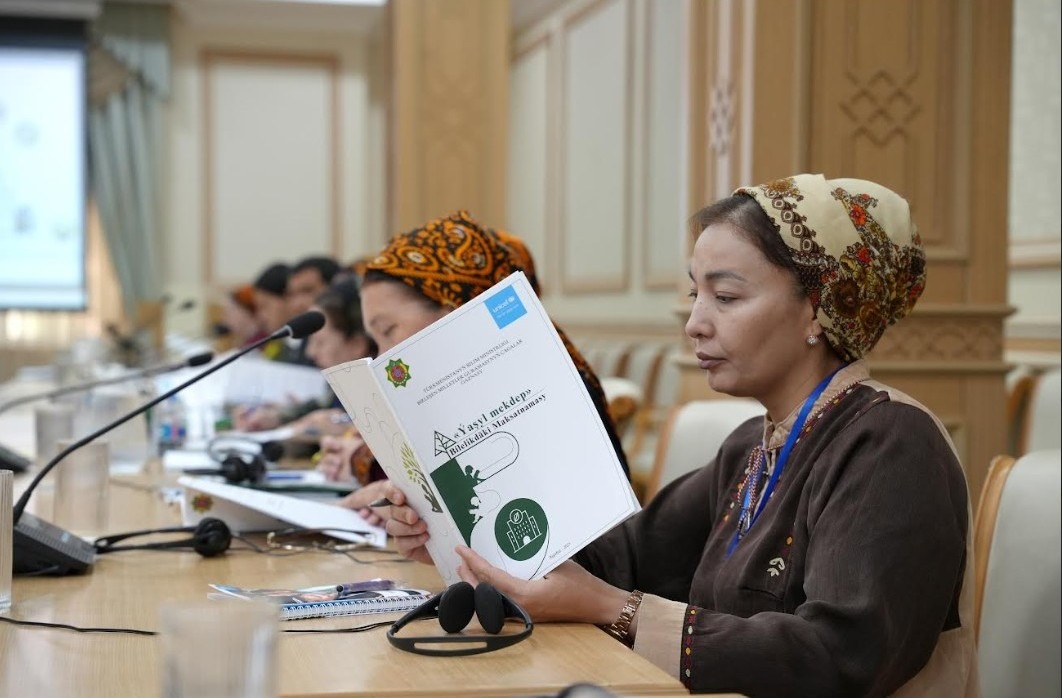
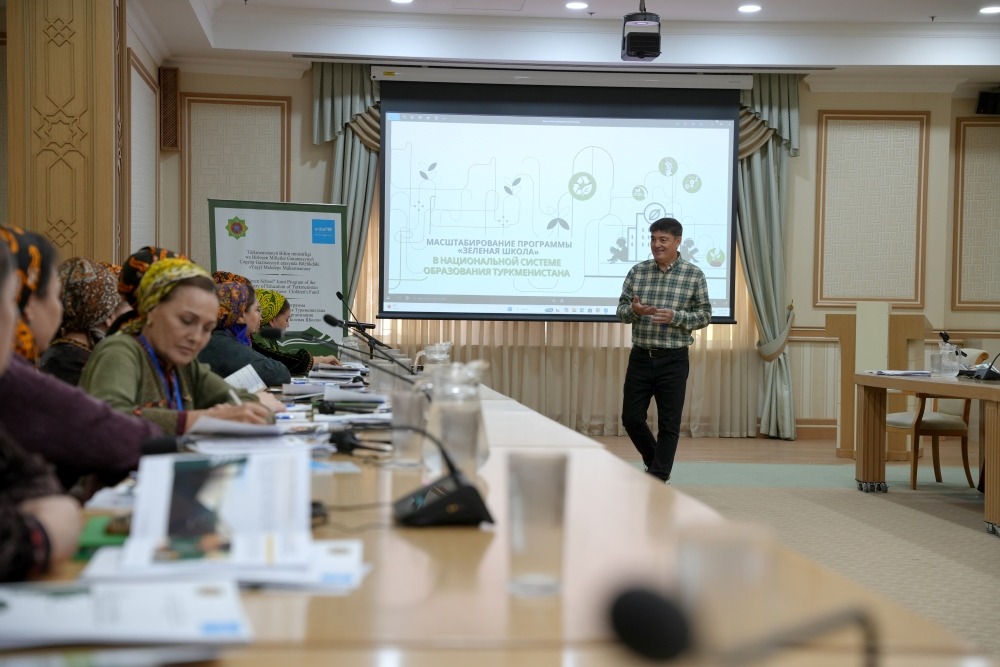
Ashgabat, 7 August 2026 — The Ministry of Education of Turkmenistan and UNICEF welcomed 100 new schools into the Green School Programme, significantly increasing the number of schools participating in the initiative since it was first piloted in 2025. Launch events were held in Ashgabat and in all velayats bringing together principals and education officials from across the country.
The Green School Programme is a joint initiative of the Ministry of Education and UNICEF, established under a Memorandum of Understanding signed in March 2025 to help schools become safer, healthier, more resilient and better prepared for the impacts of climate change. The Programme is built around four pillars: school governance, facilities and operations, teaching and learning, and community engagement.
Since its launch, the Programme has been piloted in 20 schools nationwide. During the pilot phase, two schools received targeted infrastructure improvements, while all pilot schools worked to integrate climate change, environmental protection and disaster risk reduction into everyday teaching and learning.
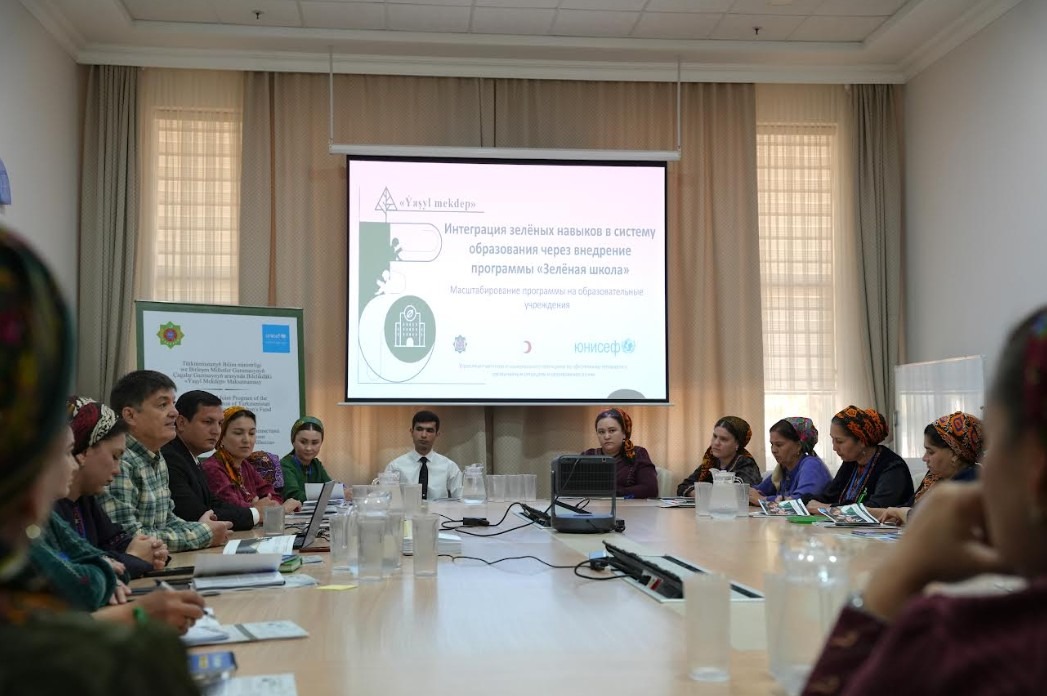
Through the national Green Skills Competition, students and schools went well beyond expectations, mobilising their wider communities and demonstrating remarkable creativity, leadership and civic engagement.
Building on these results, the Ministry of Education and UNICEF are working with education departments at the central and velayat levels to prepare for the first round of Green School certification, expected in autumn 2026. Ahead of the new school year, all participating schools will also receive dedicated manuals to support climate change education, which forms an integral component of, and a core criterion for, Green School status.
With this expansion, 120 schools across Turkmenistan are now part of the Green School Programme. The Ministry of Education and UNICEF have set an ambitious joint target of expanding the Programme to 500 of the country’s approximately 1,900 schools by 2030.
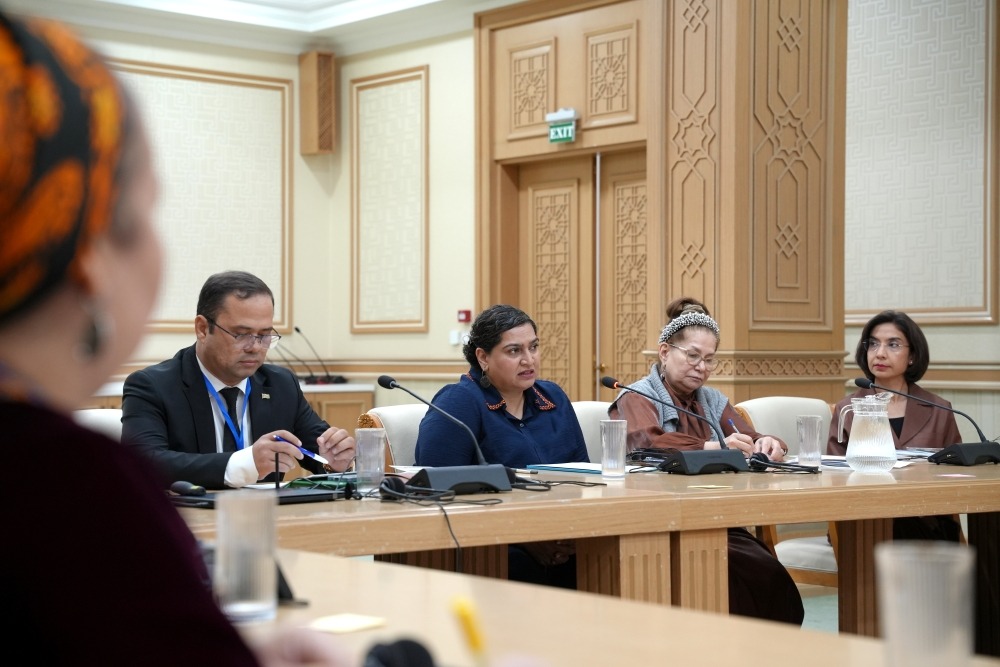
“Each of these schools shows what can be achieved,” said Jalpa Ratna, UNICEF Representative in Turkmenistan. “What we have seen in the pilot schools goes far beyond greener buildings. Students have become active advocates for their environment and their communities, often leading the way themselves. As we welcome 100 more schools today, our shared task is to ensure that every child in Turkmenistan has the opportunity to learn in a safe, healthy and climate-resilient environment.”
UNICEF and the Ministry of Education will continue to work together to strengthen the resilience of the education system, expand good practice, and support schools throughout this journey.///nCa, 7 August 2026 (in cooperation with UNICEF Turkmenistan)