


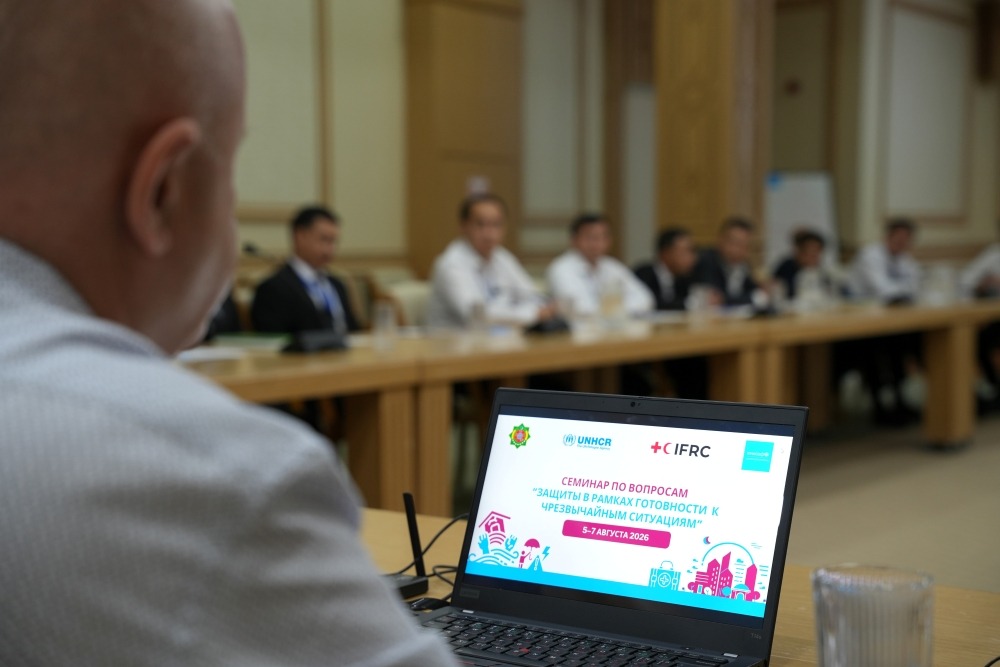
Ashgabat, 7 August 2026 — UNICEF, jointly with the Main Directorate of Civil Defence and Rescue Operations under the Ministry of Defence of Turkmenistan, and in partnership with the Office of the United Nations High Commissioner for Refugees (UNHCR), the International Federation of Red Cross and Red Crescent Societies (IFRC) and the United Nations Population Fund (UNFPA), conducted a three-day training workshop on protection in emergencies for frontline government responders from across Turkmenistan.
The workshop formed as part of ongoing efforts to strengthen national standard emergency preparedness and inter-agency coordination activities.
Held at the UN House in Ashgabat from 5 to 7 August, the workshop brought together 30 representatives from national institutions involved in emergency preparedness, public safety, health, education, migration, border management and humanitarian response, as well as the National Red Crescent Society of Turkmenistan. Participants travelled from Ashgabat, Ahal and Balkan velayats.
The training was delivered by national and international protection experts. Sessions by UNICEF covered child protection in emergencies, risk identification and immediate action, safe identification and referral of children at risk, case management, and institutional preparedness planning.
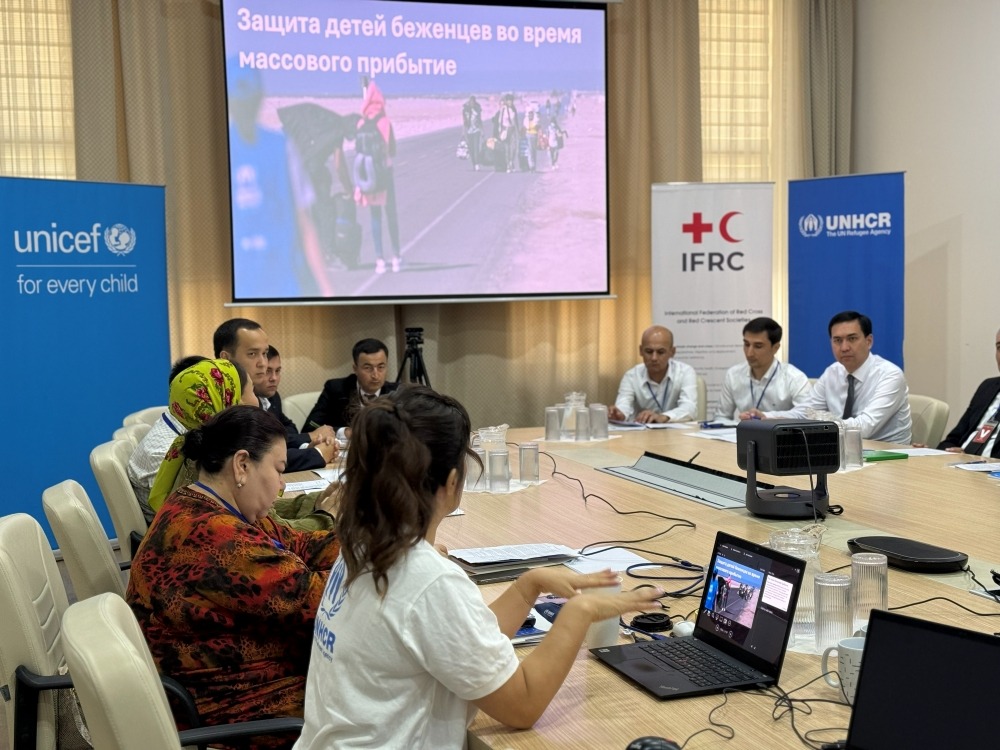
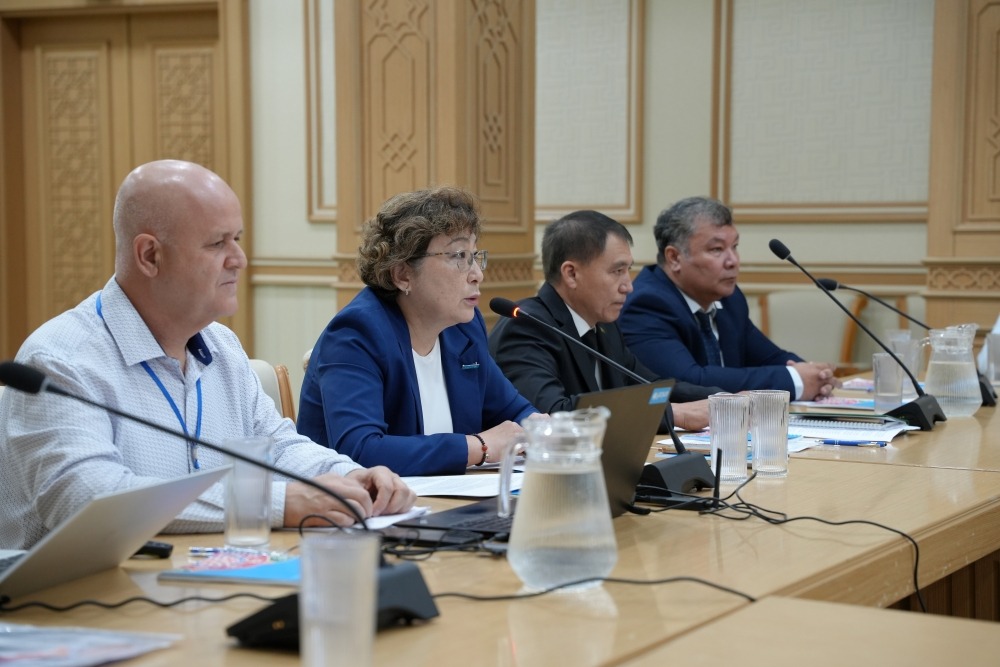
Participants also discussed international protection standards and good practices relevant to emergencies involving population movement, with emphasis on cross-border situations. The sessions emphasized preparedness measures to help safeguard the rights, safety and dignity of people who may be affected by emergencies, particularly with particular attention to children and other groups at heightened risk.
UNHCR contributed regional and global perspectives on international protection standards and protection-sensitive preparedness, including coordination approaches that help clarify roles and responsibilities before, during and after emergencies.
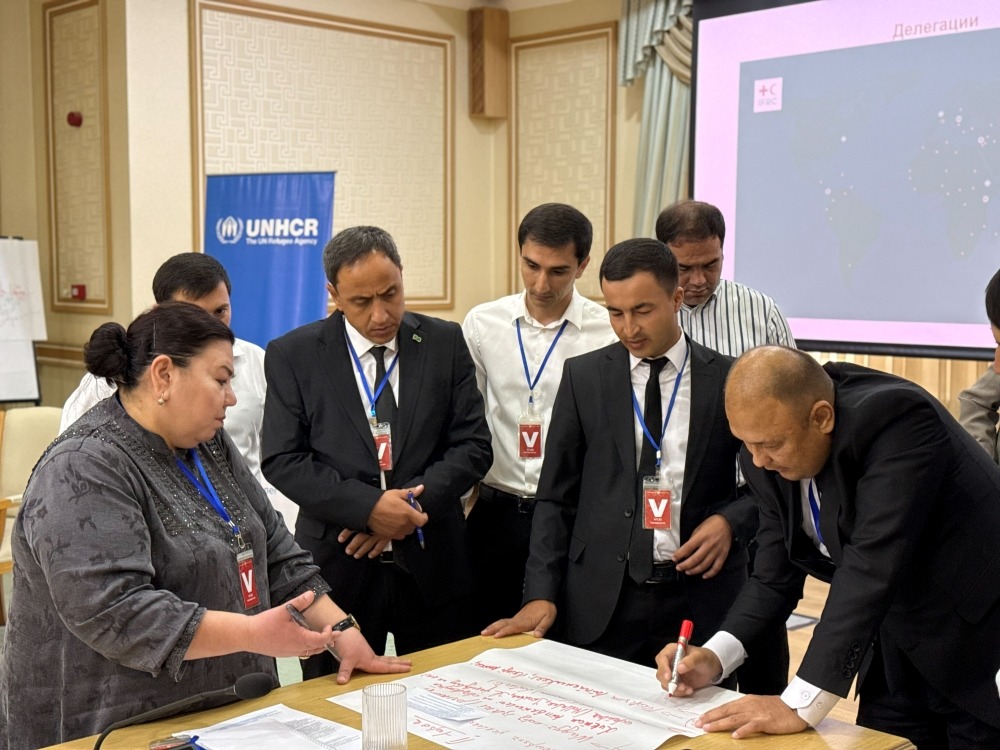
IFRC experts delivered sessions on current risks and emergency preparedness, as well as legal and policy frameworks for humanitarian action. Participants explored humanitarian standards, including the Fundamental Principles of the International Red Cross and Red Crescent Movement, Community Engagement and Accountability approaches, and the Core Humanitarian Standard. Through case studies, they discussed identifying people at heightened risk and ensuring dignified, timely and well-coordinated assistance to people affected by emergencies. IFRC also shared global best practices in Cash and Voucher Assistance as a flexible and dignity-preserving form of support during the early stages of crises.
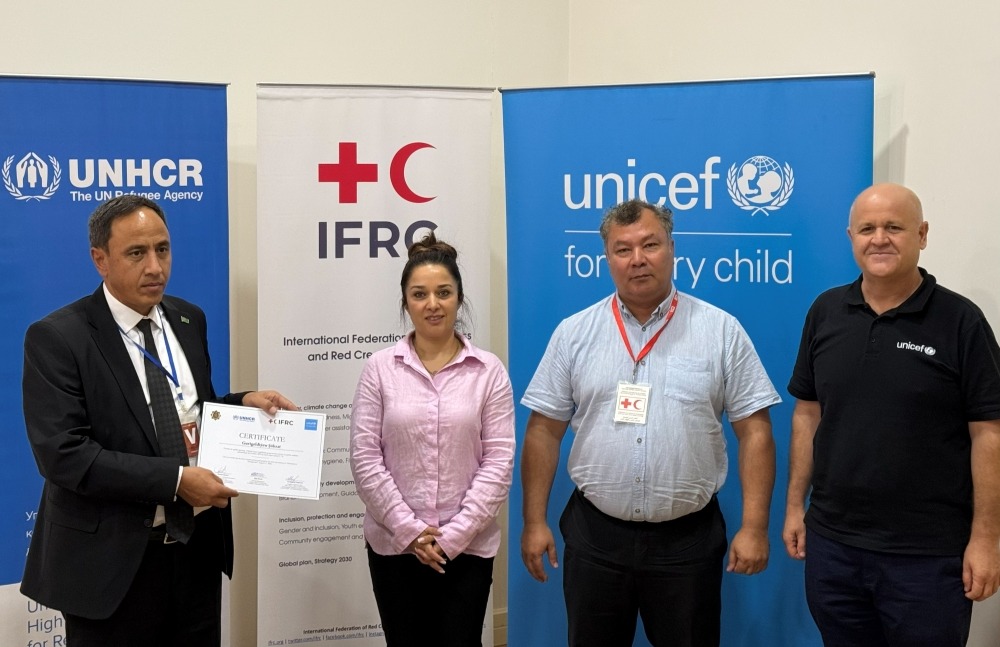
“Children are always among those most at risk in emergencies, and timely, coordinated action can make a critical difference,” said Zhanar Sagimbayeva, UNICEF Deputy Representative in Turkmenistan. “This workshop is about ensuring that institutions have the knowledge and coordination mechanisms to identify, protect and safely refer children before, during and after emergencies.”
The workshop was made possible through support from UNICEF’s Global Humanitarian Thematic Fund (GHTF), which strengthens emergency preparedness capacities of UNICEF country offices and national partners globally. ///nCa, 7 August 2026 (in cooperation with UNICEF Turkmenistan)