


Strengthening international trust, reinforcing multilateral cooperation and finding practical tools to address global challenges — these are the main priorities Turkmenistan has identified for its work at the 81st session of the UN General Assembly. Ashgabat’s agenda includes peace and security, preventive diplomacy, transport connectivity, the depoliticization of energy flows, climate issues, humanitarian cooperation, international law, as well as a responsible approach to the use of new technologies, including artificial intelligence.
The 81st session of the UN General Assembly opened on 8 September in New York, while the General Debate, attended by heads of state and government, foreign ministers and other high-level representatives of UN member states, will begin on 22 September. During the current session, the international community is set to address a broad range of issues related to global peace and security, sustainable development, the economy, climate, humanitarian cooperation, technology and international law.
Its theme — “Restoring trust, managing transformation: A United Nations that delivers for all” — is in line with Turkmenistan’s approach, which links responses to contemporary challenges with strengthening trust, equal dialogue, preventive diplomacy and the central role of the United Nations.
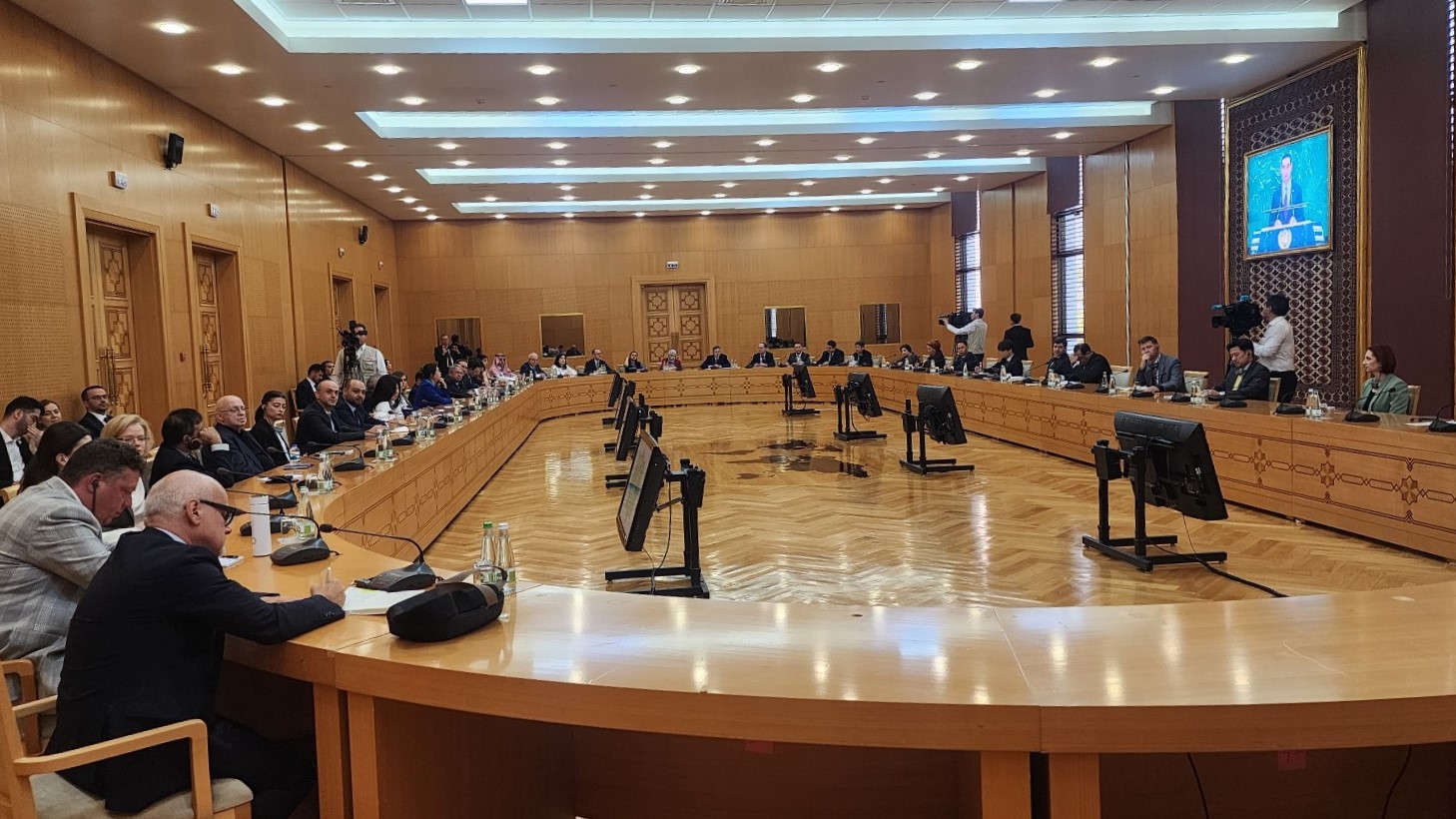
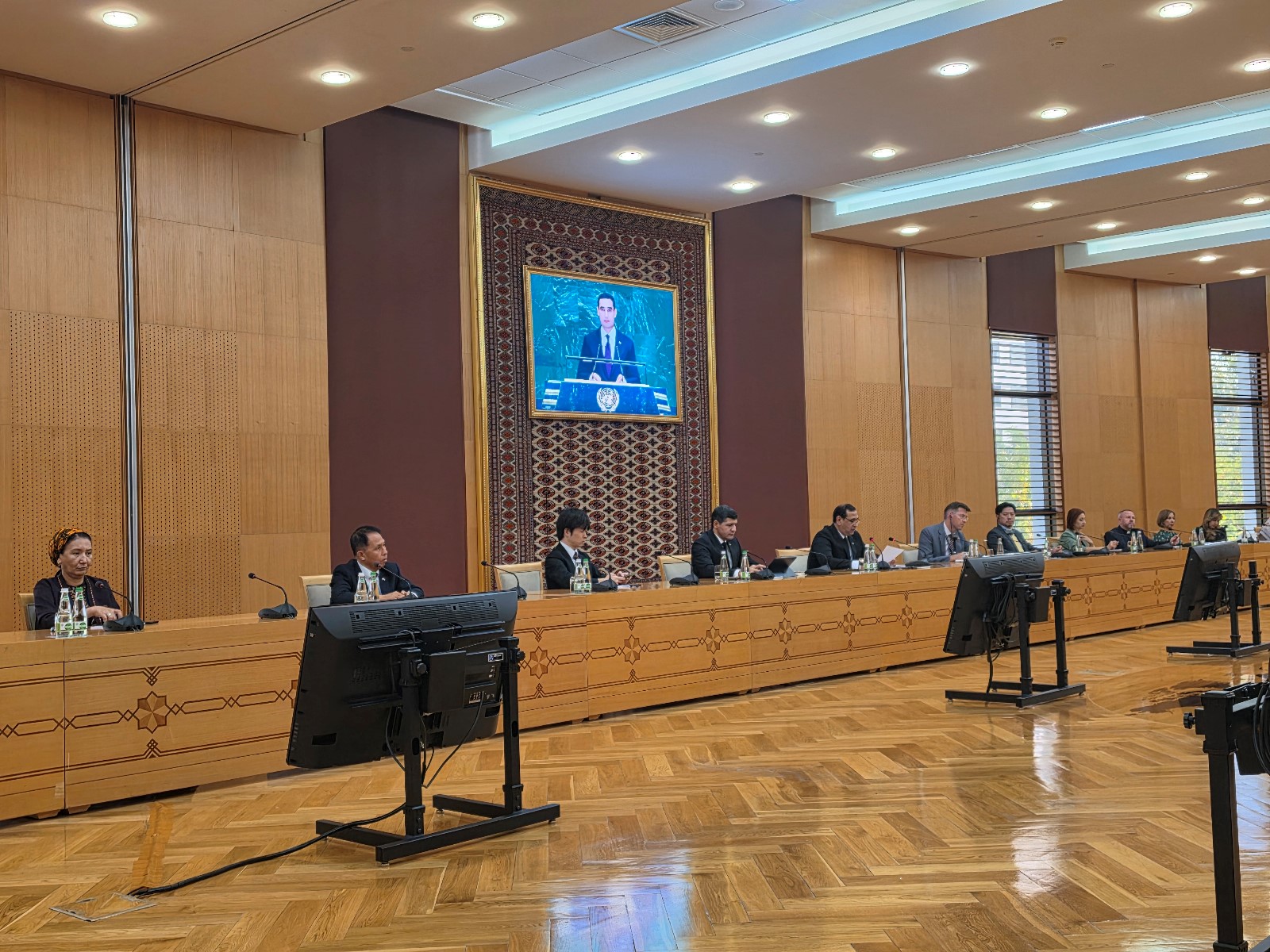
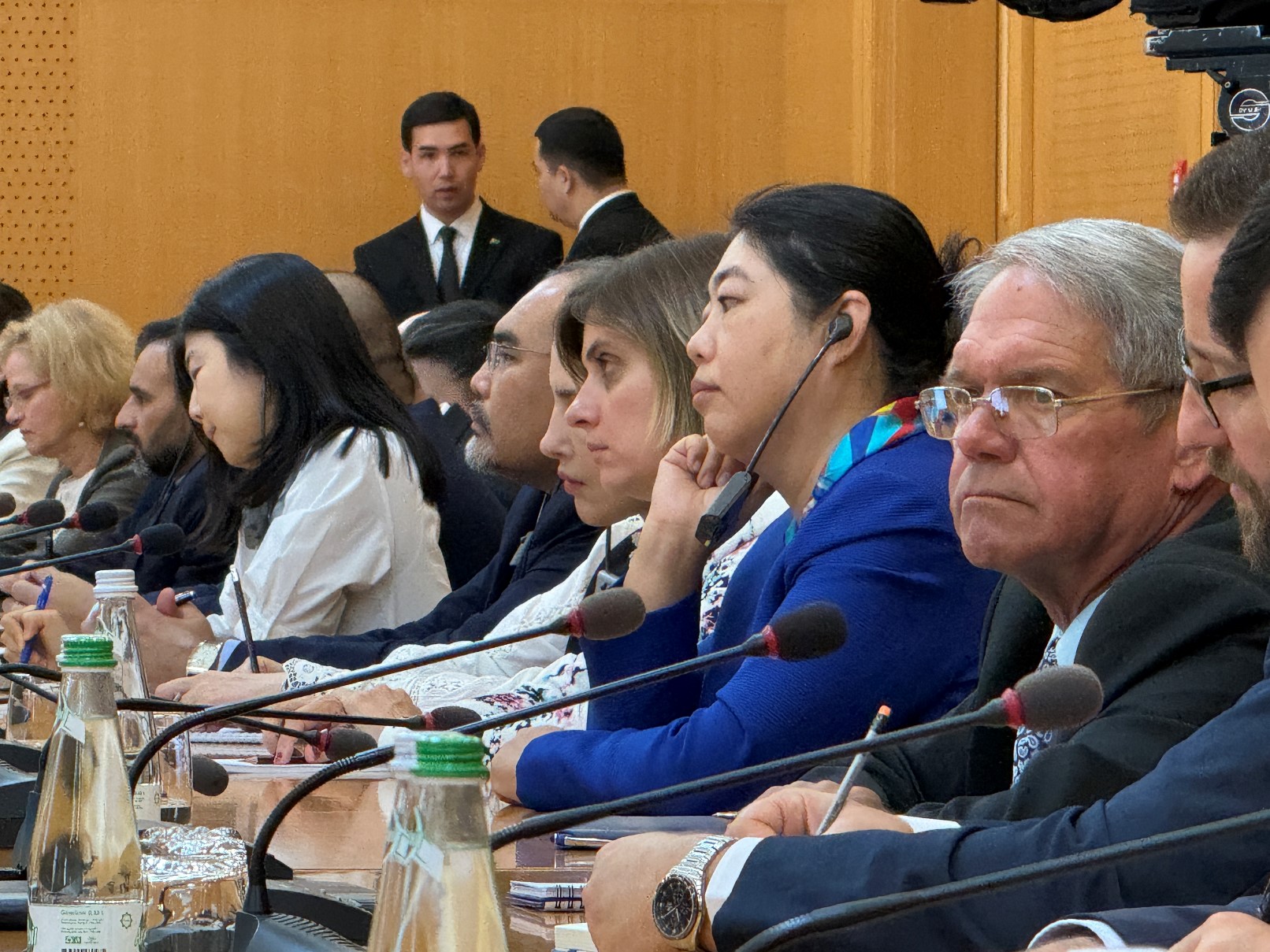
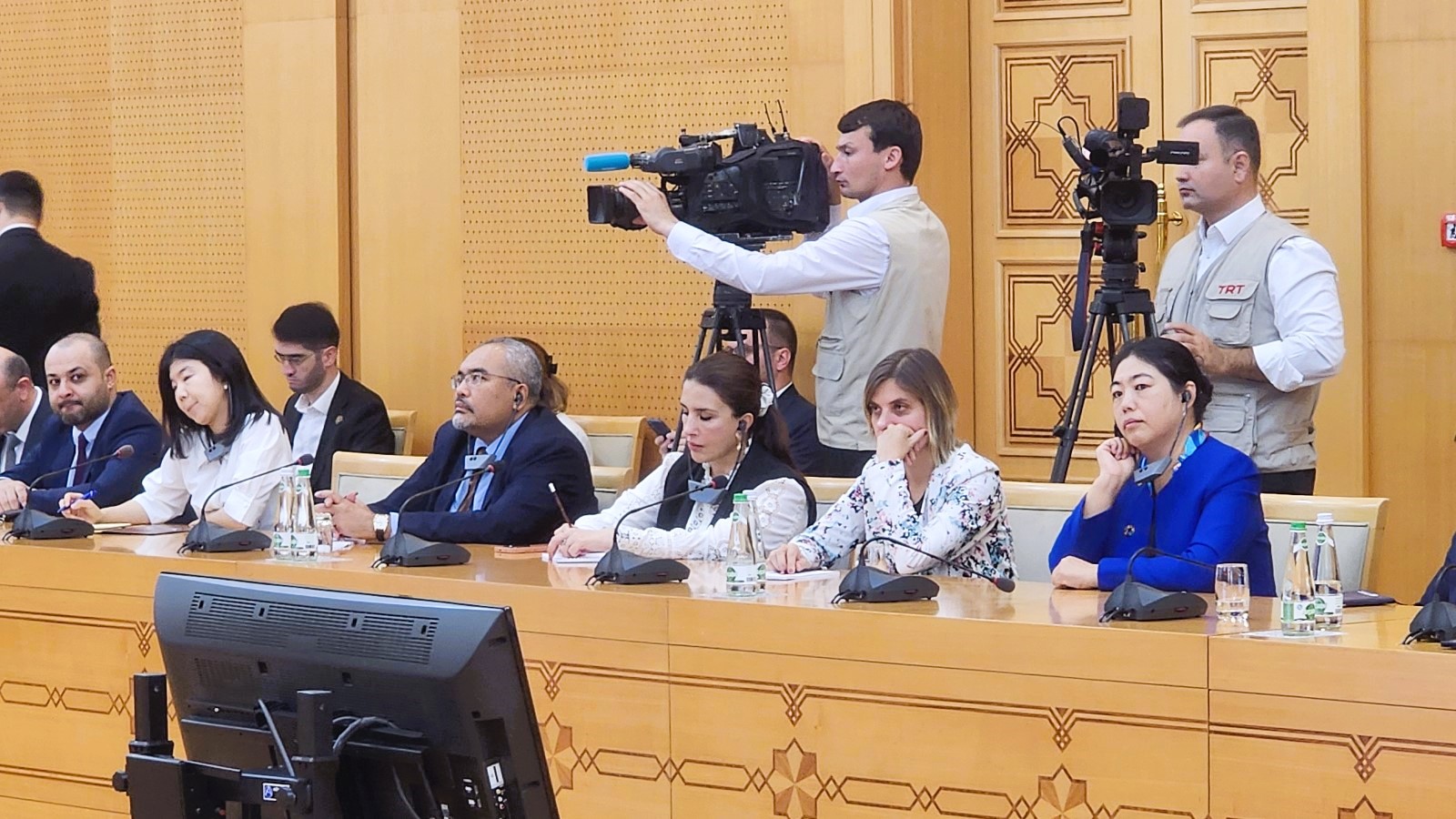
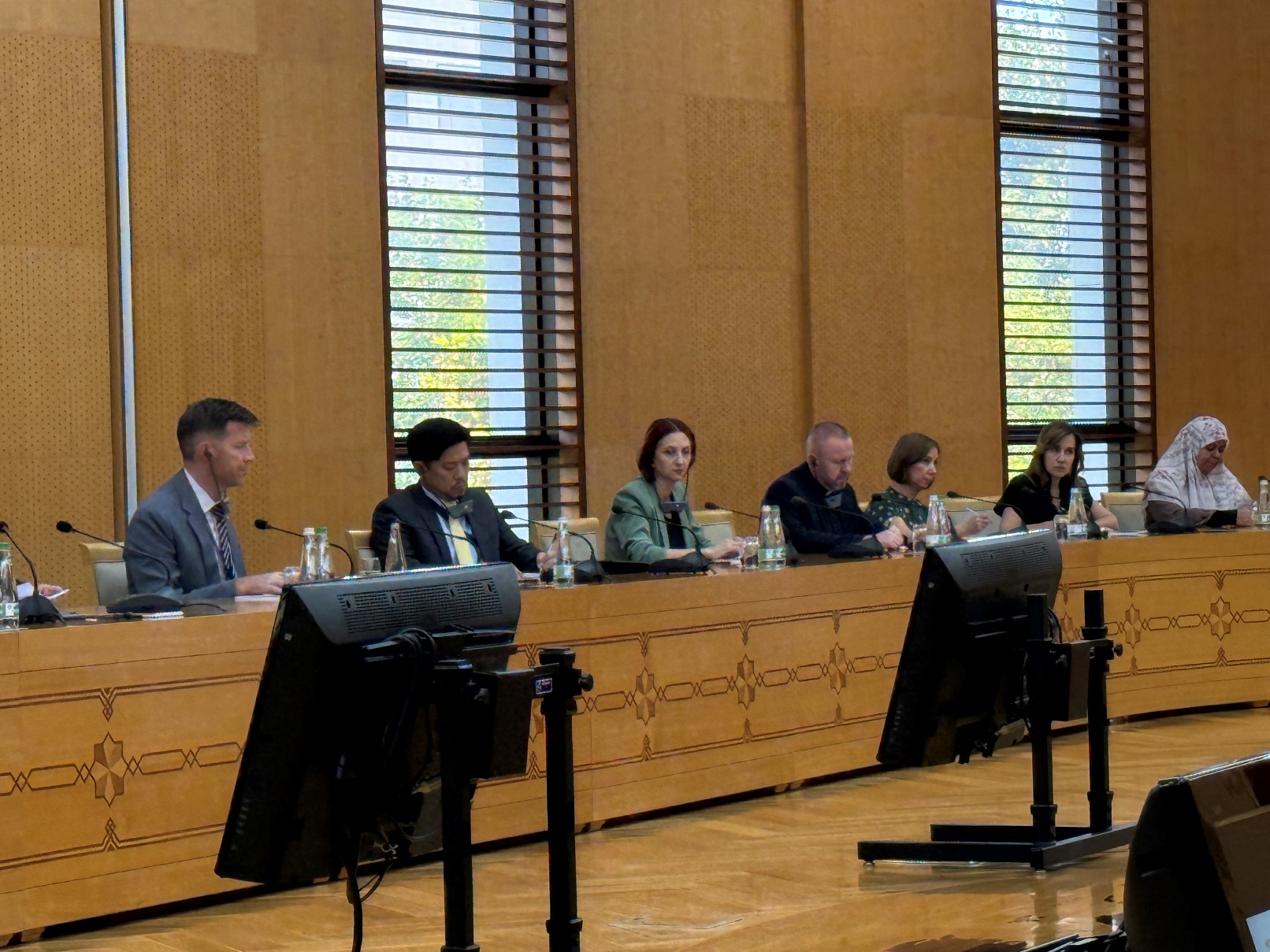
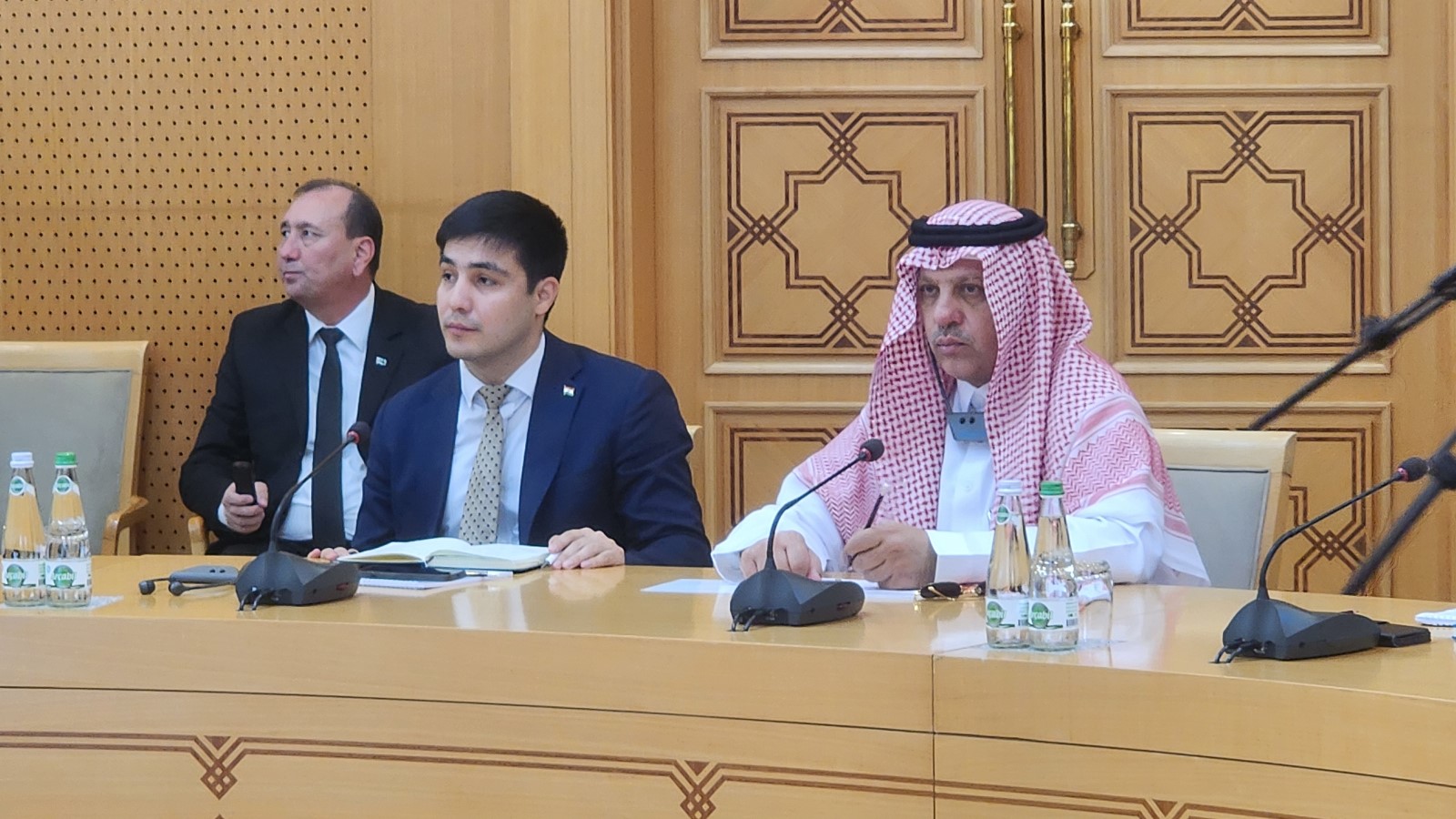
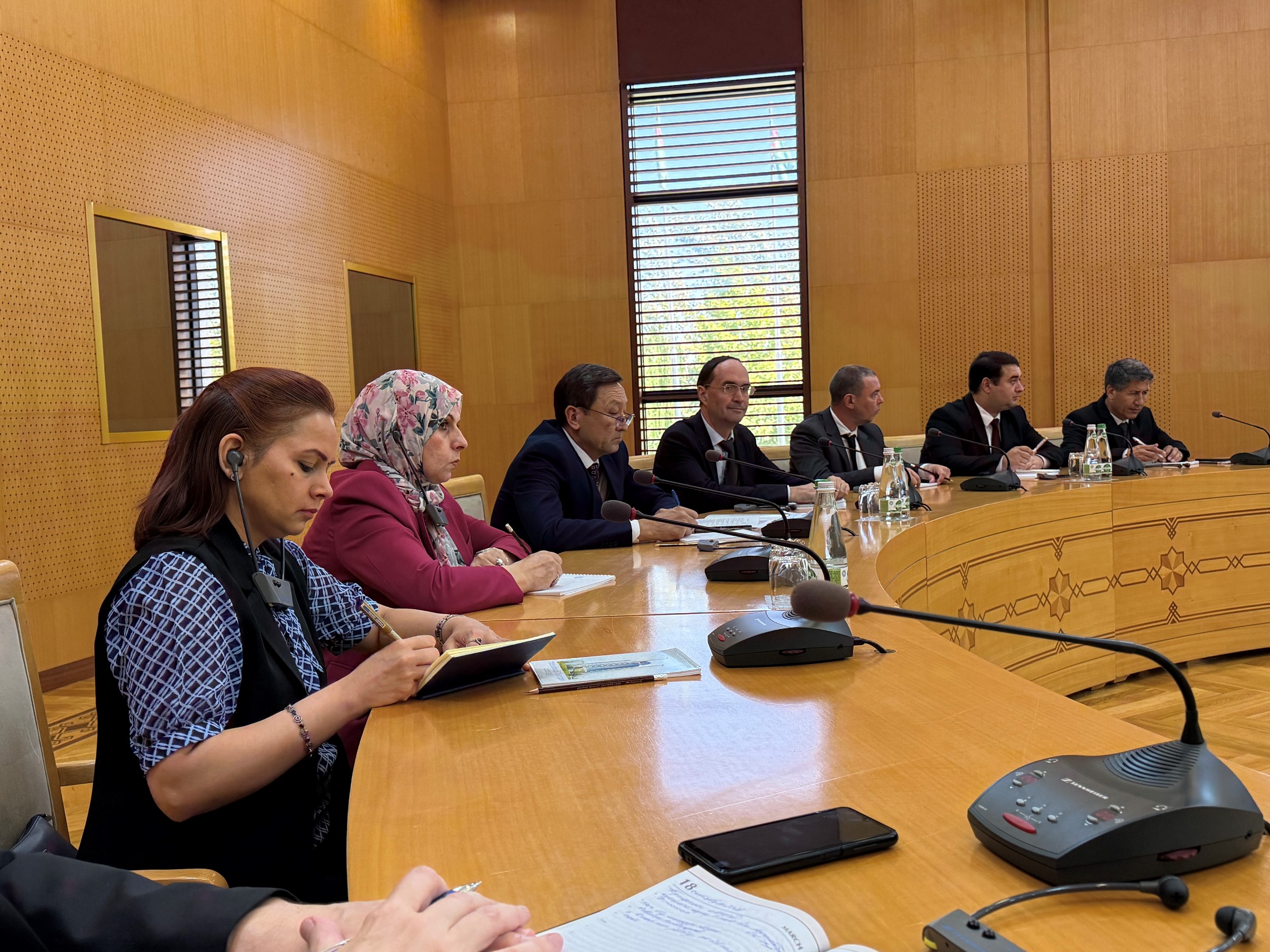
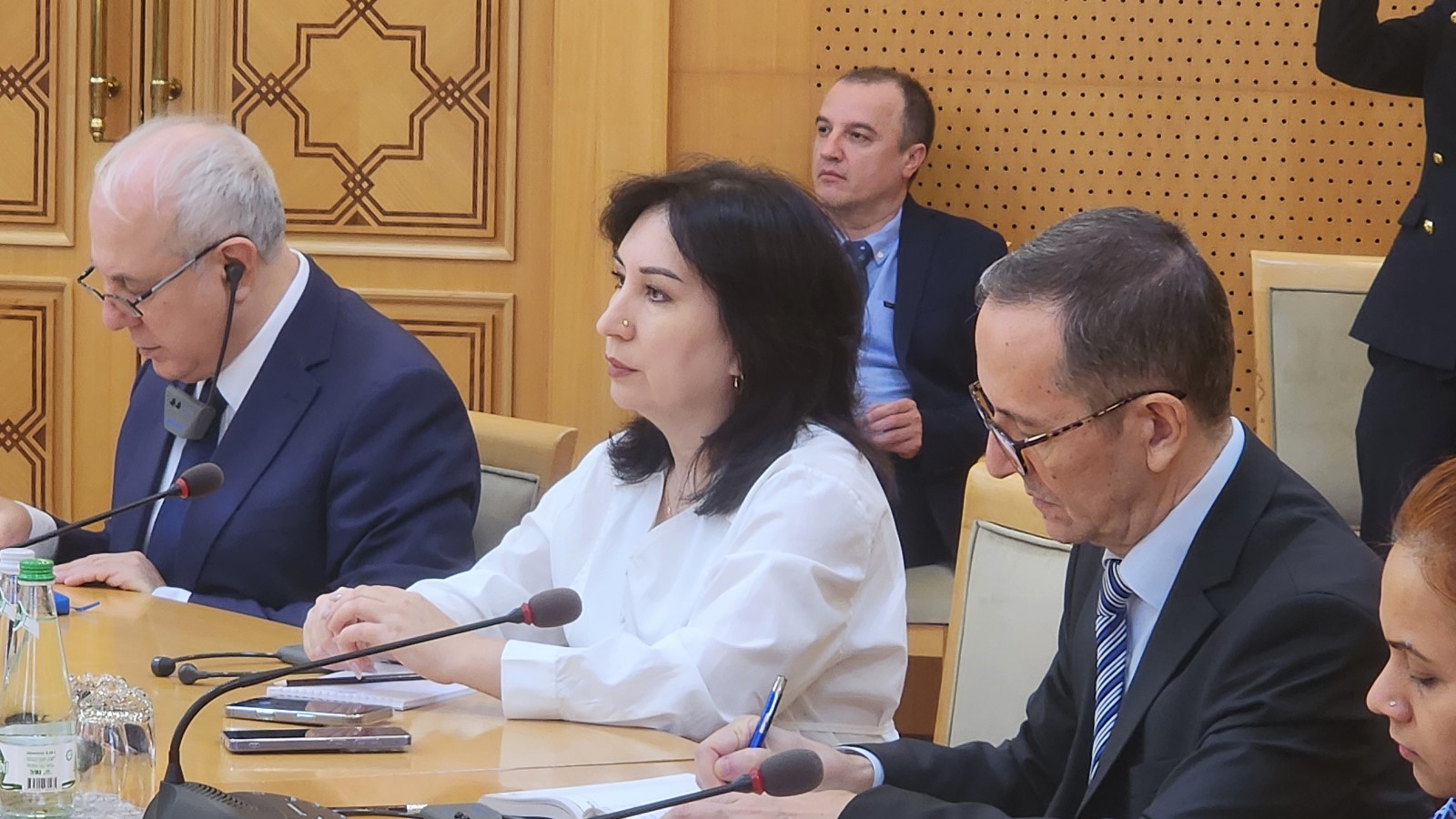
On Friday, 18 September, the Ministry of Foreign Affairs of Turkmenistan held a briefing for the diplomatic corps accredited in Ashgabat and representatives of the media.
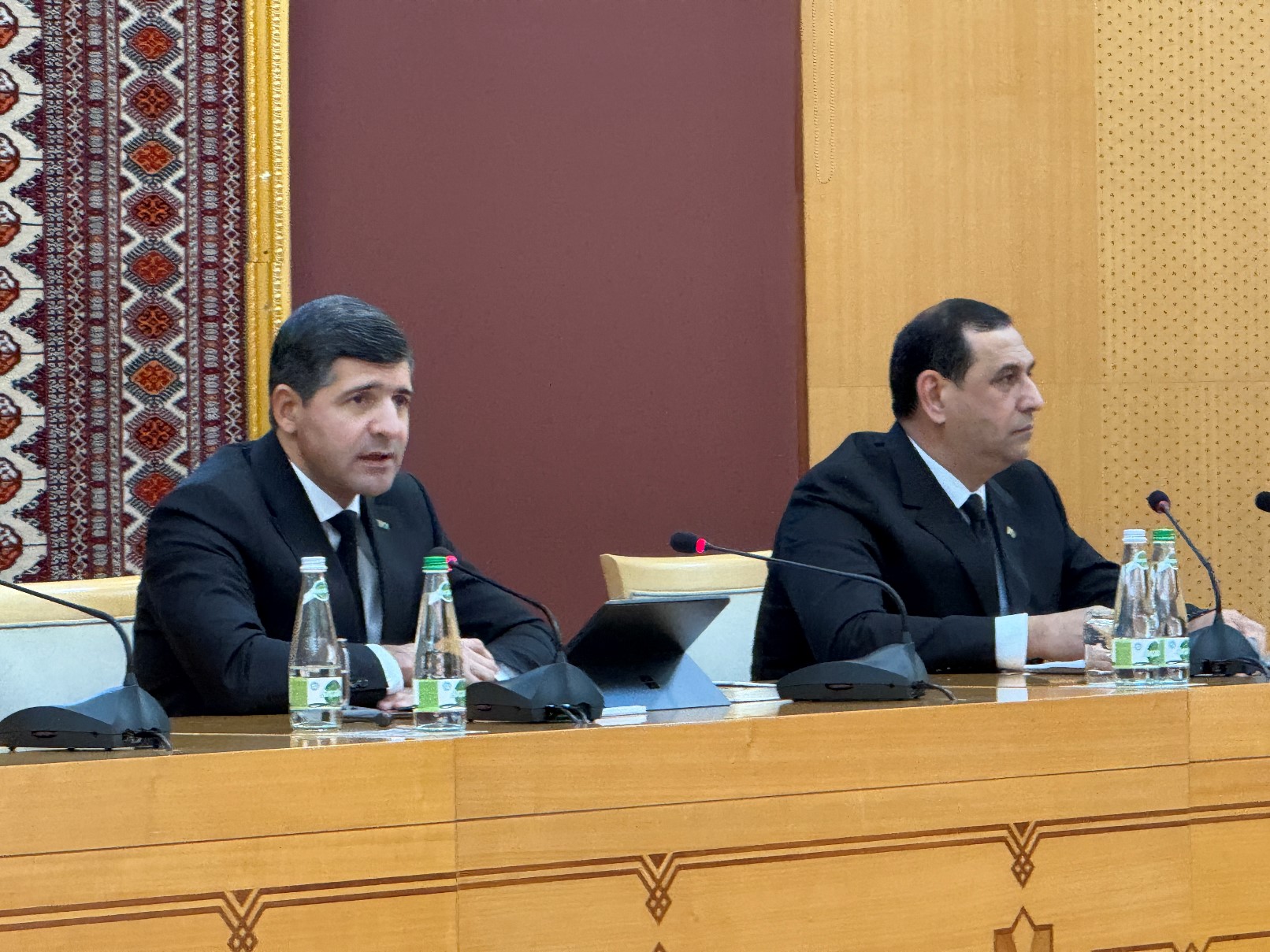
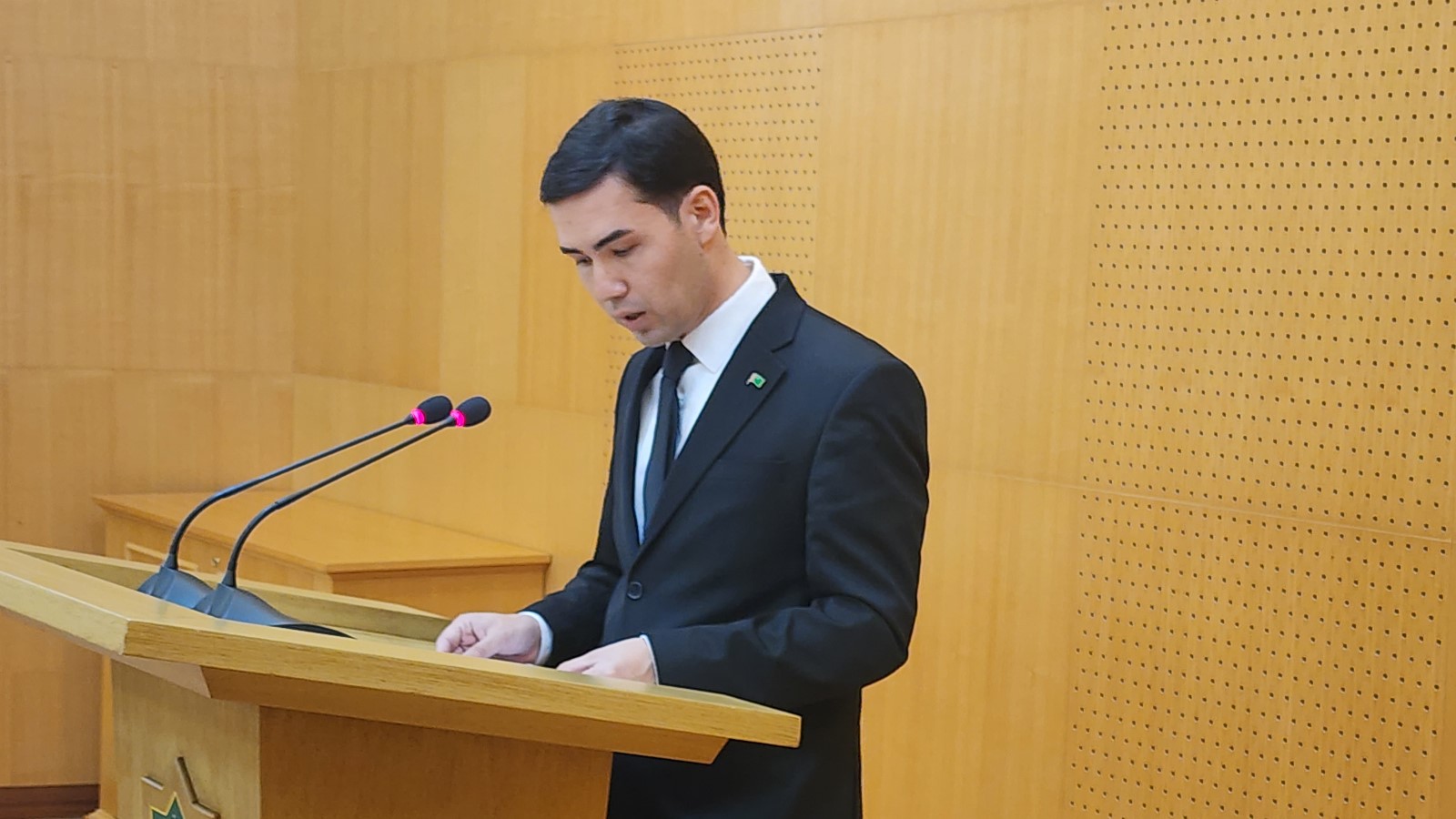
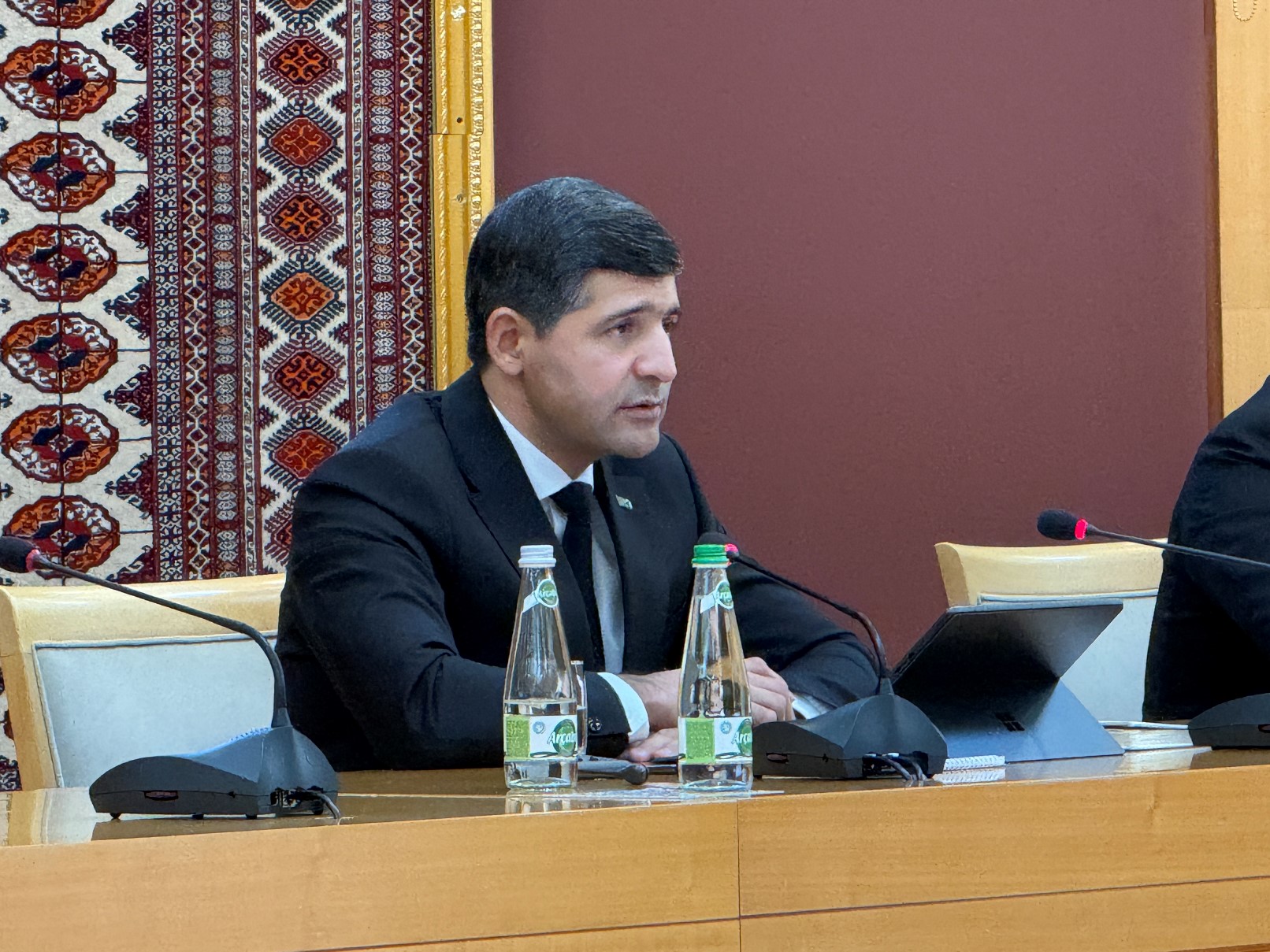
Rovshen Annaberdiev, Head of the Department of International Organizations at the Ministry of Foreign Affairs of Turkmenistan, presented the country’s priorities and initiatives for the current session of the UN General Assembly.
“Today’s global agenda is characterized by high dynamism, growing political tensions, the persistence and emergence of new conflicts, widening economic and technological disparities, climate risks, and challenges related to energy, transport, food and water security. […] Under such conditions, no nation, regardless of the scale of its potential, can effectively address contemporary challenges on its own,” Annaberdiev stressed.
For this reason, Turkmenistan considers multilateral cooperation, the strengthening of international trust and the use of political and diplomatic instruments to prevent crises particularly important today. Ashgabat also maintains that the United Nations should play a central role in these processes.
At the 81st session of the UN General Assembly, Turkmenistan intends not only to continue promoting previously put forward international initiatives, but also to give them more concrete practical substance by creating new platforms, mechanisms and partnerships, as well as implementing specific projects under UN auspices.
As stated at the briefing, Turkmenistan’s priorities are grouped into five main areas:
First, peace, security and neutrality;
Second, sustainable development and transport;
Third, energy, climate and the environment;
Fourth, humanitarian cooperation;
Fifth, international law and participation in the work of the United Nations.
I. Peace, Security, and Neutrality
In line with the practical implementation of its neutrality principles, Turkmenistan will continue to advance its earlier initiative to draft a Global Security Strategy.
“At the 81st session, Turkmenistan will propose hosting a series of expert and intergovernmental dialogues under the auspices of the United Nations to shape this Strategy. These consultations are expected to cover issues of neutrality, preventive diplomacy, early warning of crises, peaceful settlement of disputes, mediation, and confidence-building measures,” Annaberdiyev reported.
Turkmenistan remains convinced that preventing crises and conflicts is far more effective than dealing with their aftermath.
“This proactive approach underpins another new initiative of Turkmenistan—declaring 2027–2037 as the United Nations Decade of Dialogue and Preventive Diplomacy,” the MFA representative stressed.
To operationalize the Decade, Turkmenistan proposes establishing a coordination platform in Ashgabat with advisory assistance from the UN Secretariat. This platform could serve as a venue for regular intergovernmental and expert meetings, knowledge sharing, and drafting actionable recommendations in preventive diplomacy.
Another key initiative focuses on strengthening multilateralism. Turkmenistan proposes to co-found the Group of Friends of Multilateralism and the Sovereign Equality of States at the United Nations.
“Crucially, this Group should not duplicate existing UN mechanisms. Its objective is to facilitate consensus-driven solutions and foster a culture of equitable international dialogue,” Annaberdiyev explained.
Within the academic and educational dimension of peacebuilding, Turkmenistan will continue consultations with the UN Secretariat, the University for Peace, and the UN Regional Centre for Preventive Diplomacy for Central Asia (UNRCCA) regarding the establishment of an Academic Center for Peace, Neutrality, and Preventive Diplomacy in Ashgabat. The center would be built upon the Department of Peace and Neutrality at the Institute of International Relations of the Ministry of Foreign Affairs of Turkmenistan.
A set of Turkmenistan’s initiatives addresses emerging technologies, particularly artificial intelligence.
“Artificial intelligence technologies hold immense potential for early warning systems, crisis analysis, diplomacy, and negotiation processes. At the same time, their deployment raises serious concerns regarding human control, data reliability and security, confidentiality, and state sovereignty,” Annaberdiyev noted.
Against this backdrop, Turkmenistan proposes formulating an International Code for the Peaceful Use of Artificial Intelligence in International Relations and Diplomacy under the UN auspices. Such a document would establish agreed international standards and ethical principles for AI application in preventive diplomacy.
Turkmenistan identifies these principles as mandatory human oversight, data reliability and security, algorithmic transparency, respect for state sovereignty, confidentiality of diplomatic negotiations, and the prevention of discrimination and manipulation.
On a practical level, Turkmenistan offers to host an international expert dialogue in Ashgabat focused on digital trust and the responsible use of artificial intelligence.
Enhancing preventive diplomacy capabilities within Central Asia remains a vital priority. “During the 81st session, our country intends to submit another draft resolution to the General Assembly titled ‘The Role of the United Nations Regional Centre for Preventive Diplomacy for Central Asia,'” Annaberdiyev stated.
In the realm of global security, Turkmenistan will pursue efforts to establish a UN Office of Counter-Terrorism (UNOCT) Program Office in Ashgabat dedicated to early warning in combating terrorism, envisioning it as a globally significant entity.
Concurrently, Turkmenistan will continue examining its potential accession to the Treaty on the Prohibition of Nuclear Weapons (TPNW). Further consolidating Central Asia as a Zone of Peace, Trust, and Cooperation—as declared by the UN General Assembly—remains a top regional priority.
Addressing the situation in Afghanistan, Annaberdiyev reaffirmed Turkmenistan’s commitment to supporting peace, stability, and socio-economic recovery in the country: “We believe it is crucial to fully integrate Afghanistan into regional transport, energy, and trade projects, maintain humanitarian aid, support peaceful dialogue, and create conditions for employment and improving the well-being of the Afghan people.”
II. Sustainable Development and Transport
In this block, Turkmenistan will build upon its previously announced initiatives.
According to Annaberdiyev, within the framework of the United Nations Decade of Sustainable Transport, Turkmenistan proposes continuing work on the creation of a Global Atlas of Sustainable Transport Connectivity. This analytical and visual tool will map international transport corridors, assess levels of connectivity, and assist in monitoring progress toward the Decade’s goals.
A second practical focus will be the further development of the Ashgabat Process as a coordinating platform for international and regional transport initiatives.
Turkmenistan will also continue to actively support the implementation of the Awaza Program of Action for the Decade 2024–2034 and the Awaza Political Declaration, both adopted at the Third United Nations Conference on Landlocked Developing Countries (LLDCs).
In this context, Turkmenistan proposes considering the establishment of an International Center for Sustainable Trade Logistics and Customs Cooperation under the UN umbrella. The Center would facilitate the harmonization and digitalization of customs procedures, data exchange between ports and logistics operators, the formulation of modern sustainable logistics standards, and professional capacity building.
The establishment of a Trans-Regional Transport Corridor connecting South and Central Asia with Europe via the Caspian Sea represents another key proposal. “We see significant potential in combining the capacities of various states and existing transport routes into a single, sustainable system that will reduce distances, foster new trade and economic ties, and offer regional countries broader access to global markets,” explained the Head of the Department of International Organizations at the MFA of Turkmenistan.
III. Energy, Climate, and Environment
“Our country consistently advocates for the depoliticization of energy flows, the protection of cross-border energy infrastructure, and non-discriminatory, free, and stable access for states to energy resources and advanced energy technologies,” the official emphasized.
Turkmenistan will continue consultations on preparations for a High-Level Forum “Sustainable Energy for All.”
“We expect this Forum to serve as a platform for discussing energy security, access to modern energy technologies, and strengthening international cooperation in this field,” Annaberdiyev specified.
Furthermore, Turkmenistan proposes initiating a multilateral discussion on international principles to ensure the security and reliability of pipelines, power transmission lines, transport corridors, and other critical cross-border infrastructure assets.
In the climate domain, Turkmenistan is putting forward an initiative to establish the Ashgabat Climate Dialogue. This multilateral platform “will facilitate the institutionalization of international cooperation on the climate agenda, knowledge sharing, partnership development, and the practical implementation of climate initiatives.”
Turkmenistan also introduces an Initiative to Strengthen Climate Resilience in Arid and Water-Scarce Regions. “This initiative could bring together efforts to enhance hydrological and climate monitoring, develop early warning systems, exchange data on water resources and glaciers, and introduce water-saving technologies and drought-resistant crops,” Annaberdiyev added.
Concurrently, Turkmenistan will advance the Caspian Environmental Initiative while continuing collaboration with Central Asian nations and the UN to establish a Special UN Program for the Aral Sea Basin.
IV. Humanitarian Cooperation
Humanitarian cooperation holds a special place among Turkmenistan’s priorities at the 81st session of the UN General Assembly. Ashgabat proceeds from the premise that securing sustainable peace and long-term stability is unattainable without advancing human capital, elevating the quality of education and healthcare, protecting the family, supporting youth, and preserving historical and cultural heritage.
The country’s international initiatives in this domain center around the following key tasks:
Global Healthcare and Demographic Resilience: Turkmenistan advocates for strengthening international solidarity, achieving universal health coverage, preventing non-communicable diseases, advancing digital healthcare, enhancing public health emergency preparedness, and supporting demographic resilience.
Empowerment of Women: As an effective regional platform, the Dialogue of Women of Central Asia will continue to expand. Turkmenistan aims to deepen its engagement with the UN Peacebuilding Commission and UN Women, placing special emphasis on enhancing the role of women in preventive diplomacy, peacebuilding, and decision-making processes.
Youth Engagement: Under the global Youth, Peace, and Security agenda, Turkmenistan will invigorate the activities of the Central Asian Youth Dialogue. This platform is viewed as a key instrument for strengthening mutual understanding, fostering contacts, and engaging the younger generation in sustainable development processes.
Intercultural Dialogue and Heritage: Turkmenistan intends to pay particular attention to furthering intercultural and intercivilizational dialogue, multilingualism, and the protection of historical and cultural heritage. In this context, the country will support initiatives that highlight the significance of the Great Silk Road as a space of peace, mutual understanding, respect, and sustainable development.
V. International Law and Engagement with the United Nations
The fifth pillar of Turkmenistan’s priorities at the 81st session of the UN General Assembly carries fundamental significance, focusing on strict adherence to international law and strengthening the central role of the United Nations.
As emphasized by Rovshen Annaberdiyev, Head of the Department of International Organizations at the foreign ministry of Turkmenistan, “Our country consistently advocates for the rule of international law, strict compliance with the UN Charter, and the impermissibility of selective interpretation and application of international legal norms.”
Key initiatives and practical measures proposed by Ashgabat under this pillar include:
Implementation of the “2028 – International Year of International Law” Initiative: A landmark achievement for the country was the UN General Assembly’s adoption of a resolution on this matter, initiated by Turkmenistan. To give this initiative practical substance, Turkmenistan offers to host an International Conference exploring the interlinkages among international law, disarmament, neutrality, preventive diplomacy, and sustainable development. As noted, “Turkmenistan’s permanent neutrality is anchored in international law, while preventive diplomacy and the peaceful resolution of disputes serve as vital practical tools for implementing the principles of the UN Charter.”
Active Participation in UN Elective Bodies: During the 81st session, Turkmenistan will continue its mandate as a member of the UN Economic and Social Council (ECOSOC) for the 2026–2028 term. It will also maintain active involvement in the Executive Committee of UNHCR, UNCTAD, the UN Commission on Science and Technology for Development, UNCITRAL, the Commission on Population and Development, the Commission for Social Development, and the UNESCO Intergovernmental Committee for Physical Education and Sport.
Advancing Candidacies: Ashgabat will intensify efforts to promote its candidacy for a non-permanent seat on the UN Security Council for the 2031–2032 term, as well as for other elective positions across the UN system.
Concluding his statement, Rovshen Annaberdiyev summarized the country’s international mission: “Turkmenistan’s permanent neutrality enables our nation to maintain a constructive, unifying stance, advocate for the reduction of confrontation, and consistently foster a culture of dialogue and mutual respect […] It is fundamental for us that proposed initiatives undergo meaningful international deliberation and, with the support of member states, find concrete practical implementation.”///nCa, 18 September 2026