


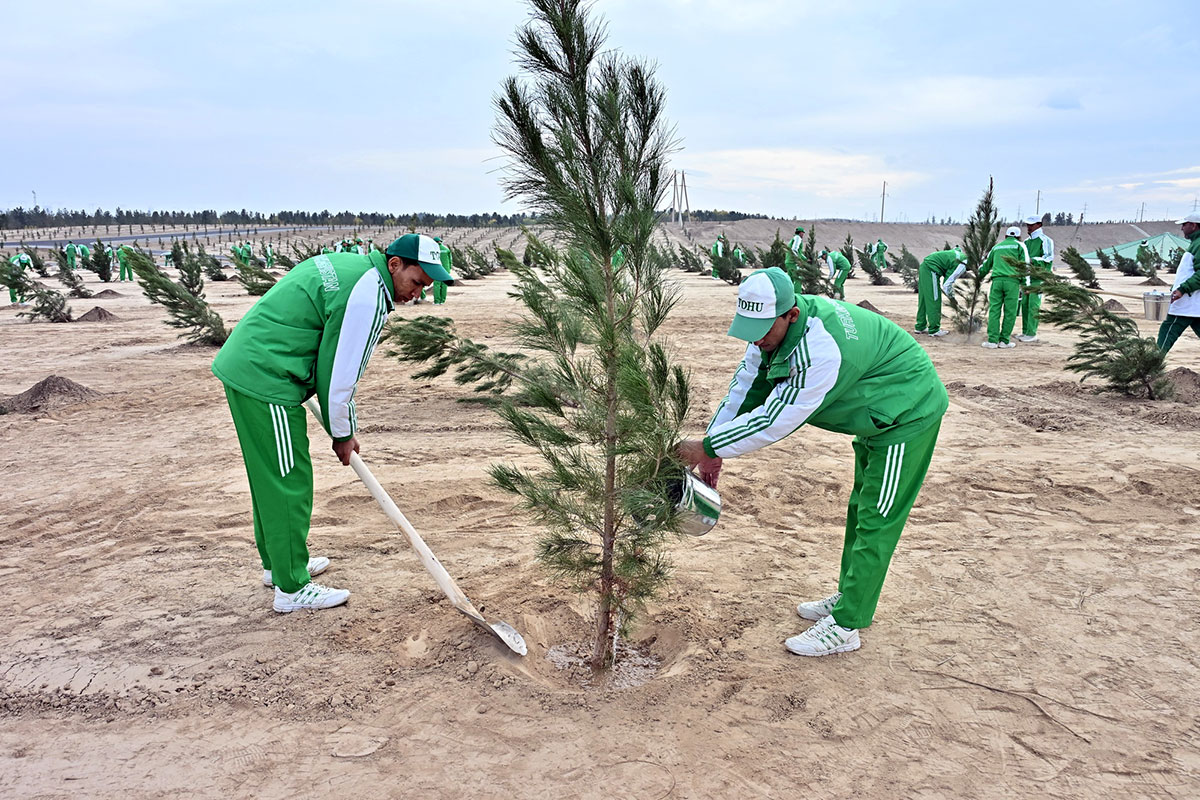
Two major events held in Turkmenistan on 7–8 November highlighted the country’s priorities in agriculture and environmental protection. Nearly 538,000 trees were planted nationwide as part of the autumn tree-planting campaign, while the Harvest Festival provided an opportunity to review the results of the agricultural year, recognize farmers’ achievements and honour workers in the sector.
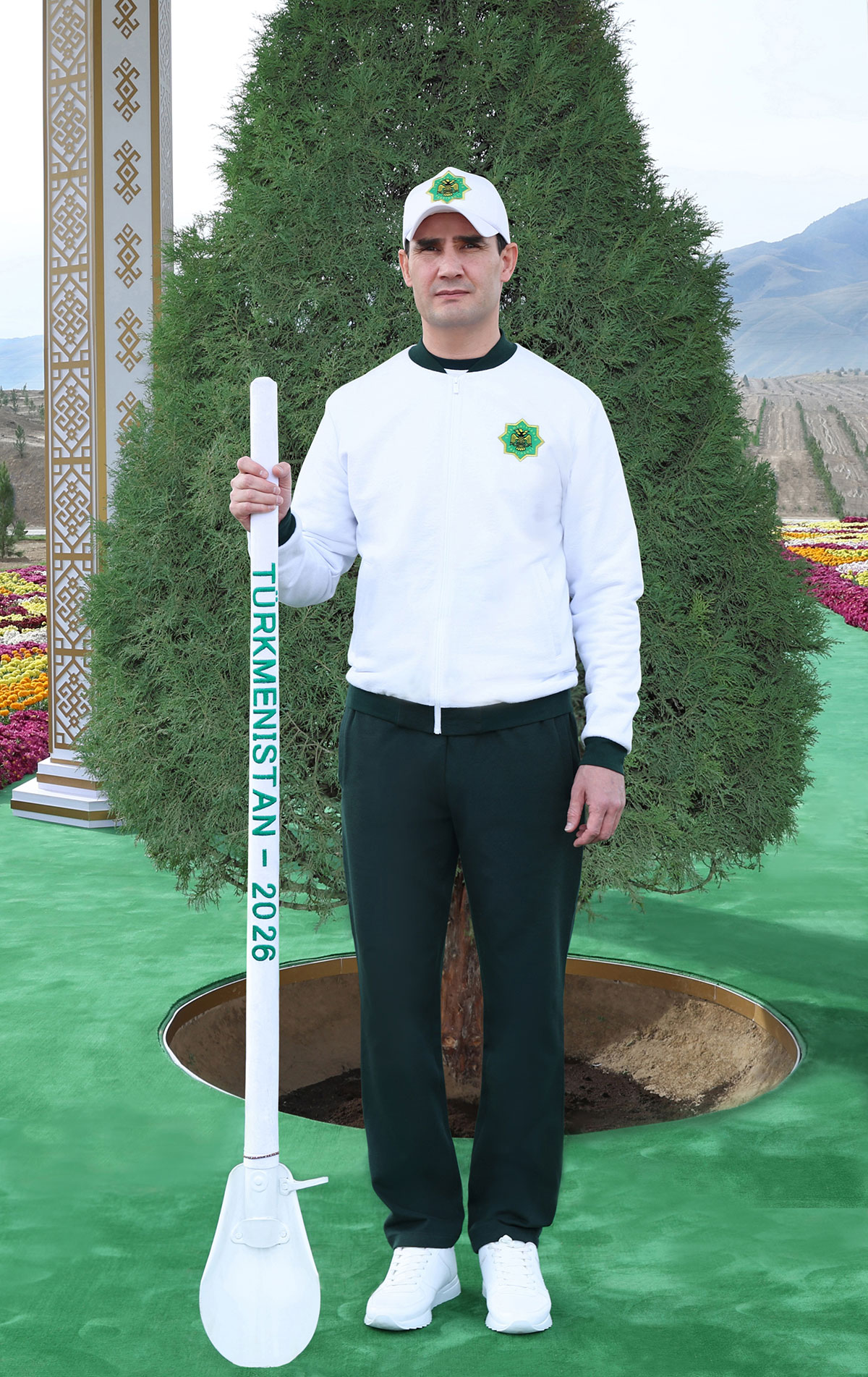
On 7 November, President Serdar Berdimuhamedov took part in the launch of the autumn season of the annual nationwide tree-planting campaign. The event brought together representatives of the country’s senior state bodies, ministries and agencies, military and law enforcement structures, the diplomatic corps, international organisations and the public.
A total of 537,900 trees of various species were planted across the country during the campaign. At the same time, landscaping and maintenance work was carried out in parks and forest areas, including the care of trees planted in previous years. A total of 1,947,396 previously planted trees are currently receiving ongoing maintenance and attention from specialists.
During the campaign, President Serdar Berdimuhamedov discussed the implementation of environmental and urban development programmes with Deputy Chairmen of the Cabinet of Ministers.
DPM T. Atahallyev, who oversees the agro-industrial sector, briefed the President on the progress of the nationwide greening campaign and activities under the National Forest Programme. The head of state emphasized the importance of environmental protection as a key component of government policy and instructed officials to maintain close attention to greening initiatives and the continued improvement of the country’s environment.
The development of Ashgabat’s green spaces was also discussed. DPM B. Annammammedov reported on ongoing efforts to improve the capital’s urban environment and expand its green areas. The President stressed the need to further develop the city’s infrastructure and modernize its social facilities.
The National Forest Programme sets out the main priorities of state policy in forestry, environmental protection and climate change adaptation. It provides for the preservation of natural forests, the creation of new green spaces, ecosystem protection and the sustainable management of forest resources, taking into account the natural and soil-climatic conditions of the country’s different regions.
The tree-planting campaign was also held in the city of Arkadag on the same day, with the participation of National Leader of the Turkmen People Gurbanguly Berdimuhamedov.
Harvest Festival: Reviewing the Agricultural Year
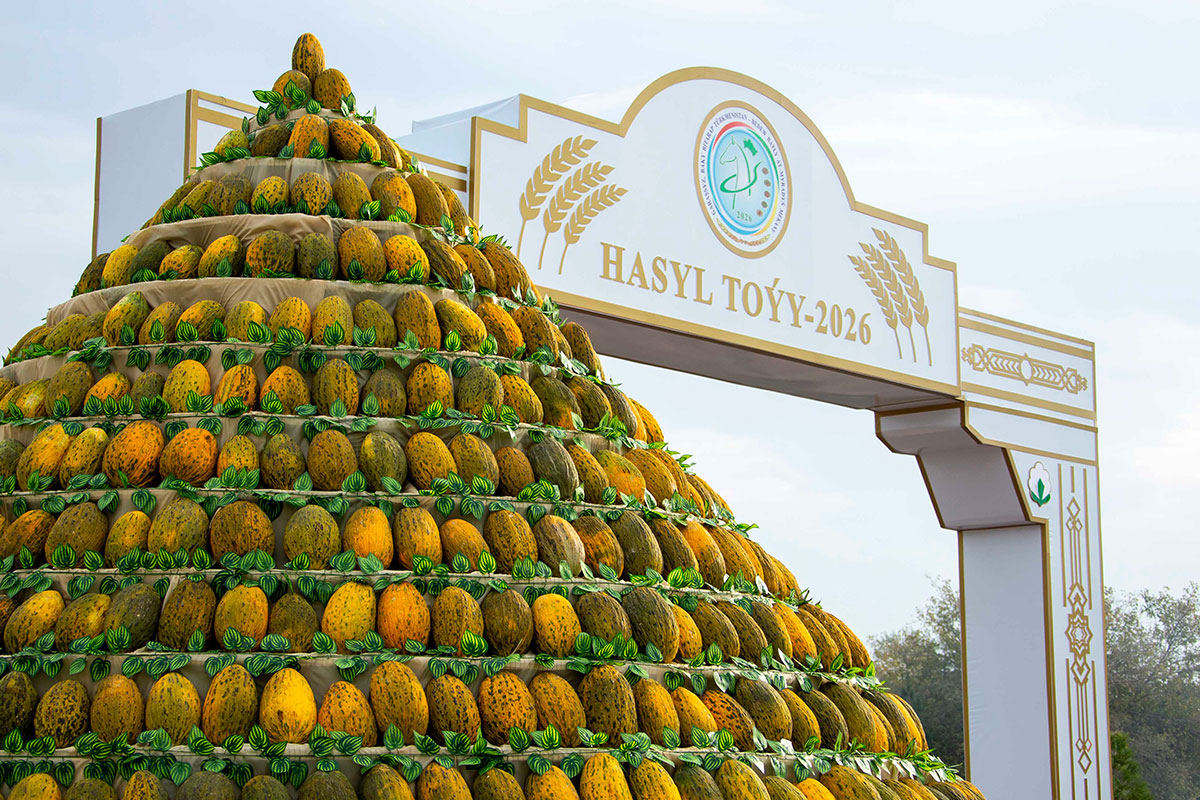
On 8 November, Turkmenistan celebrated its traditional Harvest Festival, held annually on the second Sunday of November. The occasion marks the culmination of the agricultural year and pays tribute to the hard work of farmers and employees of the agro-industrial sector.
Cultural events, thematic conferences, exhibitions and fairs were organised in Ashgabat and across the country’s regions, showcasing the achievements of Turkmenistan’s agricultural sector.
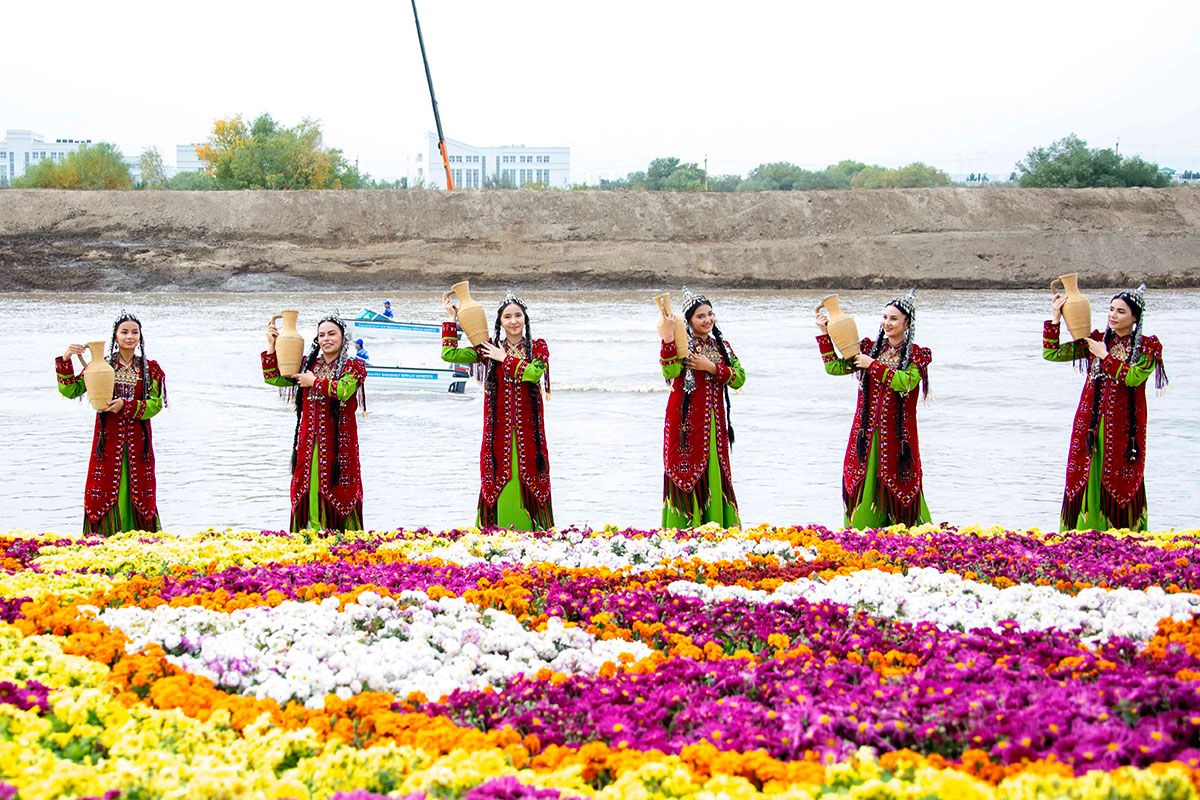
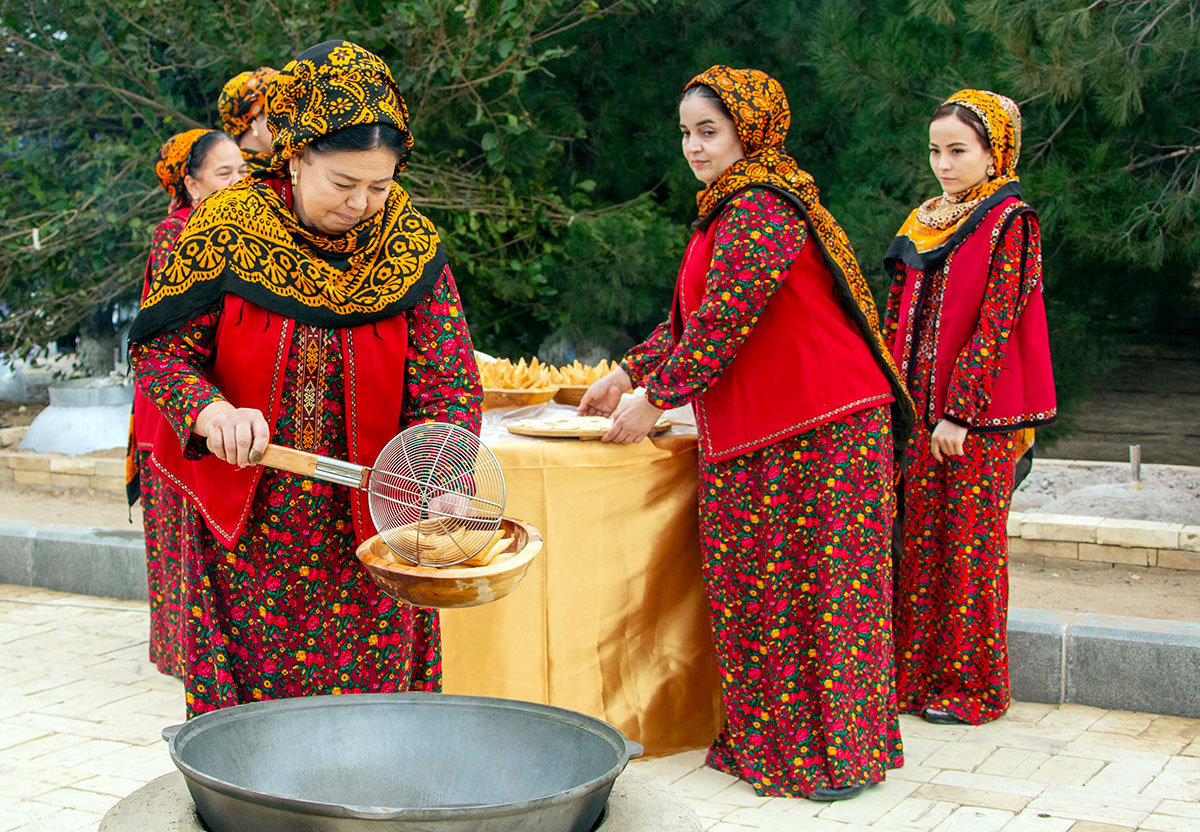
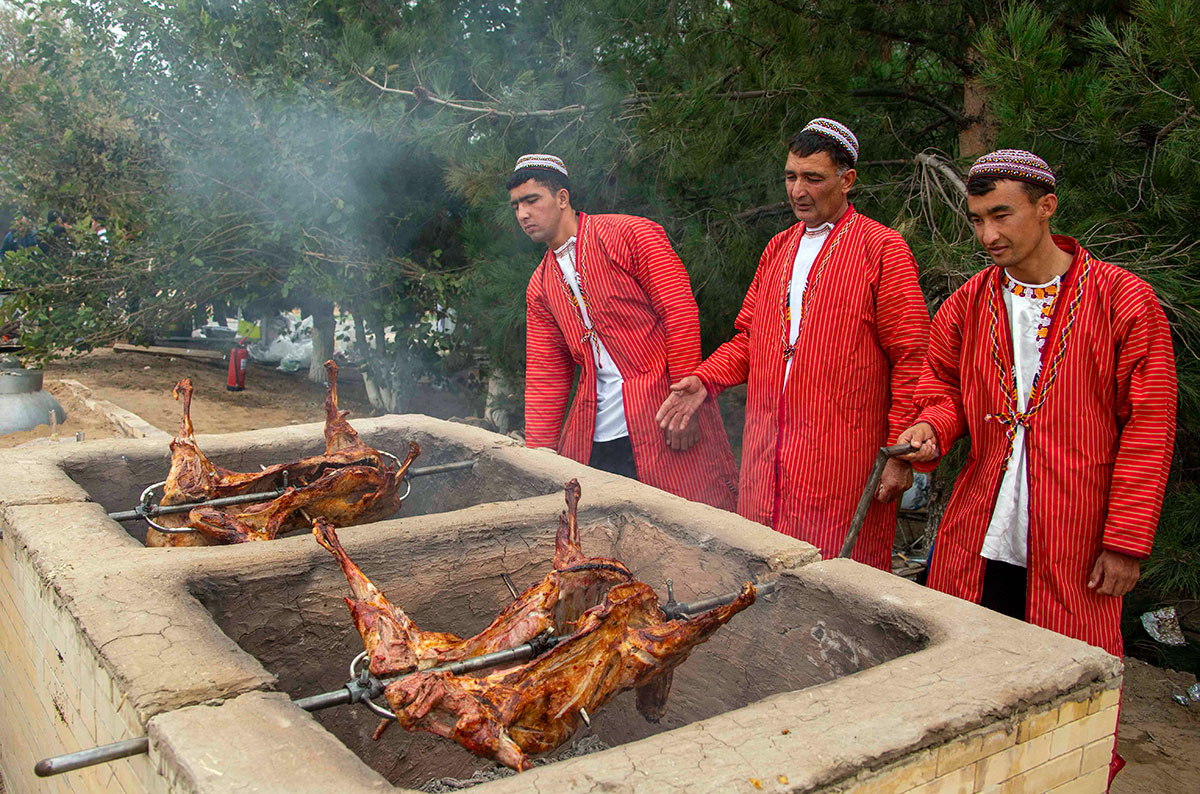
The main celebrations in the capital took place on the banks of the Karakum Canal, where a traditional ethnic village with exhibition pavilions was set up. Visitors were presented with various varieties of wheat and cotton, fresh vegetables, melons and other gourds, fruits and a range of other agricultural products.
This year, Turkmen farmers harvested more than 1.4 million tonnes of wheat. Strong results were also reported in the production of raw cotton, fruit and vegetables, and melon and gourd crops.
In recognition of the contribution made by workers in the agro-industrial sector, an Akhal-Teke horse was presented to President Serdar Berdimuhamedov on their behalf.
On the occasion of the Harvest Festival, the head of state signed a decree awarding the Turkmenistan Medal «Watana bolan söýgüsi üçin» (For Love of the Fatherland) to 19 workers in agriculture, the food industry and related sectors. The recipients included farmers and tenants of farmers’ associations, agricultural machinery operators, specialists in the grain and cotton industries, and employees of forestry, livestock and water management enterprises. They represented different regions of the country. ///nCa, 9 November 2026