


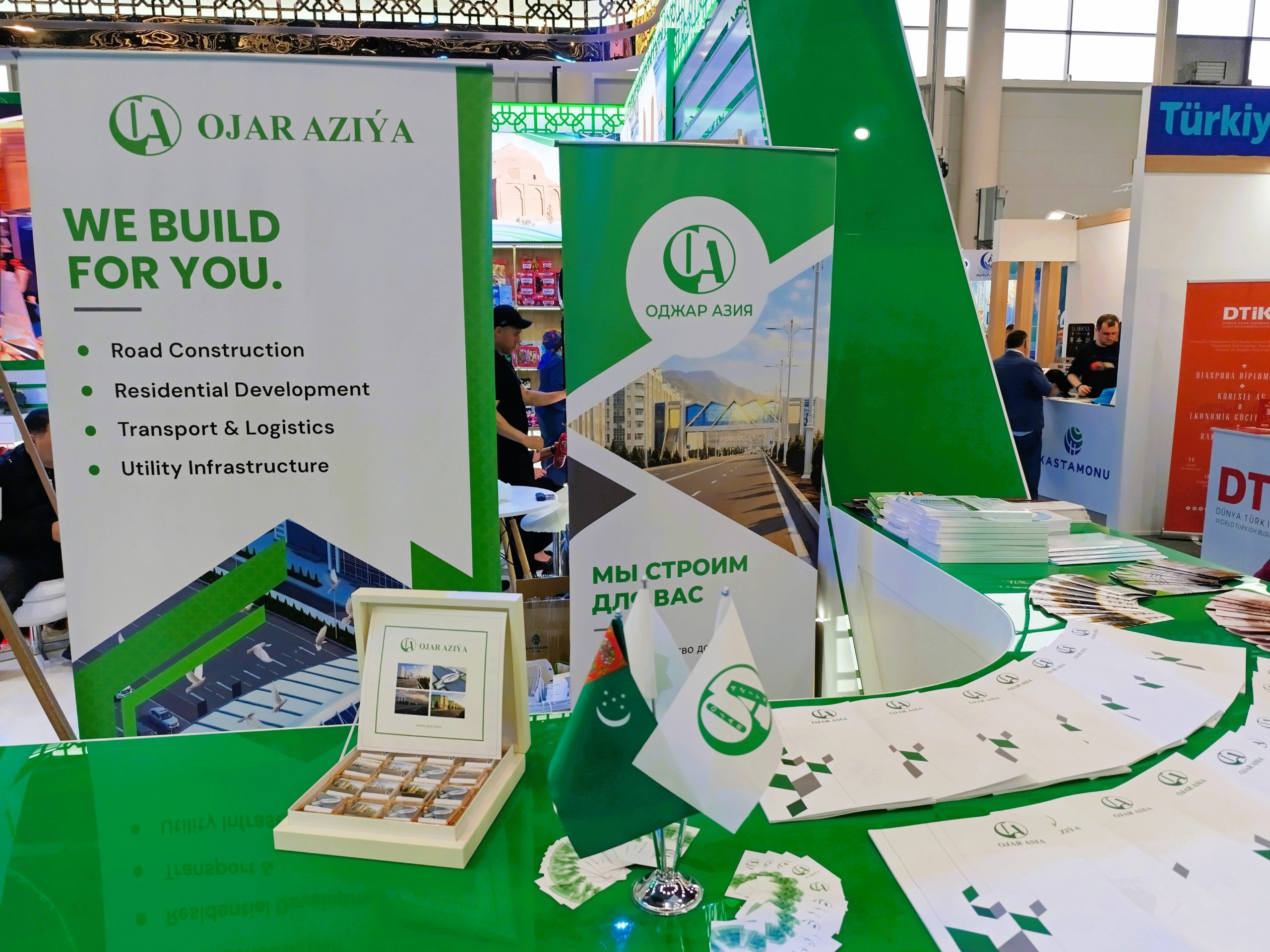
The international exhibition “Russia–Islamic World Cooperation,” held alongside the XVI International Economic Forum “Russia – Islamic World: KazanForum,” continues its work in Kazan, the capital of Tatarstan. One of the most prominent highlights within the Turkmenistan national pavilion is the booth of Ojar Aziýa. As a major player in the country’s construction market, the company presented large-scale projects that have the potential to radically redraw the logistical map of Eurasia.
Strategic Vector: Sarakhs–Mary–Serhetabat
At the heart of the exposition is the presentation of the Sarakhs–Mary–Serhetabat high-speed highway. While it may appear to be simply a massive construction project to the layperson, experts and business leaders view the future route as a vital link in the Lapis Lazuli international transport corridor.
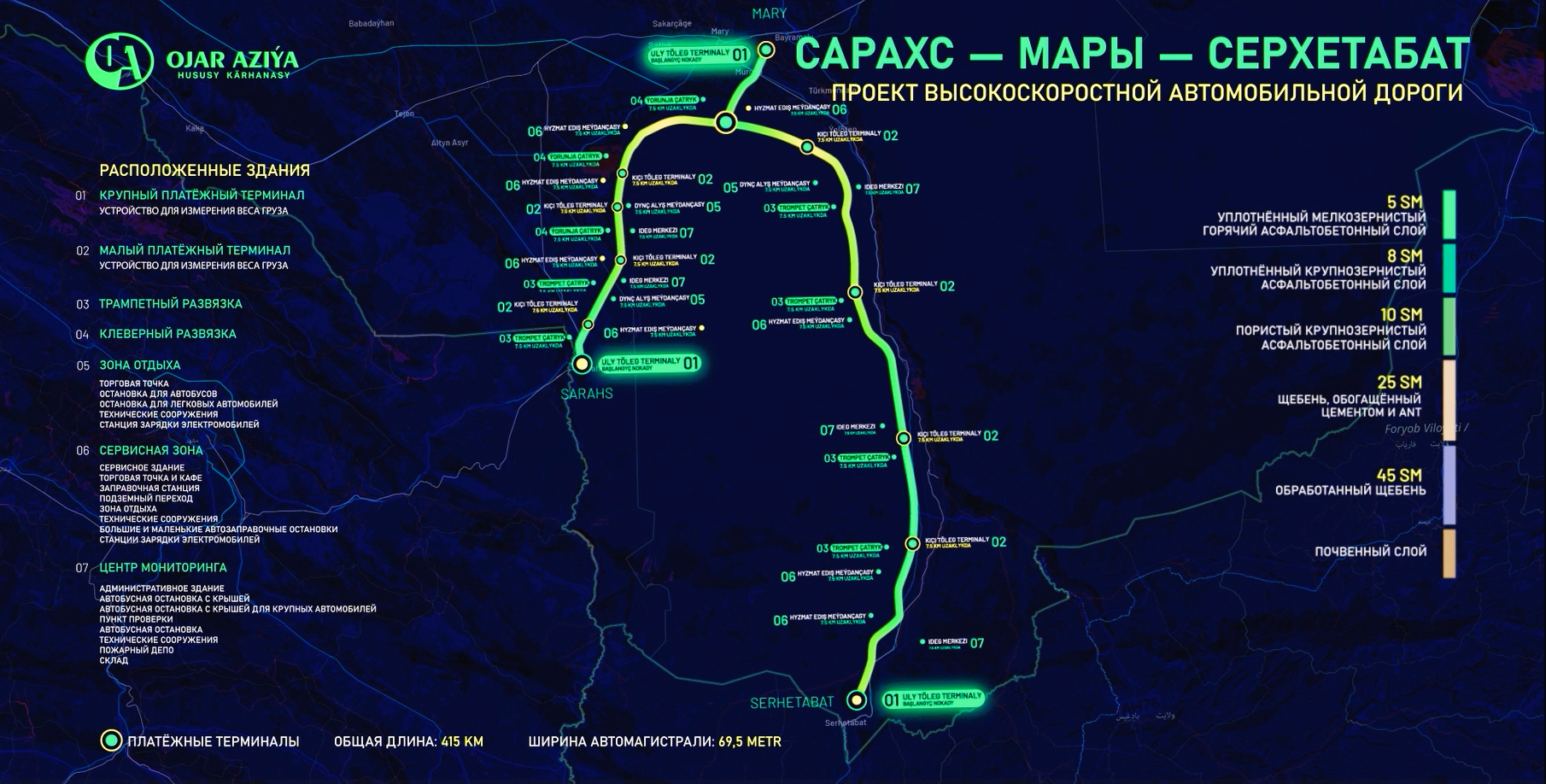
The highway, designed by Ojar Aziýa, is intended to connect Afghanistan, Turkmenistan, Azerbaijan, Georgia, and Turkey into a unified multimodal system. Given that most participants in the Lapis Lazuli Corridor agreement represent the Islamic world, the high level of investor interest in the booth was entirely expected.
The logic behind the Sarakhs–Mary–Serhetabat project is straightforward: it serves as a platform for economic connectivity that will open new trade routes and attract increased investment to the region. This, in turn, translates to economic growth for those nations whose logistics are tied to the route.
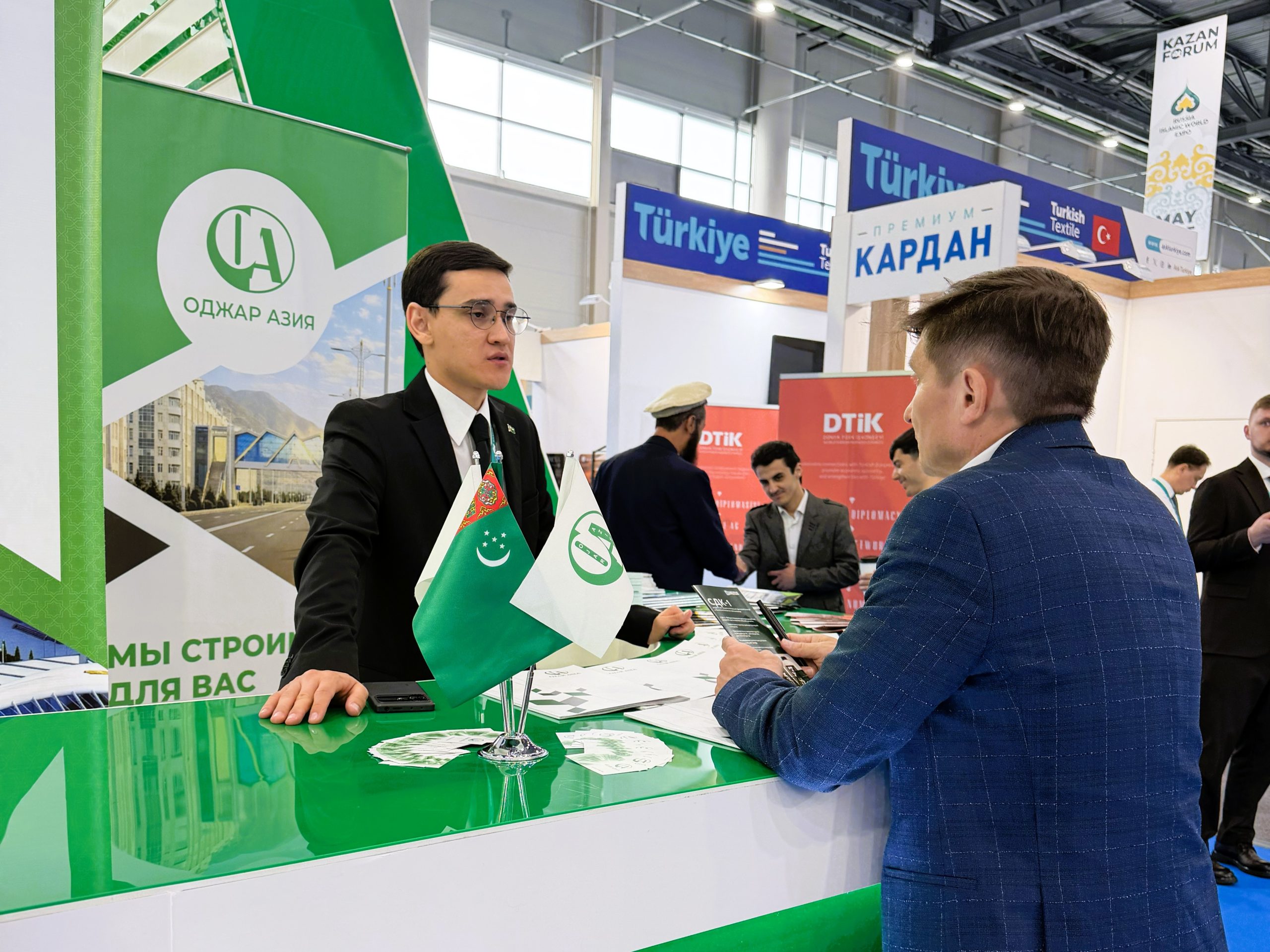
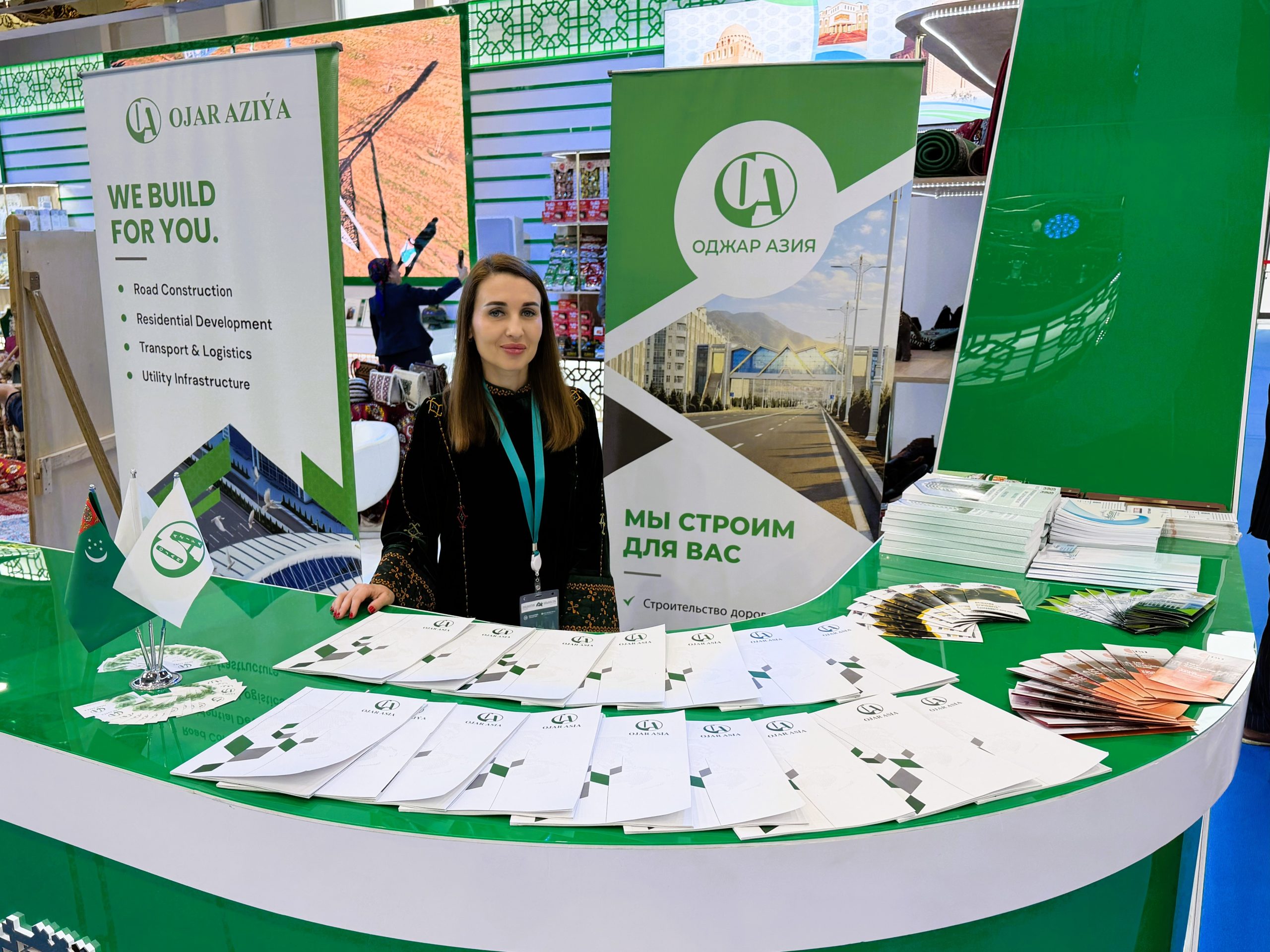
Turkmen Business Demonstrates a Comprehensive Approach
The Ojar Aziýa exposition clearly demonstrates another hallmark of Turkmenistan’s thriving private sector: modern Turkmen business has long since evolved beyond narrow specialization. A single group is now capable of creating an entire ecosystem of successful entrepreneurship.
Ojar Aziýa brought a full contingent of subsidiaries to the forum, covering various sectors of the modern economy:
- Garagum Transit – focusing on logistical capacity;
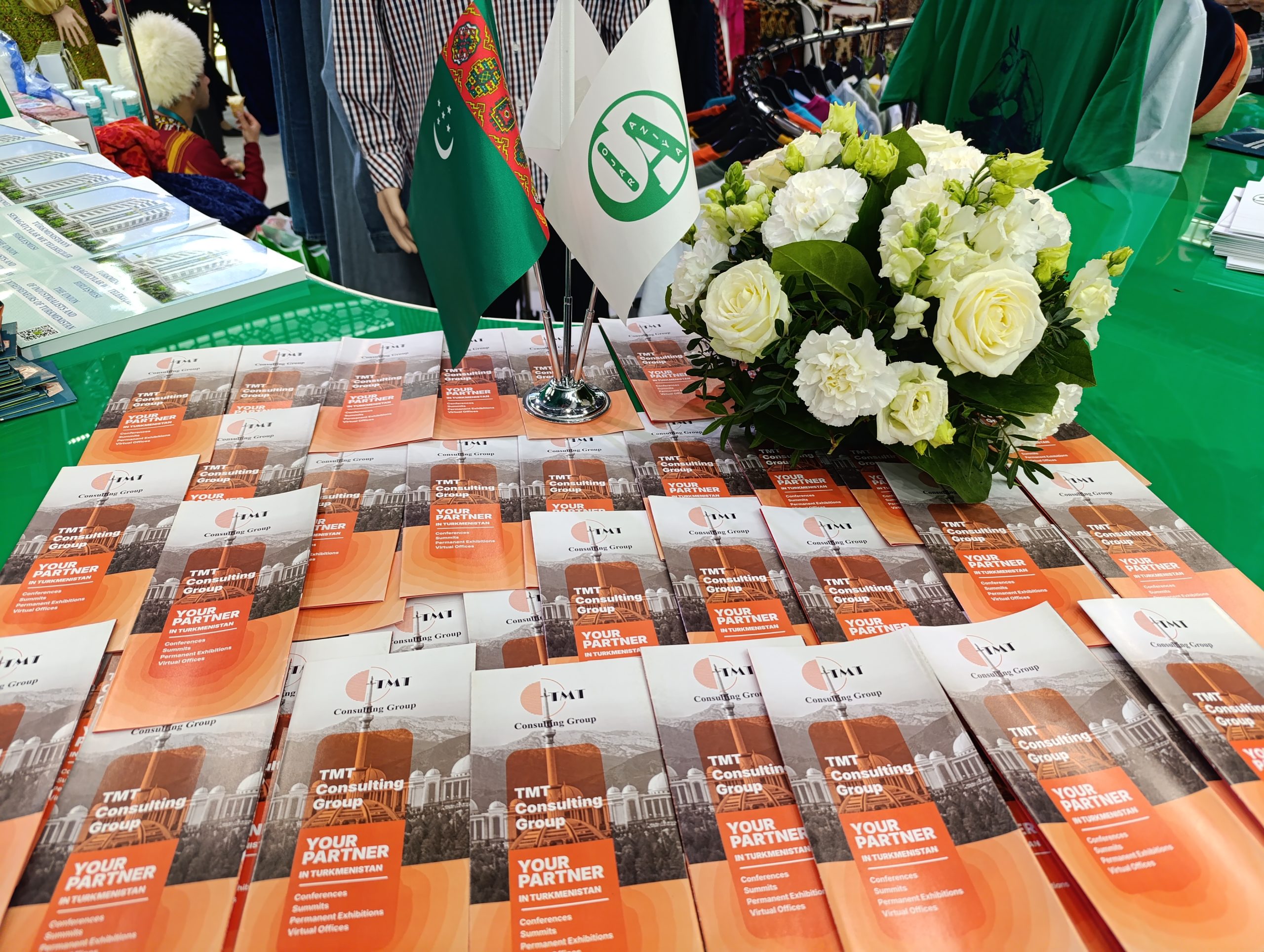
- TMT Consulting Group – providing consulting expertise;
- Türkmen hukukçylar topary (THT) – legal support for international transactions;
- Amatly çözgüt – development of IT solutions for industrial infrastructure.
This “turnkey” approach sparked significant interest among delegations from the Organization of Islamic Cooperation (OIC). The ability to secure not only a physical facility but also its digital, legal, and logistical framework—all while working with a single reliable partner in the stable environment offered by Turkmenistan—is precisely what pragmatic international investors are seeking today.
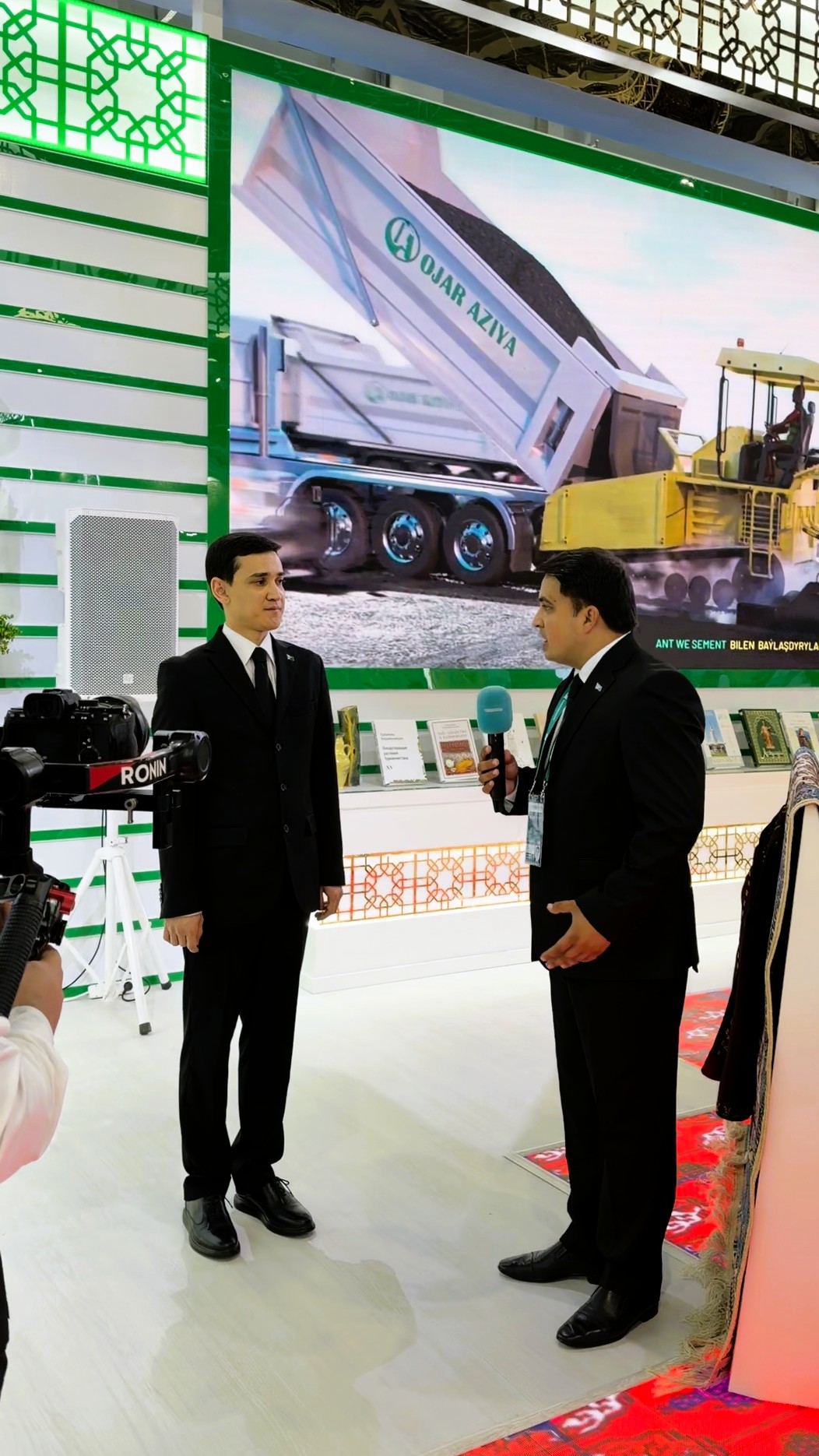
Ojar Aziýa’s participation in the Kazan exhibition is more than just a branding exercise. It is a clear signal that Turkmenistan is actively integrating into global economic processes. The country is evolving beyond being a mere transit zone or resource provider. Thanks to business representatives like Ojar Aziýa, Turkmenistan is transforming resources into complex infrastructure projects that yield high returns for the national economy and, ultimately, integrate the economies of Eurasia and the Islamic world. ///nCa, 15 May 2026