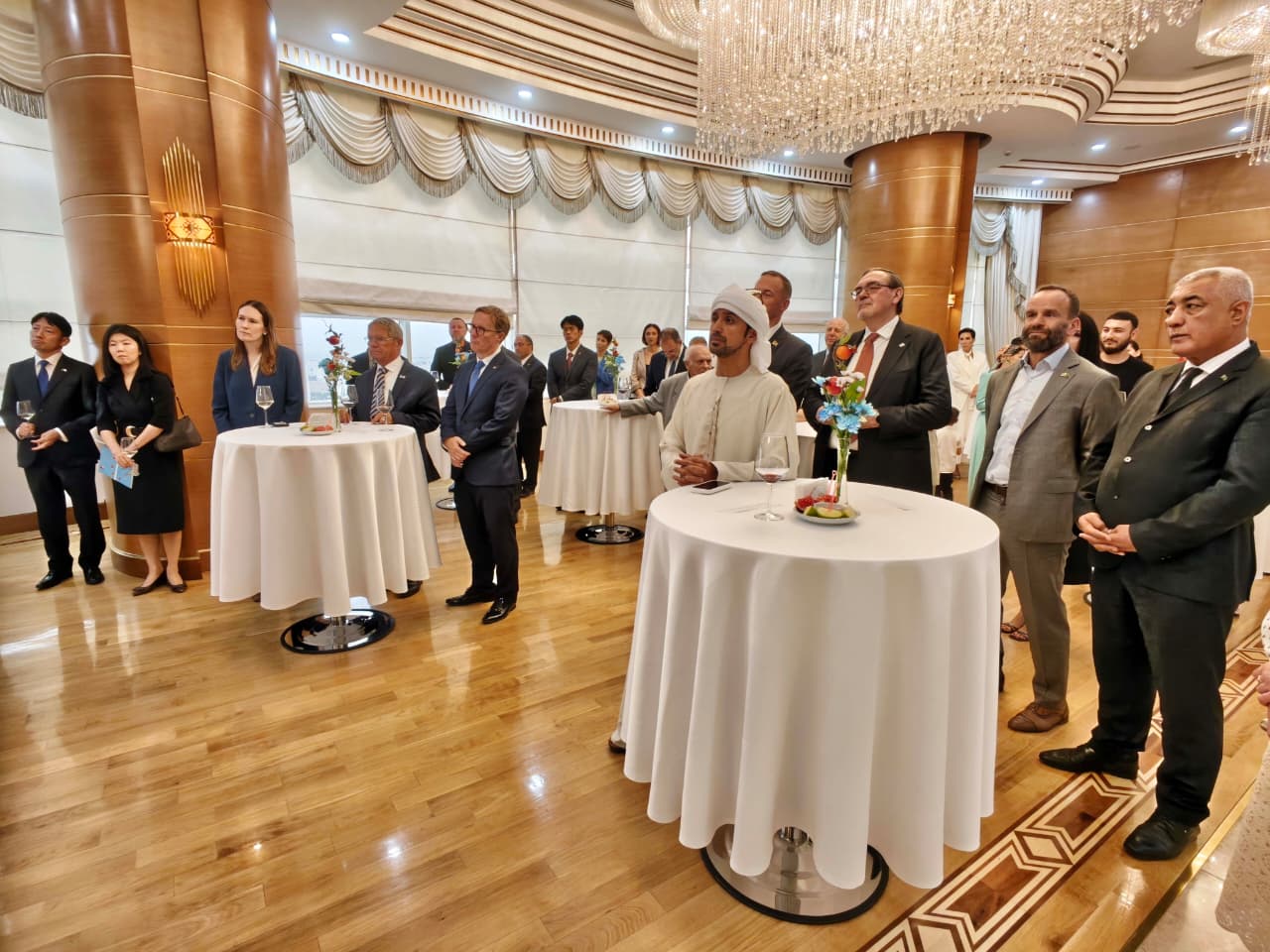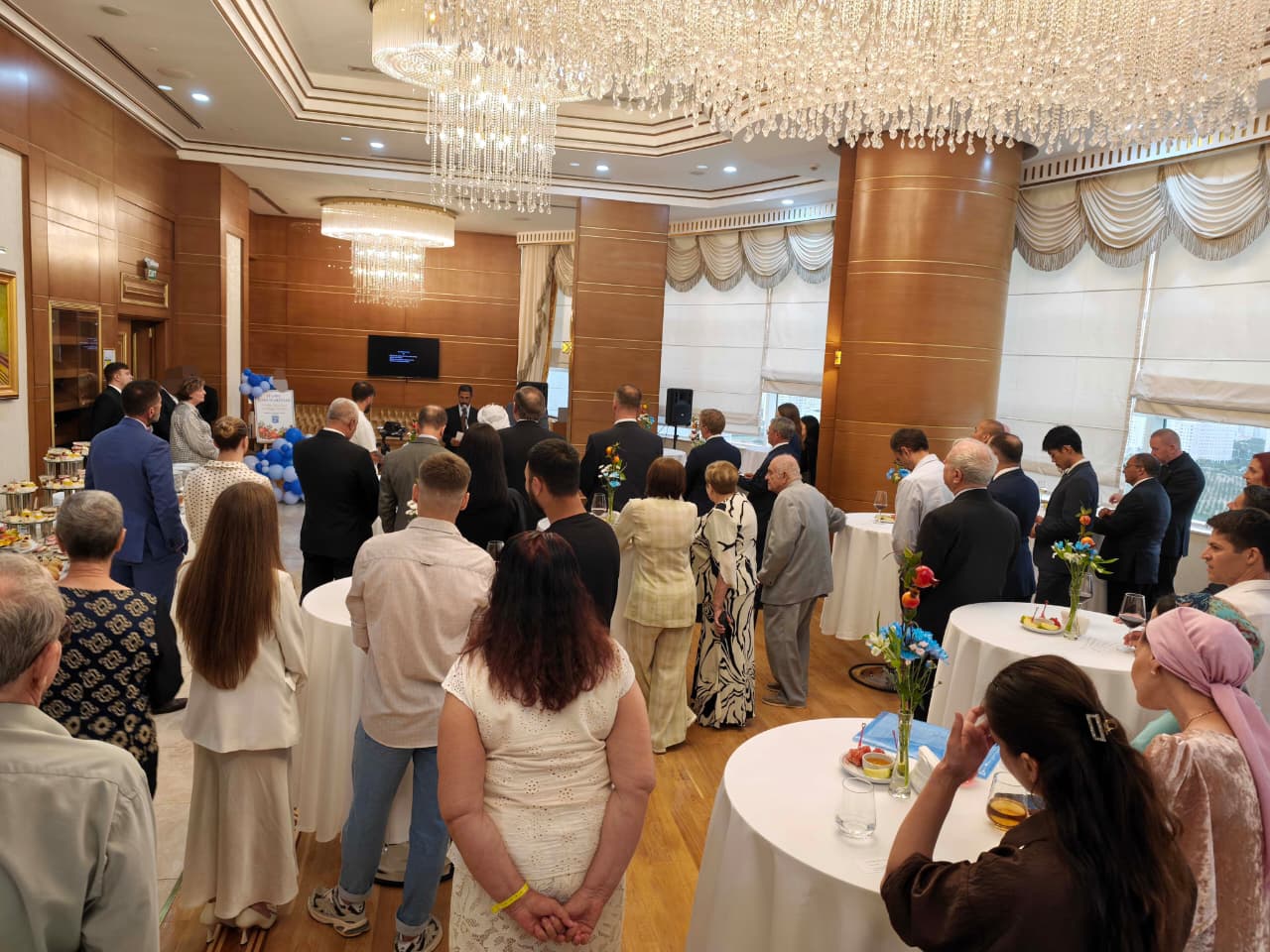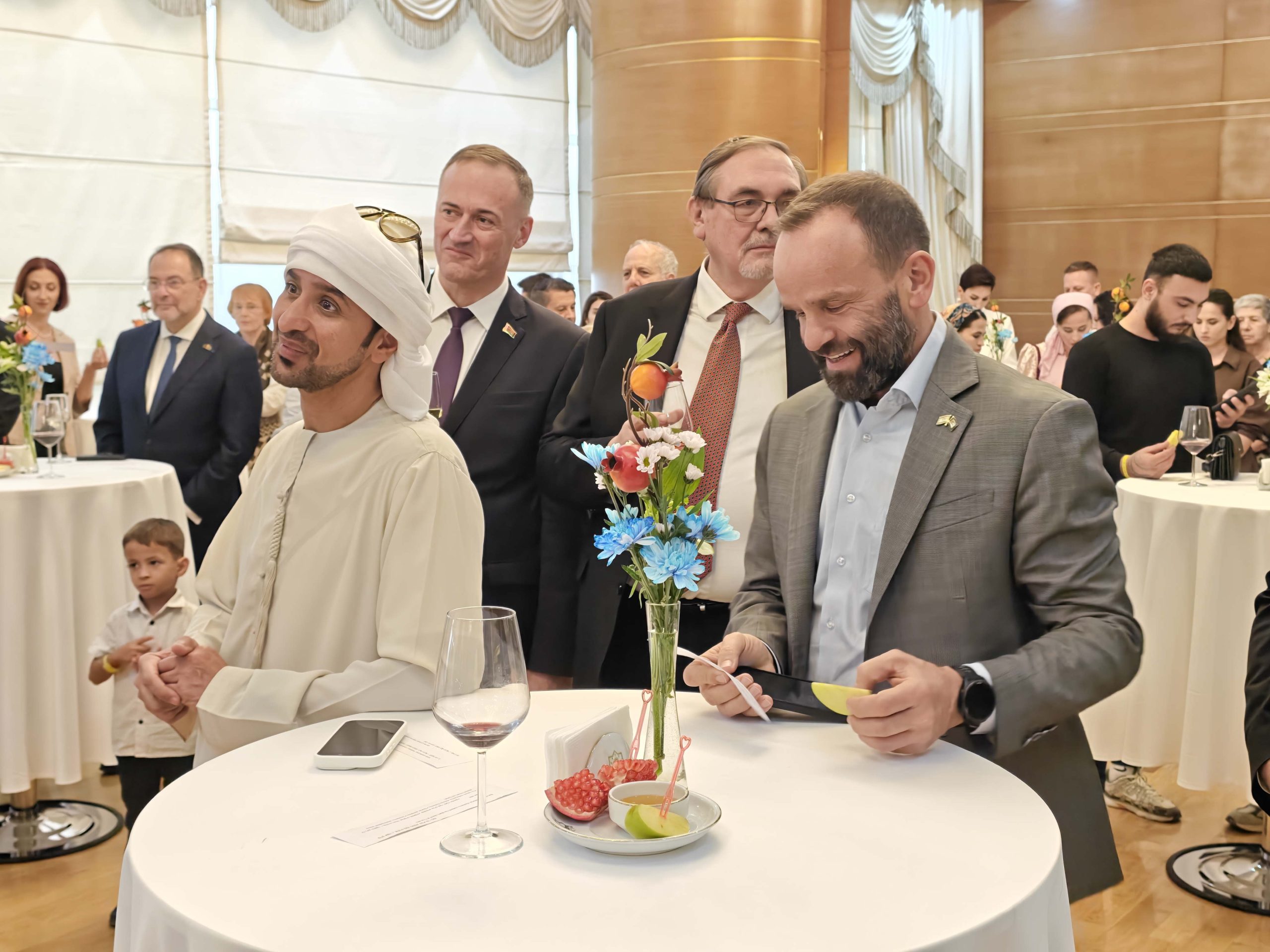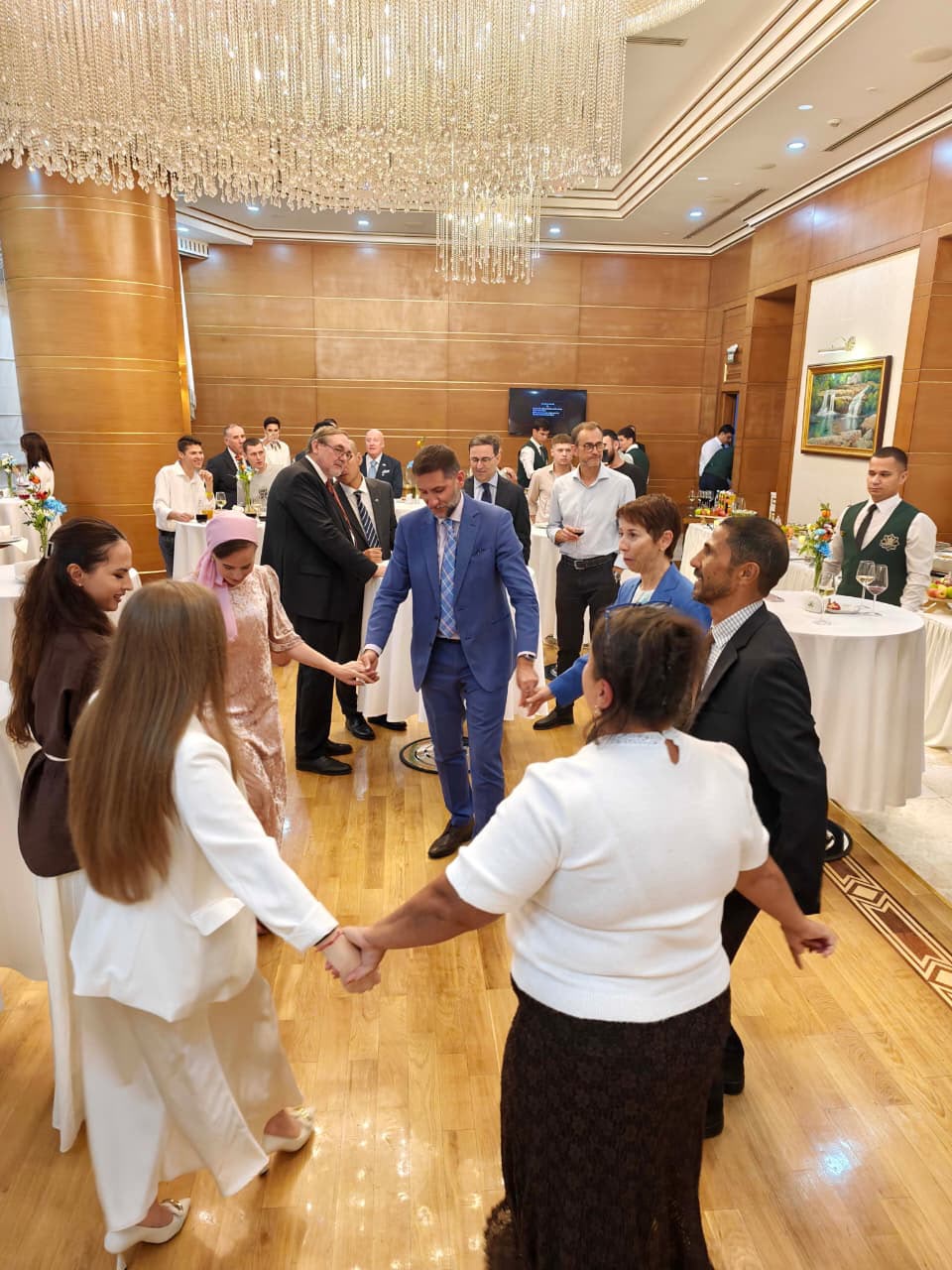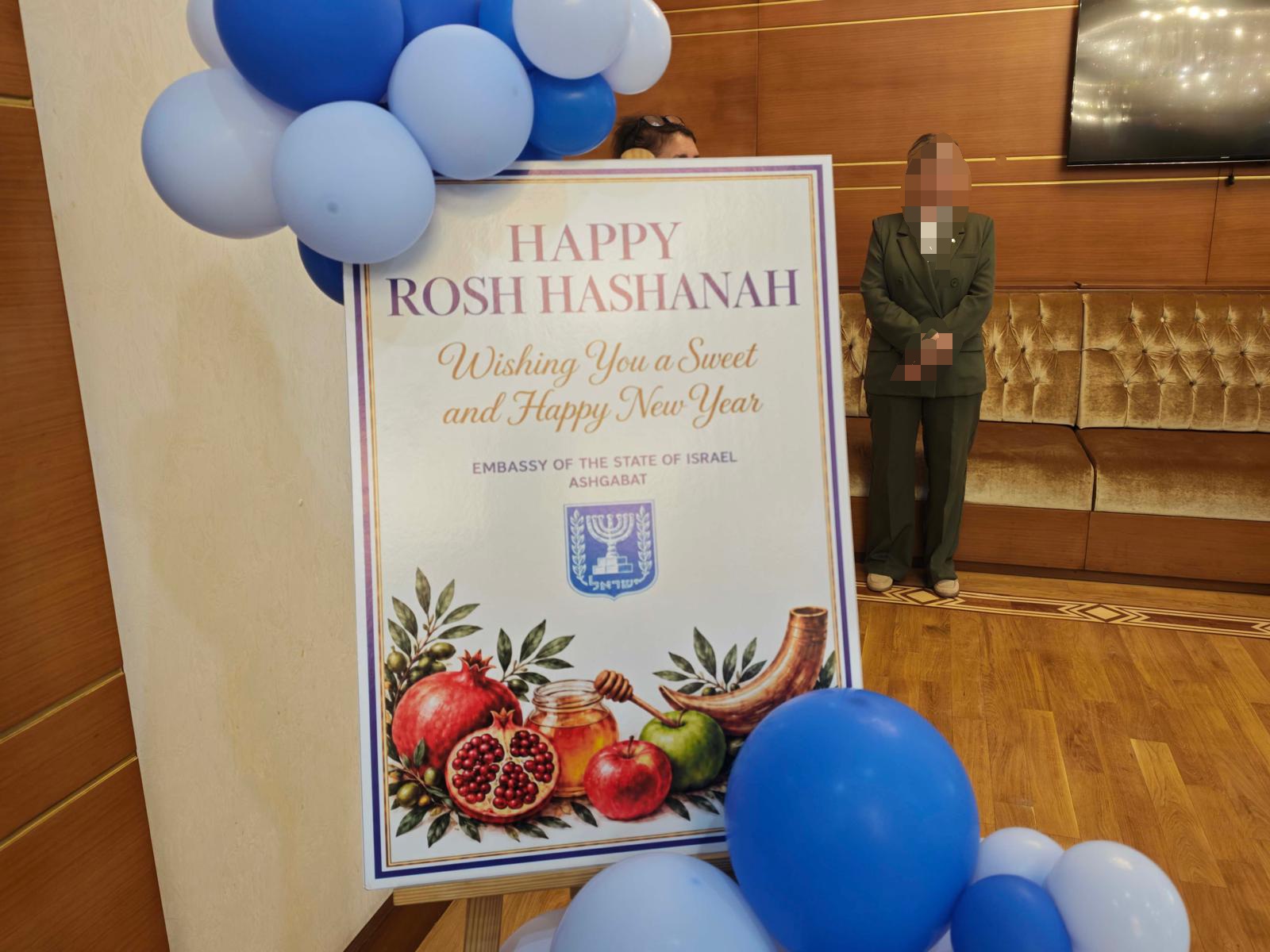
The Embassy of the State of Israel in Turkmenistan hosted a festive reception marking Rosh HaShana, the Jewish New Year, on September 9 at the Archabil Hotel in Ashgabat.
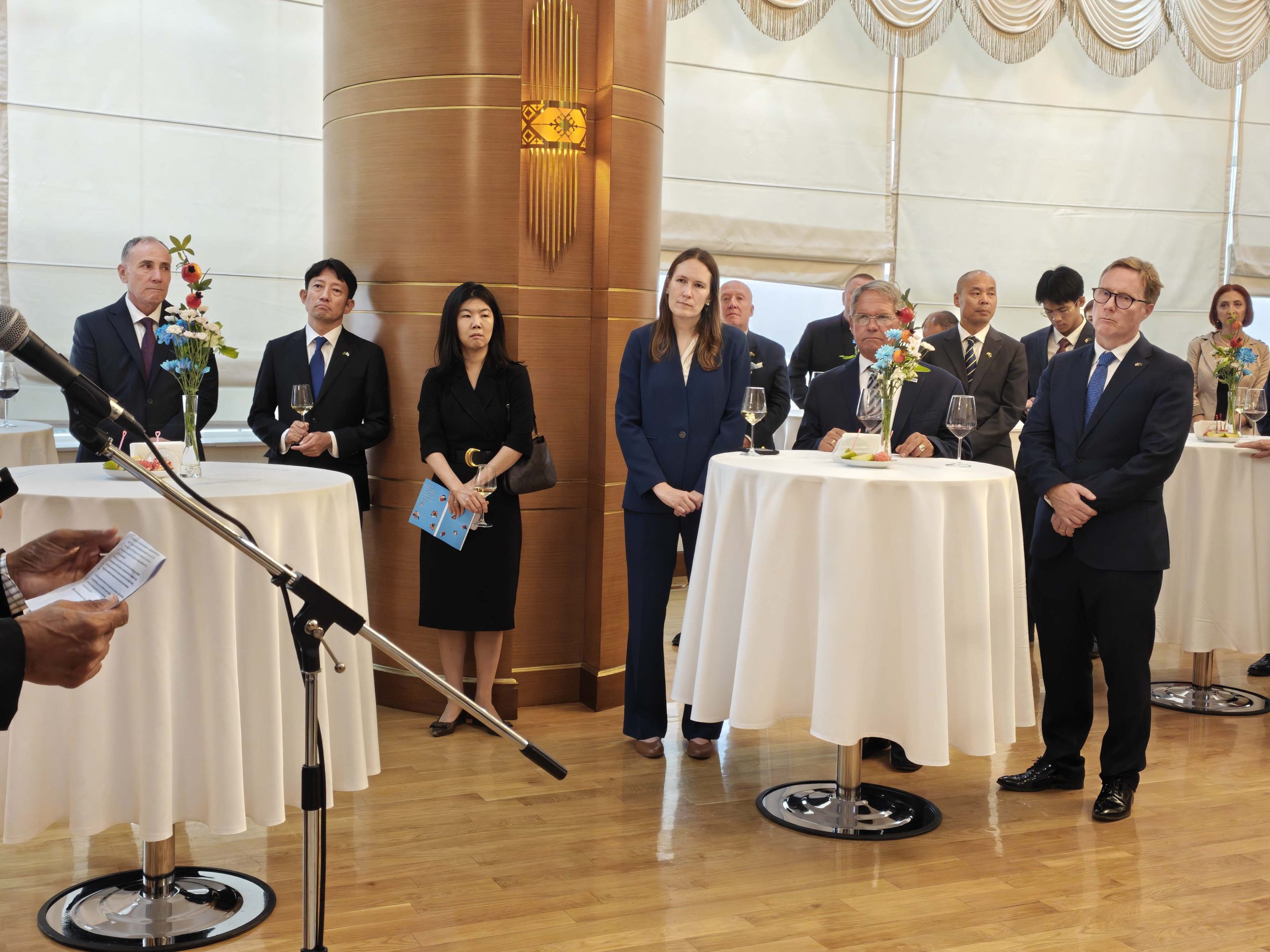
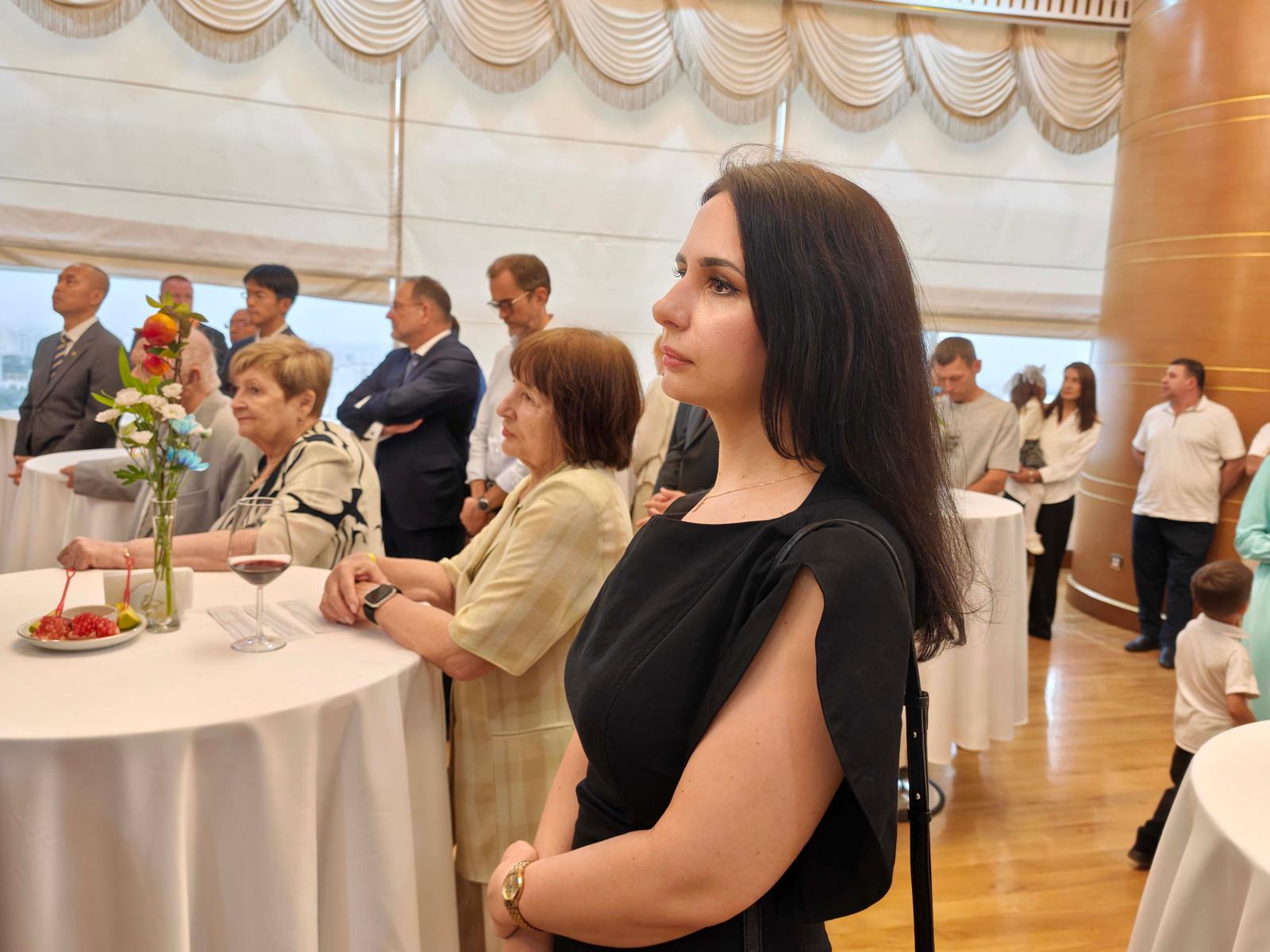
The event brought together officials from the Ministry of Foreign Affairs of Turkmenistan, members of the diplomatic community, representatives of the local Jewish community, and other distinguished guests. The gathering provided an opportunity to celebrate the beginning of the new Jewish year in an atmosphere of friendship, respect and cultural exchange.
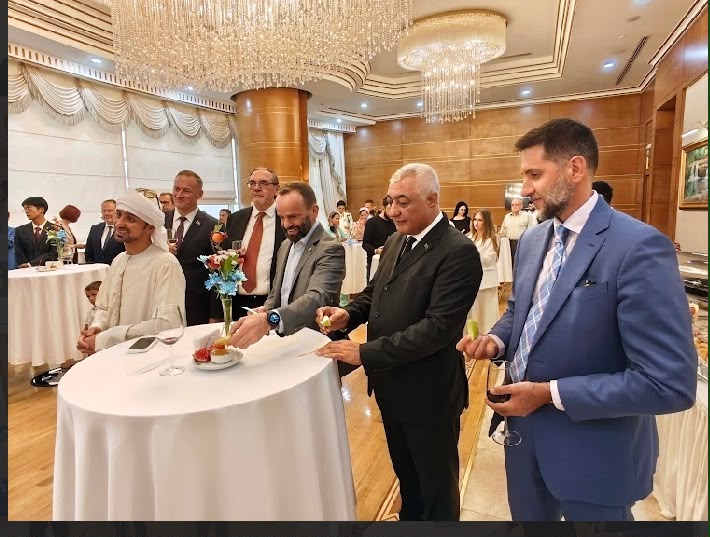
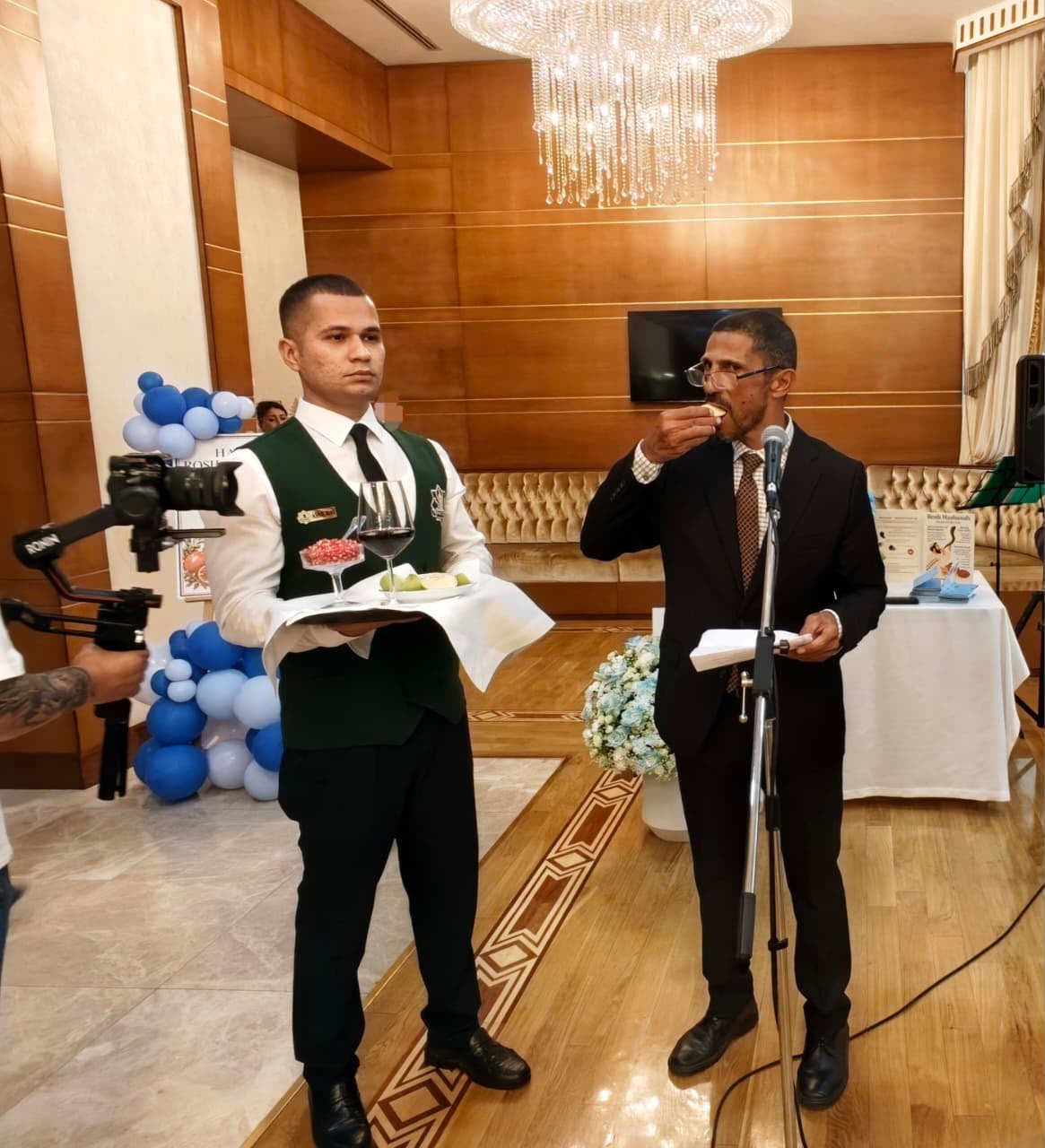
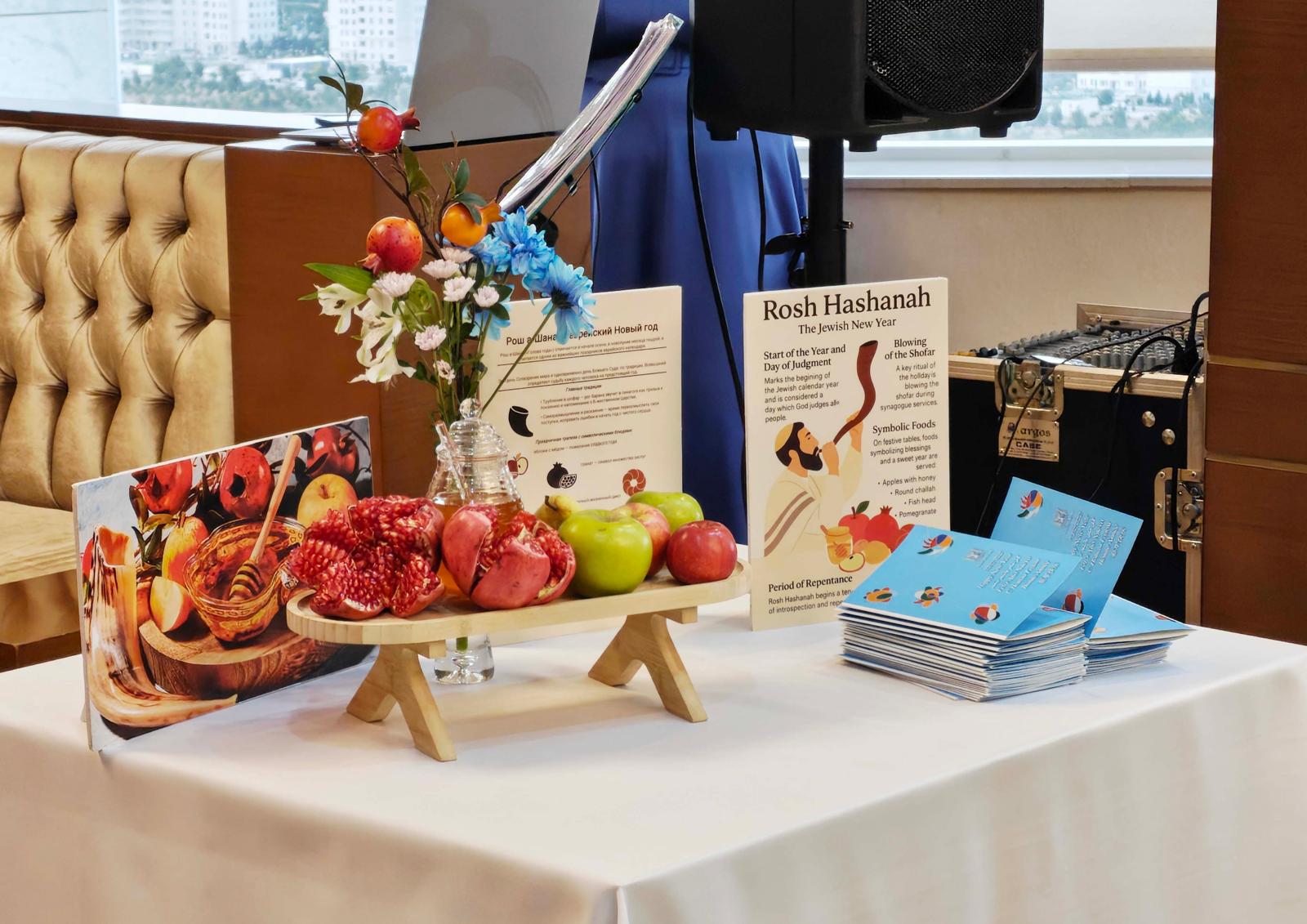
During the reception, guests were introduced to the traditions and customs associated with Rosh HaShana, a holiday symbolizing renewal, hope and new beginnings. The celebration included traditional elements of the holiday, including the sharing of apples and honey, symbolizing hopes for a sweet and prosperous year ahead, as well as traditional Rosh HaShana songs and dancing.
The Embassy expressed its appreciation to all guests for joining the celebration and for their continued friendship and cooperation. The event reflected the warm and respectful relations between Israel and Turkmenistan and highlighted the importance of cultural dialogue and people-to-people connections.
The Embassy of the State of Israel in Turkmenistan wishes everyone a Shana Tova U’Metuka, a good and sweet New Year, filled with peace, health, happiness and prosperity.
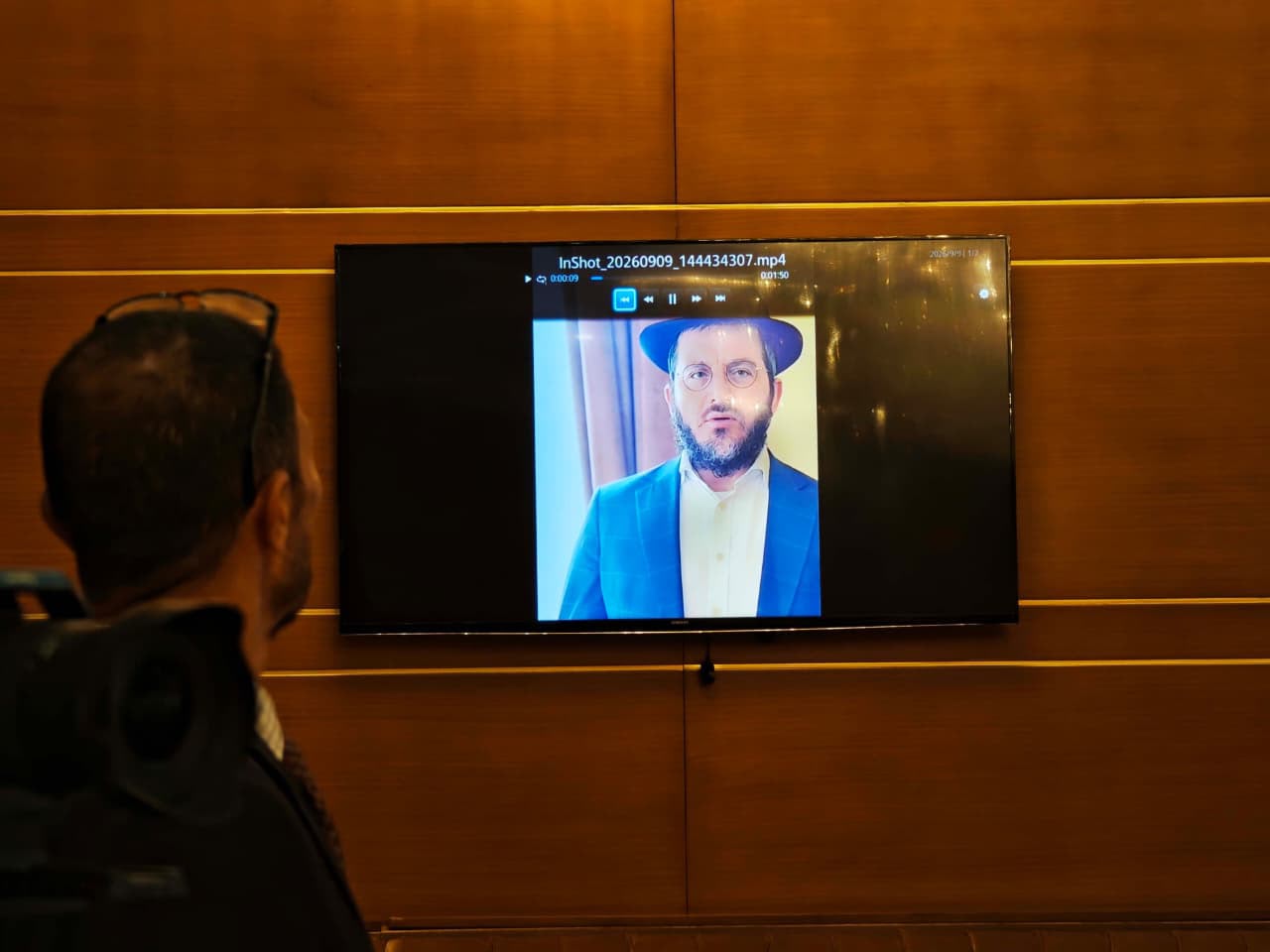
Video message by Rabbi Osher Krichevsky has been displayed at the event.
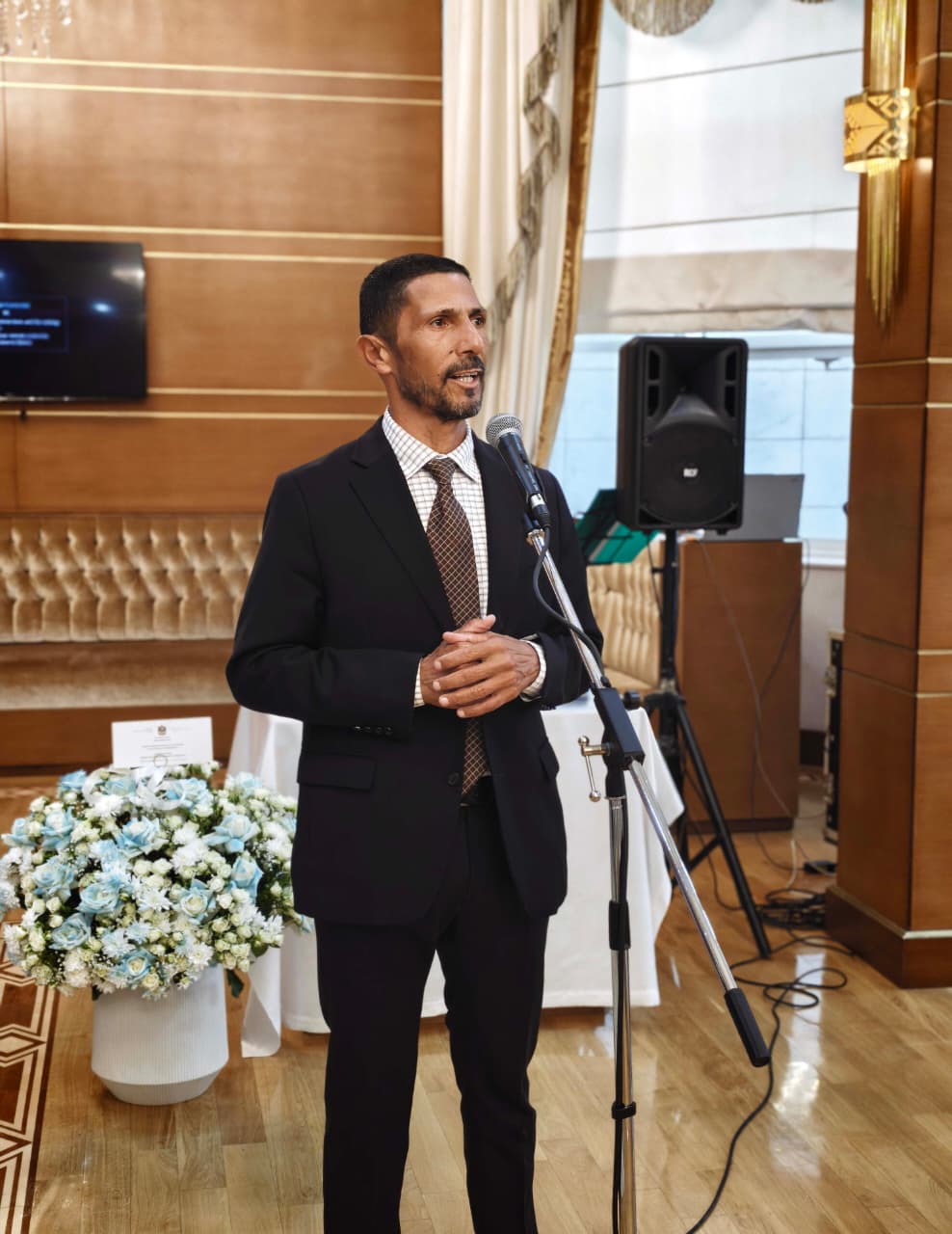
Speech of Ambassador Ismail Khaldi
Your Excellency Yazguli Mammadov, Ministry of Foreign Affairs,
Excellencies, fellow diplomats, Ambassadors and Heads of Diplomatic Missions;
Our dear friends from the Jewish community in Turkmenistan;
It is a great pleasure to see you all here with us at this modest gathering to celebrate the Jewish New Year—Rosh Hashanah.
What Is Rosh Hashanah and what it is all about?
Rosh Hashanah marks the beginning of the Jewish year. According to Jewish tradition, it is associated with the creation of Adam and Eve and is considered a day of divine judgment and the coronation of God as King
Israel, as the only Jewish state in the world, naturally is the only country marking this important holiday. Over the years, it has become a tradition for the Embassy of Israel to celebrate Rosh Hashanah here in Ashgabat, together with our friends and partners
Rosh Hashanah is part of the Jewish High Holidays—the most meaningful period in the Jewish calendar. This period of high holidays begins with Rosh Hashanah. Ten days later, comes Yom Kippur, the Day of Atonement. Yom Kippur in itself is the holiest day of the Jewish year. Its observances include fasting, intensive prayer with the aim of seeking reconciliation with God and with our fellow human beings.
After Yom Kippur comes Sukkot, a seven-day Jewish festival commemorating the Israelites’ journey through the desert and God’s protection. During Sukkot, Jews live in temporary tents called sukkah, and perform rituals with the Four Species—etrog (citron), lulav (palm branch), hadas (myrtle), and aravah (willow)— all as expressions of unity, gratitude, and connection.
While different nations celebrate the New Year with big parties and fireworks, Rosh Hashanah is celebrated differently: it is about reflection, renewal, dialogue and unity within Jewish communities and setting resolutions for the year ahead. And of course, it is about hope—for a better year and hope for peace.
These are not only Jewish values. They are universal values.
In his book “Ynsan kalbynyň öçmejek nury”-The Unquenchable Light of the Human Soul, the National Leader of the Turkmen people, Esteemed Gurbanguly Berdimohamedov wrote about the poetry of Magtymguly Pyragy, which reflects humanity, patriotism, spirit, integrity, and unity.
These values can inspire every human being, regardless of nationality, religion, or culture.
This is all true in our professional diplomatic lives as well.
So at the beginning of this New Year, I wish all of us continued success in working together—with faith, professionalism, trust, friendship, and a shared responsibility for the future and for strong relationships we continue to build with each other.
To conclude: Rosh Hashanah has few interesting traditions, but I will share the famous one- here comes the fun part—it is eating apples dipped in honey.
Why apples and why honey? Because honey carries a simple message of hope for sweetness in the coming year. And apples represent refreshment, love and beauty.
This custom is often accompanied by a greeting wishing for a sweet and prosperous New Year.
Before eating the apple, Jews say the blessing:
בָּרוּךְ אַתָּה יְיָ, אֱלֹהֵֽינוּ מֶֽלֶךְ הָעוֹלָם, בּוֹרֵא פְּרִי הָעֵץ.
Baruch atah Adonai, Eloheinu melech ha-olam, borei p’ri ha-eitz.
Which means:
“We praise You, Eternal God, Sovereign of the Universe, Creator of the fruit of the tree.”
Then we add:
יְהִי רָצוֹן מִלְּפָנֶךָ, יְיָ אֱלֹהֵֽינוּ וֵאלֹהֵי אֲבוֹתֵֽינוּ וְאִמּוֹתֵֽינוּ, שֶׁתְּחַדֵּשׁ עָלֵינוּ שָׁנָה טוֹבָה וּמְתוּקָה.
Y’hi ratzon milfanecha, Adonai Eloheinu v’Elohei avoteinu v’imoteinu, shetchadesh aleinu shanah tovah um’tukah.
Which means:
“May it be Your will, Eternal our God, that this be a good and sweet year for us.”
Shana tova
L’chaim
///Embassy of Israel to Turkmenistan, 10 September 2026
Here are some photos from the event: