


Elvira Kadyrova, Ankara
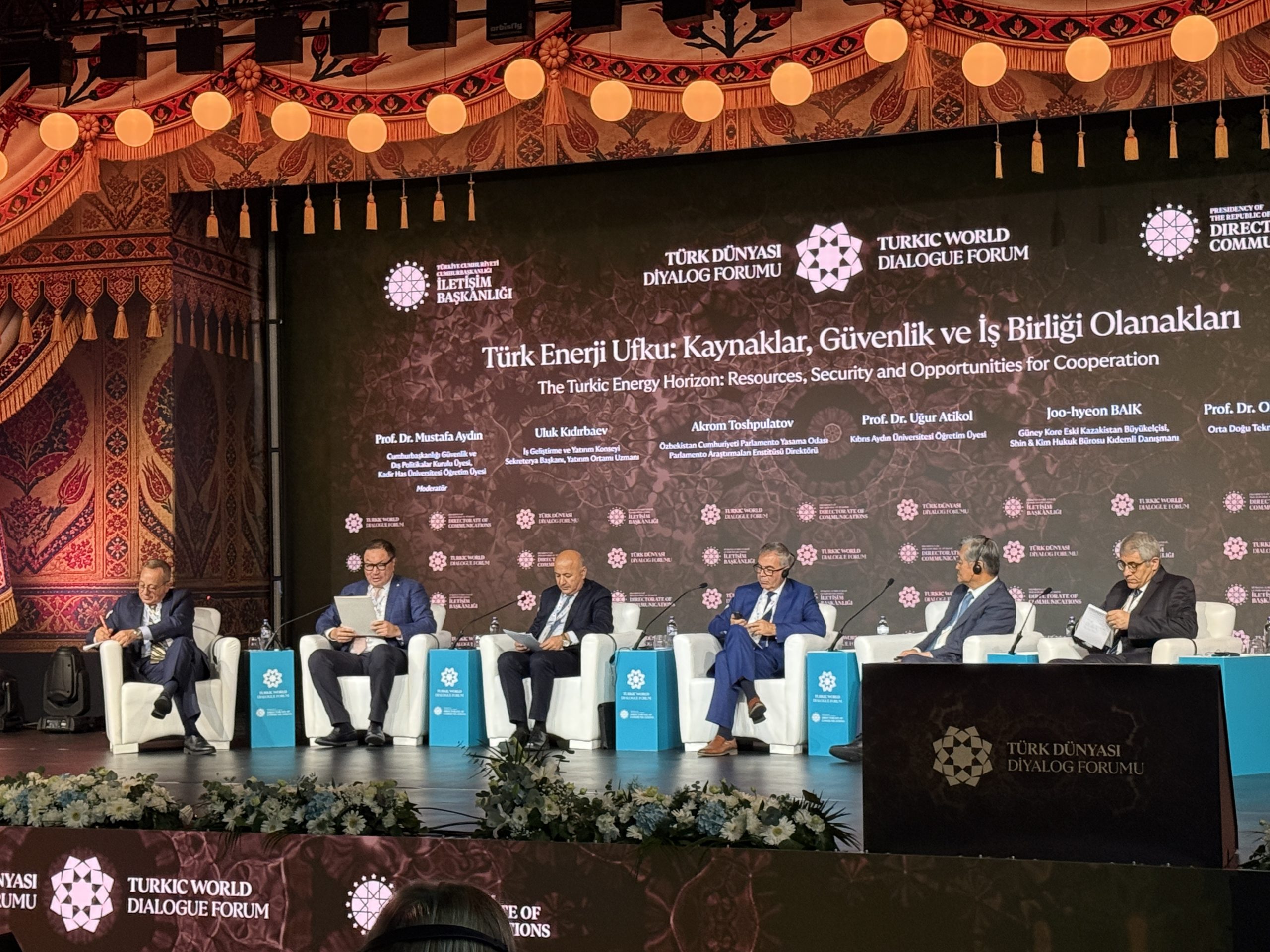
Interconnection of energy systems, the development of renewable energy sources, infrastructure modernisation and investment attraction were among the main topics discussed at the session “The Turkic Energy Horizon: Resources, Security and Opportunities for Cooperation” held as part of the Turkic World Dialogue Forum in Ankara. Representatives of the academic community discussed how the region’s considerable resource potential could become a foundation for closer economic cooperation and energy security.
The session was moderated by Professor Mustafa Aydın, Member of the Presidential Security and Foreign Policies Council and faculty member at Kadir Has University. Participants included representatives from Kyrgyzstan, Uzbekistan, South Korea, Türkiye and Northern Cyprus.
The presentations showed that energy cooperation among Turkic states is increasingly extending beyond traditional oil and gas trade. Greater attention is being paid to the coordination of energy systems, cross-border electricity trade, the development of clean energy, technological cooperation and the creation of conditions for joint investment projects.
Kyrgyzstan: Regional Connectivity and Hydropower
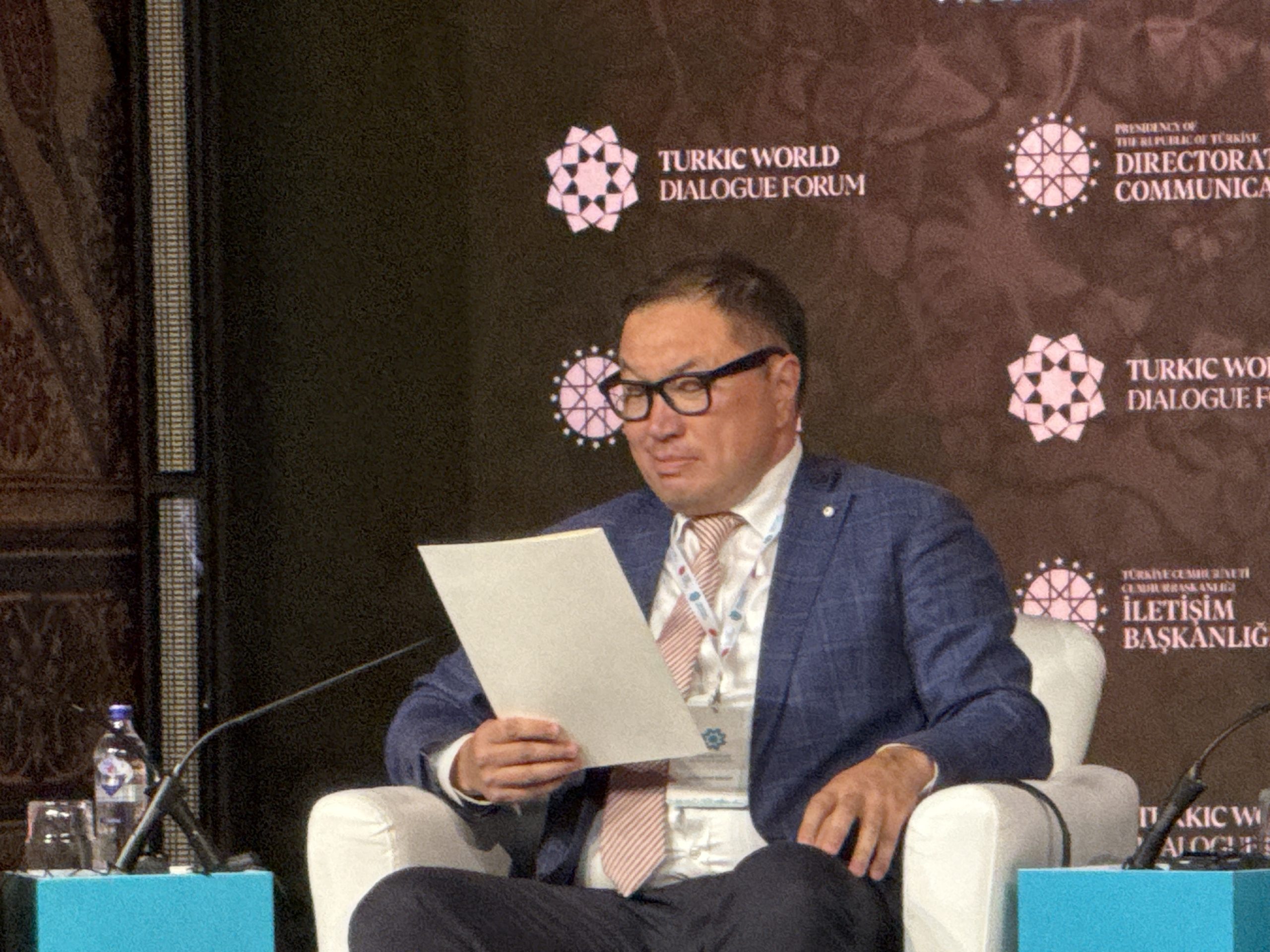
Uluk Kydyrbaev, Head of the Secretariat of the Business Development and Investment Council and an investment climate specialist, drew attention to the contrast between the considerable energy potential of Turkic states and the continuing challenges they face in ensuring reliable energy supplies within the region.
He noted that the countries possess complementary energy resources: Azerbaijan and Kazakhstan are major oil and gas producers, Turkmenistan has vast natural gas reserves, Uzbekistan is expanding its solar and wind power generation, Kyrgyzstan has substantial hydropower potential, while Türkiye offers a large market and well-developed energy infrastructure.
However, Kydyrbaev argued that the availability of resources and export routes does not in itself guarantee effective regional integration. He referred to existing energy connections in several directions, including Azerbaijani gas supplies through Türkiye to Europe, the Central Asia–China gas pipeline, and the CASA-1000 project, designed to transmit surplus summer electricity from Kyrgyzstan and Tajikistan to Afghanistan and Pakistan.
As the speaker emphasised, it is important to assess not only the number of announced projects and signed agreements but also the extent to which they are actually implemented.
According to World Bank figures cited by Kydyrbaev, electricity trade in Central Asia accounts for only 2–3% of regional electricity demand, despite the potential for energy systems in the region to complement one another.
He believes that expanding regional electricity trade would enable countries to make more efficient use of different energy sources. Hydropower can provide flexibility to energy systems, solar and wind generation can diversify the energy mix, while other generation sources and storage systems can help ensure reliable supplies.
Kydyrbaev paid particular attention to Kyrgyzstan, which, despite its considerable hydropower resources, faces seasonal electricity shortages during the winter. This makes the construction of new generating capacity and the modernisation of infrastructure particularly important.
One of the key regional projects highlighted was the 1,860 MW Kambarata-1 hydropower plant, being advanced by Kyrgyzstan, Kazakhstan and Uzbekistan with the support of international financial institutions.
According to Kydyrbaev, the project’s significance lies not only in the additional electricity it could generate. It could also provide flexible renewable energy for the entire region. At the same time, the development of hydropower projects on transboundary rivers requires the interests of upstream and downstream countries to be reconciled, including issues related to irrigation, water security, environmental sustainability and climate resilience.
A separate part of his presentation focused on investment conditions. Kydyrbaev stressed that energy projects require clear risk allocation, reliable payment arrangements, predictable regulation and guarantees that agreements will be honoured.
As an example, he cited Uzbekistan’s experience in attracting private investment into renewable energy through competitive procurement, long-term power purchase agreements and cooperation with international development banks.
Within the Organisation of Turkic States (OTS), the speaker proposed establishing a practical mechanism to facilitate regional energy investment. Rather than creating new institutions that duplicate existing structures, he suggested selecting two or three priority projects, identifying the obstacles to their implementation, the institutions responsible and specific milestones for advancing them. The results, he proposed, should be measured by tangible progress towards financing and implementation.
Uzbekistan: Green Energy and Parliamentary Diplomacy
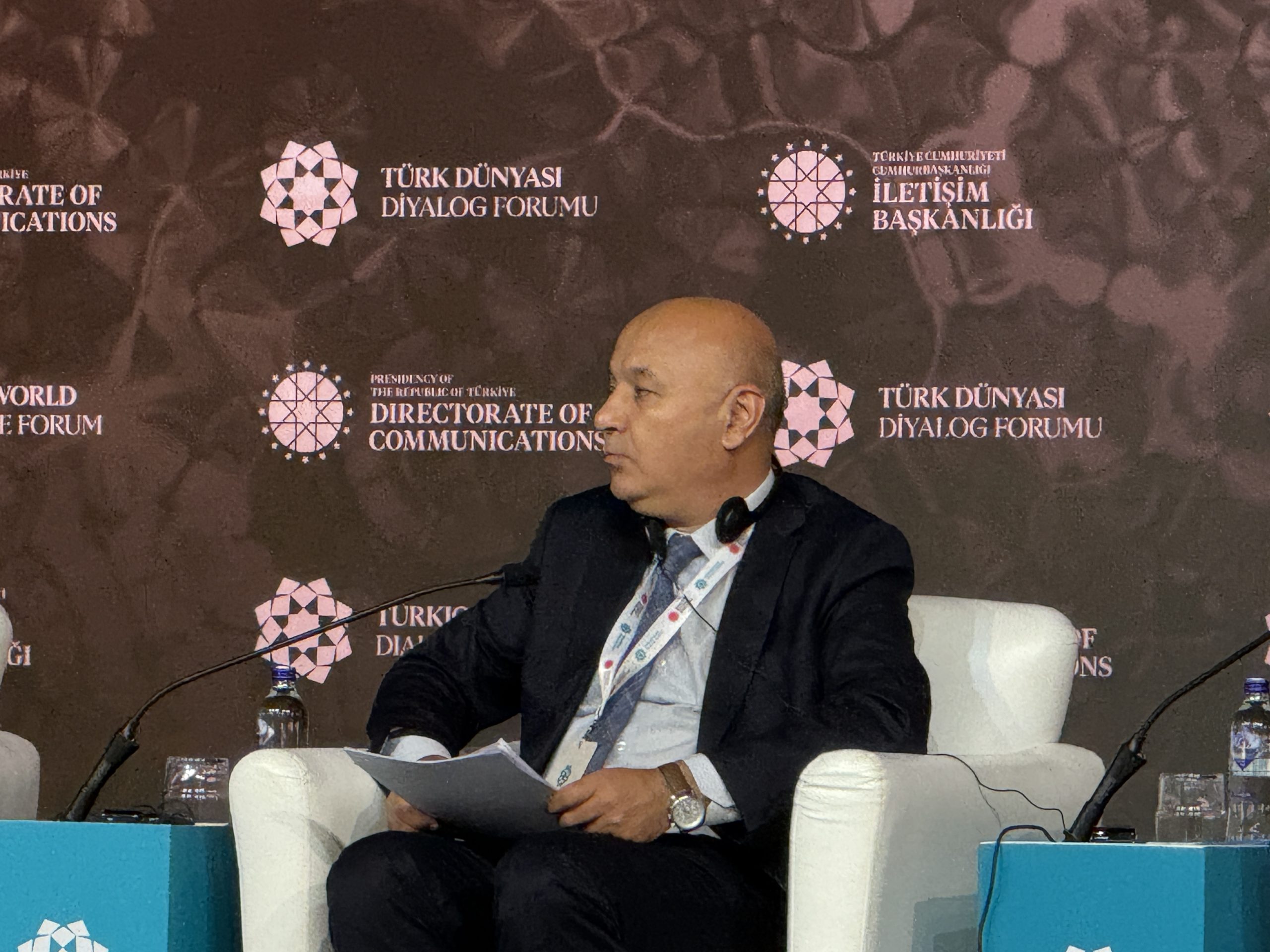
Akrom Toshpulatov, Director of the Institute for Parliamentary Research under the Legislative Chamber of the Oliy Majlis of Uzbekistan, presented an institutional perspective on the development of energy cooperation within the OTS.
He noted that energy security is one of the key conditions for economic development and improving public welfare. Uzbekistan is paying particular attention to this area by modernising its energy infrastructure, attracting foreign investment, expanding the use of renewable energy sources and developing peaceful nuclear energy.
According to figures presented by Toshpulatov, Uzbekistan has attracted around $35 billion in foreign direct investment in recent years. Clean energy now accounts for 25% of the country’s overall energy mix, enabling it to save more than 6.2 billion cubic metres of natural gas since 2022.
The speaker stressed that, against the backdrop of growing energy demand and changes in international markets, Turkic states need to expand cooperation in renewable energy, energy efficiency and the introduction of new technologies.
An important foundation for this cooperation is the institutional framework already established within the OTS. Among the key milestones, he highlighted regular meetings of energy ministers, the adoption of an Action Plan for 2023–2027, the establishment of a Coordination Committee at deputy minister level and the creation of three specialised working groups dealing with the oil and gas sector, renewable energy sources and peaceful nuclear energy.
Toshpulatov identified the development of green energy, including the strategic partnership between Uzbekistan, Azerbaijan and Kazakhstan, stronger hydropower cooperation and enhanced cybersecurity of energy facilities as promising areas for joint work.
In his view, intergovernmental energy agreements require not only political support and economic mechanisms but also a sound legal foundation.
In this context, he highlighted the role of the Turkic Parliamentary Assembly (TurkPA) and its specialised parliamentary committees, which can help bring national legislation closer together, oversee the implementation of major investment projects and strengthen trust between countries.
Among his specific proposals, Toshpulatov suggested establishing a permanent expert group to harmonise energy legislation, introducing inter-parliamentary monitoring of strategic projects and expanding joint research by analytical centres attached to the parliaments of OTS member states.
South Korea: Industrial Cooperation and Transport Connectivity
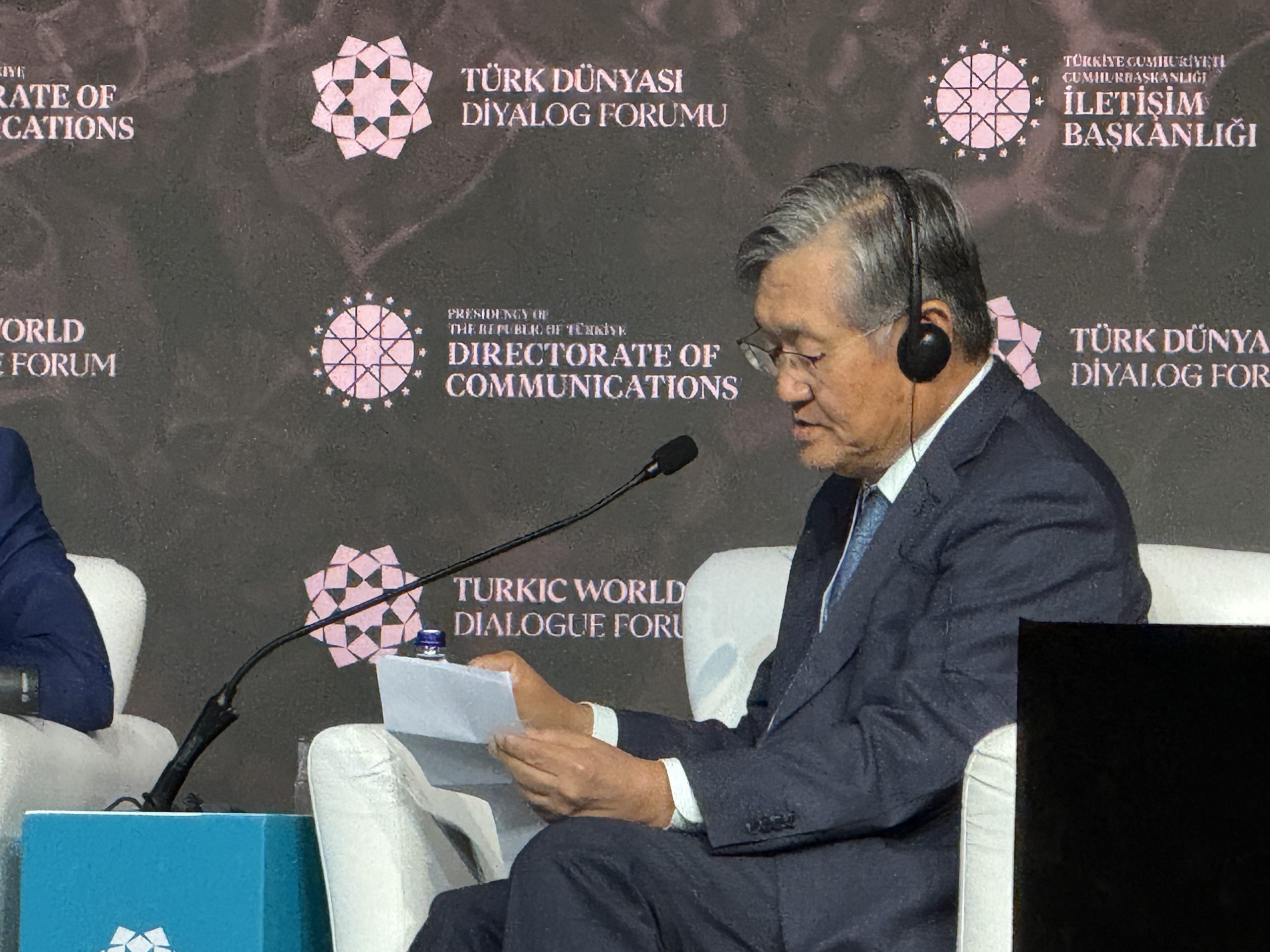
Joohyeon Baik, former Ambassador of the Republic of Korea to Kazakhstan and Senior Adviser at Shin & Kim LLC, highlighted the growing geoeconomic importance of Central Asia and the Caucasus amid international instability.
In his assessment, current geopolitical challenges are having a serious impact on connectivity between Asia and Europe, disrupting logistics chains and energy supplies. These developments are increasing the importance of alternative routes and strengthening interest in cooperation with Central Asian and Caucasus countries.
Baik also emphasised Seoul’s interest in economic cooperation among OTS member states, noting that stronger ties between them would enhance transport and economic connectivity between East Asia and Europe.
South Korean companies, he said, are ready to expand their participation in regional projects by drawing on their accumulated industrial and technological expertise. These include road construction, the development of port and shipbuilding infrastructure, energy development and the construction of transport facilities.
Thus, South Korea views cooperation with Turkic states not only as an opportunity to participate in energy projects but also as a broader industrial partnership encompassing infrastructure, technology and logistics.
Türkiye: Energy Market Integration and a Common Strategy
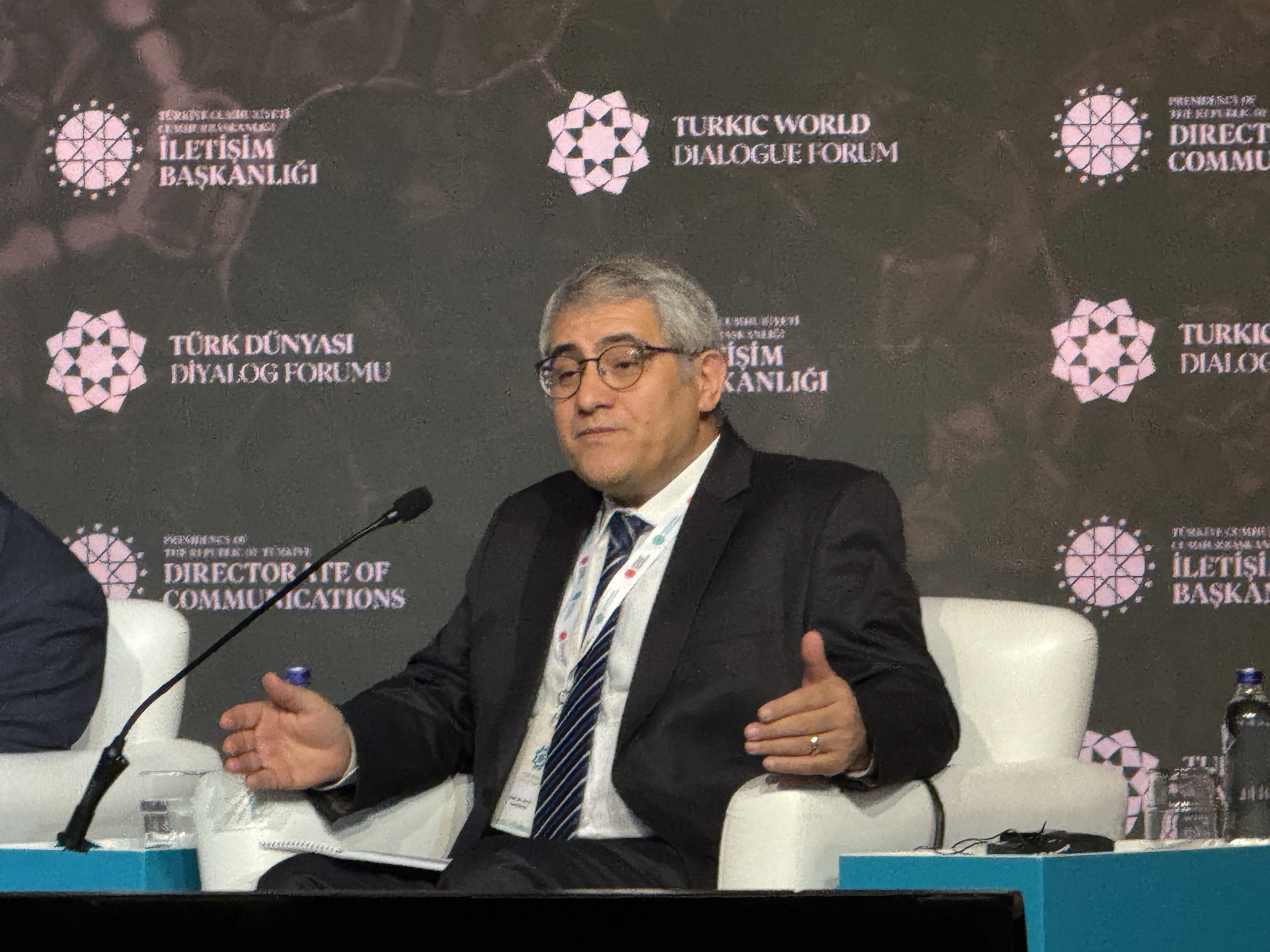
Professor Oktay F. Tanrısever, Dean of the Faculty of Economics and Administrative Sciences at Middle East Technical University (METU), examined energy cooperation among Turkic states in the context of global competition and integration processes.
He noted that the region possesses substantial hydrocarbon reserves and hydropower resources. Azerbaijan, Kazakhstan, Uzbekistan and Turkmenistan have significant oil and gas potential, Kyrgyzstan has opportunities to develop hydropower, while Türkiye stands out for its large industrial sector, sizeable population and growing energy demand.
At the same time, the professor drew attention to the objective challenges involved in creating a common energy space. The countries produce many of the same resources and often compete for external markets. Kazakhstan and Azerbaijan, for example, are both oil producers, meaning that they do not necessarily have an economic incentive to trade this resource with each other.
There are other conflicting interests as well. The development of hydropower in Kyrgyzstan is linked to the allocation of water resources, directly affecting neighbouring countries, agriculture and environmental sustainability. Furthermore, every country seeks to secure the most favourable terms when selling its energy resources and purchasing the volumes it needs.
“Of course, everyone wants to sell at a higher price and buy at a lower price,” Tanrısever noted, stressing that energy integration cannot be based solely on the assumption that all participants are ready to produce and consume energy on the same terms.
Nevertheless, he believes that cooperation is possible with common institutions, agreed rules and a long-term strategy in place. As an example, he referred to European integration, which began after the Second World War in the energy sector with the establishment of the European Coal and Steel Community and Euratom.
This experience, the professor argued, demonstrates that energy cooperation can become the foundation for broader economic integration. Bringing infrastructure and markets together, harmonising legislation and developing cross-border trade can expand opportunities for producers and consumers while reducing costs.
Tanrısever identified several interconnected areas for cooperation among Turkic states.
The first is energy diplomacy and investment cooperation. He noted Türkiye’s contribution to developing energy ties between Azerbaijan, Kazakhstan and Turkmenistan, as well as the opportunities to attract investment through the Turkic Investment Fund.
The second is energy connectivity. In the professor’s view, it is necessary to develop not only links within the Turkic world but also infrastructure connections with neighbouring regions. Türkiye’s geographical position provides access to European markets, while Central Asian countries already have well-established energy links with Russia and China.
The third area is infrastructure modernisation and energy efficiency. A significant part of Central Asia’s energy networks was built during the Soviet period and requires upgrading. Joint investment in infrastructure modernisation could improve the efficiency of energy systems and create additional opportunities for regional trade.
Among other promising areas, Tanrısever also mentioned the electrification of transport and industry, including the development of electric mobility and railway electrification, as well as the expansion of climate diplomacy.
Another promising area of cooperation he identified was critical minerals and rare earth elements, which are found in Turkic countries and are becoming increasingly important for modern energy and industrial technologies.
Energy Sustainability: Balancing Economic Viability, Security and Environmental Protection
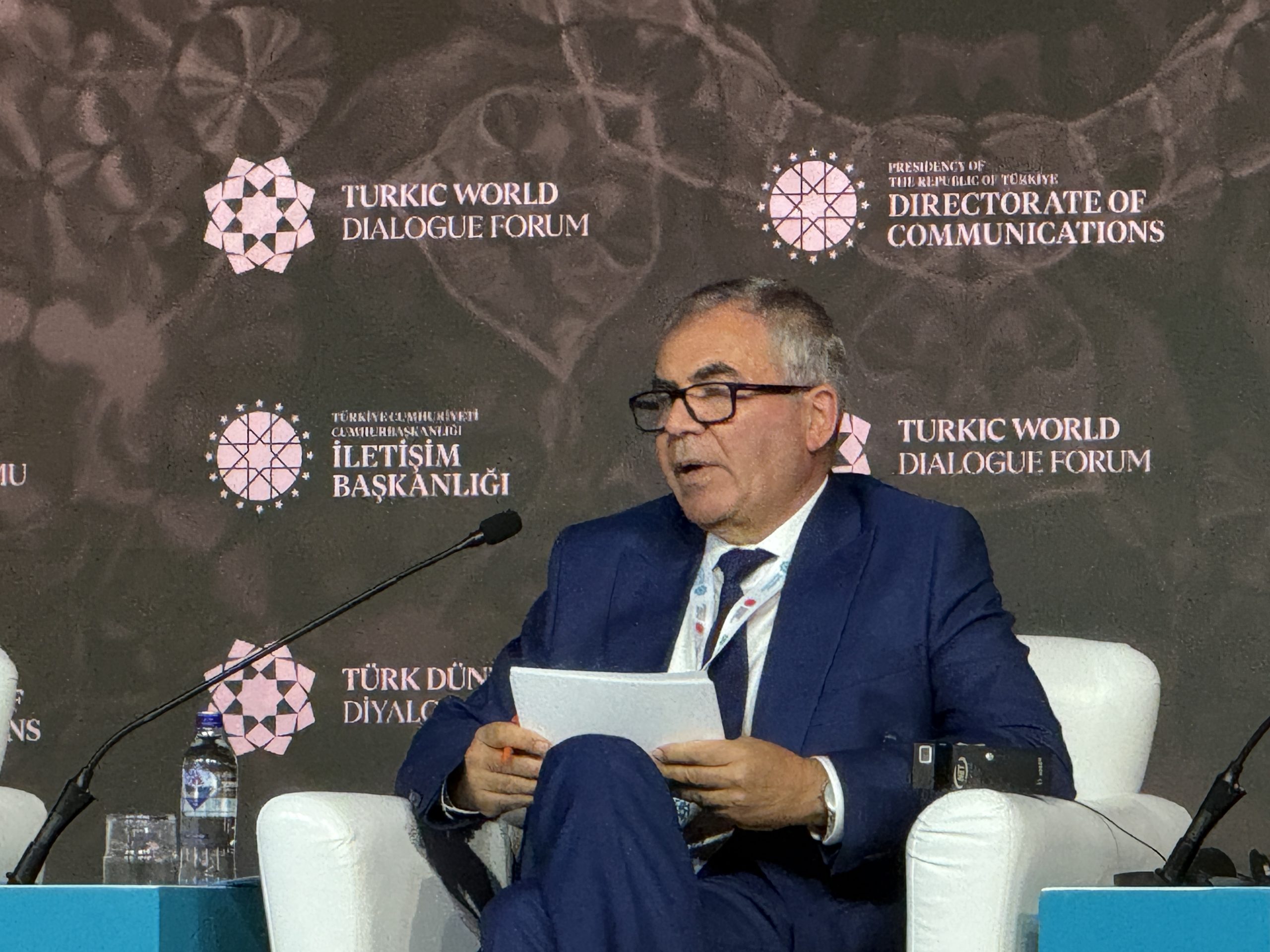
Professor Uğur Atikol of Cyprus Aydın University focused on the general principles of sustainable energy resource management and the importance of international cooperation in achieving them.
According to him, energy sustainability rests on three main requirements: cost-effectiveness, energy security and environmental protection.
The economic dimension means that any energy project must be financially viable and economically feasible. Energy security, in turn, is about ensuring an uninterrupted, reliable and affordable energy supply. Achieving it requires diversifying both energy sources and markets.
The third requirement is environmental sustainability, which involves not only reducing carbon emissions but also minimising the impact of energy projects on natural ecosystems and land resources.
Atikol stressed that renewable energy plays an important role in achieving these goals, but its development involves a number of technical and economic challenges. Solar and wind generation depend on weather conditions, making it difficult to predict output and match electricity production with demand. In addition, the construction of such facilities requires substantial upfront investment, while connecting them to existing power grids often calls for upgrades to transmission lines, transformers and other infrastructure.
As one way of addressing these challenges, the professor highlighted the interconnection of national energy systems. Electricity trade between countries makes it possible to use surplus generation more efficiently. For example, electricity produced by wind farms in one region can be transmitted to another where solar or other generation is insufficient at a given time.
In Atikol’s view, such cooperation can help mitigate the intermittent nature of renewable energy sources while also expanding opportunities to diversify energy supplies.
From Energy Potential to Practical Results
Overall, the discussion demonstrated that the energy agenda of the Turkic world is becoming increasingly comprehensive. Alongside the export of traditional energy resources, greater attention is being paid to the development of regional electricity markets, grid modernisation, joint hydropower, renewable and nuclear energy projects, as well as attracting international investment and technology.
At the same time, participants outlined a number of conditions without which integration would remain largely a political declaration: reconciling national interests, establishing predictable trade rules, ensuring reliable financing mechanisms, achieving legal compatibility and coordinating the work of relevant institutions.
The Organisation of Turkic States can play an important role in building such a system of cooperation by making use of existing mechanisms and expanding practical work on joint projects.
The overall message of the session was that the energy potential of the region should be measured not only by production and export volumes but also by the ability of countries to ensure reliable energy supplies together, use resources more efficiently and create new opportunities for economic development. ///nCa, 31 October 2026