


Elvira Kadyrova, Ankara
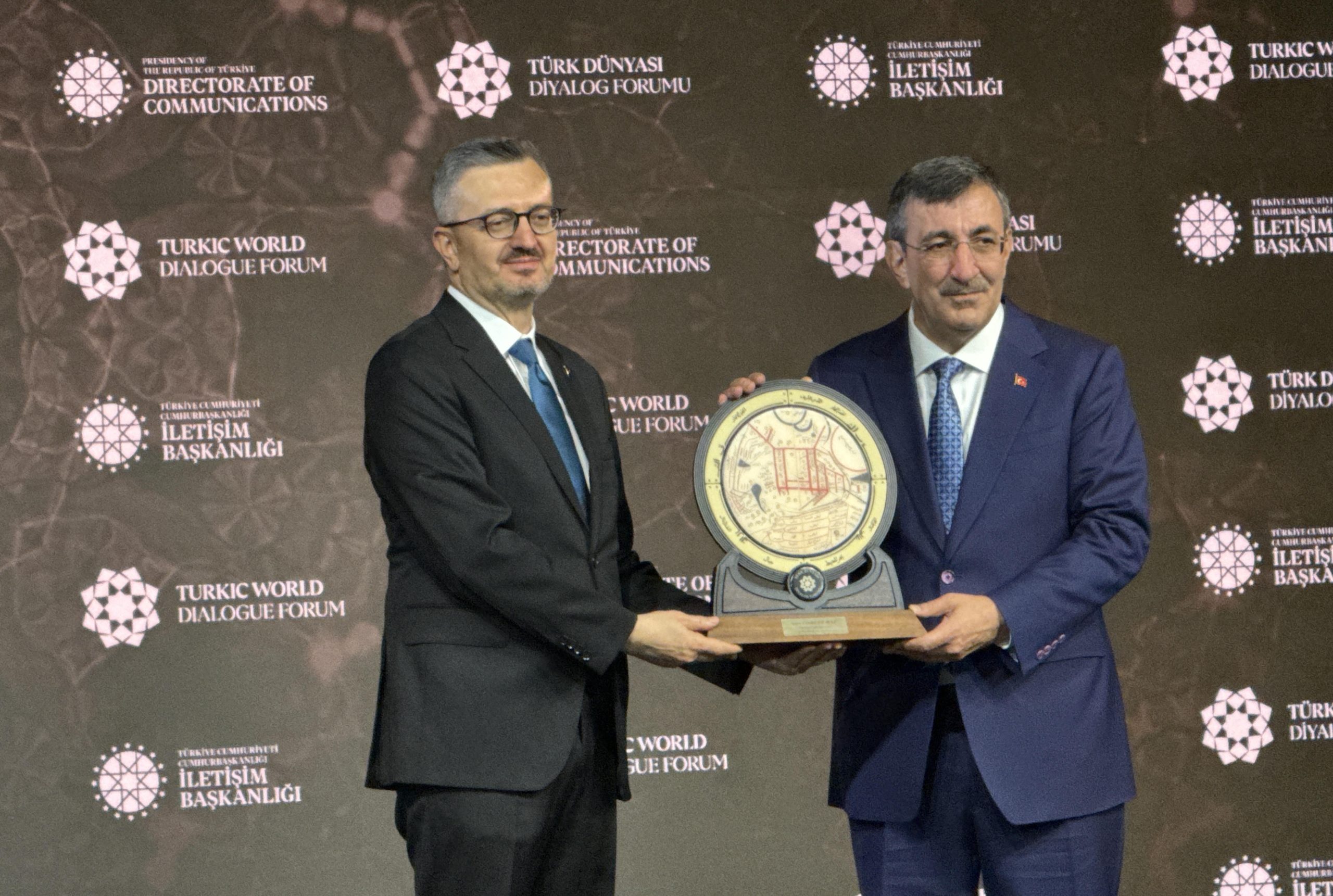
On 30 October, the Turkic World Dialogue Forum opened in Ankara, bringing together representatives of government bodies, the diplomatic corps, parliaments, academia, the media, and think tanks from Turkic states. Speaking at the opening ceremony, Vice President of Türkiye Cevdet Yılmaz and Head of Communications of the Presidency Burhanettin Duran outlined the priorities for further cooperation, paying special attention to the development of a shared information space, countering disinformation, digital technologies, and strengthening institutional cooperation.
The forum is held under the motto “From Idea to Dialogue — Forward” as part of the events related to the 13th Summit of the Organization of Turkic States (OTS), hosted by Türkiye in Ankara.
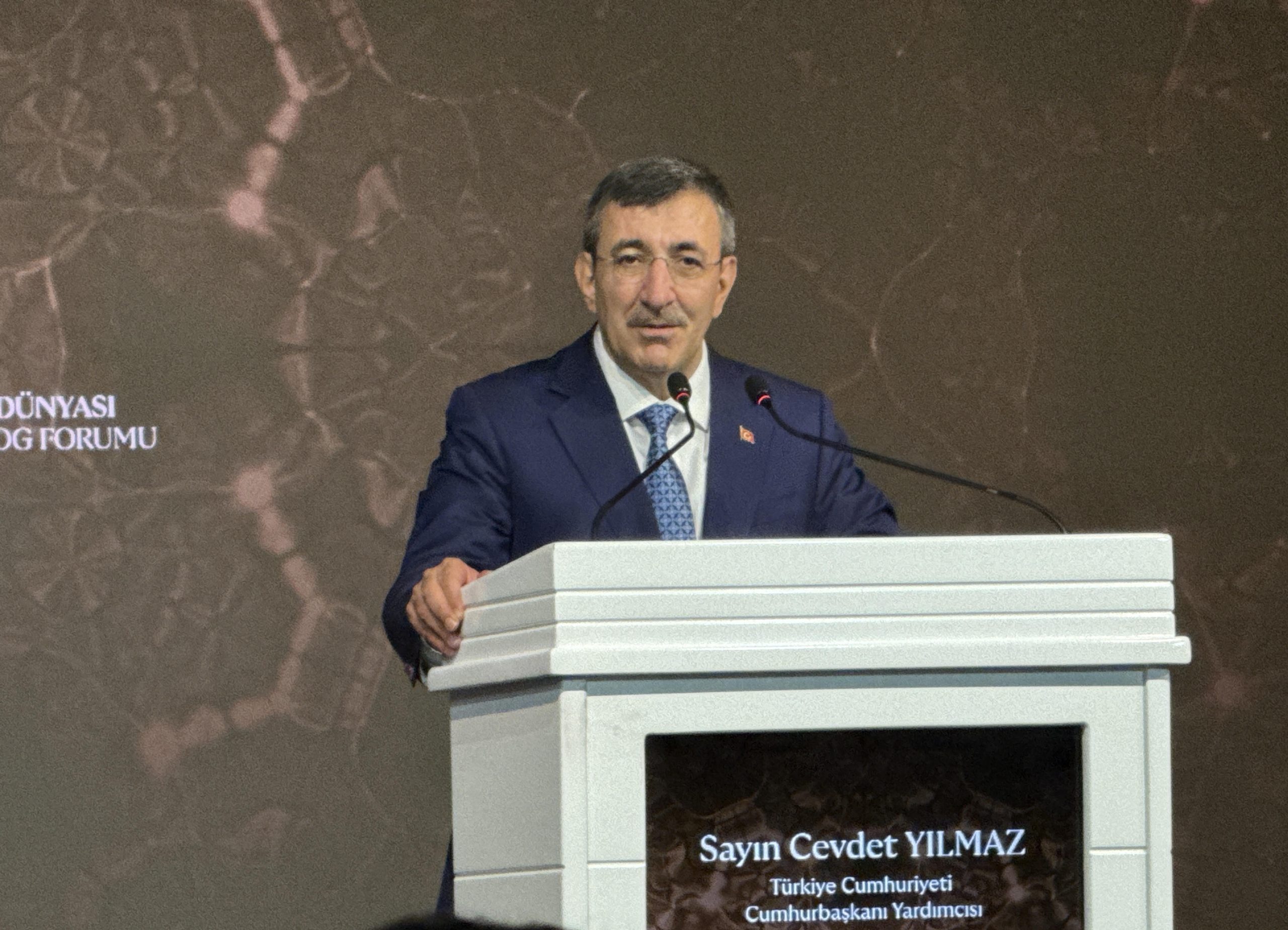
Opening the forum, Cevdet Yılmaz emphasized the historical significance of Ankara for the formation of modern cooperation among Turkic states. It was here in 1992 that the first Summit of Heads of State of Turkic-speaking Countries took place, laying the foundation for the present-day Organization of Turkic States.
According to the Vice President, over the past 35 years, relations between brotherly states have expanded from political consultations and cultural exchanges to economic partnerships and multilateral cooperation.
He called the OTS the main institutional platform that allows the historical and cultural proximity of nations to be translated into practical cooperation.
Priorities of Türkiye’s OTS Chairmanship
One of Yılmaz’s key announcements was outlining Türkiye’s approaches to its upcoming Chairmanship of the Organization of Turkic States, which it will assume from Azerbaijan following the Ankara summit.
Türkiye intends to leverage the experience accumulated by the organization to achieve concrete results in the interests of stability, development, and prosperity for member states.
Among the main areas, he highlighted strengthening political consultations, advancing economic integration, and expanding energy and transport connections. The Middle Corridor, energy supply diversification, defence industry, science and technology, digital transformation, education, and culture were also named among the priorities.
Yılmaz stressed that implementing these tasks requires the participation not only of governments and state agencies, but also of parliaments, universities, think tanks, the private sector, mass media, and civil society.
In this regard, he characterized the Turkic World Dialogue Forum as an additional platform for discussing common goals and developing new approaches to cooperation within the OTS.
Shared Information Space and Countering Disinformation
A significant portion of the speeches by both Turkish representatives was dedicated to information security and the formation of a joint communication environment.
Cevdet Yılmaz noted that today, the international influence of states is determined not only by economic indicators and military capabilities, but also by the ability to produce knowledge, reliably disseminate information, and convey their own positions to a global audience.
At the same time, digital communications, which simplify access to information, simultaneously create conditions for the spread of disinformation, manipulation, and misleading content.
“States and societies must be extremely vigilant regarding disinformation and manipulation,” he emphasized.
The Vice President recalled the existing mechanisms for interaction in the information sphere within the OTS. In particular, cooperation develops through regular meetings of ministers responsible for media and information, the Media Coordination Committee, and relevant working groups.
In 2023, the Alliance of Turkic News Agencies was established, and the action plan adopted at the meeting of media and information ministers in Baku in 2025 formed an additional basis for joint work.
Going forward, Türkiye intends to make more active use of these mechanisms to increase the resilience of Turkic states to disinformation and strengthen their international media representation.
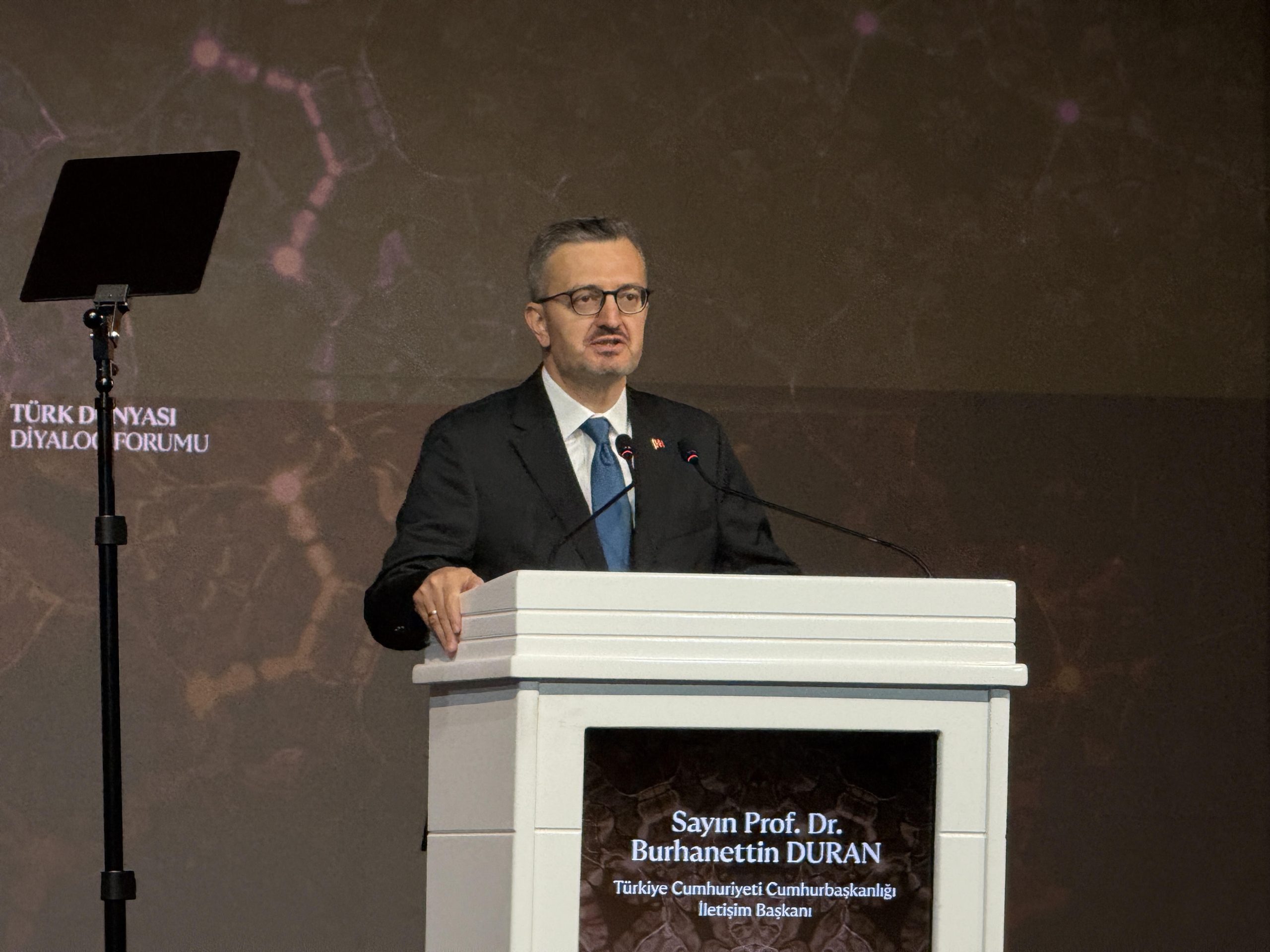
Head of Communications Burhanettin Duran, for his part, proposed considering disinformation not merely as an issue of information policy, but as a matter of collective security for the Turkic world.
He drew attention to the fact that information campaigns can simultaneously affect several countries or be directed against each of them individually, taking into account national characteristics and sensitive societal topics.
“Disinformation is not just a communication problem, but a matter of collective security for the Turkic world,” Duran stated.
In his view, the response should be a system for the rapid exchange of verified information between countries. As an example, he cited a situation where disinformation emerging in Bishkek should receive a timely and coordinated response in Baku, Tashkent, Astana, and Ankara as well.
Artificial Intelligence and the Turkic World’s Own Voice
A separate topic in Duran’s speech was the impact of artificial intelligence on the formation of the global information space.
He emphasized that modern AI models process digital data, learn from it, and participate in forming new information narratives. Therefore, the content of the sources available to them directly influences how history, culture, and modern life of nations are represented in the digital environment.
“We must create high-quality content in our own languages and based on our own sources so that artificial intelligence models are also fed by our data,” Duran noted.
He warned that the absence of our own high-quality information materials could lead to the image of the Turkic world in the global digital environment being shaped by external sources.
In this context, he particularly highlighted the “Digital Turkic World” initiative presented at the meeting of heads of state and government in Turkistan in May, as well as President of Türkiye Recep Tayyip Erdoğan’s call for the development of a language model for the Turkic language.
Another important condition for strengthening the shared information space mentioned by both speakers was language cooperation. Cevdet Yılmaz recalled that in June in Astana, guidelines for the use of a common 34-letter Turkic alphabet were adopted. According to him, this step is intended to facilitate communication between peoples and strengthen their linguistic and cultural ties.
Joint Media Projects and Cultural Cooperation
Developing a shared information space involves not only combating disinformation, but also creating our own high-quality media content.
Burhanettin Duran noted the international popularity of Turkish TV series and the growing representation of cinema from Azerbaijan, Kazakhstan, Kyrgyzstan, and Uzbekistan at international film festivals.
He described the next stage as the production of joint films, series, and documentary projects that will allow the shared stories of the peoples of the Turkic world to be told and foster closer cultural interaction.
Yılmaz also emphasized the importance of cooperation in culture, art, education, science, and youth policy to preserve the shared civilizational heritage and pass it on to future generations.
He separately noted the importance of expanding women’s participation in social, economic, and political life. In this context, as part of the OTS events in Ankara, a meeting of the High Honor Board on Family and Women’s Affairs is planned under the patronage of Emine Erdoğan.
Shared Vision Towards 2040
Concluding his speech, Cevdet Yılmaz referred to the document “Turkic World Vision 2040”, which defines the long-term guidelines for cooperation among the organization’s member states.
According to him, this document forms a common framework for interaction in areas such as political consultations, economic connectivity, science and technology, culture, and youth policy.
He expressed hope that the forum’s discussions — ranging from parliamentary diplomacy and energy security to strategic communications and artificial intelligence — would help identify specific directions for joint efforts and contribute to achieving the long-term goals of the OTS.
Burhanettin Duran, in turn, emphasized that the event should mark the beginning of a regular dialogue between relevant agencies, experts, and media representatives of Turkic states, rather than being limited to two days of meetings.
Turkic World Dialogue Forum in Ankara: From Idea to a Shared Information Space
The Turkic World Dialogue Forum taking place in Ankara has brought together leading politicians, diplomats, experts, media executives, and academic circles from various countries. The event, timed to coincide with the 13th Summit of the Organization of Turkic States (OTS), focuses on deepening integration in strategic communications, media, digital technologies, and countering disinformation.///nCa, 30 October 2026