


Tariq Saeedi and Elvira Kadyrova
As October draws to a close, late autumn usually signals a season of retreat—a quiet turning inward as trees shed their foliage to prepare for the long cold. Yet, walking through the avenues of Ashgabat today, on this 25th day of October, a striking sight challenges the conventional wisdom of the seasons.
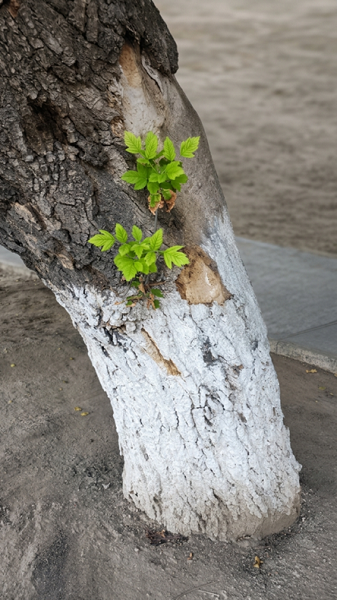
High up, where the older branches reach toward the sky, the foliage is indeed thinning. But down near the base, bursting straight out of the gnarled bark and the deep-seated root collar, fresh, vibrant green sprouts are defying the calendar.
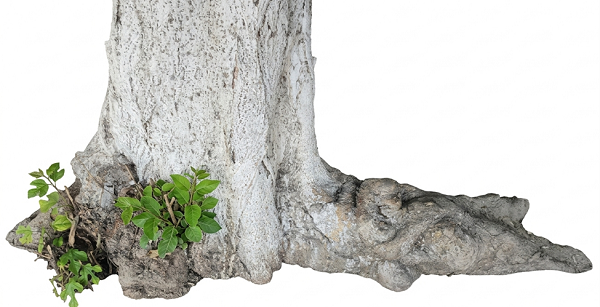
This is the white mulberry (Morus alba), a centerpiece of the regional landscape. What makes its current flourish so profound is not merely that it is sprouting in the heart of autumn, but where it chooses to double down on its determination. — It does not waste energy on fragile, distant tips; it draws upon its deepest roots to push forth new life right at its foundation.
For those who observe Central Asia, the parallel is inescapable. The mulberry embodies the very essence of this region: relentless, generous, resilient, and inherently geared for all-weather, all-season forward movement.
While global geopolitics often weather cycles of uncertainty, frost, and ideological fatigue, Central Asia maintains a steady, non-stop momentum. The region does not pause for “off-seasons.”
Consider the sheer density of its diplomatic and economic engagement this year alone. In just the past couple of weeks, Central Asian leaders participated in five top-level summits, with yet another major high-level gathering directly around the corner. Looking across the balance of 2026, the calendar has been packed with consultative meetings of Heads of State, C5+ multilateral frameworks, and ministerial dialogues that carried the weight and outcome of full-scale summits.
Crucially, this continuous stream of engagement is not high-profile motion for its own sake.
In every encounter, whether navigating trade connectivity, transit corridors, energy integration, or ecological stewardship, Central Asia has consistently structured a win-win dynamic. It does not seek progress at the expense of others, nor does it allow external headwinds to stall its internal consolidation.
Like the mulberry tree—which for centuries has provided shade, fruit, and the foundation for the Silk Road’s silk trade without asking for anything in return—Central Asia acts as a provider of stability and regional abundance. It possesses a quiet surety, grounded in its heritage and confident in its trajectory.
Seasonal expectations may suggest slowing down, but the region’s spirit—much like those bright green leaves sprouting against the whitewashed bark on an October afternoon—is anchored in perpetual rejuvenation.
Central Asia simply keeps moving forward. Always. /// nCa, 27 October 2026