


Tariq Saeedi
Preventive diplomacy operates in the shadows of international statecraft: its greatest success is precisely what does not happen—conflicts unignited, borders uncrossed, and resources unlitigated.
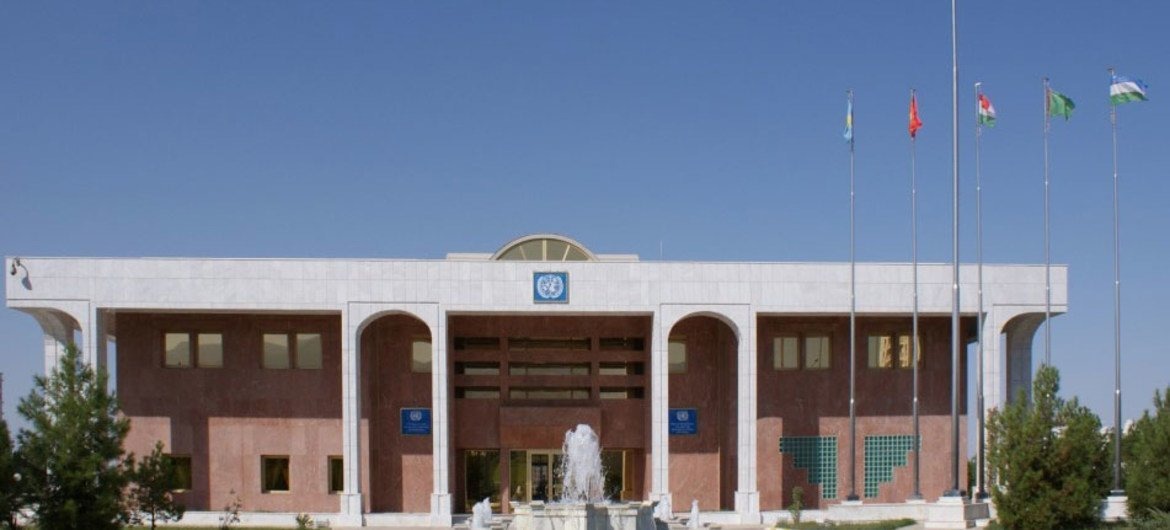
In Central Asia, a region flanked by major geopolitical powers, complex transboundary river basins, and volatile transnational security threats, the United Nations Regional Centre for Preventive Diplomacy for Central Asia (UNRCCA) serves as the UN’s primary structural mechanism for early warning and quiet conflict resolution.
Headquartered in Ashgabat, Turkmenistan, UNRCCA works under the leadership of Kaha Imnadze—the Special Representative of the Secretary-General (SRSG)—to turn the abstract concept of preventive diplomacy into actionable regional stability.
The Operational Nexus: UNRCCA in Ashgabat
Established in 2007 at the initiative of the five Central Asian states (Kazakhstan, Kyrgyzstan, Tajikistan, Turkmenistan, and Uzbekistan), UNRCCA represents a novel structural model in UN field architecture. Operating as a specialized Special Political Mission (SPM), UNRCCA was conceived exclusively for pre-conflict intervention and political risk mitigation, distinguishing it from traditional peacekeeping or post-conflict peacebuilding missions.
Why Ashgabat?
The location of UNRCCA in Turkmenistan’s capital is deliberate:
- Permanent Neutrality: Turkmenistan’s foreign policy posture of UN-recognized permanent neutrality provides an ideal, non-aligned platform for sensitive multilateral dialogues.
- Geographic Centroid: Ashgabat offers political distance from sub-regional friction points, providing an impartial space for confidence-building.
- Afghanistan Interface: Proximity to the southern border enables UNRCCA to serve as a conduit for analyzing cross-border spillover effects without entangling the host state in active combat operations.
Diplomatic Stewardship under Kaha Imnadze
Appointed by UN Secretary-General António Guterres in June 2023, Kaha Imnadze brought more than three decades of experience in high-stakes diplomacy, mediation, and political risk assessment to Ashgabat.
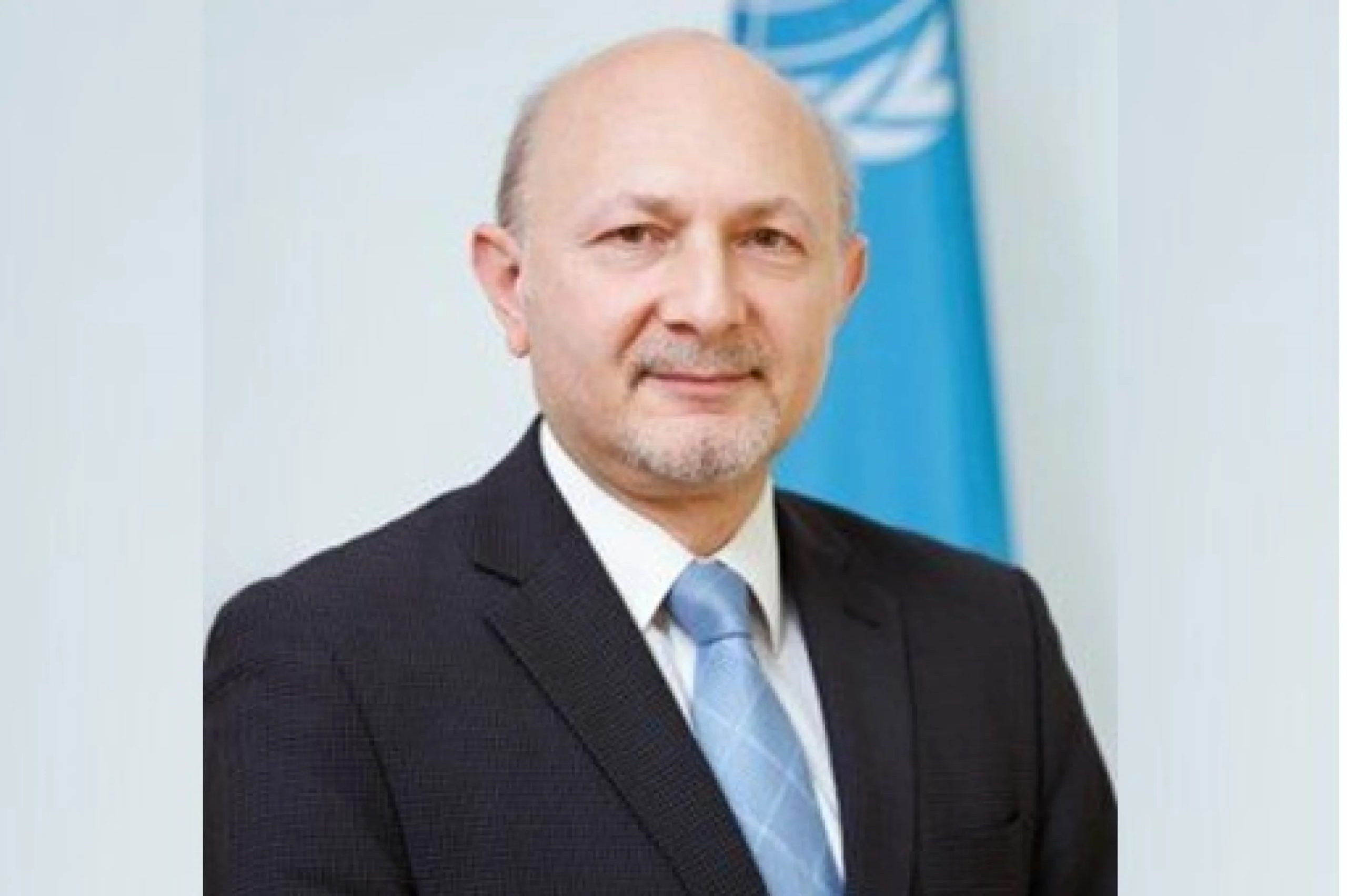
Holding the formal rank of Assistant Secretary-General (ASG) within the UN system, Imnadze possesses the diplomatic standing required to engage directly with heads of state, foreign ministers, and regional bodies across Central Asia. Having previously served as Georgia’s Permanent Representative to the United Nations and Ambassador to Canada, Imnadze’s profile aligns directly with UNRCCA’s core mandate.
Key Strategic Priorities under Imnadze’s Leadership
- Water-Energy Nexus Management: Transboundary water allocation across the Amu Darya and Syr Darya basins remains one of Central Asia’s most pressing structural vulnerabilities. Under Imnadze, UNRCCA has prioritized legal and technical dialogue frameworks to facilitate equitable water sharing among upstream and downstream states.
- Counter-Terrorism & Transnational Threats: Aligning regional efforts with the UN Global Counter-Terrorism Strategy, the Centre coordinates early-warning mechanisms to mitigate threats stemming from organized crime, drug trafficking, and radicalization.
- Engaging the Afghan Reality: Following geopolitical shifts in Kabul, UNRCCA acts as an analytical and political bridge, assisting Central Asian states in crafting synchronized regional policies regarding humanitarian stability, border management, and security risks.
- Inclusive Governance & Youth Empowerment: Through initiatives like the UNRCCA Preventive Diplomacy Academy and the Central Asian Women Leaders’ Caucus, the Centre integrates youth and female diplomats into regional peace processes, building long-term institutional resilience.
Core Arenas of Preventive Intervention
The strategic value of preventive diplomacy via UNRCCA is evident across three main domains:
| Domain | Conflict Driver | UNRCCA Preventive Mechanism |
| Hydropolitics | Seasonal water scarcity vs. hydropower demand | Facilitates expert-level negotiations, joint monitoring tools, and international water law frameworks. |
| Border Delimitation | Enclaves and un-demarcated zones (e.g., Fergana Valley) | Provides neutral technical support and a discreet platform for bilateral/multilateral confidence-building measures. |
| Regional Security | Cross-border extremism & Afghan spillover | Coordinates the implementation of the Joint Plan of Action for the UN Global Counter-Terrorism Strategy in Central Asia. |
From Central Asian Experiment to Global Blueprint: Standardizing the UNRCCA Model
Nearly two decades into its mandate, UNRCCA has accumulated a unique body of institutional experience that offers a compelling case for UN structural reform. While the United Nations operates several regional political offices—such as UNOWAS in West Africa, UNOCA in Central Africa, UNSCOL in Lebanon, and UNSCO in the Middle East—many of these outposts were established reactively amid ongoing turmoil or function alongside high-intensity peacebuilding and crisis-management operations.
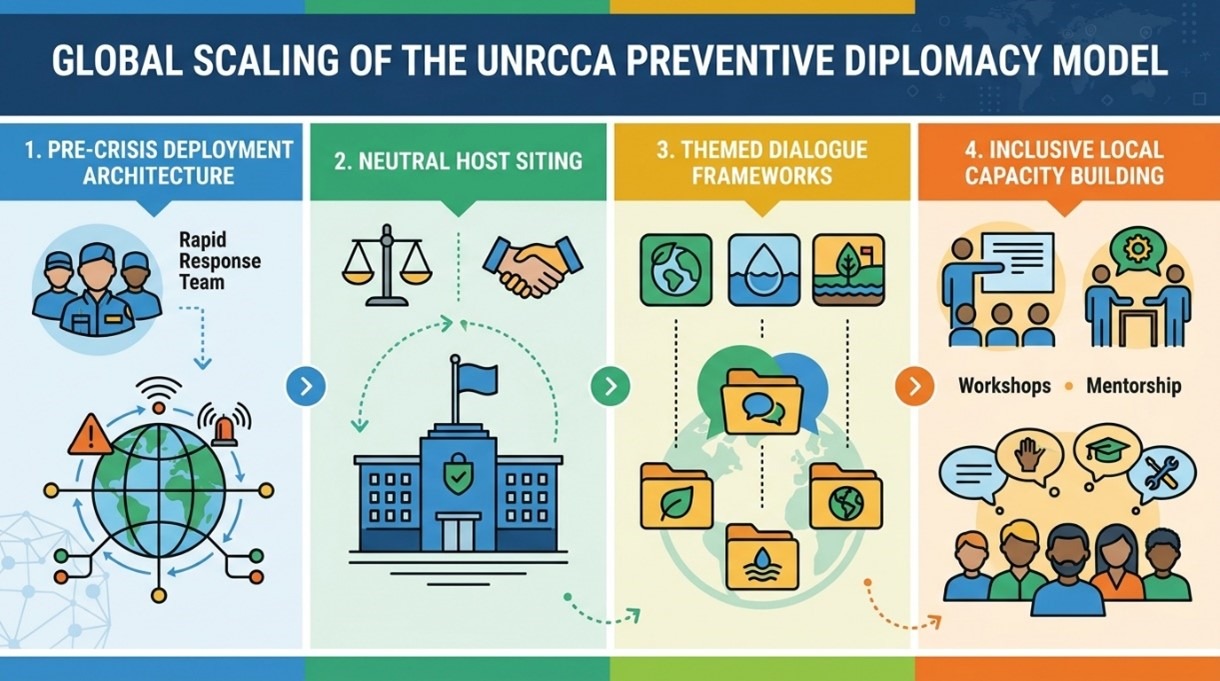
UNRCCA’s operational record suggests that the UN Secretariat and the Department of Political and Peacebuilding Affairs (DPPA) could extract a standardized, institutionalized framework from the “Ashgabat Model” to modernize regional outposts globally.
Lessons for a Standardized Preventive Prototype
- Pre-Crisis Deployment Architecture: Standardizing regional outposts to operate ex-ante (before conflict flares) rather than ex-post ensures that conflict prevention is proactive rather than reactive.
- Neutral Host Siting: Locating regional centres in host states with established non-aligned or neutral foreign policy postures (exemplified by Turkmenistan’s status) insulates mediation efforts from great-power polarization.
- Themed Dialogue Frameworks: Institutionalizing non-political entry points—such as UNRCCA’s focus on water diplomacy, joint early-warning bulletins, and climate adaptation—provides functional avenues for cooperation even when high-level political trust is low.
- Inclusive Local Capacity Building: Integrating specialized initiatives like the Preventive Diplomacy Academy and regional women’s leadership caucuses embeds conflict prevention into civil society, creating bottom-up resilience.
More than a regional asset
Under Kaha Imnadze’s direction, the UN Regional Centre for Preventive Diplomacy for Central Asia continues to demonstrate the efficacy of quiet, institutionalized mediation. By maintaining a persistent presence in Ashgabat, UNRCCA ensures that Central Asia’s complex web of water, border, and security dynamics is met with continuous dialogue rather than reactive crisis management.
More than a regional asset, UNRCCA stands as a tested prototype—proving that when structured early, neutral, and dedicated conflict prevention is deployed, quiet diplomacy yields the loudest lasting impact. /// nCa, 27 October 2026