


Reducing the risk of zoonotic spillover (the transmission of pathogens from animals to humans) in specially protected natural areas (PAs) of Turkmenistan requires coordinated action across nature conservation, veterinary science, and public health. To build capacity in this domain, a practical training on biosecurity and the “One Health” approach was held from 1 to 3 October 2026 in Ashgabat, at the conference hall of the Hydrometeorology Service under the Ministry of Environmental Protection.
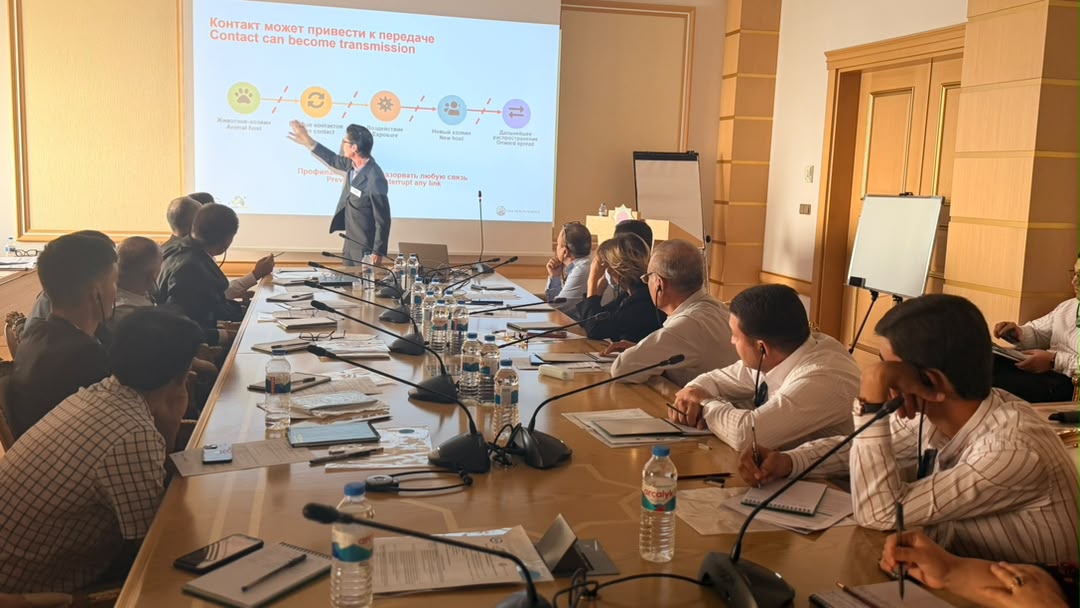
The event brought together inspectors and research staff from nature reserves, as well as representatives from relevant state institutions and non-governmental organizations. The training was organized within the framework of the regional project “Enhancing Landscape Resilience to Zoonotic Disease Emergence by Consolidating Effective Conservation Systems in Central Asia” and a Memorandum of Understanding signed between the Ministry of Environmental Protection of Turkmenistan and the International Union for Conservation of Nature (IUCN).
Project partners include the Michael Succow Foundation for Nature Conservation (MSF, Germany), the Zoological Society of London (ZSL), the UNEP World Conservation Monitoring Centre (UNEP-WCMC), the Bonn Convention on the Conservation of Migratory Species of Wild Animals (CMS), along with scientific and public organizations from all five Central Asian countries. The objective of the project is to strengthen nature conservation and disease prevention to mitigate the risk of zoonotic diseases of major significance to human and veterinary health in Central Asia.
The training utilized IUCN guidelines such as “Conservation for Human and Animal Health,” “Principles for Sustainable Tourism in Protected and Conserved Areas under One Health,” and other materials focused on disease risk prevention, detection, response, and recovery in and around protected natural areas.
In the arid and semi-arid landscapes of Turkmenistan, wild animals and livestock often share limited pastures and watering holes, creating potential pathways for infection transmission. Research staff and inspectors operating in remote areas play a crucial role in the early warning system: they can identify instances of atypical wild animal mortality or signs of disease in a timely manner, document their observations, and promptly inform competent authorities.
Turkmenistan’s specially protected natural areas home the country’s most vital ecosystems and wildlife. The personnel working in these territories bear high responsibility not only for biodiversity conservation, but also for monitoring environmental changes. Deepening their knowledge in biosecurity and the “One Health” approach will help them better understand and effectively respond to risks threatening wildlife, livestock, and ultimately humans.
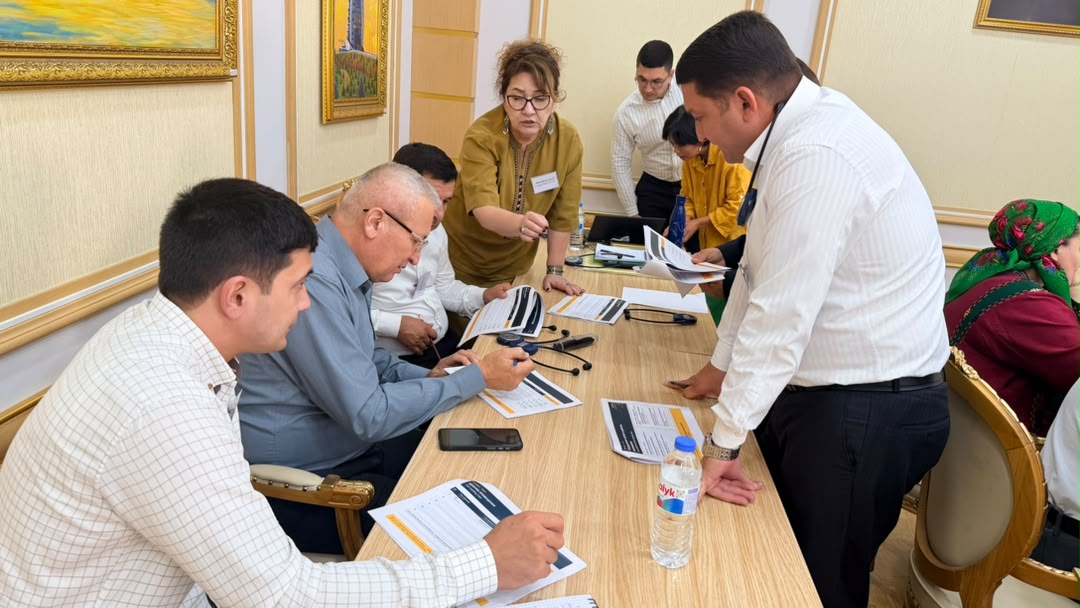
Zoonotic spillover occurs when a pathogen is transmitted from animals to humans. Mitigating this risk requires understanding the processes that occur at the intersections of wildlife, livestock, humans, and their shared habitat. It is vital to ensure that front-line specialists who first spot potential threats know how to act correctly and whom to notify. Given the presence of endemic infections characteristic of the region, the main objective of the training was to equip conservation inspectors and reserve scientists with practical skills for early detection of warning signs. Special attention was paid to recognizing anomalies—such as unusual animal behavior, atypical mortality in rodents or birds, unexplained livestock or wildlife deaths, and concentrations of sick or dead animals near shared watering holes.
Nature conservation is an integral part of the “One Health” approach. By maintaining ecosystem health, preserving wildlife populations, and thoroughly understanding contact zones between animals and humans, we help prevent and reduce the risk of zoonotic spread. Protected natural areas and the specialists who study and manage them play a decisive role in linking biodiversity conservation with the broader sanitary and epidemiological security system.
A key emphasis was placed on the practical role of PA staff. Inspectors and researchers are not required to diagnose diseases or collect biological samples themselves. Instead, the training reinforced a simple, clear algorithm: recognize, avoid contact, record, and report. Participants practiced skills in documenting observations (recording species, number of affected animals, location, photographic evidence, and condition assessment) and reviewed channels for transmitting information about suspicious incidents to relevant authorities.
Effective early warning does not always begin with complex technology or laboratory testing. Most often, it starts with a field specialist who notices an anomaly in time and knows what data to collect and where to send it. Strengthening this link between primary field observations and national epidemiological surveillance systems turns conservation practice into a key component of the “One Health” framework.
This is particularly critical for the vast and remote protected areas of Turkmenistan, where inspectors may be hours away from the nearest veterinary or medical assistance. Therefore, the curriculum also covered personal protective equipment, disinfection of footwear, vehicles, and gear, safe handling of animal carcasses, and first aid for bites, scratches, or contact with infectious materials during field patrols.
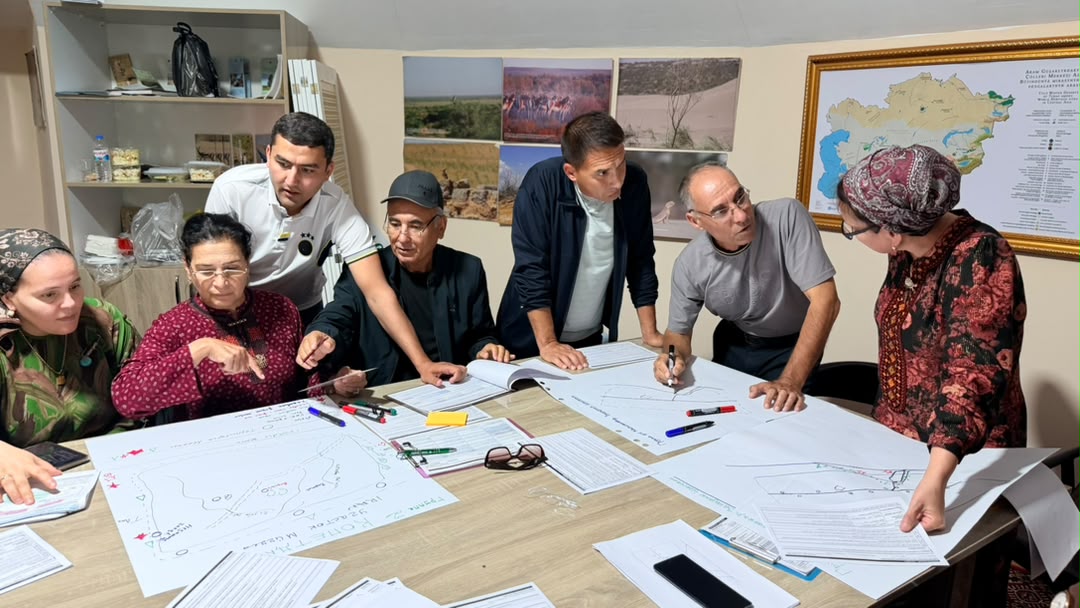
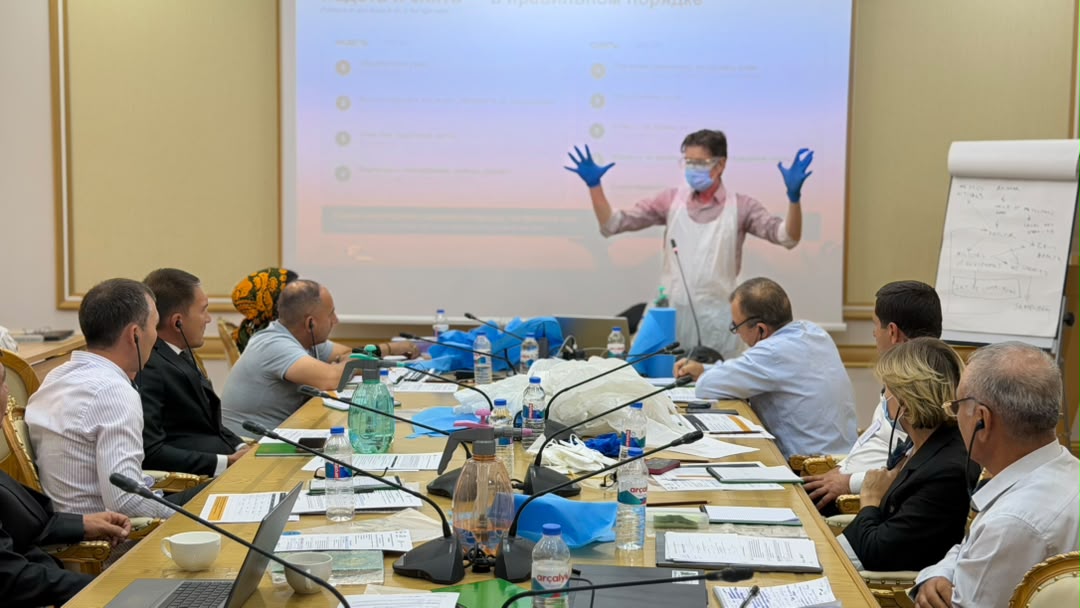
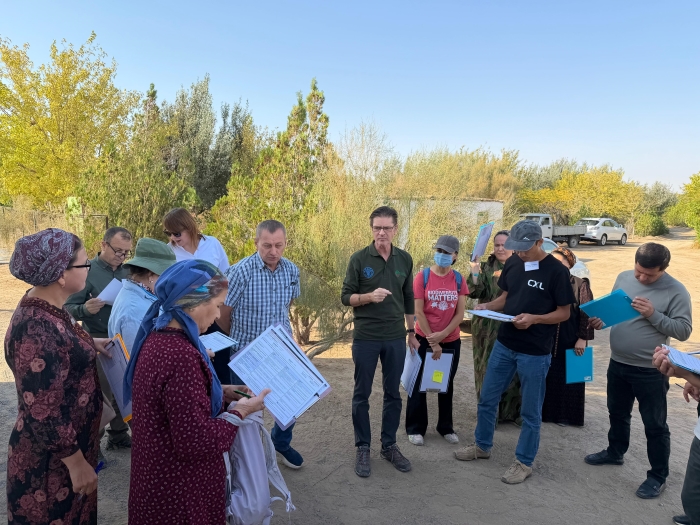
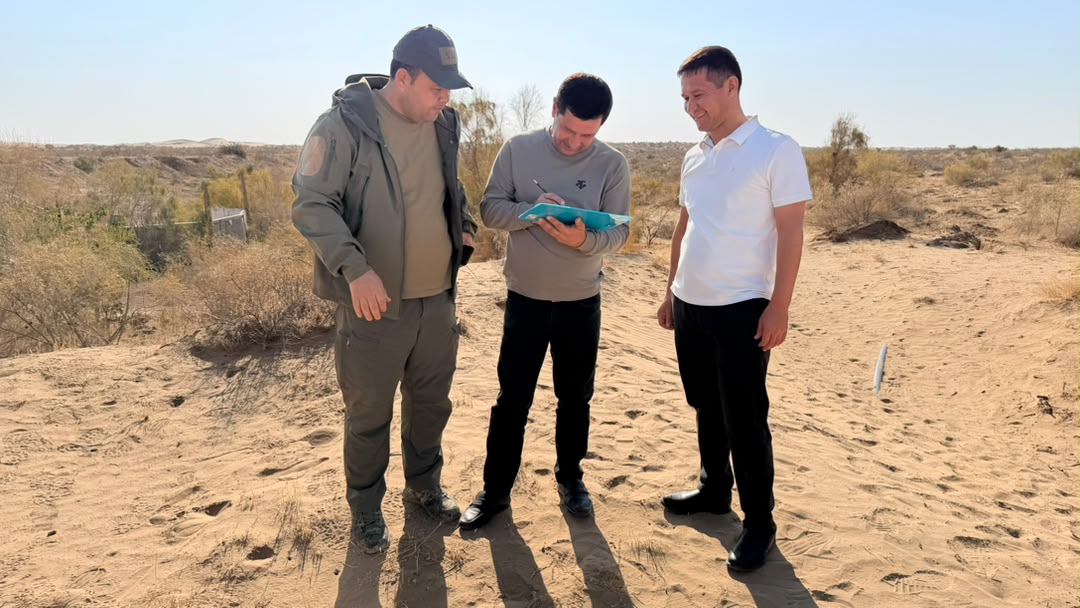
The three-day program combined theoretical sessions, practical exercises, and a field visit. During a visit to the “Chalysh” Visitor Center of the “Bereketli Garagum” State Nature Reserve, participants identified key contact points between wildlife, livestock, and humans (shared pastures and water sources) and mapped ecological stressors and potential disease transmission routes. Based on these findings, they developed local risk management and communication plans.
The goal of the training was not to turn inspectors into veterinarians or epidemiologists, but to provide them with practical tools to identify hazards in time, protect themselves and others, and report accurate information to appropriate specialists. In remote areas, primary observations are invaluable. The “One Health” approach works when those closest to nature are integrated into the broader investigation and response framework.
At the conclusion of the training, participants developed individual “One Health” action plans, translating the knowledge gained into actionable steps for their respective conservation agencies. These plans aim to strengthen monitoring, manage potential biological risks, and improve coordination between field personnel and scientific, veterinary, and medical services responsible for threat investigation and response. All participants were awarded Certificates of Completion. ///nCa, 8 October 2026