


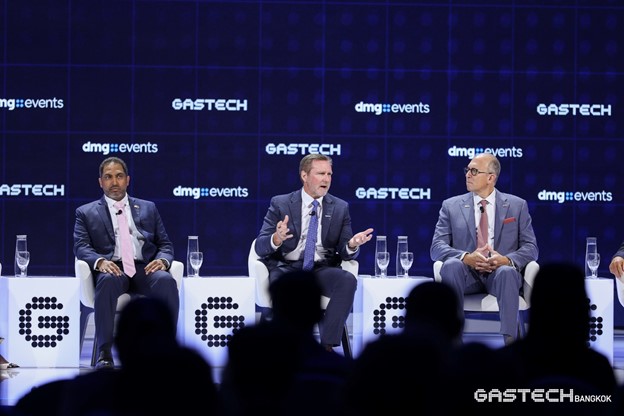
The global discussion on energy security and supply diversification taking place at Gastech 2026 in Bangkok is highly relevant to Central Asia, where substantial gas resources and new infrastructure projects could play a growing role in strengthening regional energy connectivity.
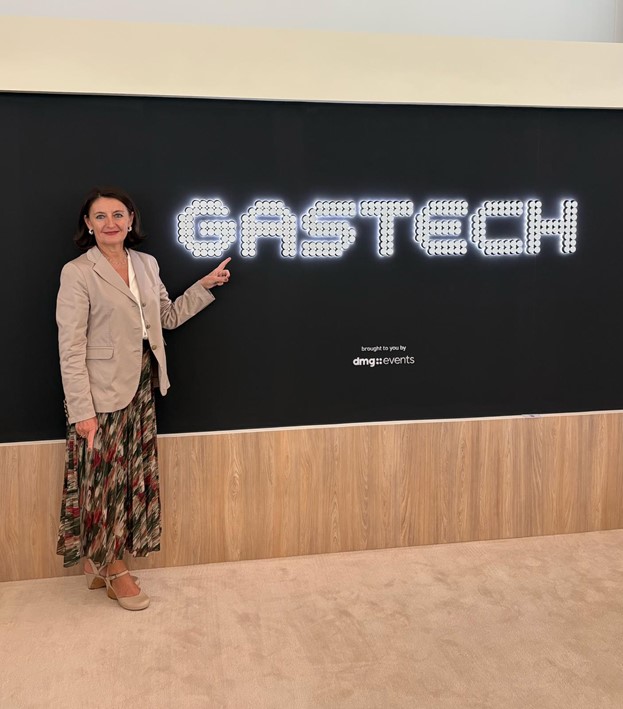
Gastech 2026, held from 14–17 September, brings together around 50,000 energy industry professionals, 1,000 exhibiting companies and representatives from more than 150 countries. Discussions focus on natural gas and LNG, energy security, investment, electrification, artificial intelligence and the development of more resilient energy systems.
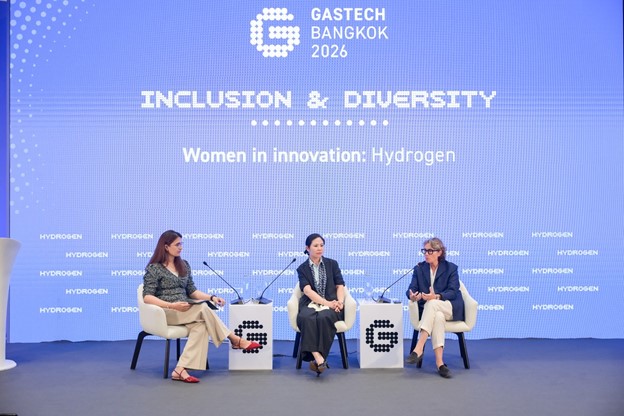
Valerie Ducrot, Executive Director of the Global Gas Centre, identifies energy security, energy affordability, economic growth and climate objectives as priorities that increasingly need to be addressed together.
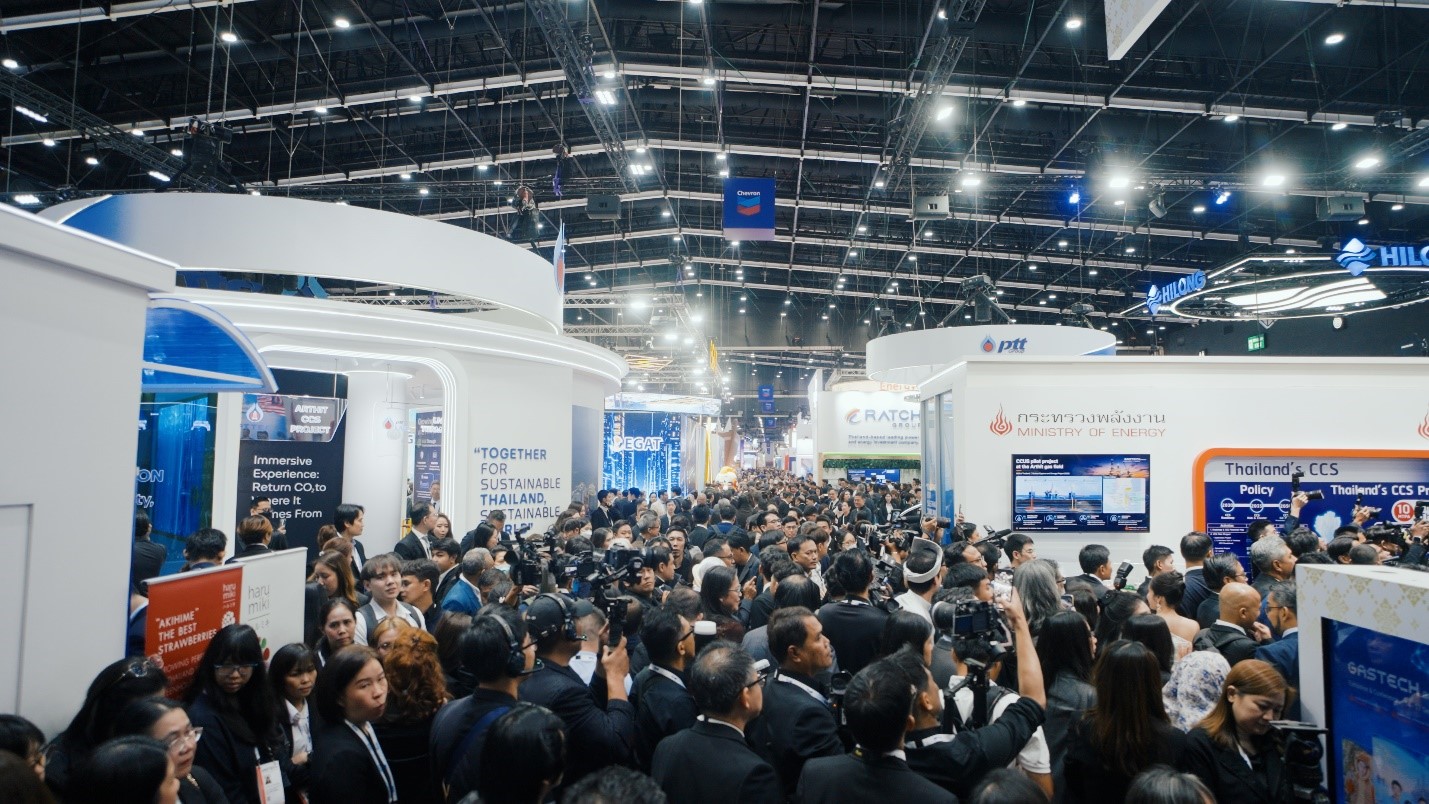
Joseph Murphy of Petroleum Economist, meanwhile, identifies diversification as one of the key market lessons from recent periods of supply disruption and price volatility. For Asian buyers, diversification increasingly encompasses not only suppliers but also geography, transit routes and contractual mechanisms.
Against this backdrop, Central Asia’s gas resources could take on greater significance.
Turkmenistan already occupies an important position in the regional gas supply system through its long-term exports via the Central Asia–China gas pipeline network. The fourth stage of the Galkynysh gas field development envisages the creation of new gas treatment capacity of around 10 billion cubic metres per year.
To the south, the Turkmenistan–Afghanistan–Pakistan–India (TAPI) gas pipeline represents a different strategic opportunity. With a design capacity of 33 billion cubic metres of gas per year, TAPI could create an additional physical link between Central Asian resources and South Asian energy markets.
From an energy security perspective, the significance of the project extends beyond Turkmenistan. Broader access to diverse sources of pipeline gas and LNG could provide consuming countries with additional energy supply options, while new infrastructure could strengthen economic connectivity between Central and South Asia.
Investment will be critical. Bringing gas resources to market requires processing capacity and transportation infrastructure, while large-scale projects depend on long-term commercial frameworks, modern technologies and confidence among investors, producers and consumers.
Technology is also becoming increasingly important. Artificial intelligence, advanced reservoir modelling, seismic data processing, predictive maintenance and infrastructure automation are being integrated more widely into production and transportation operations, helping to improve project economics and reliability.

John Defterios, Anchor and Lead International Moderator of OGT 2026
Next month, this discussion will continue in Central Asia. Renowned international energy journalist John Defterios, whose Bangkok Gastech 2026 video message formed part of the global energy dialogue, will travel to Ashgabat as a lead international moderator of OGT 2026, taking place on 21–23 October.
The conference will address the development of Galkynysh, implementation of TAPI, opportunities in Turkmenistan’s sector of the Caspian Sea, gas monetisation and petrochemicals, technology, investment and regional energy connectivity.
The discussion emerging in Bangkok demonstrates that Central Asia’s future role in the global energy landscape will be determined not only by the scale of its resources, but also by its ability to connect those resources with diverse markets through infrastructure, technology, investment and regional cooperation. ///nCa, 16 September 2026 (the material was provided by the OGT 2026 Organizers)