


Elvira Kadyrova, Ankara
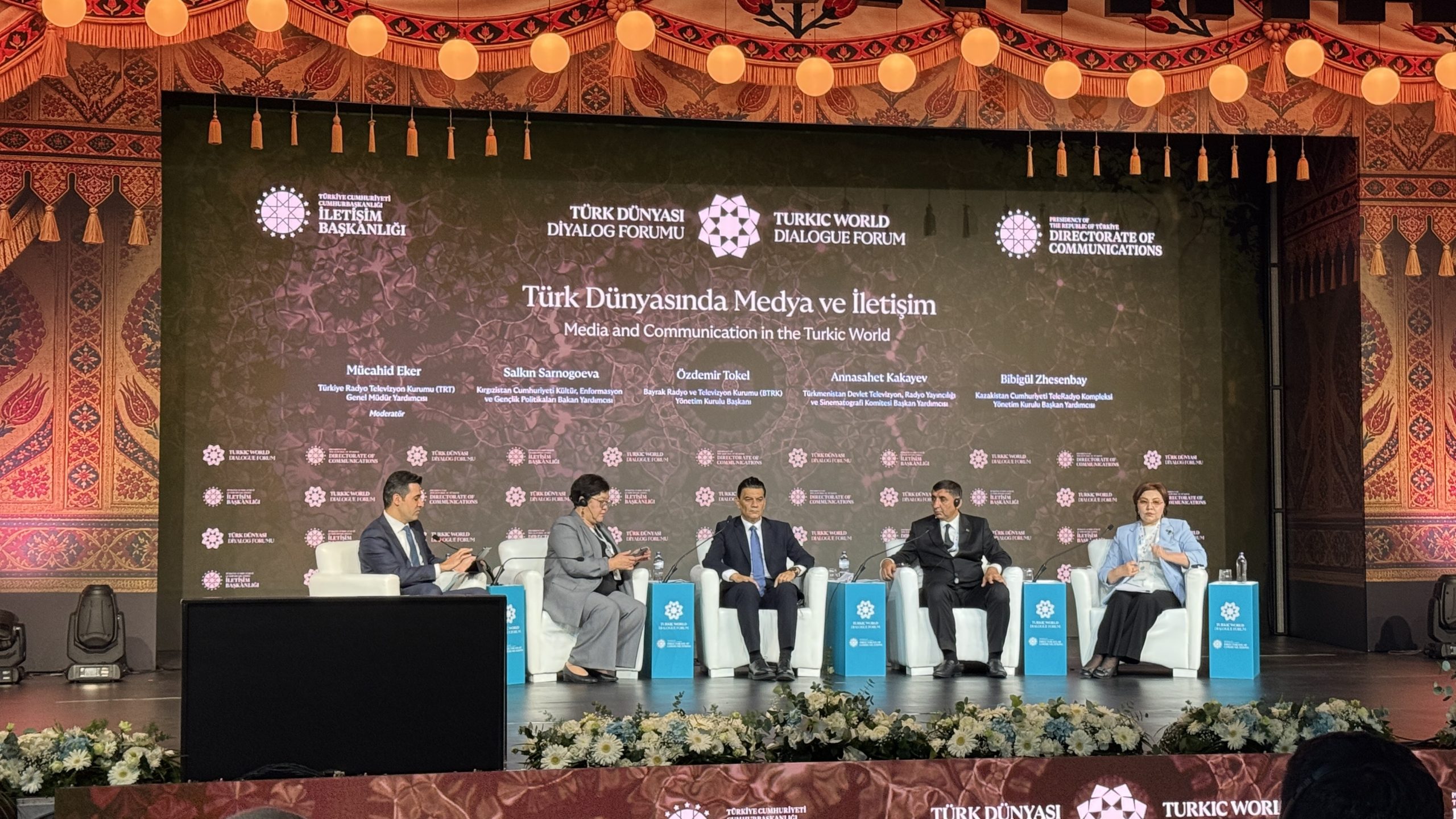
The Turkic World Dialogue Forum is taking place in Ankara, the capital of Türkiye. One of the panel sessions on the first day of the forum was dedicated to discussion on media and communication in the Turkic world. Turkmenistan’s approaches to developing cooperation across the Turkic states were presented by Annasahet Kakayev, Deputy Chairman of the State Committee of Turkmenistan for Television, Radio Broadcasting and Cinematography.
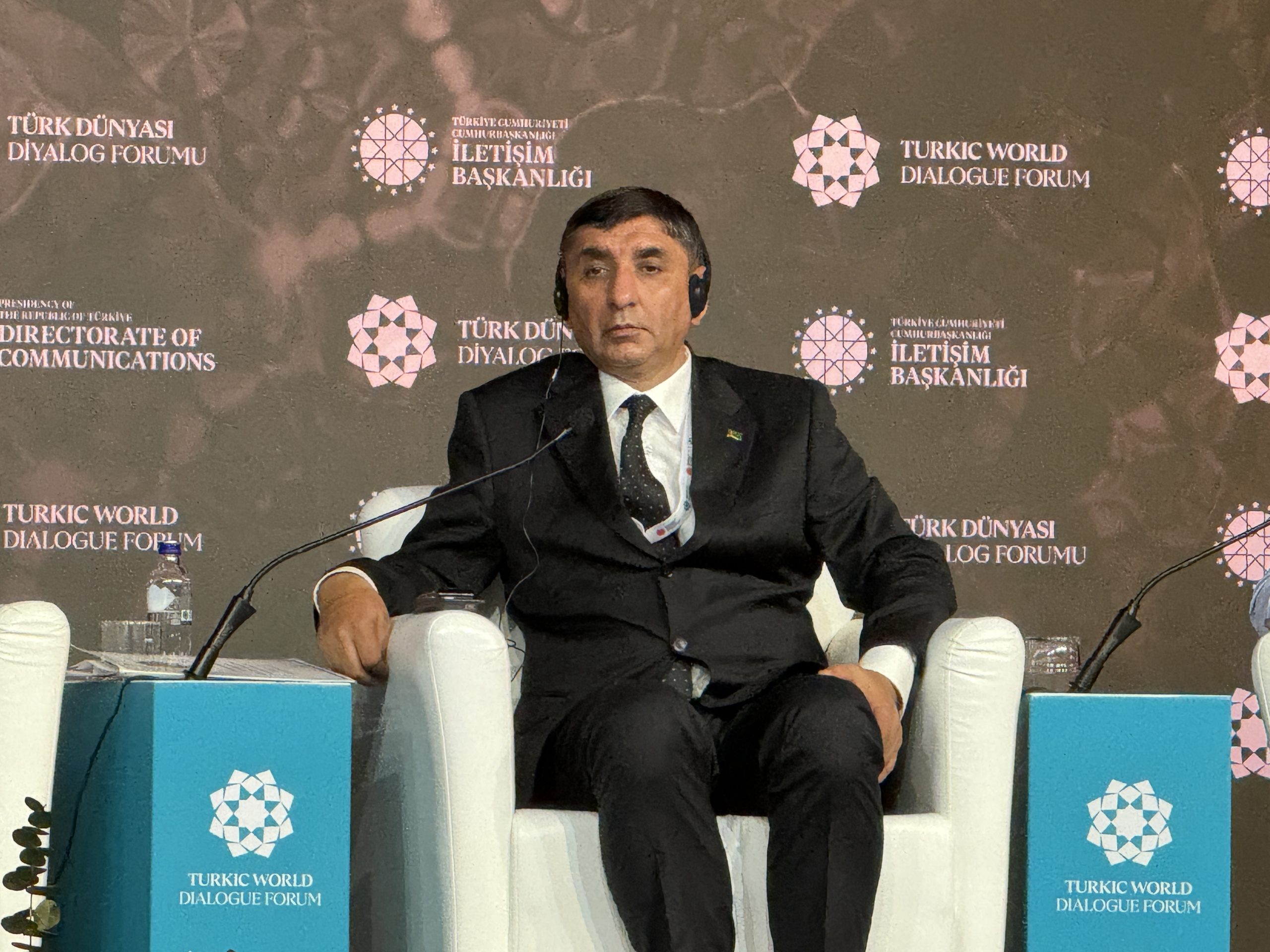
In his address to the participants, the delegate emphasized that the modern world is changing at an extraordinary pace. Alongside television and radio, online publications, digital news platforms, social media and mobile applications have become integral parts of the information landscape. Whereas in the past it could take hours, and sometimes days, for news to reach its audience, today it can spread to every corner of the world in a matter of moments.
“For centuries, the Turkic peoples have been united by a shared history, spiritual values, cultural heritage and linguistic affinity. The enduring relevance of the ideals of unity, friendship and humanity expressed in the traditions of such heroes as Dede Korkut and Gorogly, as well as in the works of the great Turkmen thinker Magtymguly Pyragy, bears eloquent testimony to these bonds. Located at a major crossroads of the Great Silk Road, the land of Turkmenistan has long been a meeting place of cultures, knowledge and ideas,” the speaker stressed.
In its foreign policy, based on the legal status of permanent neutrality, Turkmenistan attaches great importance to peace, good-neighbourly relations and mutual trust. Turkmenistan is convinced that cooperation in media and communication should serve these same values.
First, further expansion of the reliable exchange of information among television and radio broadcasters and news agencies. Regular coverage of important events in the lives of Turkic peoples, cultural activities and positive developments in science, education, the economy, sports and youth affairs will strengthen our societies’ interest in one another.
Second, particular emphasis should be placed on developing joint media projects. Television programmes, documentaries, interviews and special news features highlighting shared history, cultural heritage, outstanding personalities and contemporary achievements would be of great interest to broad audiences. Subtitling and dubbing these projects into different languages would make them more accessible.
Third, it is important to develop new forms of cooperation in the digital media environment. Young people today often obtain information on their phones through short videos, interactive projects and social networks. Kakayev called on the Turkic countries to exchange experience in producing high-quality national content in contemporary formats, adapting it for various digital platforms and making it accessible to audiences abroad.
Fourth, strengthening cooperation in information integrity and media literacy is a necessity of our time. When false information, distorted reports and misleading interpretations can spread rapidly, verifying sources, cross-checking facts and adhering to responsible editorial principles become especially important. “Although artificial intelligence offers new creative opportunities, its use must be guided by transparency, respect for copyright, protection of personal data and a commitment to preventing the distortion of historical truth,” the representative of Turkmenistan emphasized.
Fifth, Turkic countries should broaden professional exchanges among young journalists, editors, directors, camera operators and specialists in sound production and digital technologies. Joint masterclasses, training seminars, internships and creative meetings will help improve the skills of future professionals. There is also considerable scope for cooperation in digitising television, radio and film archives and in carefully preserving cultural heritage.
The Turkmen side emphasized the need to move from good ideas to practical mechanisms—maintaining regular working contacts among relevant media institutions and building conditions for mutual trust.
“In the information sphere, rather than competing with one another, we should seek more opportunities to understand each other and to share one another’s achievements with the world. Reliable information builds trust; open dialogue strengthens friendship; and meaningful stories about culture create spiritual bonds between our peoples that can endure for generations,” summarized the Deputy Chairman of the State Committee of Turkmenistan for Television, Radio Broadcasting and Cinematography, reaffirming Ashgabat’s readiness to develop equal and mutually beneficial media partnership. ///nCa, 30 October 2026