


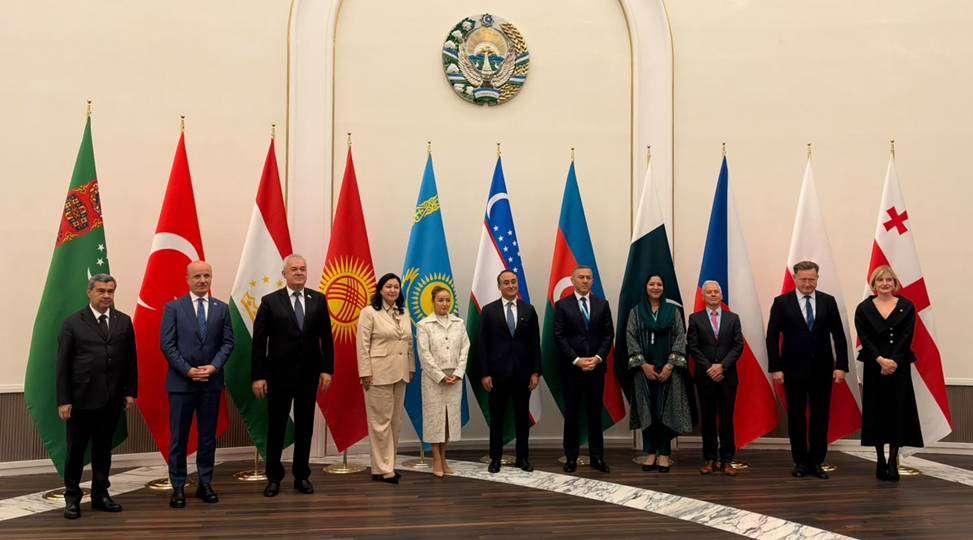
On October 28, 2026, Tashkent hosted the landmark International Education Forum titled “Central Asia – a New Space for Education, Science, and Innovation,” gathering more than 1,500 participants, university rectors, and education heads across eight countries at the Palace of International Forums. Among the key figures in attendance was Turkmenistan’s Minister of Education, Jumamyrat Gurbangeldyev, who led a high-level Turkmen delegation as part of an official working visit to Uzbekistan.
Key Highlights of the Turkmen Delegation’s Address
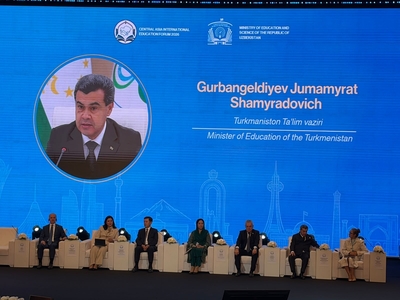
In his opening speech, Minister Gurbangeldyev extended sincere gratitude to the host nation for its warm hospitality and high-level organization. He framed Turkmenistan’s participation within the country’s broader vision for long-term modernization, highlighting key national initiatives:
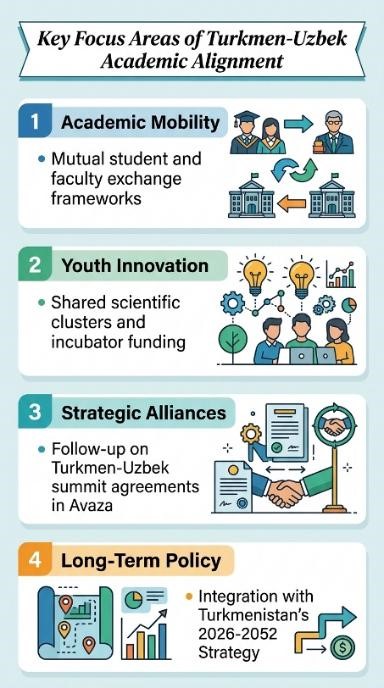
- Long-Term Educational Vision: The speech emphasized Turkmenistan’s implementation of its ambitious Higher Education Development Strategy for 2026–2052, launched under the leadership of President Serdar Berdimuhamedov and built upon foundation initiatives established by Hero Arkadag Gurbanguly Berdimuhamedov.
- Youth & Startup Ecosystems: A key focus of the speech was the creation of international scientific and educational youth clusters. Minister Gurbangeldyev underscored the necessity of supporting university-level startups, incubator networks, and practical commercialization of student-led research across Central Asian borders.
- Strengthening the Avaza Partnership: The Minister reiterated the strategic momentum built during recent top-level Turkmen-Uzbek summits in Avaza, noting that academic mobility, faculty exchanges, and joint venture innovation form natural pillars of the bilateral relationship.
Broad Regional Context & Bilateral Synergies
The forum took place against a backdrop of increasing regional integration in higher education across Central Asia. Convening simultaneously alongside regional research initiatives and international technology exchanges in Tashkent, the ministers’ roundtable centered on standardizing qualification frameworks, facilitating credit transfers, and creating joint-degree programs.
Looking Ahead
Turkmenistan’s active stance at the Tashkent forum signals a clear commitment to transforming Central Asia into a unified, competitive hub for scientific research and technical training. By prioritizing youth clusters, startup financing, and cross-border degree programs, Ashgabat and its regional partners aim to bridge academic research directly with industrial modernizations taking place across the region. /// nCa, 30 October 2026