


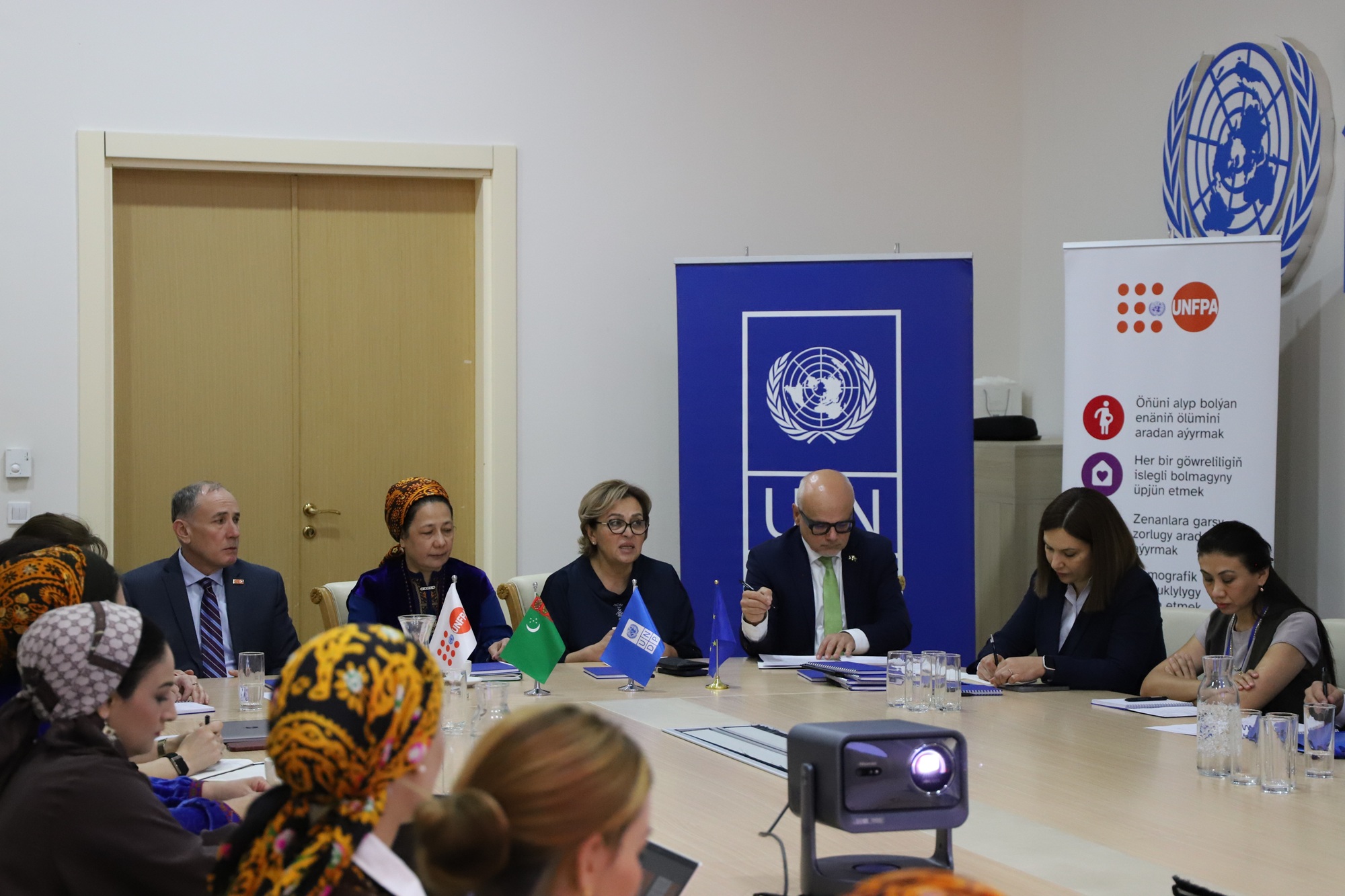
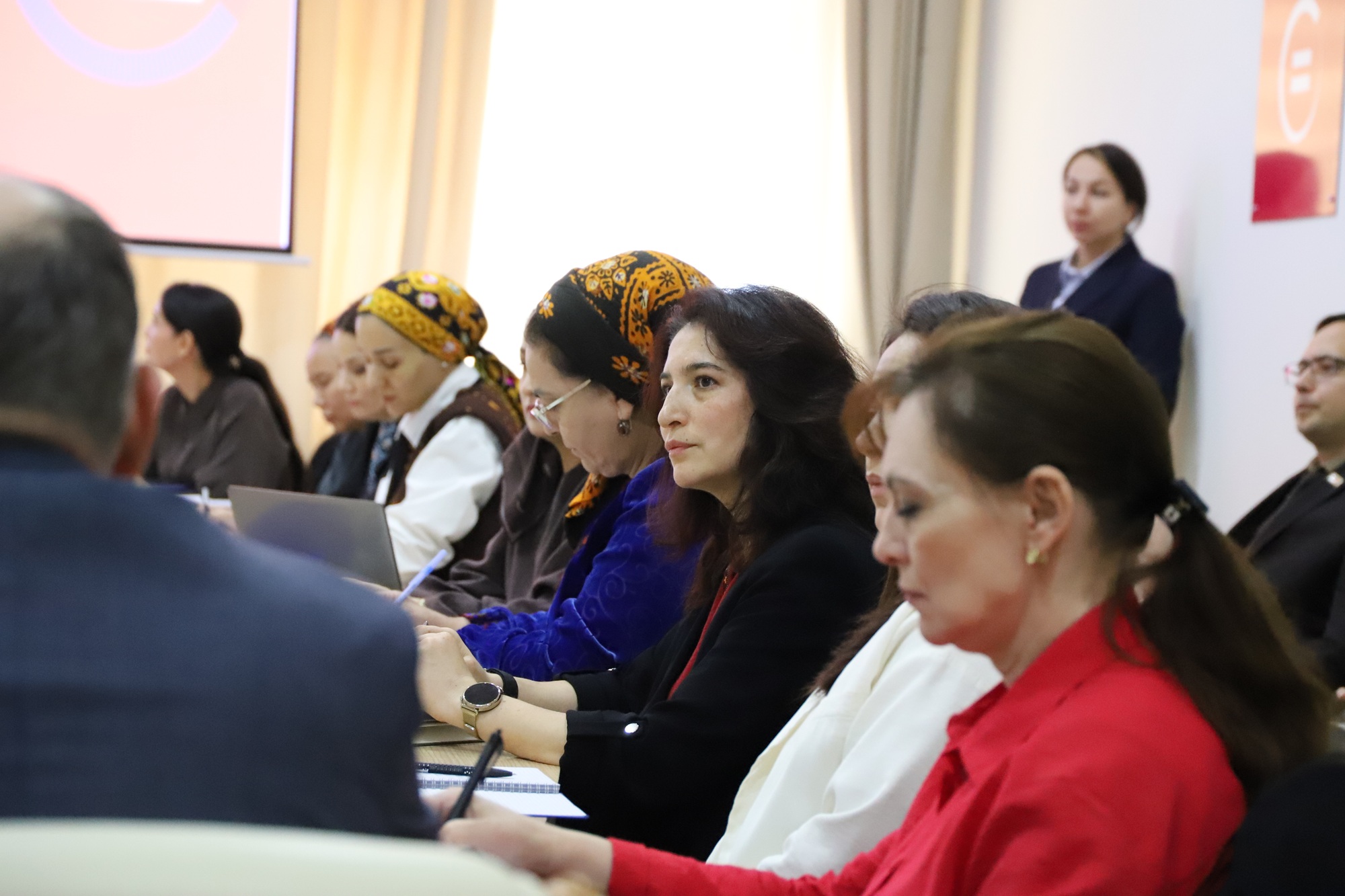
ASHGABAT, 23 October 2026 – The United Nations Development Programme (UNDP), in partnership with the United Nations Population Fund (UNFPA) held an event to launch the national component of the regional programme “Challenging Harmful Attitudes and Norms for Gender Equality (CHANGE),” funded by the European Union (EU).
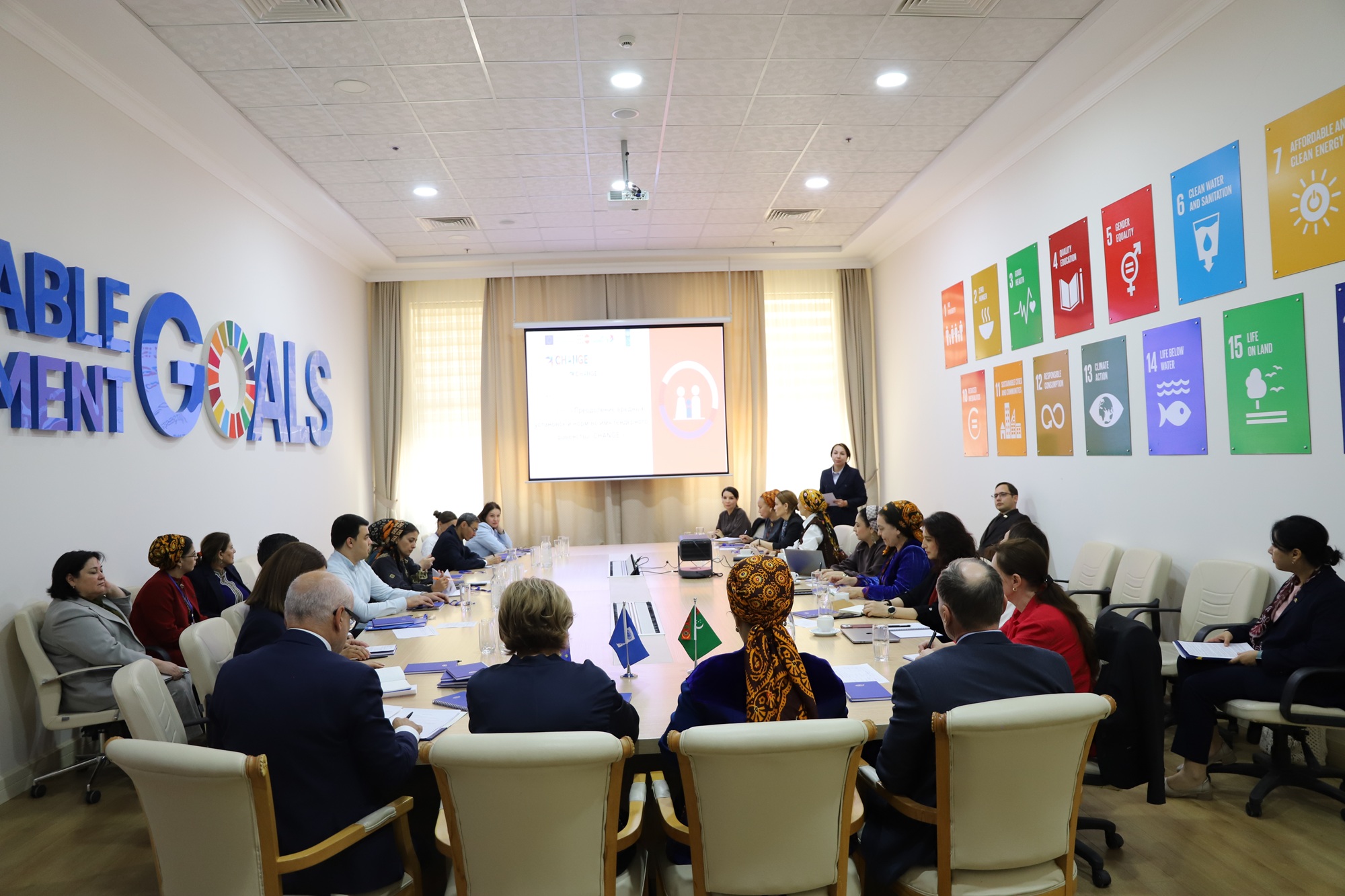
With a total budget of EUR 5.2 million, the CHANGE programme covers five Central Asian countries and aims to advance gender equality by transforming social attitudes and norms, empowering women, and strengthening national capacities to develop inclusive policies.
“Women’s economic empowerment is not only essential for achieving gender equality but also a driving force for sustainable development. Through the CHANGE programme, we aim to help create an enabling environment in which women can fully realize their professional and entrepreneurial potential, contributing to economic development and societal well-being,” said Narine Sahakyan, UNDP Resident Representative in Turkmenistan.
“Promoting positive social norms while challenging those that contribute to increased vulnerability will be a key focus of UNFPA’s support for the implementation of this joint programme,” said Kemal Goshlyev, Head of the UNFPA Office in Turkmenistan.
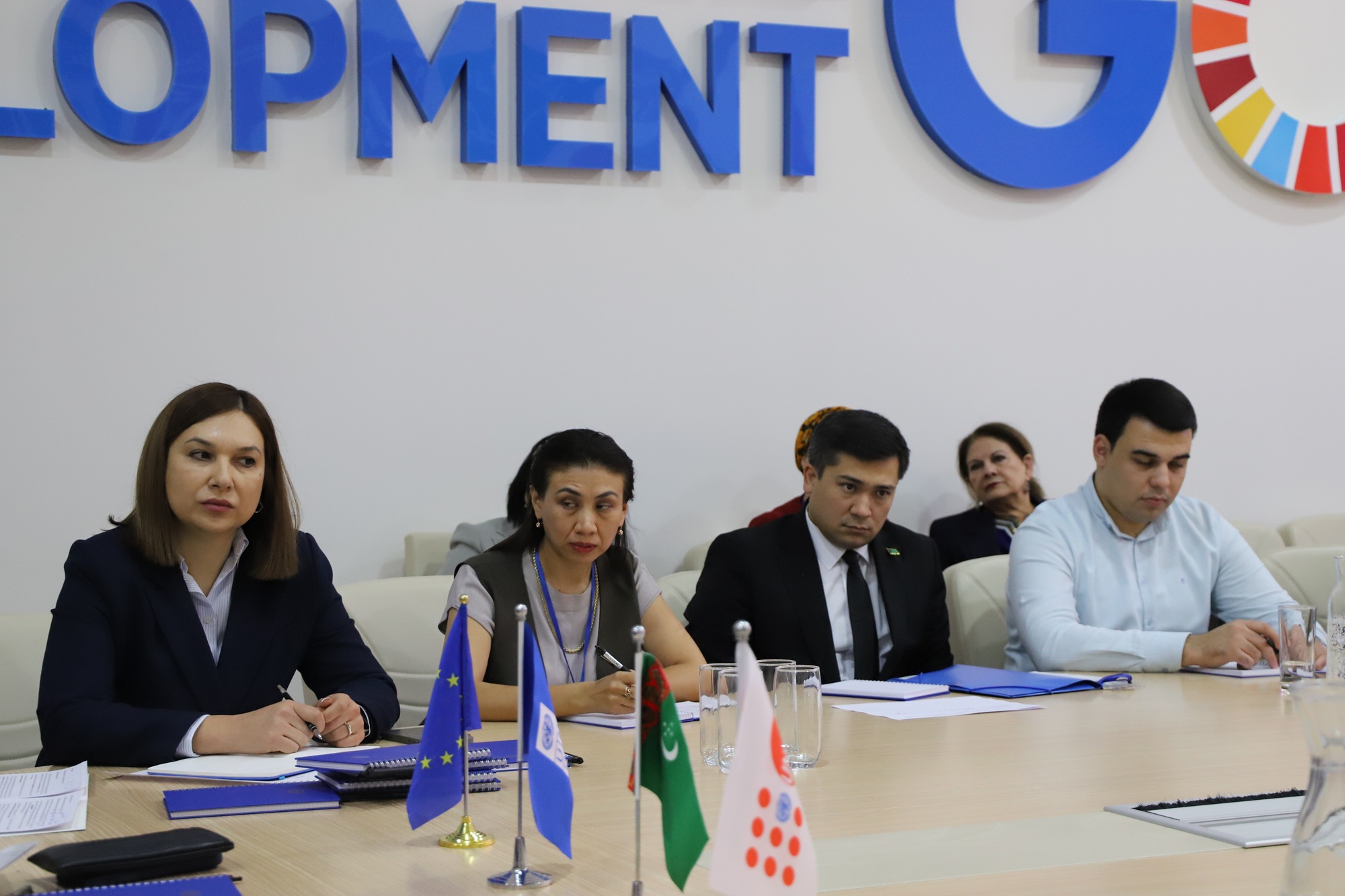
“The European Union believes that gender-based violence is one of the most serious barriers to equality, dignity and opportunity. It is a violation of human rights, but also a major obstacle to social cohesion, economic participation, and sustainable development. The programme document underlines that violence against women and girls is rooted in inequality, discrimination, and unequal power relations, and that addressing it brings not only social benefits, but economic ones as well, by enabling all people to contribute fully to development and innovation,” said Maciej Adam MADALINSKI, Chargé d’affaires a.i., EU Delegation to Turkmenistan.
Under the programme, UNDP, in partnership with UNFPA, will support a time-use survey to examine how paid and unpaid work is distributed between women and men. Particular attention will also be given to studying informal employment and expanding opportunities for young people, especially young women, to develop professional skills aligned with labour market needs.
The data and research findings will provide an evidence base for informed policymaking aimed at addressing structural barriers and expanding women’s access to decent work and economic opportunities.
The CHANGE programme will strengthen partnerships among government institutions, United Nations agencies, the European Union and other stakeholders to advance Turkmenistan’s national priorities and contribute to the achievement of the Sustainable Development Goals (SDGs), particularly SDG 5 (Gender Equality) and SDG 8 (Decent Work and Economic Growth), in line with the principle of leaving no one behind. ///nCa, 23 October 2026 (in cooperation with UNDP Turkmenistan)