


The global energy industry is entering a new phase of development in which digital technologies are becoming as important as physical infrastructure.
Artificial intelligence, advanced data analytics, digital twins and industrial automation are no longer emerging concepts. They are increasingly being integrated into exploration, production, transportation and processing operations, enabling energy companies to improve efficiency, strengthen operational reliability and enhance environmental performance.
For energy-producing countries across Central Asia, digital transformation represents more than the adoption of new technologies. It reflects a broader evolution in the way energy resources are managed, infrastructure is operated and international partnerships are developed.
Artificial intelligence is already assisting companies in interpreting geological data, optimising drilling programmes, forecasting production and improving predictive maintenance. Digital twins allow operators to model industrial facilities before implementing technical changes, while advanced monitoring systems help identify operational risks and reduce unplanned shutdowns.
As digitalisation accelerates, cybersecurity and data governance are becoming integral components of modern energy systems. Protecting operational technology and critical infrastructure is increasingly recognised as a strategic requirement for long-term energy security.
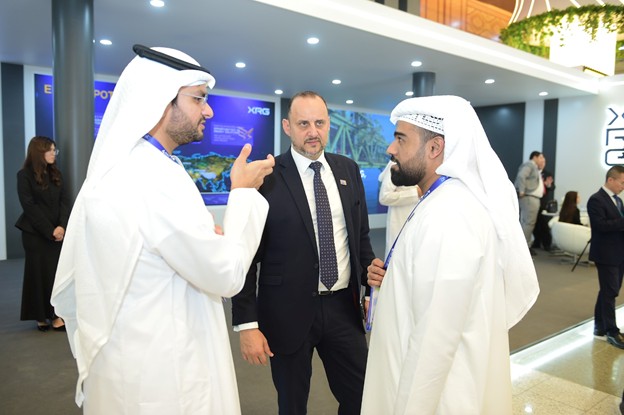
These developments also highlight the growing importance of international cooperation. The successful deployment of advanced technologies depends not only on innovation itself, but also on engineering expertise, knowledge transfer, professional education and long-term partnerships between governments, national energy companies, technology providers and research institutions.
For Turkmenistan, which continues to implement major projects in natural gas production, processing, transportation and offshore development, digital transformation offers opportunities to improve operational efficiency while strengthening international cooperation in the energy sector.
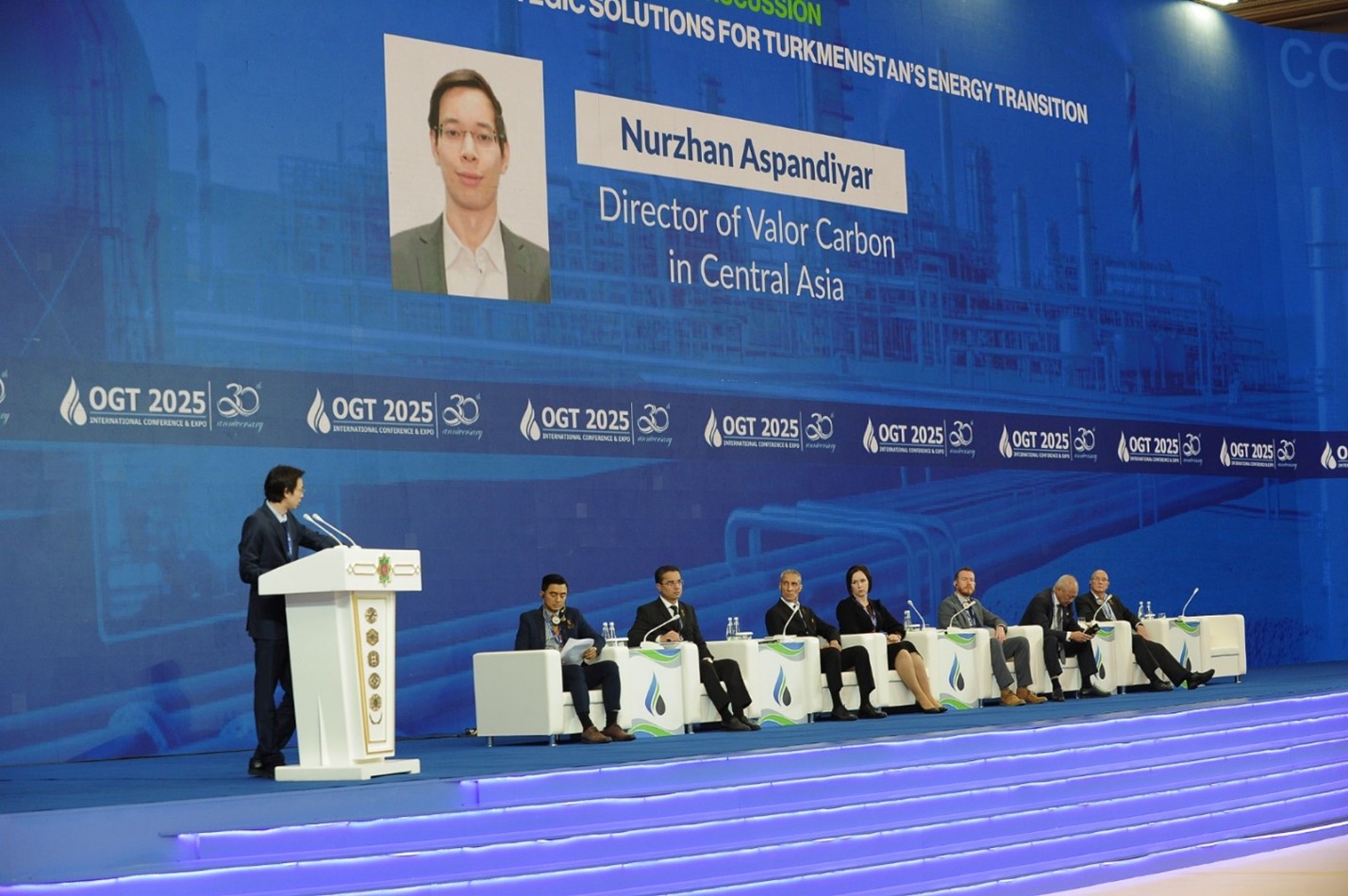
These themes are expected to feature prominently during the 31st International Conference and Exhibition “Oil and Gas of Turkmenistan – OGT 2026”, to be held in Ashgabat on 21–23 October 2026.
The preliminary programme includes discussions on artificial intelligence, digitalisation, digital oilfields, cybersecurity, asset optimisation, methane monitoring and smart energy infrastructure, alongside broader dialogue on investment, technology partnerships and sustainable development.
As the global energy transition continues to evolve, the future competitiveness of the industry will increasingly depend on the ability to combine natural resources with digital innovation, engineering excellence and international collaboration.
Detailed information about the 31st International Conference and Exhibition “Oil & Gas of Turkmenistan – OGT 2026”, including delegate registration, exhibition participation, and partnership opportunities, is available on the official website: www.ogt-turkmenistan.com. ///nCa, 30 July 2026