


Shirin Karryeva, Biodiversity Expert
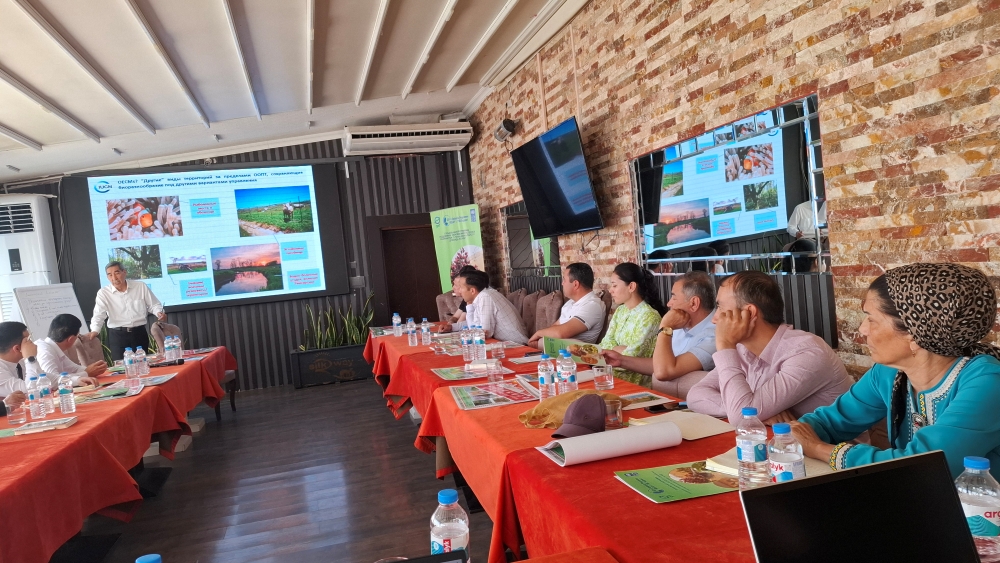
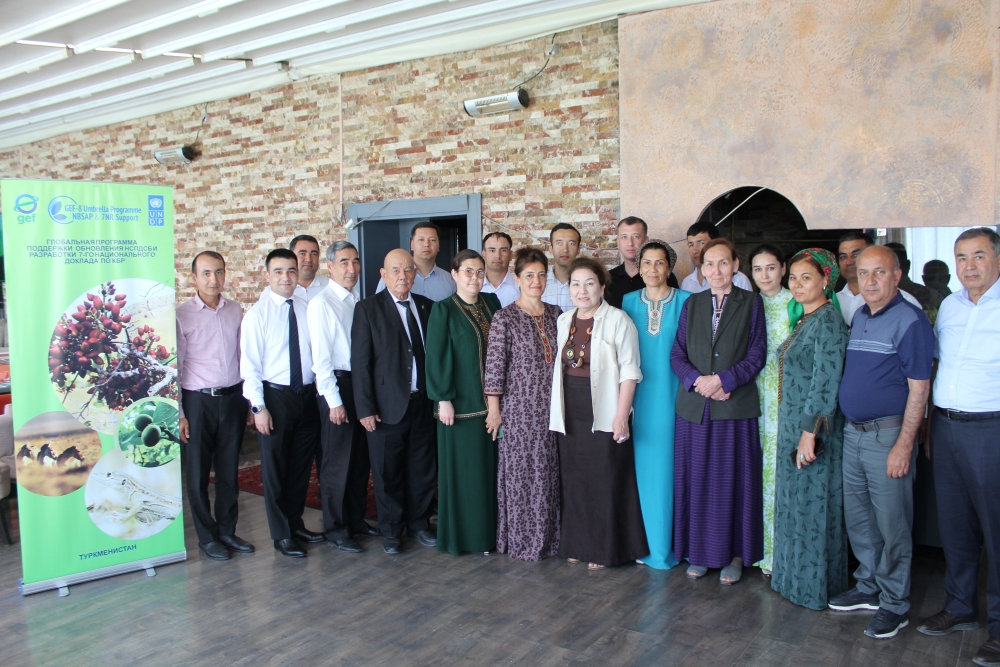
From 27 April to 12 May 2026, information seminars were held in province centers (Balkanabat, Mary, Dashoguz, Turkmenabat), organized by the United Nations Development Programme jointly with the Ministry of Environmental Protection of Turkmenistan to update the National Biodiversity Strategy and Action Plan. The seminars were attended by representatives of the local divisions of the Ministry of Environmental Protection, the Ministry of Agriculture, the Ministry of Health and Medical Industry, the Ministry of Finance and Economy, the Ministry of Education, the State Committee for Water Management, the State Committee on Statistics, the “Turkmenstandartlary” Main State Service, the State Customs Service, as well as public organizations.
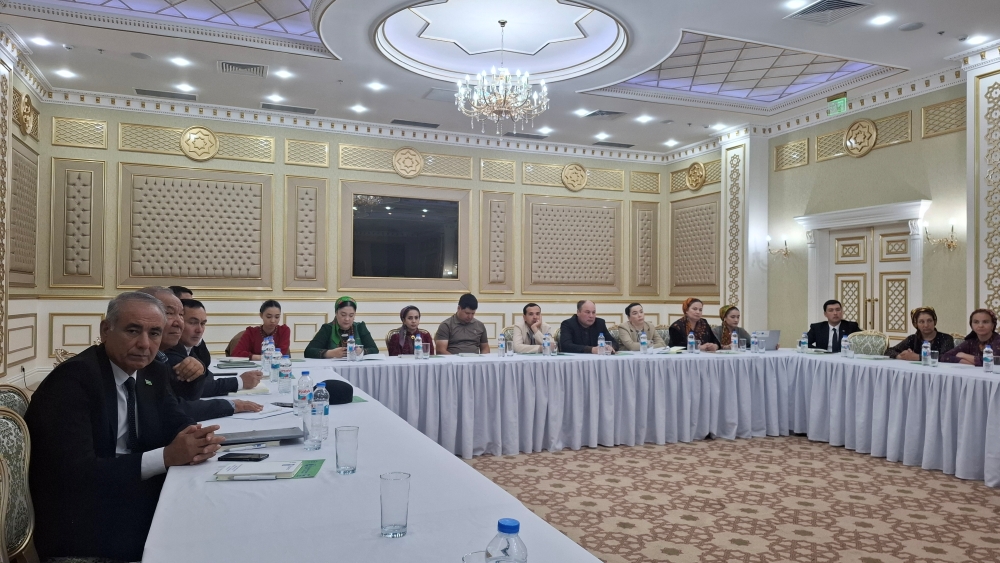
The objective of the seminars was to discuss the updating of the National Biodiversity Strategy and Action Plan for the period 2026–2030, as well as the preparation of National Reports. As is well known, Turkmenistan acceded to the Convention on Biological Diversity on 18 June 1996, and to two supplementary agreements: the Cartagena Protocol on Biosafety (in 2008) and the Nagoya Protocol on Access to Genetic Resources and the Fair and Equitable Sharing of Benefits Arising from their Utilization (officially becoming a Party on 2 February 2021).
Why the Nagoya Protocol Matters
The Nagoya Protocol is a key international agreement focused on how the world manages its natural and biological resources. It specifically helps countries implement a core goal of the global Convention on Biological Diversity: ensuring that when genetic resources (like native plants, seeds, or organic materials) or traditional knowledge are used, the benefits are shared fairly and equally with the host country.
In plain terms, the Protocol serves as a clear rulebook for international biodiversity. It creates a transparent and legally secure environment for both sides: the providers (the countries where these unique resources originate) and the users (such as international researchers, scientists, or companies).
By offering clear legal certainty, it helps countries fulfill their international environmental commitments. The most important breakdown here is that the Protocol legally requires users to respect and follow the domestic laws, regulations, and specific contract terms set by the country providing the resources.
What are Genetic Resources?
Genetic resources refer to any genetic material of plant, animal, or microbial origin that contains functional units of heredity and holds actual or potential value.
Plants, animals, and microorganisms carry genetic blueprints that can be highly beneficial to humanity. These resources can come from wild, domesticated, or cultivated species. They are found either in their natural habitats (in-situ) or in human-made environments (ex-situ), such as botanical gardens, gene banks, seed repositories, and microbial culture collections.
Who Uses Genetic Resources?
According to the Nagoya Protocol, the primary users of genetic resources include:
- Commercial & Public Institutions: Botanical gardens, as well as enterprises and organizations in the pharmaceutical, agricultural, biotechnology, and cosmetics industries.
- Scientific & Private Collectors: * Legal entities: Research institutes and their affiliated DNA, plant/animal cell, and tissue banks, alongside microbial culture collections. Individuals: Private collectors of wild plants and animals that possess valuable pharmaceutical, therapeutic, or economic properties.
Why Access and Regulation Matter
Users require access to genetic resources for a wide range of purposes, spanning from fundamental academic research to the commercial development of entirely new products (like life-saving medicines or climate-resilient crops).
The compliance provisions of the Nagoya Protocol create more predictable, transparent conditions for accessing these resources. This framework guarantees that the economic or scientific benefits are shared fairly whenever genetic resources are moved outside the borders of the providing country.
Background Information: Turkmenistan as a Genetic Hub
Turkmenistan is a country of origin for many wild relatives of cultivated plant species within the Central Asian Genetic Center. The nation boasts a high level of both species and genetic diversity, sitting within one of the eight global centers of diversity for fruit-bearing plants. It serves as a vital habitat for wild relatives of field, vegetable, fruit, melon, and various other agricultural crops.
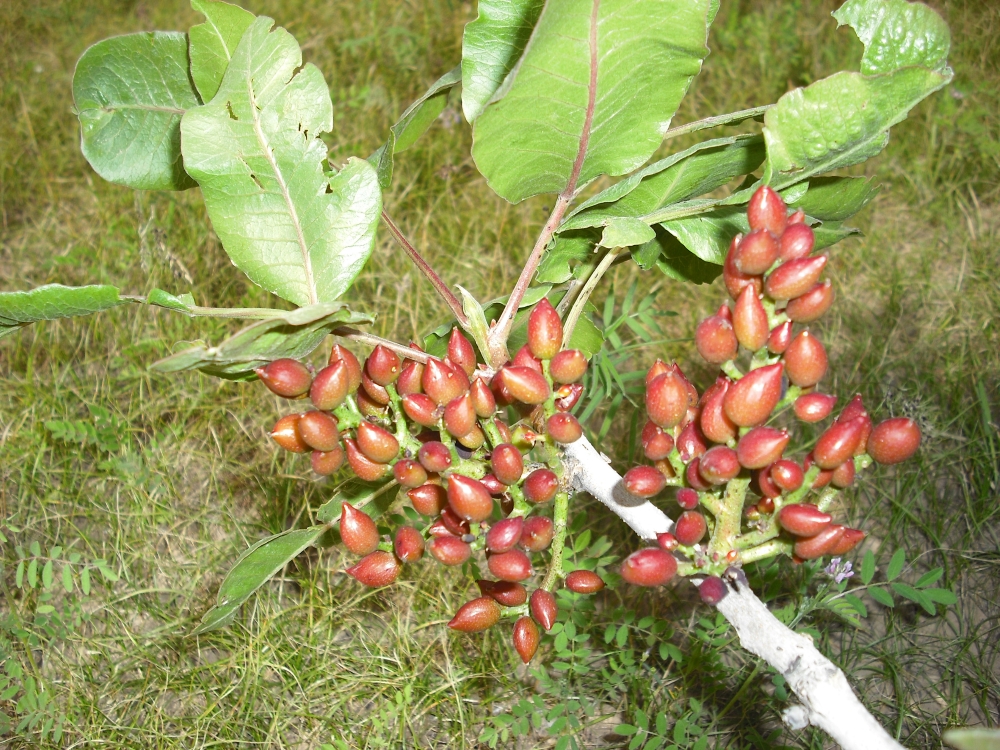

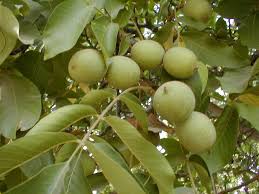
The region features a remarkably diverse range of wild cereals—particularly species of Aegilops (goatgrass), barley, oats, and rye—alongside numerous wild onion species. The tree and shrub group of wild relatives includes:
- Nuts: Walnut, pistachio, and almond.
- Fruits & Berries: Pomegranate, mulberry, fig, wild forest grape, apple, blackberry, barberry, and rosehip.
These native species are widely used in plant cultivation and fruit breeding today. Consequently, the wild relatives of Turkmenistan’s cultivated plants represent a priceless source material for developing modern crop varieties and serve as a reliable, resilient genetic bank for the future.
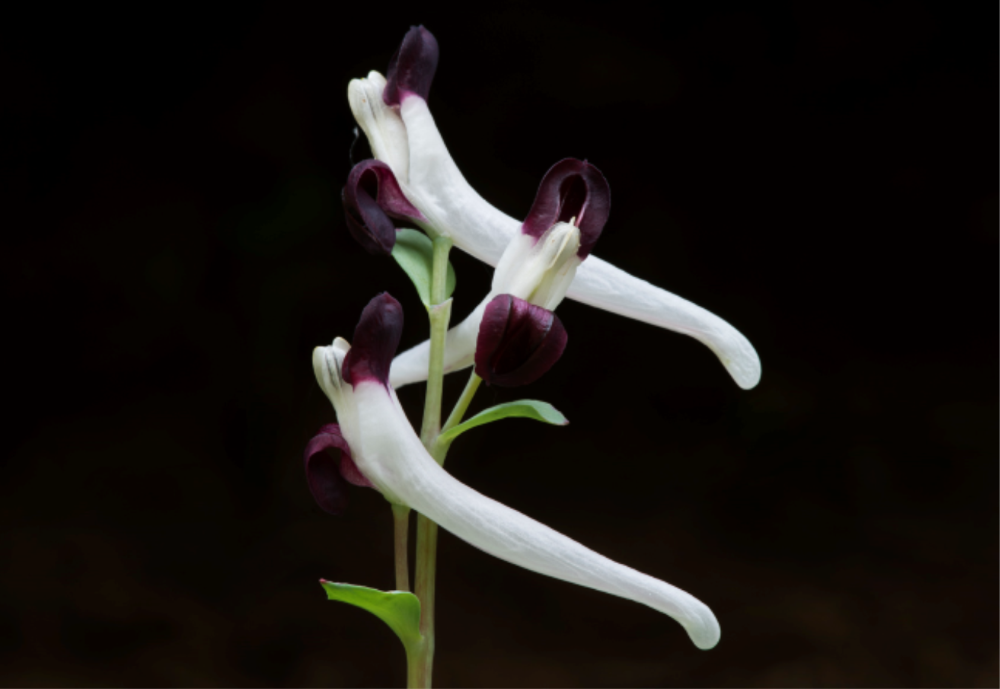

Benefits of Utilizing Genetic Resources
Genetic resources are vital for acquiring new scientific knowledge, driving innovation, and developing products, pharmaceuticals, and cosmetics. These advancements can enhance human well-being, improve public health, ensure food security, and foster sustainable economic growth.
By becoming a Party to the Nagoya Protocol, Turkmenistan gains the opportunity to:
- Protect and preserve national genetic resources and their associated traditional knowledge.
- Develop legislative, administrative, and policy measures to effectively implement the Nagoya Protocol.
- Build and strengthen the necessary institutional capacity.
The Nagoya Protocol grants participating countries access to financial resources, cutting-edge technologies, innovations, and scientific achievements. These assets support activities aimed at the conservation and sustainable use of genetic resources. To meet the requirements of the Nagoya Protocol, Turkmenistan will need to carry out legal reforms involving all relevant stakeholders, alongside other organizational, administrative, and political measures./// nCa, 22 May 2026