


Elvira Kadyrova
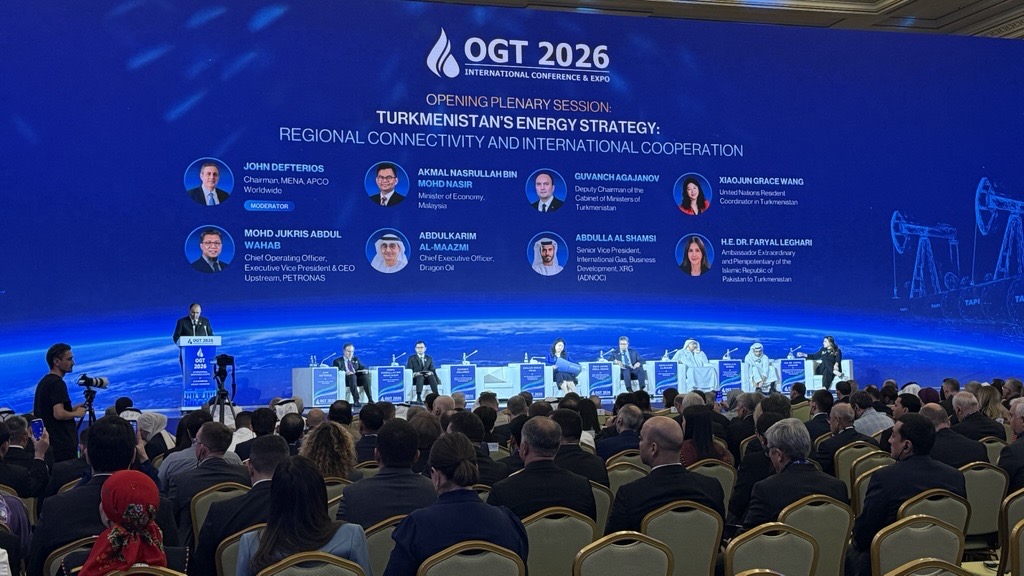
The 31st International Conference and Exhibition “Oil and Gas of Turkmenistan” (OGT 2026) kicked off in Ashgabat on 21 October 2026today, drawing an impressive assembly of global energy leaders, government officials, international organizations, and major corporate players.
The Day 1 delivered landmark updates on flagship regional pipelines, historic export milestones, and deepening strategic partnerships across Eurasia.
Note: In-depth coverage of the individual developments highlighted below has also been published in separate news stories, available directly on our website and in today’s issue of our Turkmenistan News Bulletin.
Grand Opening and Strategic Vision
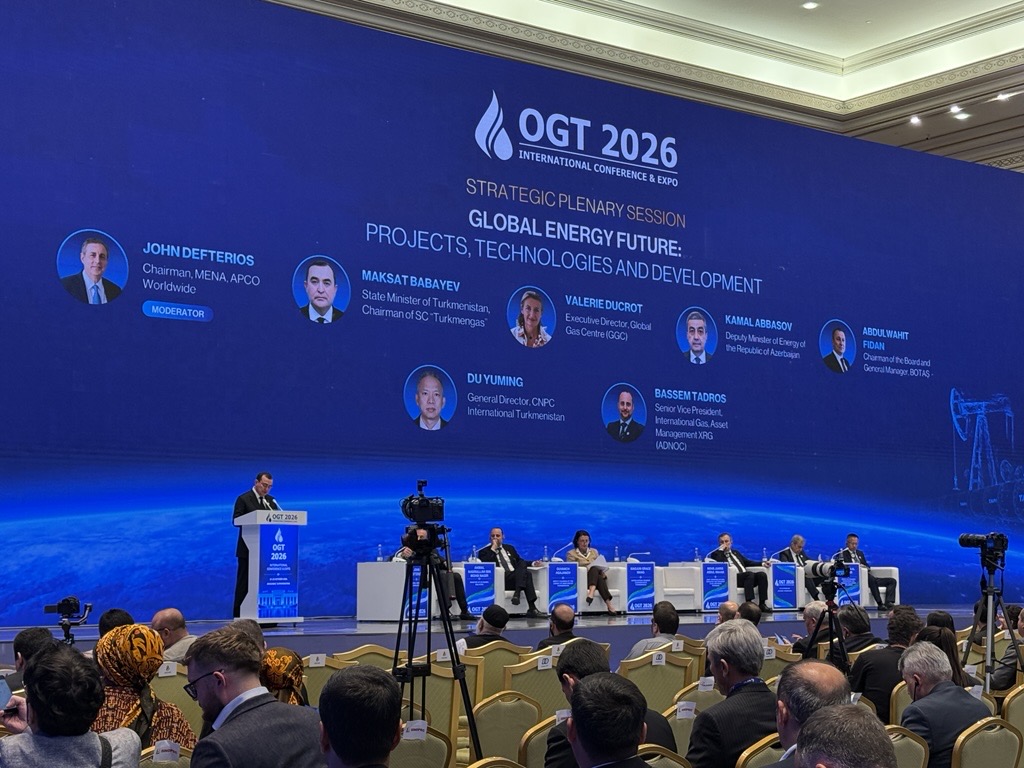
Opening addresses set a resolute tone for OGT 2026, emphasizing Turkmenistan’s proactive approach to expanding its energy horizons, modernizing domestic processing infrastructure, and fostering robust cross-border corridors. State energy leadership outlined aggressive growth strategies focused on resource diversification, cutting-edge environmental practices, and enhanced technical capabilities in upstream extraction and downstream refining.
Landmark Progress on Flagship Regional Corridors
TAPI Pipeline Reaches Crucial Milestone Toward Herat
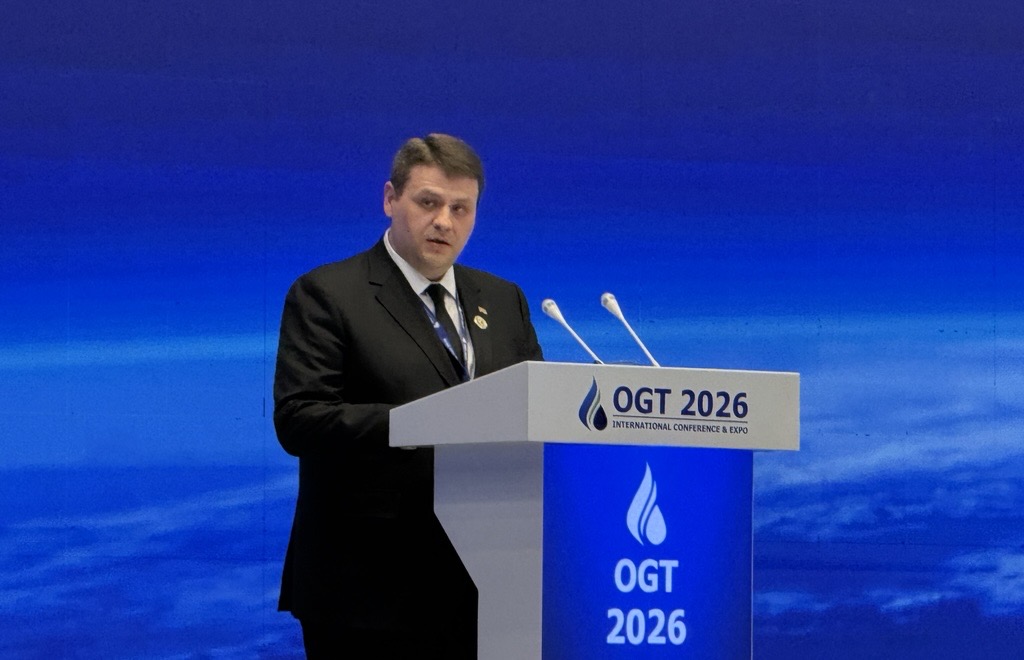
In one of the most anticipated announcements of the opening day, TAPI Pipeline Company Limited CEO Muhammetmyrat Amanov revealed that the Turkmenistan–Afghanistan–Pakistan–India (TAPI) gas pipeline segment stretching from the Turkmen border toward Herat in western Afghanistan is nearly 80% complete.
- Physical Progress: Approximately 150 kilometers of the route have been prepared, with pipes welded and assembled along 124 kilometers. Around 75% of obstacle crossings (rivers and roads) are finalized, and section-by-section hydrostatic testing is actively underway.
- Timeline: The Herat section is slated for full commissioning by the end of 2026. Amanov noted that this milestone will definitively prove the technical and financial viability of the broader TAPI corridor to regional markets and international financial institutions.
- Resource Backing & Downstream Integration: Amanov underscored that the project’s resource base has been further solidified by the April 2026 inauguration of Phase IV at the Galkynysh gas field, adding 10 billion cubic meters of commercial gas capacity annually. Additionally, discussions are progressing with Afghan partners regarding local gas distribution networks in Herat province.
- Broader Outlook: Mohammad Nazim Samoon, head of the TAPI Coordination Office at Afghanistan’s Ministry of Mines and Petroleum, emphasized that Herat serves as a crucial practical testing ground. Speaking to international media on the sidelines, Samoon also noted that Afghanistan remains fully open to exploring Russian investment participation in the project alongside existing partners.
Powering Kabul and Regional Grid Integration
Complementing gas infrastructure, Turkmenistan is advancing major electrical transmission projects toward Afghanistan. Initiatives moving forward include high-capacity power transmission line developments designed to supply up to 800 MW to Kabul, dramatically boosting regional electricity connectivity and bilateral economic cooperation.
Expanding Horizons: Key Bilateral and Continental Partnerships
China: Cumulative Deliveries Cross the 477 Billion Mark
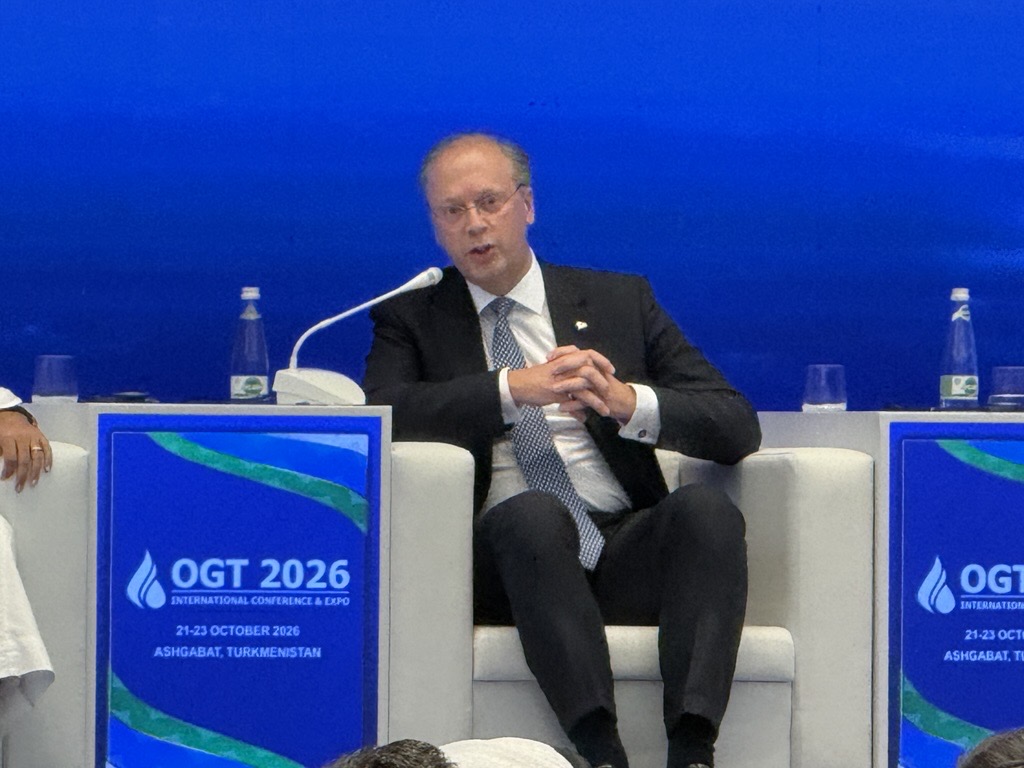
Highlighting the enduring strength of the Turkmenistan-China energy partnership, updates presented at the conference confirmed that cumulative Turkmen natural gas supplies to China have officially surpassed 477 billion cubic meters, cementing this corridor as a pillar of regional trade and energy security.
Türkiye: BOTAŞ Envisions Long-Term Gas Corridor to Europe
Turkish energy representatives, including national pipeline operator BOTAŞ, used OGT 2026 to emphasize Türkiye’s strategic role as a vital western gateway. Discussions focused on long-term energy corridor frameworks aimed at routing Turkmen natural gas through Turkish transit networks to broader European markets.
UAE Energy Giants and Petronas Reaffirm Long-Term Commitments
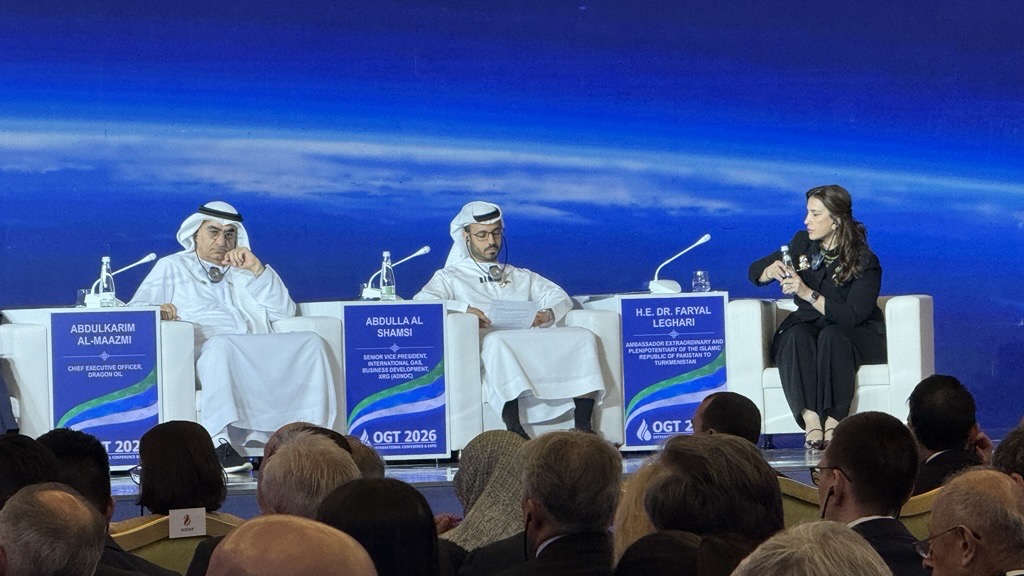
- United Arab Emirates: Leading UAE energy companies reiterated their dedication to deep, long-term strategic partnerships with Turkmenistan, exploring joint ventures in upstream field development and modernization.
- Malaysia: Petronas reaffirmed its enduring partnership with Ashgabat. High-level engagements centered on expanding collaborative operations, technological exchange, and deepening long-term hydrocarbon exploration in the Caspian region.
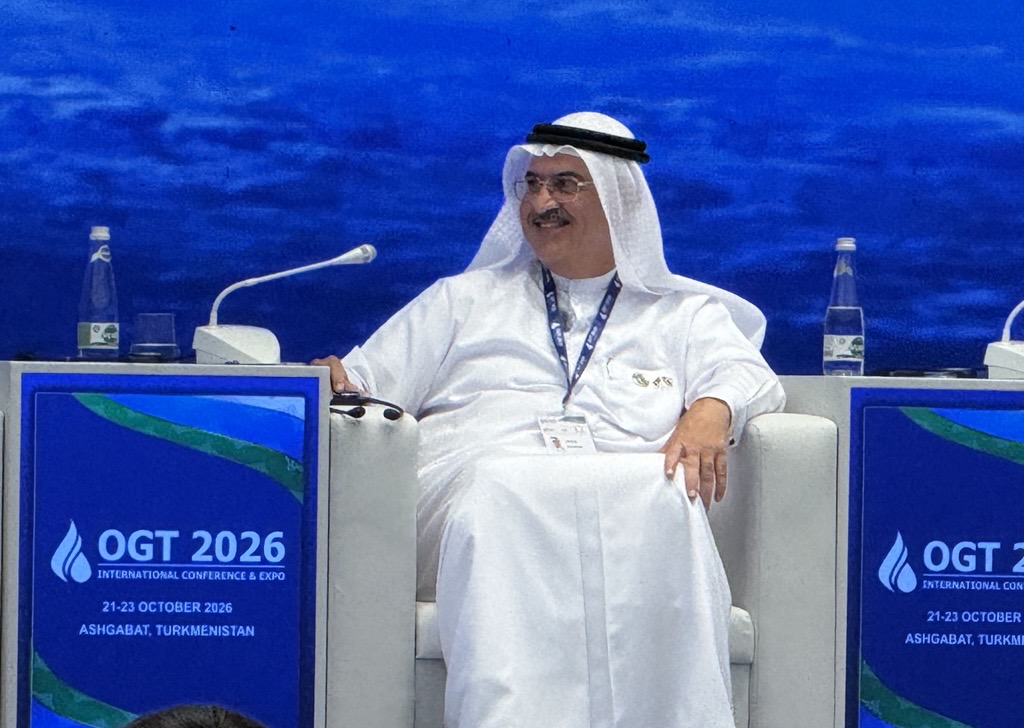
Azerbaijan: Broadening Caspian Synergy
Delegations from Azerbaijan actively engaged in talks to expand bilateral and multilateral energy cooperation with Turkmenistan, exploring joint synergies across Caspian maritime transport, shared hydrocarbon development, and unified transit logistics.
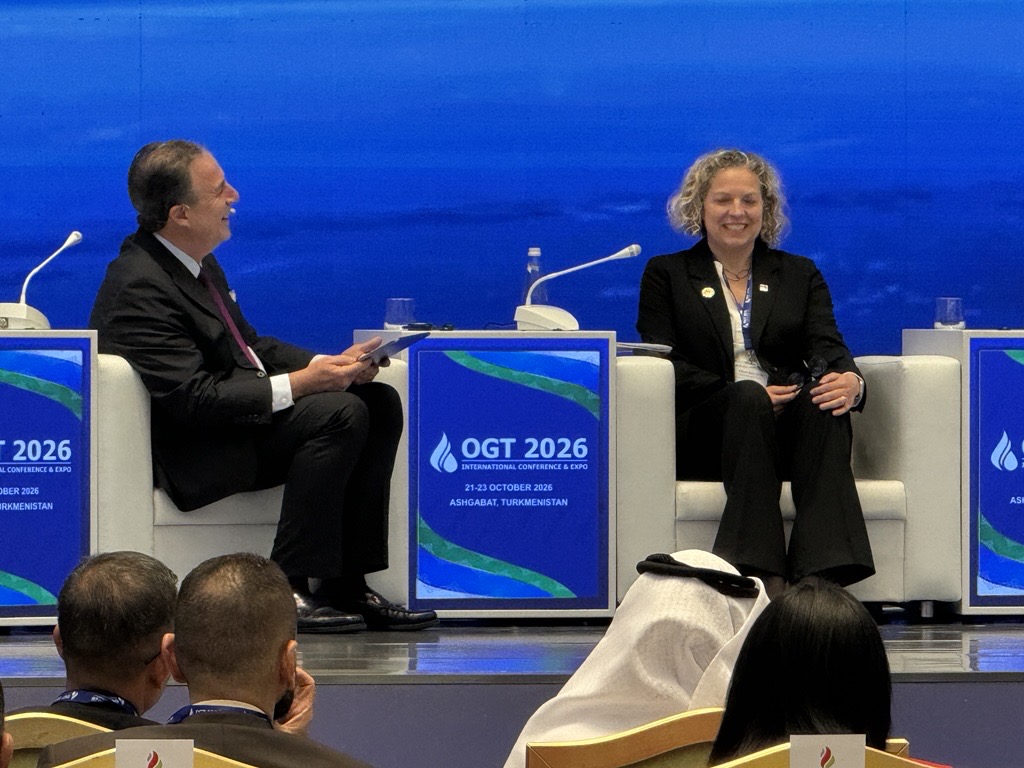
Exhibition Highlights and Technological Showcases
The parallel exhibition hall buzzed with activity, featuring state energy giants (Turkmengaz, Turkmennebit, Turkmengeology) alongside international pavilions and major global service providers. Exhibitors showcased advanced technologies in digitalization, methane emission monitoring, industrial safety, and eco-friendly oilfield services—reflecting the sector’s mounting commitment to sustainable, low-carbon operations. /// nCa, 22 October 2026