


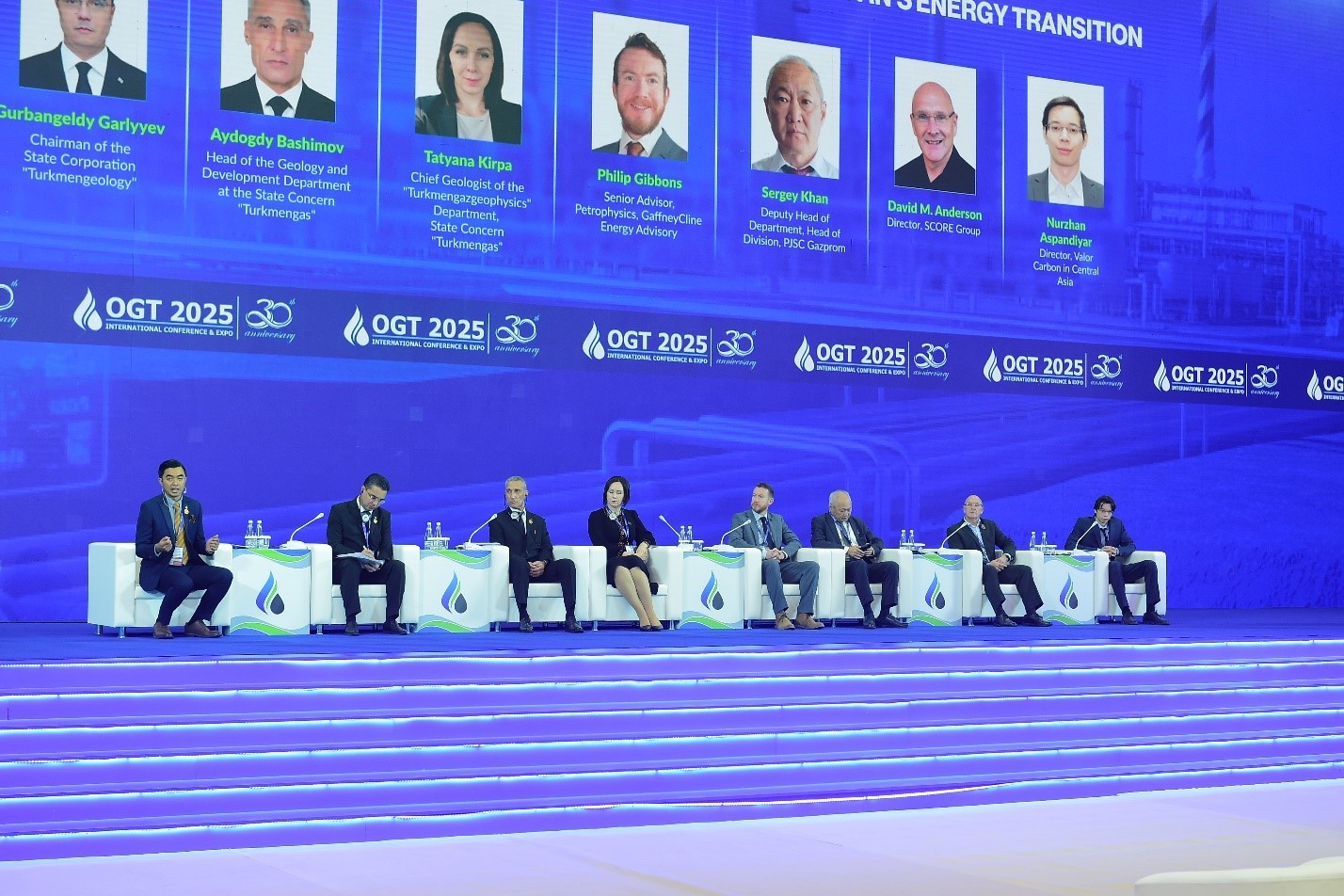
By Steve Travers, Regional Director, GaffneyCline
Turkmenistan is entering a new stage of energy development as large-scale gas projects, Caspian exploration, regional infrastructure initiatives and technology-driven optimisation increasingly come together to shape the country’s future energy landscape.
For international energy companies and investors, the significance of Turkmenistan extends beyond the scale of its natural resources. The next phase of development will increasingly depend on how effectively resources can be transformed into projects, connected with markets and supported through long-term partnerships.
This transition reflects a broader trend across the global energy industry, where resource potential alone is no longer sufficient. Successful development increasingly requires infrastructure, technology, operational expertise and cooperation between governments, companies and technical specialists.
Galkynysh and the next stage of gas development
The continued development of the Galkynysh gas field remains central to Turkmenistan’s energy strategy.
The launch of Phase IV represents an important milestone in the development of one of the world’s largest gas fields. The programme includes new production drilling and gas-treatment infrastructure designed to support additional commercial gas production.
The importance of Galkynysh is not limited to production capacity.
Large-scale field development requires integrated solutions across reservoir management, drilling, processing, infrastructure, operational efficiency and long-term asset management.
Modern technologies, including digital solutions and advanced data analytics, are becoming increasingly important tools in improving technical decision-making and enhancing the performance of major energy assets.
For international companies, this creates opportunities to contribute expertise across multiple stages of the value chain — from engineering and technology solutions to operational support and technical advisory services.
Caspian exploration and regional potential
The Turkmen sector of the Caspian Sea represents another important element of the country’s energy development.
The region combines established offshore production with new exploration opportunities, creating potential for further cooperation between Turkmenistan and international partners.
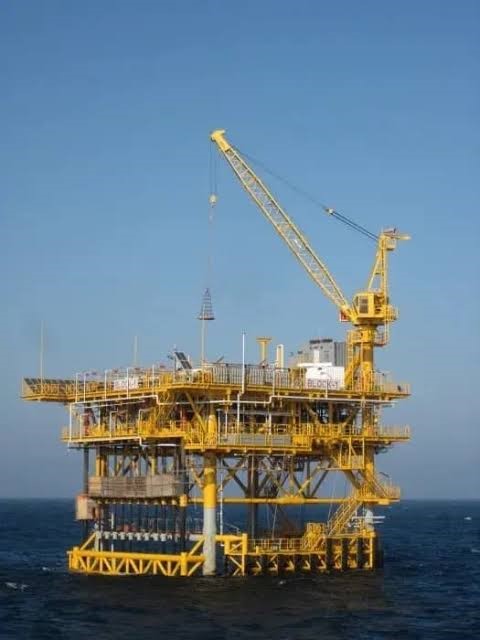
The Magtymguly field within Block 1 continues to demonstrate production potential, while new exploration areas and planned geological and seismic studies are supporting a broader understanding of offshore opportunities.
For investors and technical companies, exploration success depends on reducing uncertainty through improved geological knowledge, advanced seismic interpretation and effective reservoir evaluation.
The Caspian therefore represents not only a resource opportunity, but also a field for technological cooperation and long-term investment.
Infrastructure, connectivity and energy security
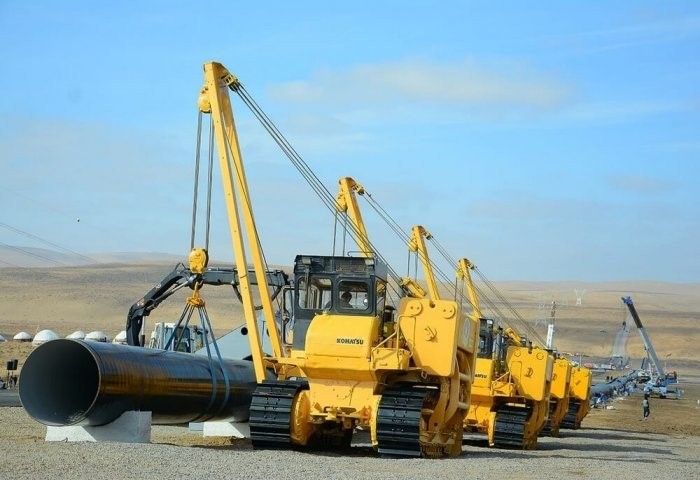
The future value of energy resources is closely linked with infrastructure and access to markets.
The Turkmenistan–Afghanistan–Pakistan–India (TAPI) gas pipeline represents one of the most significant regional energy connectivity projects associated with Turkmenistan.
Designed to transport up to 33 billion cubic metres of natural gas annually, TAPI is intended to connect Turkmenistan’s gas resources with growing energy markets in South Asia.
The relationship between resource development and market access is a central consideration for investors.
The expansion of production capacity must be supported by reliable infrastructure, while infrastructure projects require secure and sustainable sources of supply.
Together, these elements demonstrate how energy development can contribute not only to commercial objectives but also to broader regional cooperation and energy security.

Technology and the evolution of energy development
Technology is becoming a defining element of the modern energy sector.
Across both new developments and mature assets, digitalisation, data analytics, advanced engineering solutions and improved production technologies are helping companies make better decisions and improve operational performance.
For mature fields, optimisation represents an important opportunity.
Improved reservoir management, well intervention, artificial lift systems, enhanced recovery methods, compression and asset integrity solutions can help extend productive life and maximise value from existing resources.
The objective is not technology for its own sake, but technology applied to practical challenges — improving efficiency, supporting production and enabling better investment decisions.
A partnership-driven energy future
Turkmenistan’s energy development is increasingly shaped by long-term international cooperation.
Partnerships with countries such as China and Malaysia demonstrate how energy relationships can evolve over decades, moving beyond individual projects towards broader cooperation involving investment, technology, engineering expertise, workforce development and knowledge exchange.
In 2026, major anniversaries in these partnerships coincided with new stages of development, highlighting the continued evolution of international cooperation in Turkmenistan’s energy sector.
For GaffneyCline, these developments demonstrate that the next stage of Turkmenistan’s energy story will depend on combining resources with technical capability, infrastructure and effective project execution.
As Technical Partner of Turkmen Energy Forum and co-organiser of OGT 2026, GaffneyCline will contribute to discussions on how these opportunities can be developed.
The 31st International Conference and Exhibition “Oil and Gas of Turkmenistan – OGT 2026”, taking place in Ashgabat on 21–23 October 2026, will bring together government representatives, energy companies, investors and technical experts to explore the future of energy cooperation.
For the international energy community, Turkmenistan represents an example of how resource potential, regional connectivity, technology and partnership can come together to create long-term value. ///nCa, 21 September 2026 (the material was provided by the Organizers)