


Elvira Kadyrova, Ravilya Kadyrova, photos by Tamir Shakirov
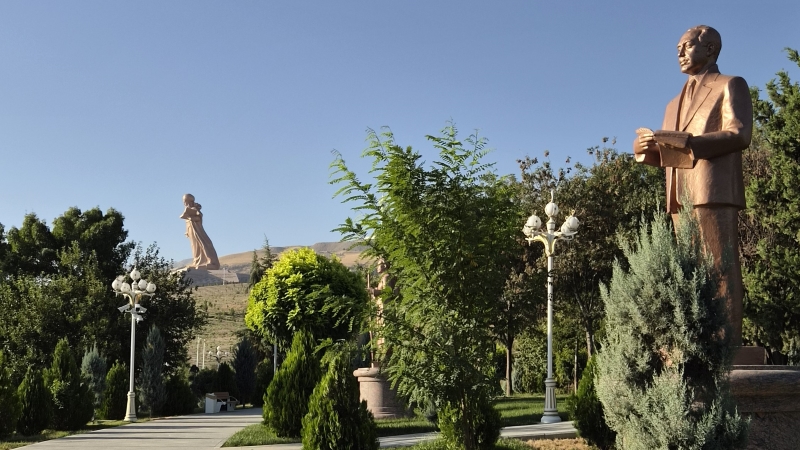
On the southern outskirts of Ashgabat, at the foot of the Kopetdag Mountains, lies the “Magtymguly Fragi” Cultural and Park Complex — a place where urban infrastructure comes into an unexpected and close encounter with the wild.
For the residents of the capital, the park has long been a place to spend a weekend outdoors, escape the bustle of the city and enjoy the mountain scenery. Yet a walk here can also lead to some quite unexpected encounters.
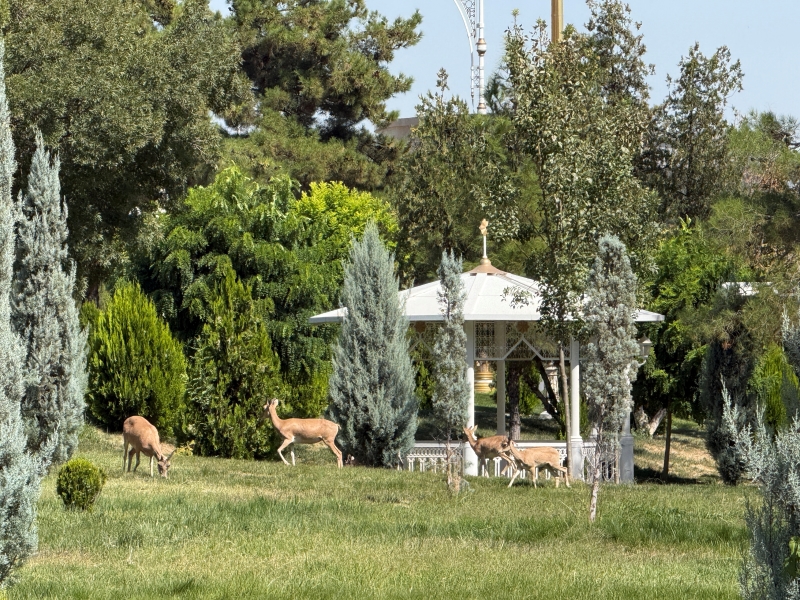
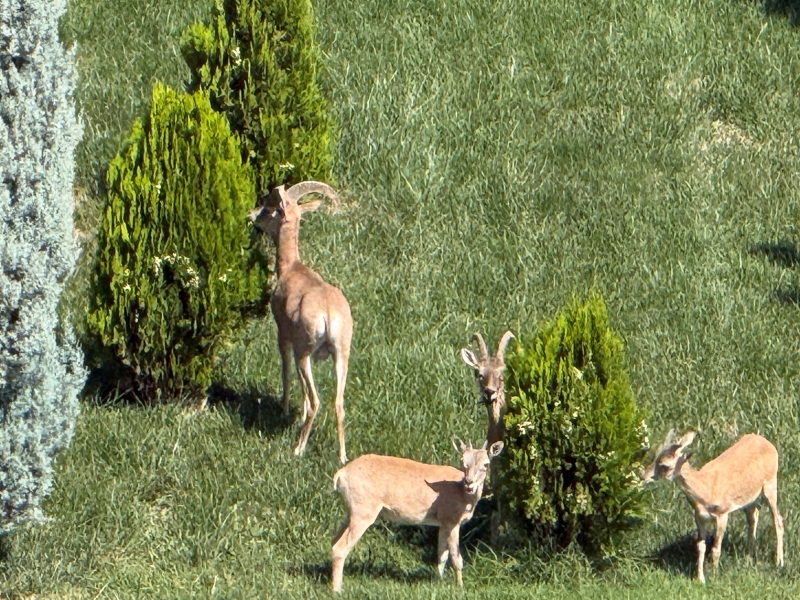
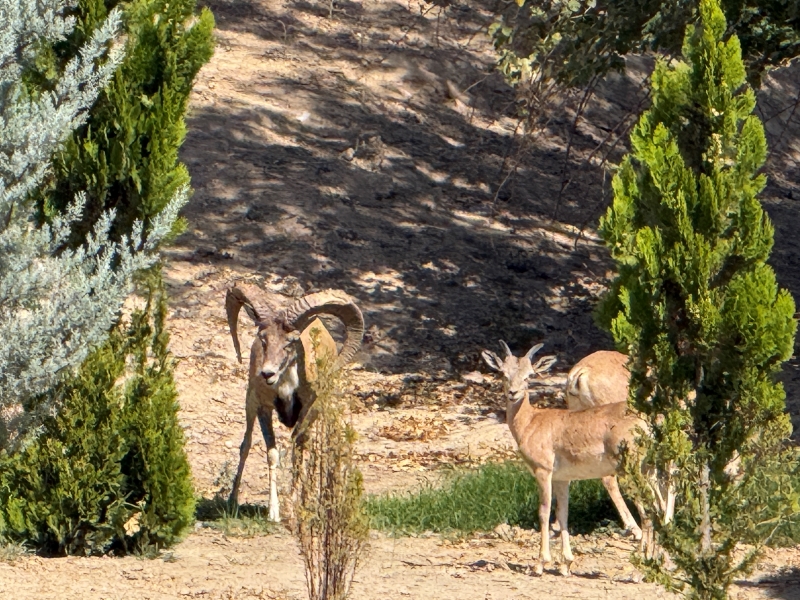
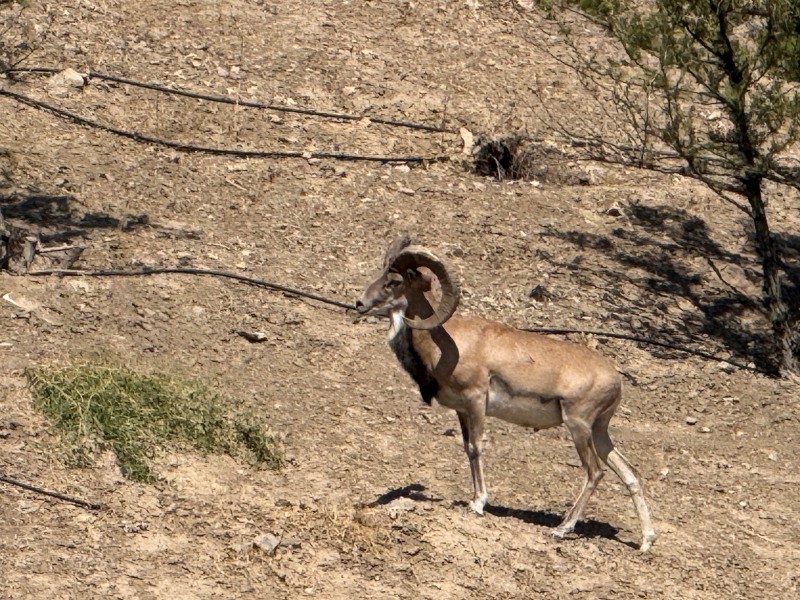
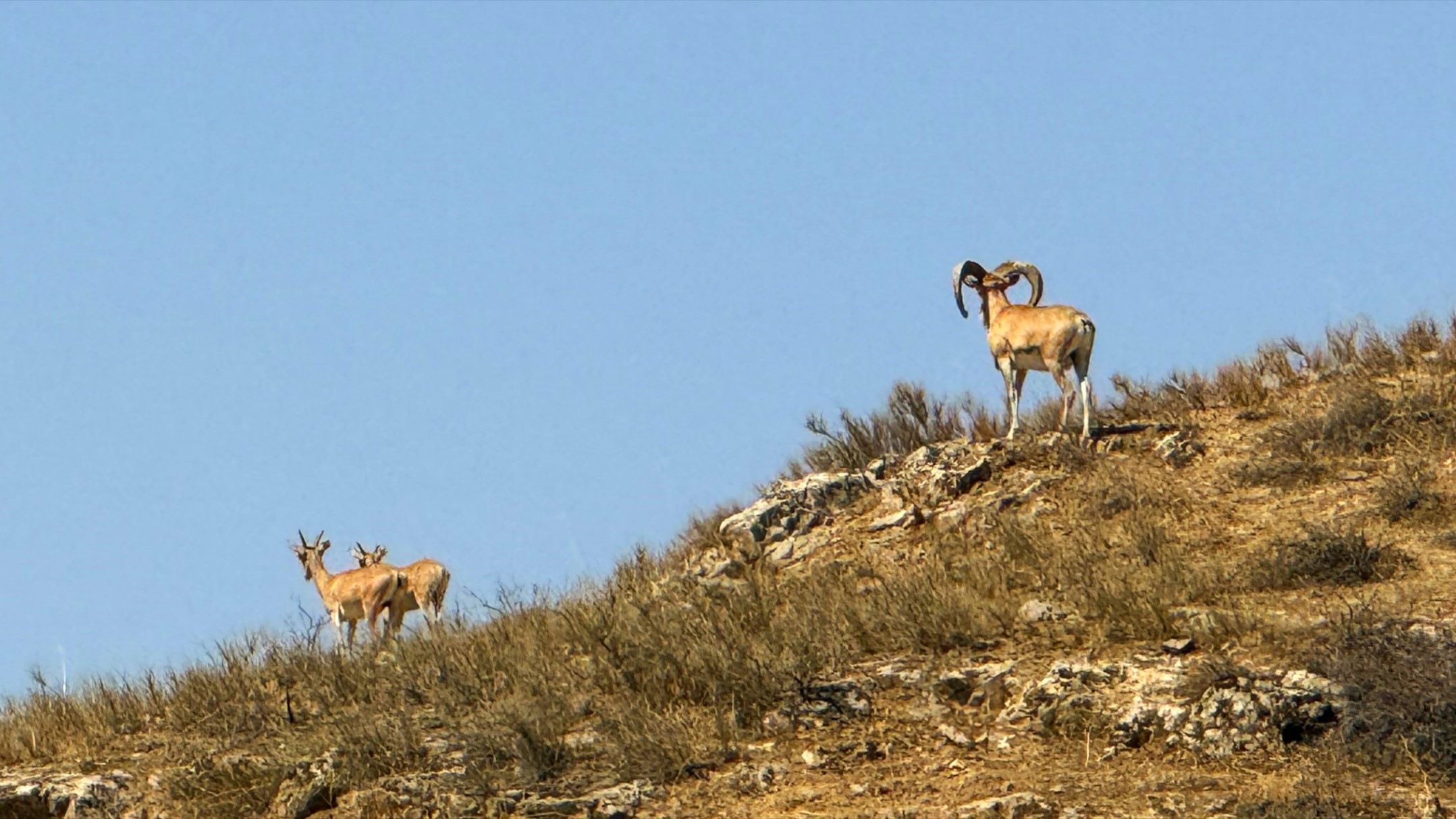
From the park avenue, visitors can access the famous Health Trails, stretching for 8 and 23 kilometres along winding stairways that climb the slopes of Mount Gindivar. As they ascend, visitors are rewarded with increasingly impressive views of the Kopetdag Mountains. And sometimes, right in the park, they can encounter some of its wild inhabitants — mountain sheep, or urials.
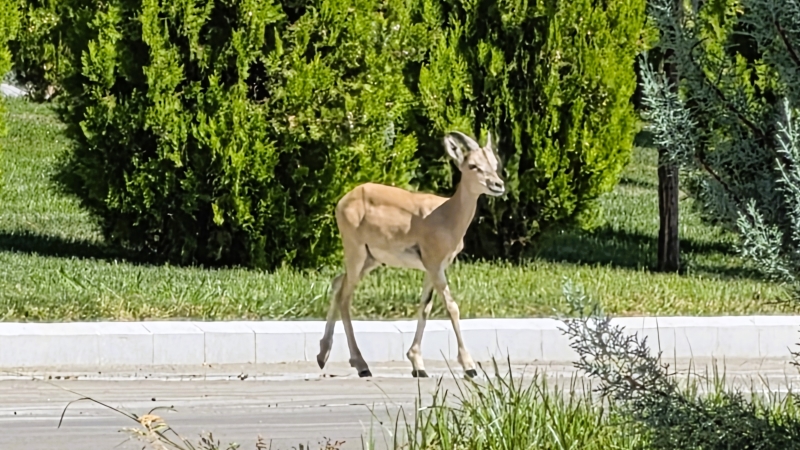
These cautious ungulates come down from the mountains to drink at the artificial lake and sometimes wander onto the park lawns to feed on the lush grass.
Urials keep a safe distance from people and rarely approach them closely. Visitors, for their part, do not try to disturb them. Instead, catching sight of the animals, they hold their breath and hurry to capture the rare encounter on their smartphone cameras. At such moments, an ordinary walk turns into a small sensation — and, at the same time, a touching story.
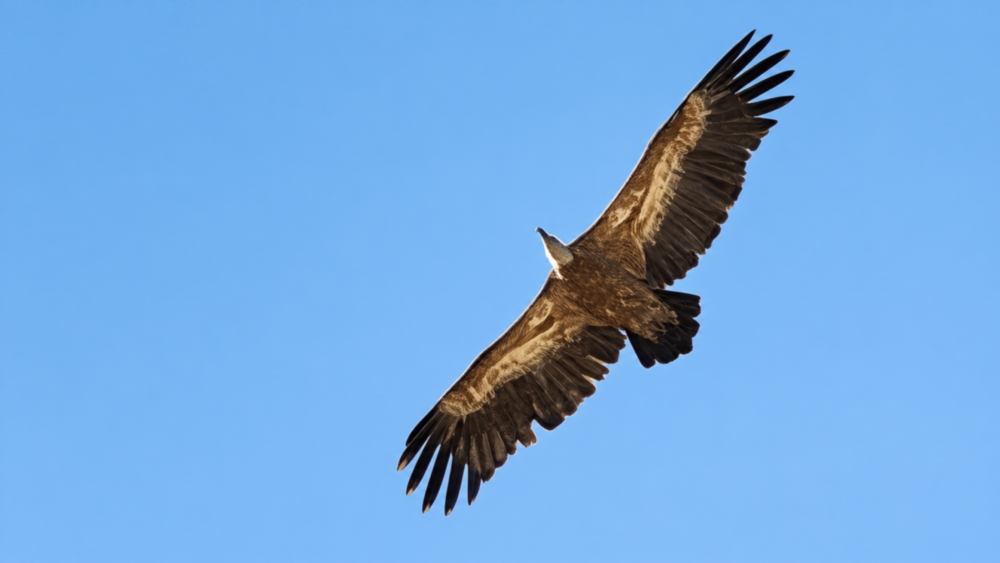
Another spectacle of nature can be seen while climbing the Health Trail — birds of prey soaring high above. Members of the eagle family glide gracefully over the mountain slopes. Their flight combines strength, grace and a certain sense of wisdom, as if they have found a way to rise above the bustle of everyday life…
Indeed, the “Magtymguly Fragi” Cultural and Park Complex is a unique meeting place for nature and people, where man-made infrastructure does not displace the natural world around it, but instead allows people to come closer to it.
It is symbolic, too, that the park avenue is adorned with bronze statues of outstanding writers, poets and thinkers from different eras and cultures. They saw nature not merely as a beautiful landscape, but also as a living organism and a mirror of the human soul, and through their works sought to understand humanity’s place in the Universe.
In Chinese poetry, people have traditionally been viewed as part of a vast natural world. Du Fu (712–770) delicately portrayed the changing seasons and the grandeur of mountains and rivers, finding in contemplation of nature a sense of peace against the backdrop of war and human suffering.
Japanese writer Yasunari Kawabata (1899–1972) built much of his prose around the Japanese tradition of contemplating nature, in which the subtlest changes in the surrounding world become a means of expressing the inner state of a person.
The great Turkish Sufi poet Yunus Emre (1238–1321) wrote that every creation of nature deserves the most careful and reverent treatment, as each carries a part of the divine design.
Kazakh folk musician and composer Kurmangazy Sagyrbayuly (1823–1896), through his musical kuis, seemed to capture the sounds of the boundless steppe — the galloping of horses and the whistle of the wind — reflecting the spirit of people shaped by steppe civilisation.
For William Shakespeare (1564–1616), the forest in his pastoral comedies often becomes a space of liberation and inner renewal, where people can shed their familiar social masks. The German thinker Johann Wolfgang von Goethe saw nature as a single, living and spiritual whole.
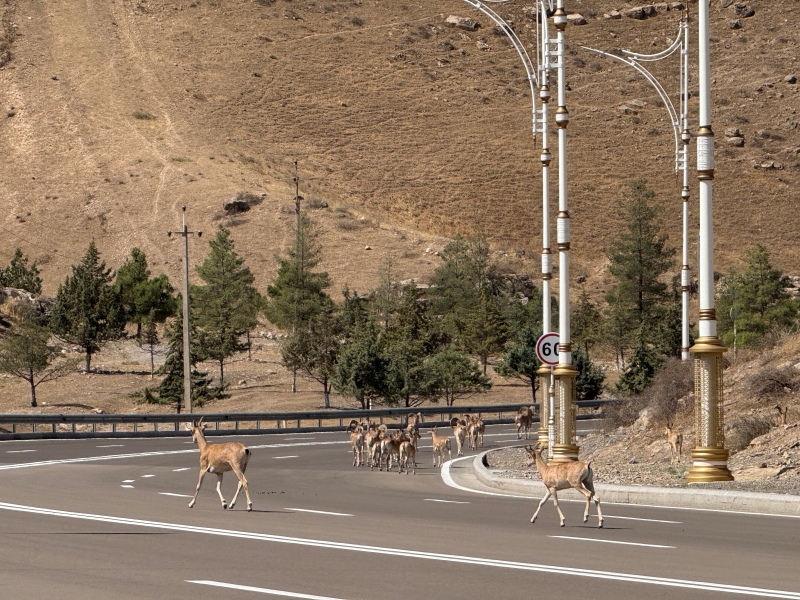
Perhaps not every visitor to the park is closely familiar with the creative legacy of all the authors represented along its avenue. Yet as people walk through the park — against the backdrop of mountain slopes, open skies and the unexpected presence of wildlife — many are likely to experience a range of emotions associated with a sense of unity with the natural world, a theme contemplated by these giants of world literature.
And this is one of the park’s defining features: here, literary memory and the modern urban environment coexist with nature, reminding people of their own origins and of the fact that they remain part of a larger living world. ///nCa, 14 September 2026