


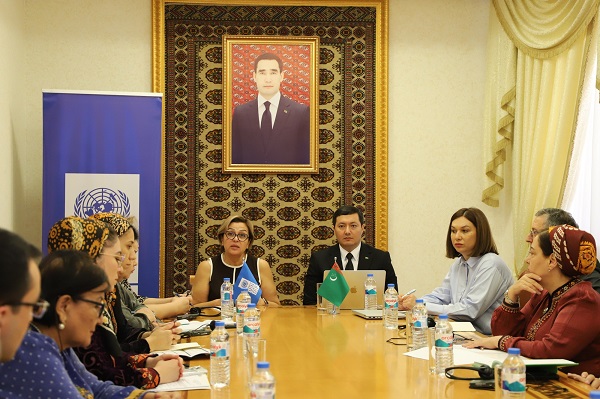
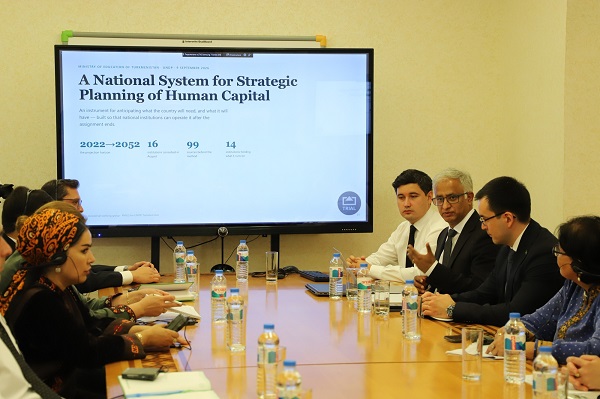
Ashgabat, 9 September 2026 — The United Nations Development Programme (UNDP) in Turkmenistan, in cooperation with the Ministry of Education of Turkmenistan and with the participation of key government institutions and UNDP international experts, held the first coordination meeting under the joint project “National Human Capital Strategic Planning System.”
The meeting marked the launch of the project’s pilot phase, aimed at establishing a coordinated, data-driven and inclusive system that links demographic trends, education, skills development and labour market needs.
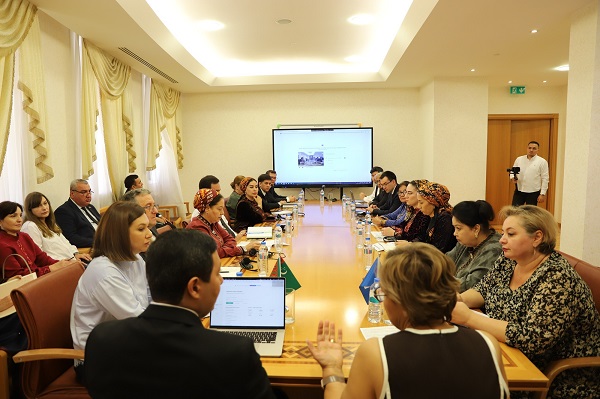
The project will support the capacity of national institutions to analyse data, forecast skills needs and undertake strategic human capital planning. A key focus will be on collecting and analysing data to conduct a comprehensive strategic analysis and develop scenarios for future development through human capital foresight and skills planning for Turkmenistan.
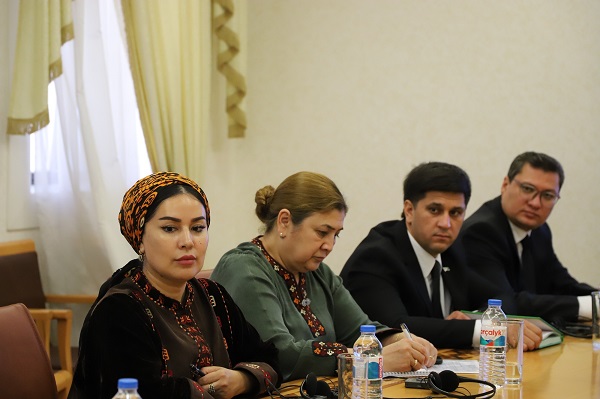
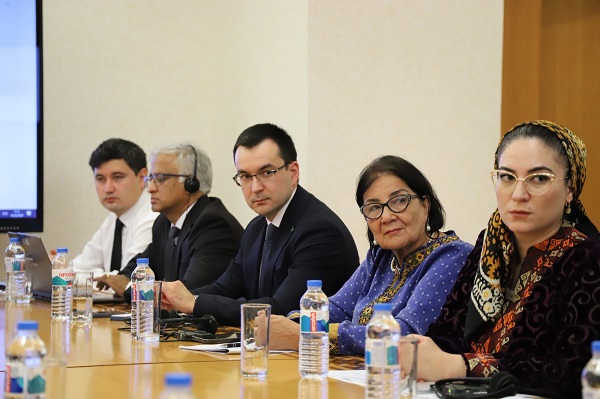
As part of the international experts’ visit, consultations will be held with key ministries and government institutions to discuss current approaches to human capital planning, labour market needs, available data and mechanisms for inter-agency cooperation. The findings from these consultations will inform the further development of the national system.
“Human capital development is essential to sustainable development. Turkmenistan’s young population presents significant opportunities for the country’s future, and our shared task is to help unlock this potential through quality education, skills development, innovation and expanded opportunities for decent employment,” said Narine Sahakyan, UNDP Resident Representative in Turkmenistan.
“Education is the key mechanism that transforms demographic potential into qualified, productive and competitive human capital. That is why we see this project not simply as an analytical exercise, but as a practical national planning instrument: it should help us understand what specialists and skills Turkmenistan will need in the medium and long term, link those needs with the training system, and strengthen evidence-based decisions on educational priorities and admissions,” noted Azat Ataev, Deputy Minister of Education of Turkmenistan. “The value of the project will ultimately be measured by whether it creates a sustainable mechanism that connects demographic trends, labour-market demand and education planning, allowing the state to prepare human resources proactively rather than respond to shortages after they emerge.”
The initiative is aligned with Turkmenistan’s national priorities in education and human capital development, digital transformation, the labour market and economic diversification. These include the Strategy for the Development of Higher Professional Education in Turkmenistan for 2026–2052 and its Implementation Plan for 2026–2030, as well as other national programmes and concepts. ///nCa, 9 September 2026 (in cooperation with UNDP Turkmenistan)