


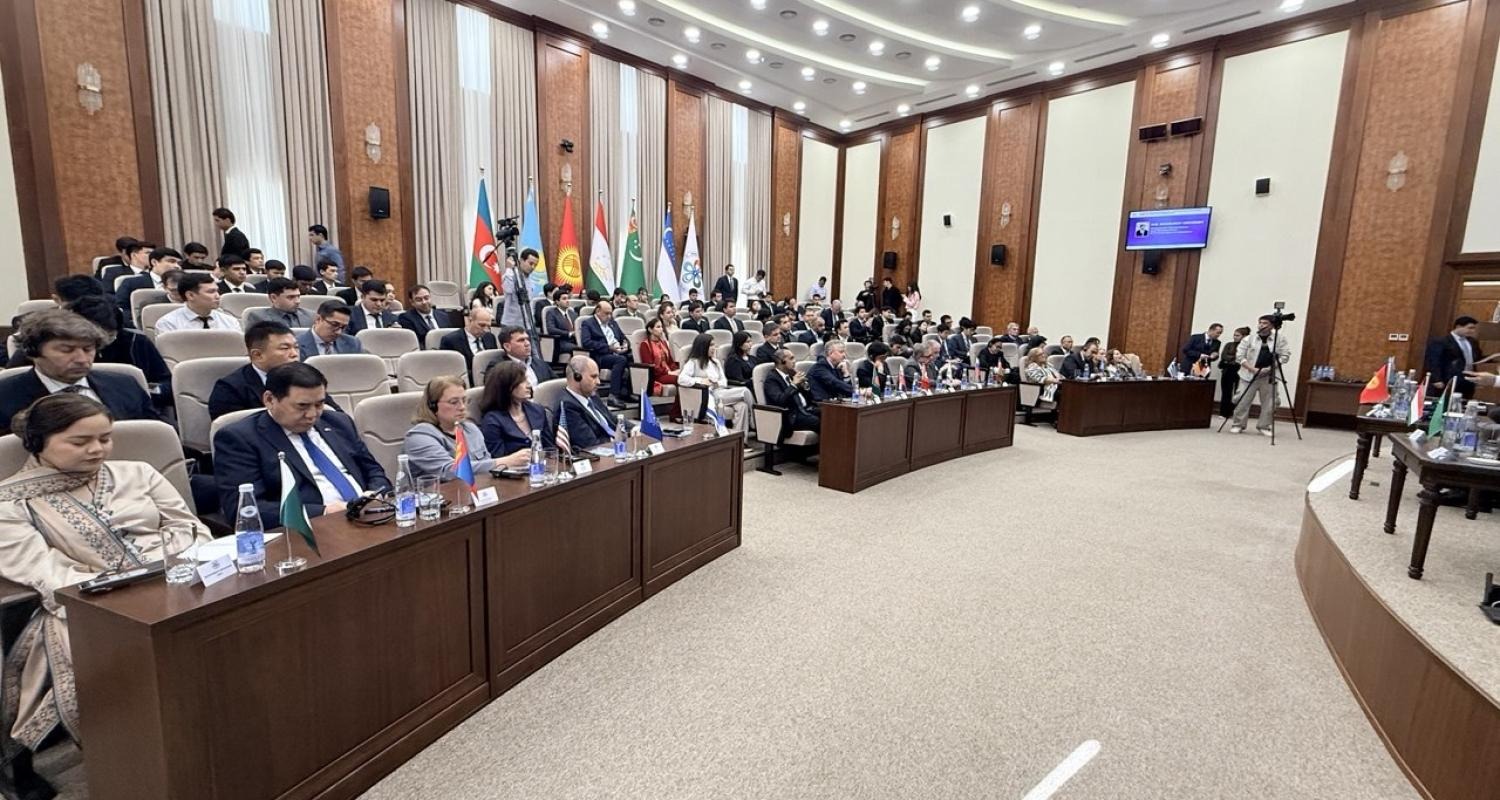
The Tashkent round-table brought together regional diplomats, policy analysts, and young scholars at the International Institute for Central Asia to translate recent presidential summit commitments into concrete policy actions. Serving as a crucial bridge between high-level diplomacy and practical implementation, the meeting focused on cementing a unified political and economic environment across Central Asia and Azerbaijan.
Much of the discussion drew directly from the momentum generated by two landmark gatherings earlier in the year. The informal consultations held on the shores of Lake Issyk-Kul in Cholpon-Ata established Azerbaijan as an indispensable partner for Central Asia’s broader geopolitical and logistical integration. This was followed by the eighth Consultative Meeting in Turkmenistan’s Avaza National Tourist Zone, where heads of state formally consolidated the expanded regional framework. In Avaza, leaders focused heavily on cross-border security, joint stewardship of shared water resources, energy transit, and the rapid development of the Middle Corridor connecting Central Asian supply chains through the Caucasus to European markets.
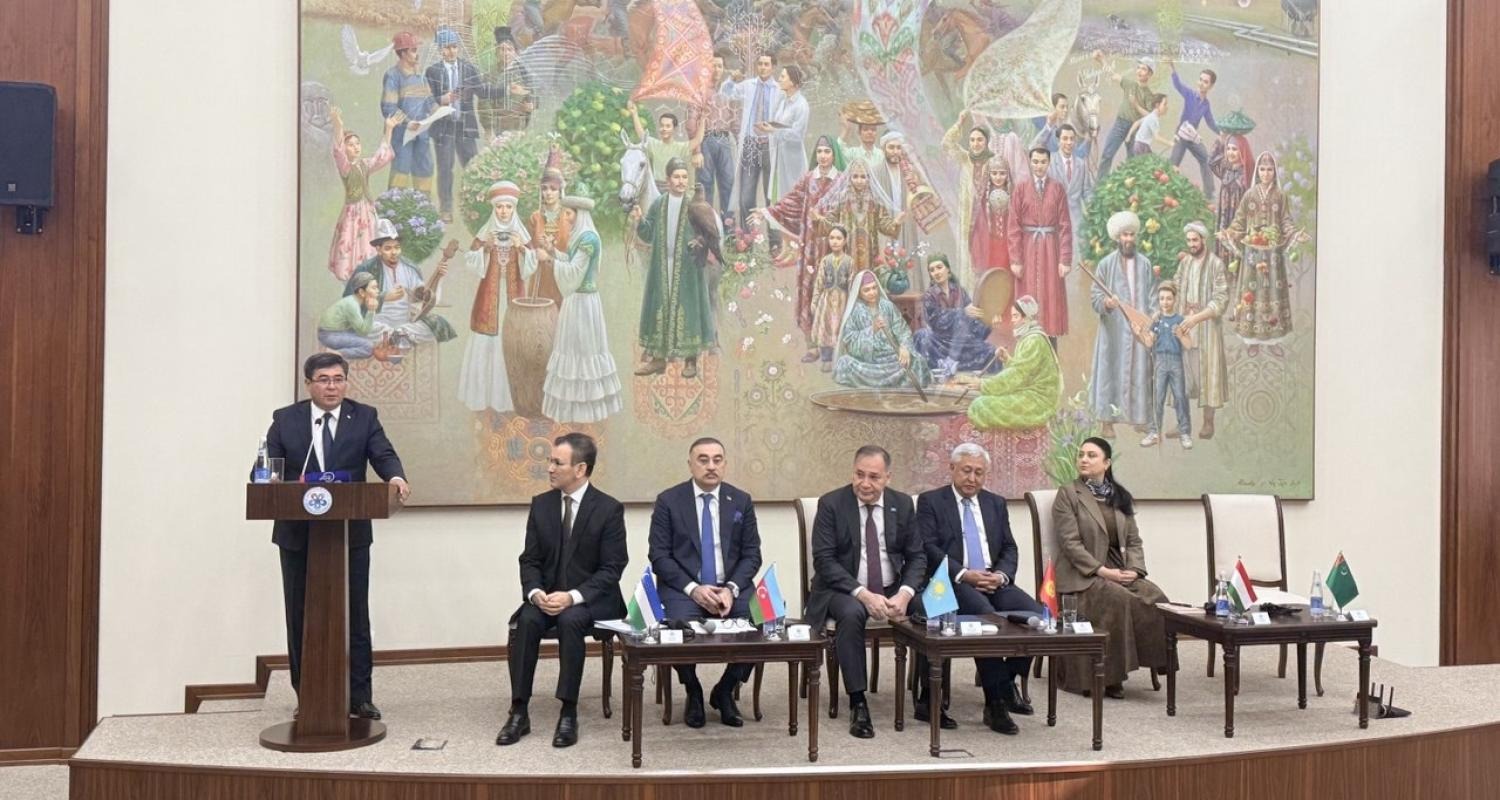
During the exchange in Tashkent, Ambassador of Turkmenistan to Uzbekistan Sh. Meredov underscored the strategic vision put forward by President Serdar Berdimuhamedov, emphasizing that Turkmenistan’s foreign policy course remains firmly rooted in permanent neutrality, mutual respect, and the principles of the UN Charter. Envoys from Azerbaijan, Kazakhstan, Kyrgyzstan, and Turkmenistan joined policy experts in highlighting the need to transition from periodic high-level declarations to deeply institutionalized, multi-layered cooperation.
Participants concluded that maintaining continuous dialogue between diplomatic missions, research think tanks, and academic institutions is essential for the region’s long-term stability. As Central Asia and Azerbaijan continue to align their national interests around transport, green energy, and trade diversification, expert-level forums like the Tashkent dialogue will play a vital role in turning top-tier diplomatic agreements into tangible, lasting outcomes. /// nCa, 2 November 2026