


When a municipal delegation travels from Central Asia to South Korea, the journey represents far more than a routine courtesy visit. The participation of Ashgabat’s leadership in Busan reveals a multi-tiered strategic effort that weaves together city-to-city diplomacy, regional corridor building, and national brand elevation.
At its broadest level, the summit provided a grand multilateral stage. Bringing together delegates from thirty-one cities across sixteen countries, alongside industry experts and international bodies, the gathering served as a dynamic arena for urban paradiplomacy.
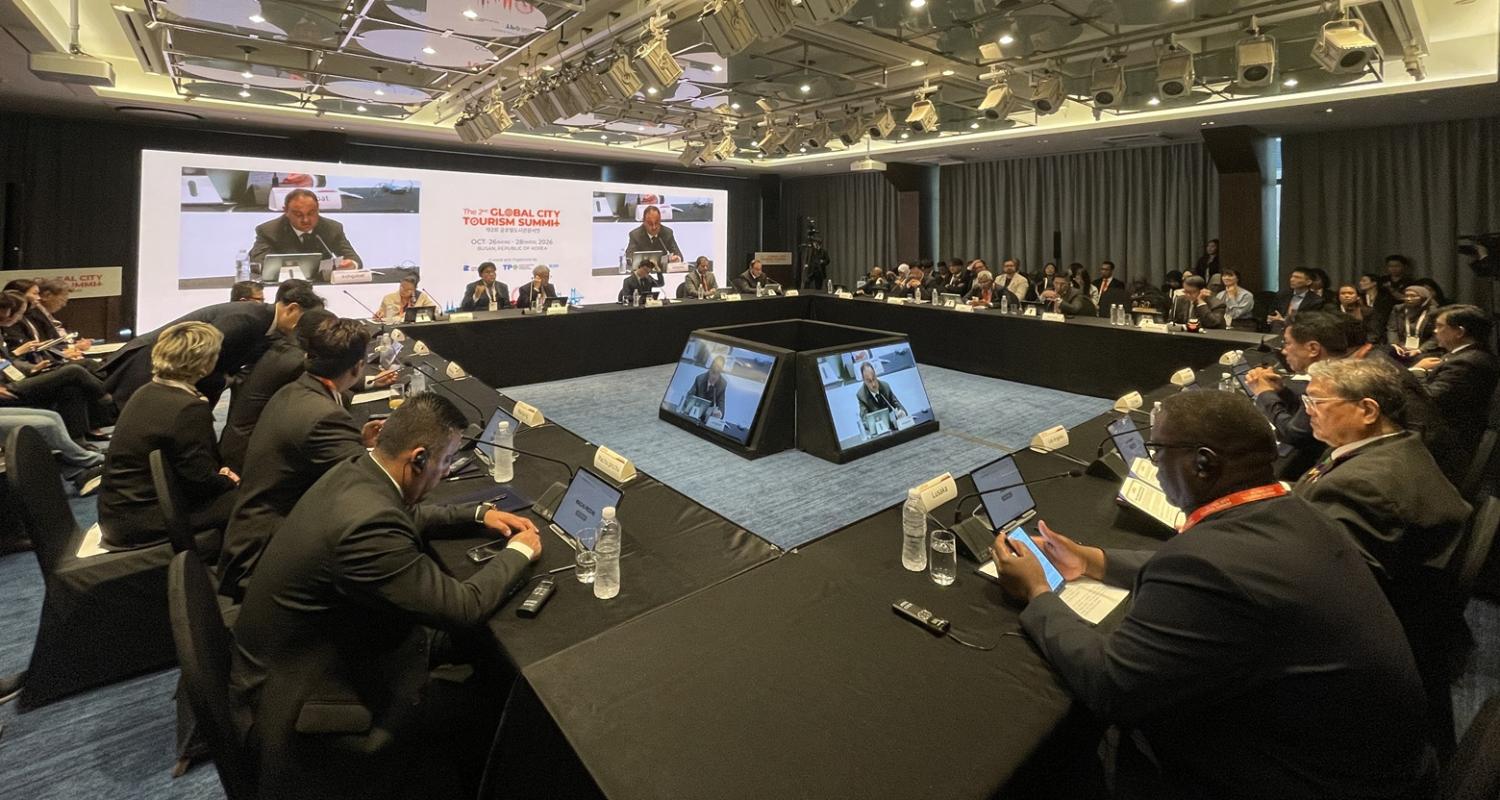
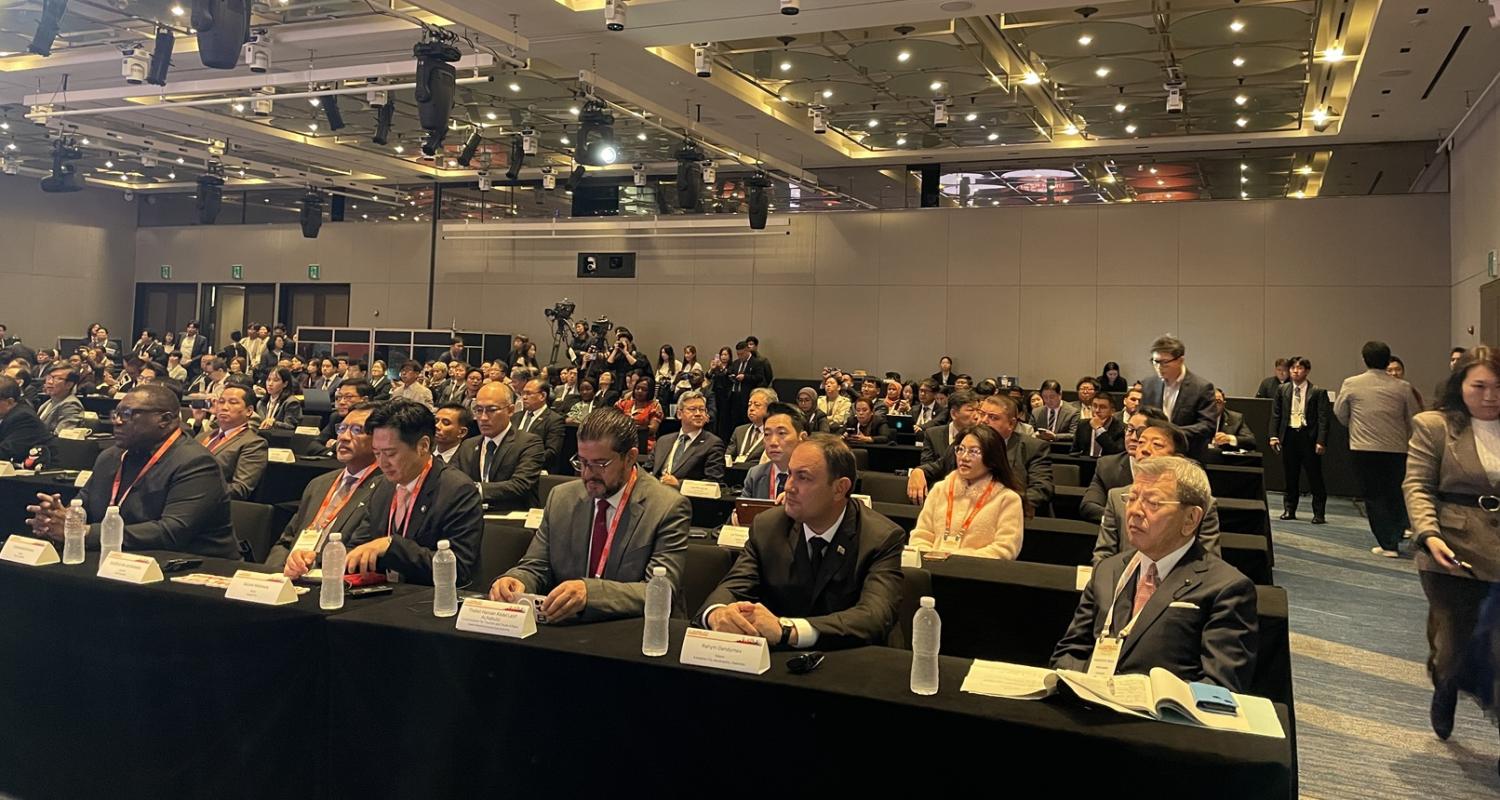
Under the banner of linking local economies with tourism innovation, the event highlighted a growing global reality: cities are increasingly taking the lead in driving economic development and international policy. Through forums like the roundtable discussions and the interactive exhibition roadshow, municipal leaders gained direct access to global decision-makers, converting cultural showcase into tangible institutional connections.
Parallel to this global dynamic ran a focused bilateral dialogue between Ashgabat and Busan. The high-level meeting between the two mayors moved the conversation into concrete operational territory. Rather than offering mere symbolic gestures, both sides explored practical cooperation in modern urban management—focusing specifically on advancing tourism infrastructure, integrating digital services, and establishing joint cultural initiatives. In doing so, the two capitals laid the groundwork for an enduring intercity partnership grounded in technology and shared expertise.
This bilateral momentum fed directly into a larger regional strategy centered on the Republic of Korea and Central Asia. A dedicated session on cross-regional travel markets underscored a deliberate effort to forge a closer economic and cultural bridge between East Asia and the Central Asian region. Within this context, Ashgabat positioned itself as an essential central hub. By highlighting its modern transit infrastructure, distinct architectural identity, and proximity to UNESCO World Heritage landmarks, the Turkmen capital made a compelling bid to become a primary destination for East Asian travelers seeking rich cultural heritage.
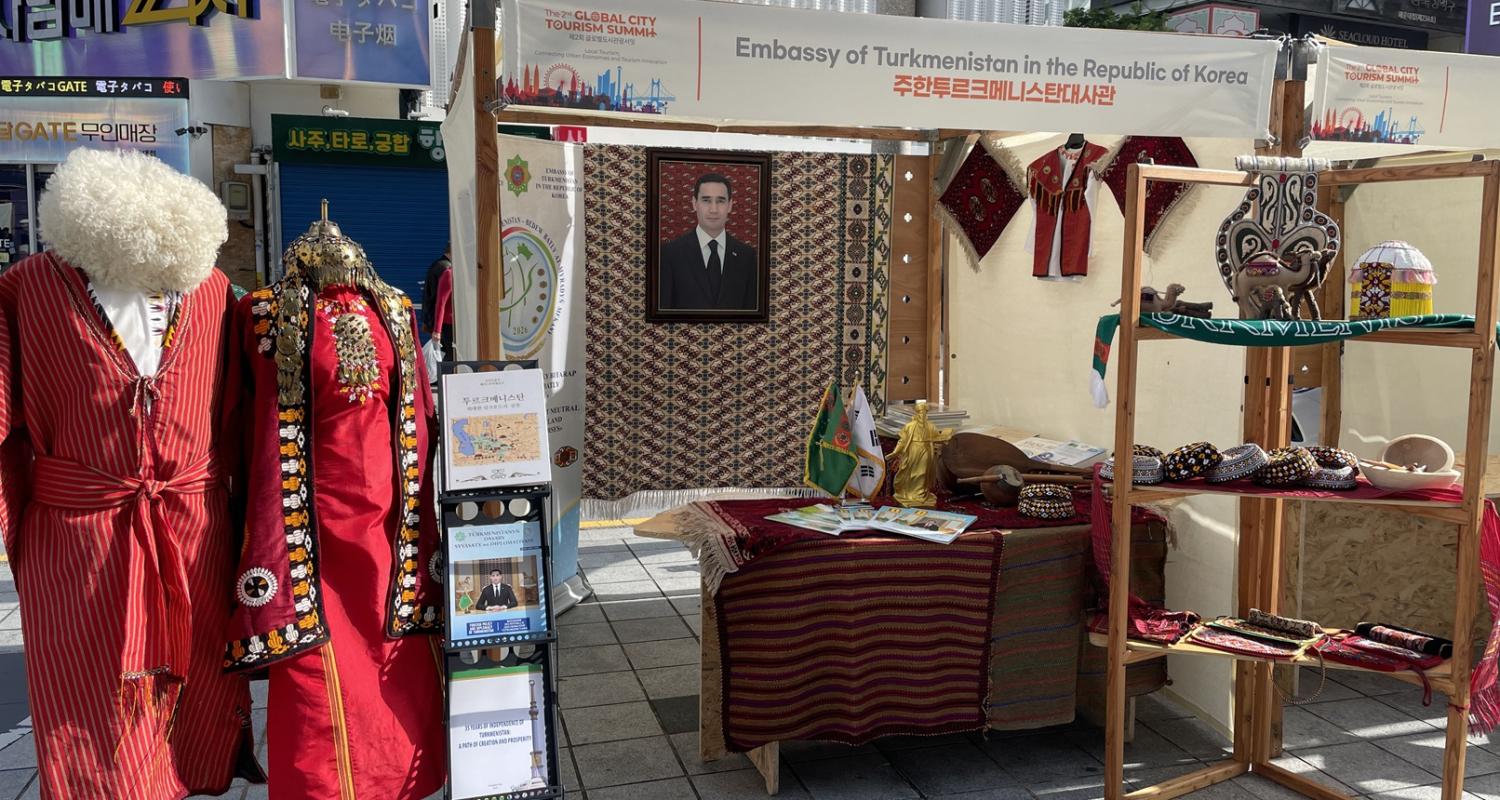
Ultimately, Ashgabat’s prominent role at the summit reflects Turkmenistan’s ongoing soft-power push on the international stage. By showcasing its national traditions and promoting the capital as a premier venue for global events, the country continues to signal an inviting, outward-looking stance. The strategic narrative crafted in Busan proves that local tourism, when leveraged with vision, can serve as a powerful engine for international diplomatic and economic reach. /// nCa, 30 October 2026