


Introduction to the Event
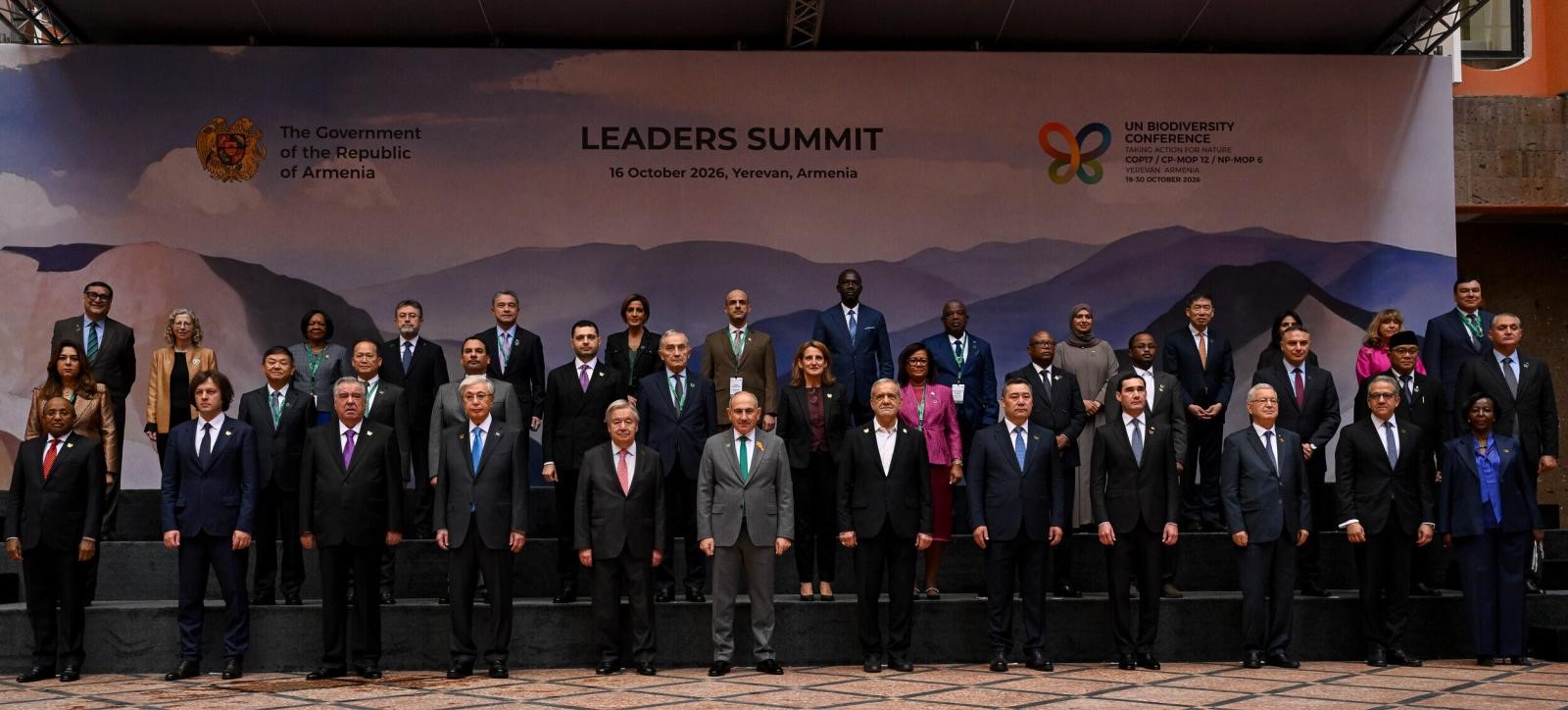
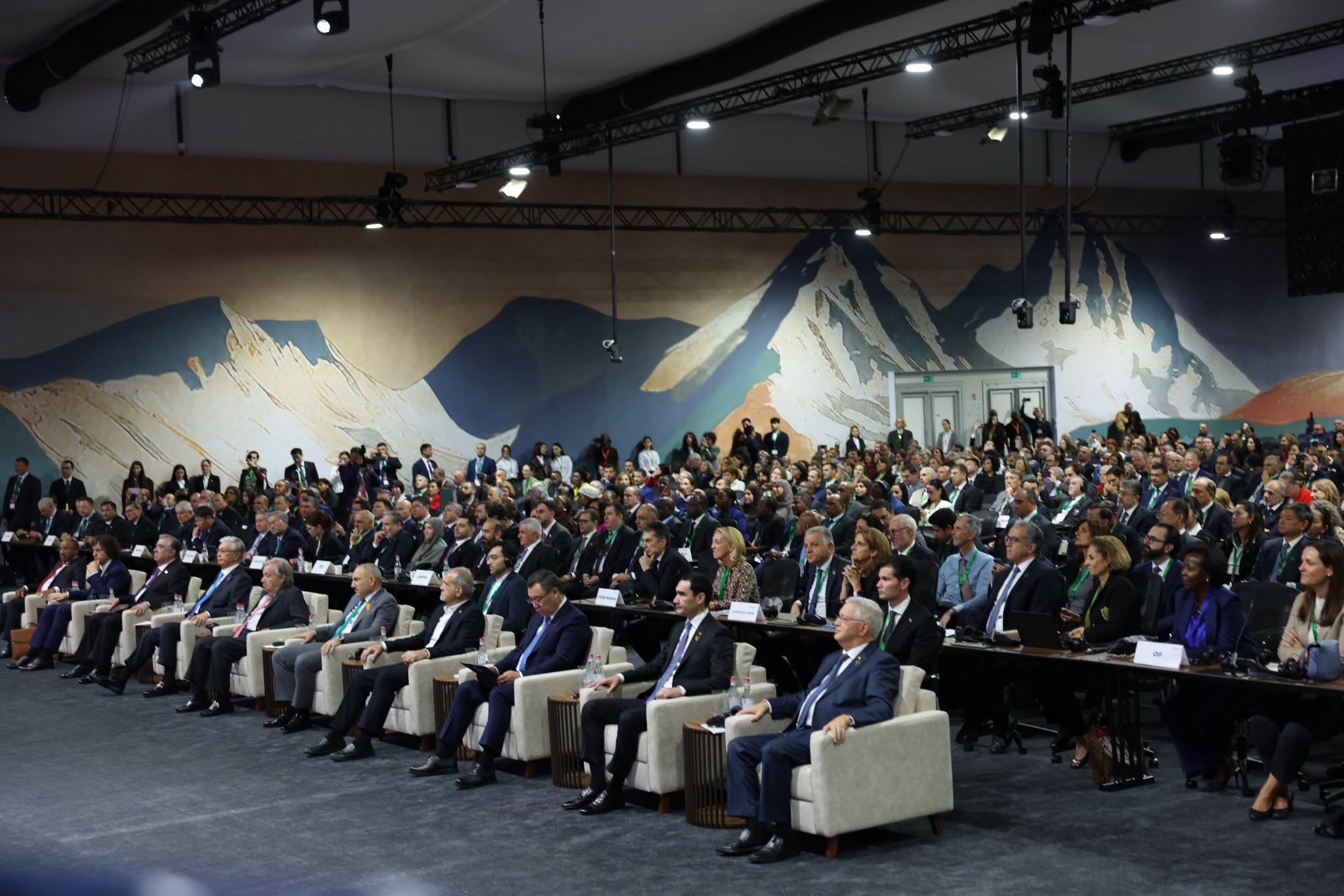
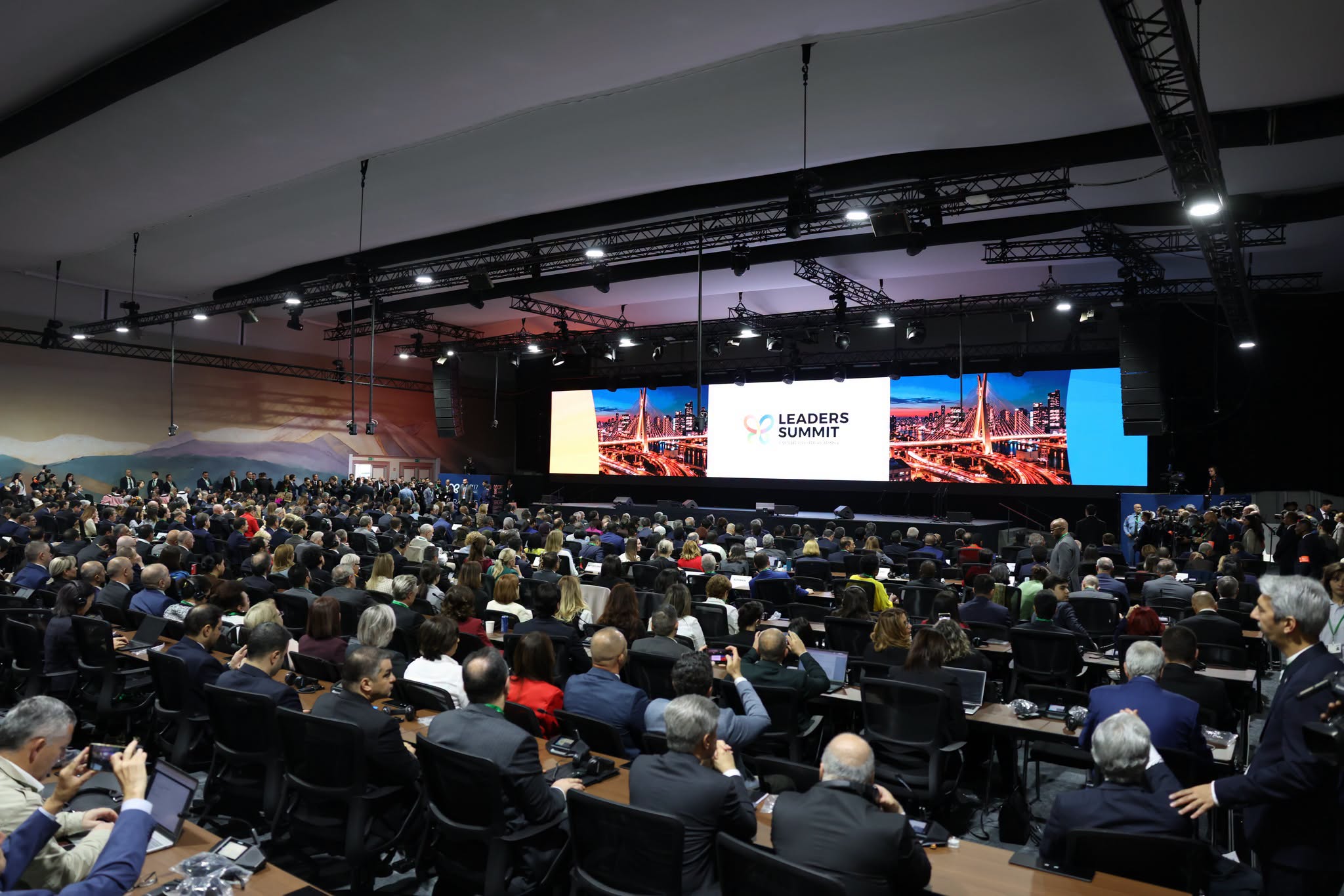
On October 16, 2026, in Yerevan, Armenia, world leaders, heads of international organizations, environmental ministers, and institutional representatives assembled at the Meridian Expo Centre for the High-Level Leaders’ Summit.
This summit officially opened the proceedings for the 17th Conference of the Parties to the UN Convention on Biological Diversity (CBD COP17).
Hosted under the official slogan “Taking action for nature,” the summit serves as a mid-term checkpoint for the Kunming-Montreal Global Biodiversity Framework (KMGBF). Organizers and world leaders framed this forum as a vital “moment of accountability” to evaluate global commitments toward halting biodiversity loss by 2030, closing the global biodiversity financing gap, and enhancing ecological protection across vulnerable ecosystems.
List of High-Profile Guests & Key Stakeholders
The summit brought together key world leaders, regional heads of state, multilateral leaders, and global institutional representatives:
Heads of State & World Leaders
- António Guterres — Secretary-General of the United Nations.
- Nikol Pashinyan — Prime Minister of the Republic of Armenia (Summit Host).
- Serdar Berdimuhamedov — President of Turkmenistan.
- Masoud Pezeshkian — President of the Islamic Republic of Iran.
- Kassym-Jomart Tokayev — President of the Republic of Kazakhstan.
- Emomali Rahmon — President of the Republic of Tajikistan.
- Irakli Kobakhidze — Prime Minister of Georgia.
- Teresa Ribera — Executive Vice-President of the European Commission.
Multilateral Executives & Ministerial Leads
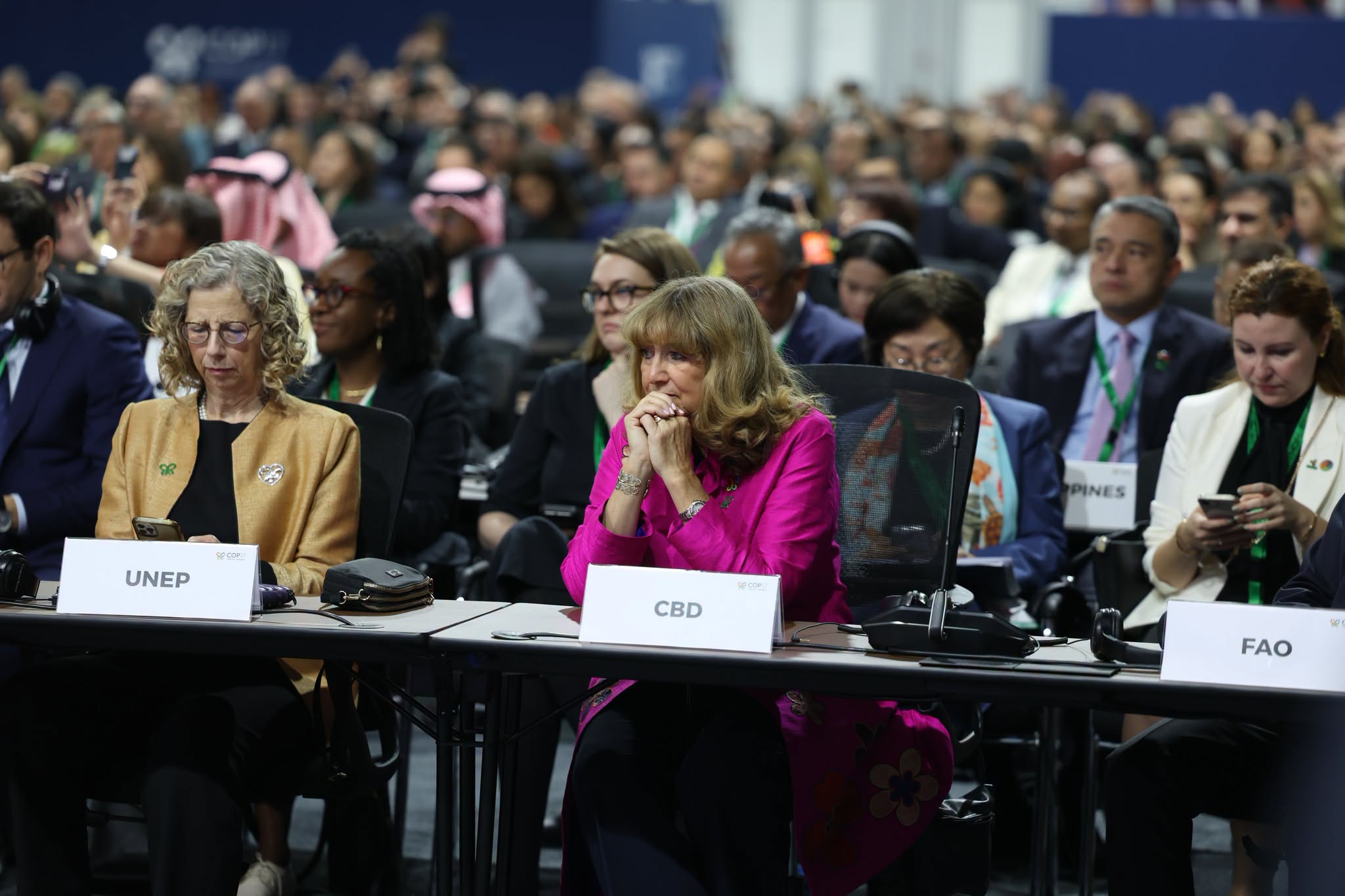
- Astrid Schomaker — Executive Secretary of the UN Convention on Biological Diversity (CBD).
- Hakob Simidyan — Minister of Environment, Republic of Armenia (Presidency Lead).
- Mher Grigoryan — Deputy Prime Minister of Armenia.
Institutional, Civil Society & Youth Leadership
- Global Environment Facility (GEF) Envoys — Representing the Global Biodiversity Framework Fund (GBFF).
- International Indigenous Forum on Biodiversity (IIFB) — Indigenous leaders advocating for direct funding channels and land rights enforcement.
- Global Youth Biodiversity Network (GYBN) Delegates — Youth representatives participating in high-level plenary sessions.
- IUCN & WWF Executives — Senior leadership from the International Union for Conservation of Nature and World Wildlife Fund.
Description of Proceedings & Key Speeches
The summit proceedings began with a formal welcome ceremony hosted by Prime Minister Nikol Pashinyan, followed by plenary sessions in which global leaders delivered keynote addresses focusing on accountability, financial access, and regional ecological stability.
António Guterres (UN Secretary-General)
Opening the addresses, the UN Secretary-General issued an urgent call to turn environmental pledges into actionable outcomes, warning of the rapid collapse of planet ecosystems:
“Over one million species now face the risk of extinction, edging us ever closer towards an uninhabitable world… Halfway to 2030, Yerevan is our moment of accountability.”
Guterres stressed that while nearly 90% of parties have set national targets, current projections show that only 26% of land and 12% of oceans will be formally protected by 2030—failing to meet the global 30×30 target. He further cited the persistent deficit in biodiversity financing, which remains far below the agreed $200 billion per year target.
Nikol Pashinyan (Prime Minister of Armenia)
Host Prime Minister Nikol Pashinyan emphasized the historical role natural ecosystems played in sustaining host nations and highlighted the imperative to protect them against human-induced pressures:
“Armenia’s nature saved the country in hard times; now it is our duty to protect it.”
Pashinyan introduced the Yerevan Platform on Mountain and Freshwater Ecosystems, inviting international partnership to secure fragile regional topographies and transboundary water networks.
Serdar Berdimuhamedov (President of Turkmenistan)
President Serdar Berdimuhamedov highlighted Central Asia’s unique ecological challenges and urged equitable access to financial and technological mechanisms:
“Ensuring access to financial resources and applying modern technologies are particularly important for biodiversity conservation… We also pay particular attention to cooperation with UNESCO.” [Complete text of the speech of the Turkmen president is given at the end of this report.]
Masoud Pezeshkian (President of Iran)
Addressing the intersection of geopolitical conflict and natural destruction, Iranian President Masoud Pezeshkian urged peace as a prerequisite for conservation:
“[I warn of] war’s devastating environmental consequences.”
Kassym-Jomart Tokayev (President of Kazakhstan)
Kazakh President Tokayev reiterated the imperative for strong cross-border technical cooperation across Eurasia:
“[Kazakhstan stresses] biodiversity conservation and the need for international cooperation.”
Irakli Kobakhidze (Prime Minister of Georgia)
Georgian Prime Minister Kobakhidze focused on South Caucasus regional partnerships:
“Georgia is committed to protecting shared natural heritage with South Caucasus neighbors.”
Forthcoming Activities (October 17 – 30, 2026)
Following the conclusion of the Leaders’ Segment on October 16, the full UN Biodiversity Conference schedule proceeds across two working groups, multiple contact groups, and plenary negotiations:
- October 18, 2026: Official opening ceremony for technical conference delegates at 17:30 in the Plenary Hall, followed by a welcoming reception hosted by the Armenian Government featuring cultural performances.
- October 19–23, 2026 (Week 1):
- Working Group I & II sessions on finalizing the Resource Mobilization Strategy and Digital Sequence Information (DSI) benefit-sharing mechanisms.
- Technical reviews of submitted National Biodiversity Strategies and Action Plans (NBSAPs).
- October 24–25, 2026: Weekend thematic forums, including the Indigenous Peoples & Local Communities (IPLC) Summit and the Youth & Women Environmental Leadership Forum.
- October 26–29, 2026 (Week 2): Ministerial contact group negotiations focused on bridging financial mechanisms between developed and developing nations.
- October 30, 2026: Final Plenary Session for the formal adoption of COP17 decisions, declaration signing, and closing ceremony.
Likely Outcomes & Expectations
- Adoption of the Yerevan Declaration: Formally launching regional initiatives such as the Yerevan Platform on Mountain and Freshwater Ecosystems, garnering endorsement from Central Asian and Caucasian member nations.
- Operationalization of DSI Mechanisms: Finalization of a practical framework for the global fund on Digital Sequence Information on genetic resources, ensuring fair benefit-sharing for biodiverse nations.
- Escalation of Biodiversity Finance: Concrete announcements from international donor institutions and the Global Environment Facility (GEF) aimed at closing the $200 billion annual funding gap.
- Enhanced NBSAP Monitoring: Standardized monitoring criteria to enforce accountability for nations striving to meet the 30×30 protection targets by 2030.
Speech of President Serdar Berdimuhamedov at the Summit
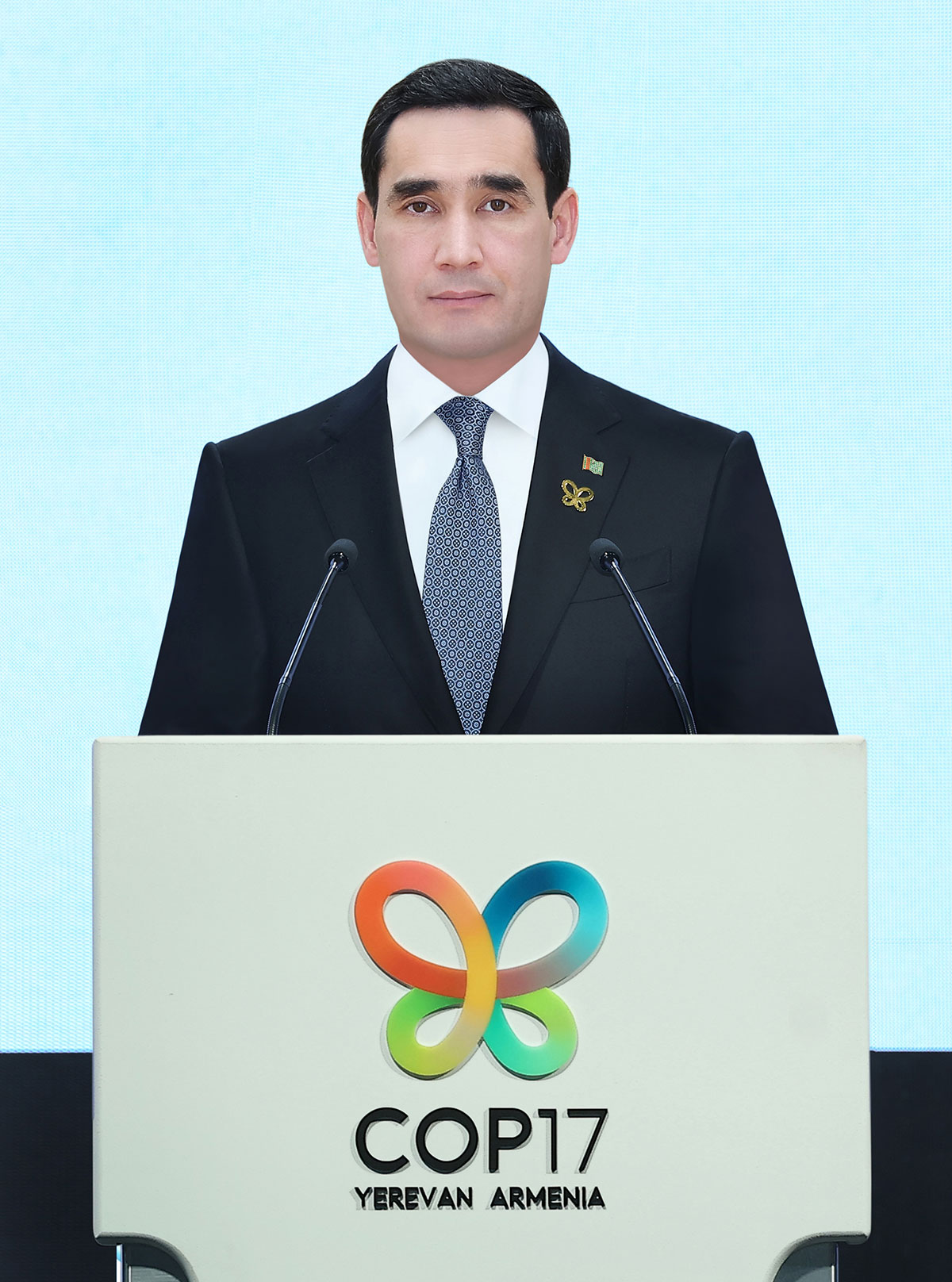
Distinguished heads of state and government!
Ladies and gentlemen!
First of all, let me express my sincere gratitude to the Prime Minister of the Republic of Armenia, Nikol Pashinyan, for the high level of organization of the Summit, the hospitality shown, and the creation of all the conditions for productive work.
The current Leaders’ Summit provides an important opportunity to reaffirm the shared political will of states to conserve biodiversity on the planet and to translate their commitments into concrete practical actions.
Turkmenistan consistently supports the goals and principles of the UN Convention on Biological Diversity and the Kunming–Montreal Global Framework for Sustainable Development. We recognize that biodiversity loss, climate change, desertification, and land degradation are interrelated challenges that directly impact environmental security and sustainable development.
Dear Summit participants!
Turkmenistan, which boasts unique natural ecosystems—from the Karakum Desert to the Kopetdag and Koytendag mountain ranges and the Caspian Sea coast—views the preservation of its natural wealth as an important area of state policy.
In this work we are guided by the following priorities.
First, this involves improving the national system of specially protected natural areas, developing environmental monitoring, and protecting rare animal and plant species. A key tool for this work is the National Strategy and Action Plan for the Conservation of Biodiversity of Turkmenistan for 2026–2035, developed in collaboration with international partners, taking into account the goals of the global framework.
Secondly, we are expanding regional cooperation to preserve transboundary ecosystems, animal migration routes, and natural resources. We attach particular importance to the ecological well-being of the Caspian Sea, the preservation of the Aral Sea basin ecosystems, and the fight against desertification.
We believe that effective solutions to these challenges require coordinated actions by states, scientifically based solutions, and long-term mechanisms for interaction.
Thirdly, this is the maximum use of the potential of the United Nations, its specialized agencies and international environmental mechanisms.
We place particular importance on cooperation with UNESCO in the areas of natural heritage conservation and scientific research. The inclusion of Turkmenistan’s natural areas in the transnational World Heritage Site “Turanian Temperate Deserts” is a clear example of how international cooperation contributes to the conservation of unique ecosystems.
We believe it is important to further develop cooperation with relevant UN agencies, including in the areas of scientific study of natural processes, conservation of aquatic and marine ecosystems, and improvement of environmental monitoring methods.
I am convinced that it is necessary to fully utilize the scientific, expert and institutional capabilities of the UN system to achieve global goals in the field of biodiversity conservation.
Fourthly, this is ensuring the necessary conditions for fulfilling international environmental obligations.
Access of developing countries to financial resources and modern technologies, strengthening of national capacity, and fair and equitable sharing of benefits from the use of genetic resources, including digital information on their sequences, are of paramount importance.
Dear Summit participants!
During the 81st session of the UN General Assembly, Turkmenistan will continue to promote initiatives aimed at strengthening international cooperation in the field of environmental security and climate resilience.
In particular, we advocate for the creation of the Ashgabat Climate Dialogue as an open multilateral platform for regular political and expert interaction, the promotion of practical initiatives, and the strengthening of international partnerships.
We attach particular importance to combating desertification and enhancing the resilience of arid regions to the impacts of climate change. In this regard, Turkmenistan is promoting the initiative to establish a Regional Center to Combat Desertification for Central Asian countries.
We view these areas as an important component of comprehensive international efforts to preserve ecosystems, rationally use natural resources, and achieve the Sustainable Development Goals.
Turkmenistan firmly believes that achieving global environmental goals is impossible without taking into account the interests and specific needs of developing countries, including landlocked states.
In this regard, the decisions of the Third United Nations Conference on Landlocked Developing Countries, enshrined in the Avaza Programme of Action for 2024–2034 and the Avaza Political Declaration, are of particular importance.
We believe it is necessary to intensify international support to expand access to climate and environmental financing, transfer modern environmental and digital technologies, and develop sustainable infrastructure capable of withstanding the impacts of climate change.
At the same time, the principles of justice, solidarity and equal partnership must underlie international efforts to conserve biodiversity.
Multilateral cooperation mechanisms, including South–South cooperation, are called upon to play an important role in this regard, allowing for the pooling of experience, knowledge and capabilities of states in the interests of achieving common environmental goals.
I am confident that the upcoming 17th Conference of the Parties to the UN Convention on Biological Diversity should provide additional impetus to the implementation of accepted commitments and the strengthening of international cooperation.
Turkmenistan confirms its readiness for constructive interaction with all interested states and international organizations.
We believe that the combination of political will, scientific knowledge, and practical capabilities will ensure the preservation of our planet’s natural heritage in the interests of present and future generations. (Yerevan, October 16, 2026) /// nCa, 17 October 2026 (photo credit – official website of COP17, TDH)