


Shirin Karryeva, CXL Project Technical Advisor
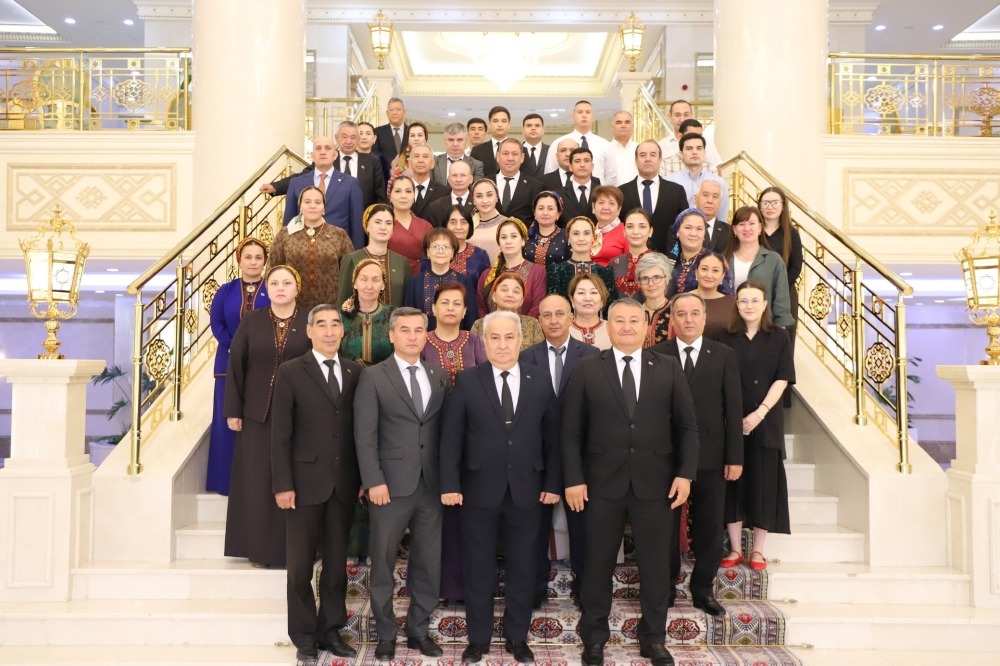
On 2-3 September 2026, Ashgabat hosted a national workshop organized by the United Nations Development Programme (UNDP) in partnership with the Ministry of Environmental Protection of Turkmenistan. The event was held at the Archabil Hotel as part of a joint UNDP-Global Environment Facility (GEF) initiative aimed at updating the National Biodiversity Strategy and Action Plan (NBSAP) and drafting Turkmenistan’s 7th National Report to the UN Convention on Biological Diversity (CBD).
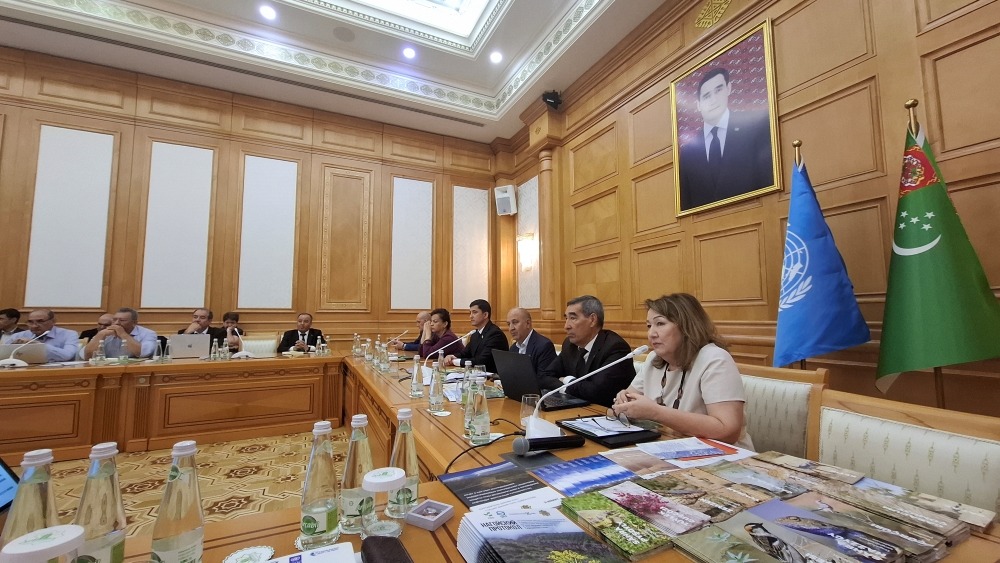
Participants included representatives from government ministries, research and educational institutions, international and regional environmental organizations, and civil society groups.
Over the course of the two-day workshop, stakeholders reviewed and discussed the draft National Biodiversity Strategy and Action Plan for 2026–2035 alongside the 7th National CBD Report. The agenda also covered preparations for two additional key reporting milestones: the 5th National Report under the Cartagena Protocol on Biosafety and the 1st National Report under the Nagoya Protocol on Access to Genetic Resources and the Fair and Equitable Sharing of Benefits Arising from their Utilization.
Background Information
The UN Convention on Biological Diversity (CBD) was opened for signature in 1992, with Turkmenistan acceding on 18 June 1996. To advance the CBD’s third objective, the Nagoya Protocol was adopted on 29 October 2010, at the 10th Conference of the Parties in Nagoya, Japan. Currently comprising 142 Parties, the treaty welcomed Turkmenistan on 4 November 2020, with official entry into force taking place on 2 February 2021 (90 days following ratification).
Role of Conservation X Labs Experts in Draft Preparation
On 3 Sep 2026, the second day of the workshop focused on implementation strategies for the Cartagena Protocol on Biosafety and the Nagoya Protocol on Access and Benefit-Sharing.
Working alongside Conservation X Labs (CXL)—an international organization active in Turkmenistan’s conservation sector for over five years—experts compiled Turkmenistan’s 1st National Report on the implementation of the Nagoya Protocol.
In contributing to the updated National Biodiversity Strategy and Action Plan (NBSAP), CXL experts submitted tailored measures for sustainable biodiversity conservation. Their contributions focused heavily on drafting Target 13, which mandates legal, policy, and administrative steps to build capacity, streamline access to genetic resources, and secure fair, equitable benefit-sharing.
Significance of the Nagoya Protocol
The Nagoya Protocol operationalizes the CBD’s third core objective—specifically Articles 15 (Access to Genetic Resources) and 8(j) (Traditional Knowledge)—by establishing clear mechanisms for sharing benefits derived from genetic research and applications. In practice, it serves as a cornerstone framework for international biodiversity governance, directly impacting industries and research sectors that utilize genetic resources.
By establishing legal certainty and operational transparency for both providers and users, the Protocol introduces binding compliance obligations. These measures ensure strict adherence to domestic regulatory frameworks and contractual terms agreed upon by all participating parties.
Core Elements of the Nagoya Protocol
The Nagoya Protocol establishes legal commitments for Contracting Parties to regulate Access and Benefit-Sharing (ABS). This framework governs how genetic resources are accessed and ensures that benefits are shared fairly between user and provider countries. Benefits can be monetary (e.g., royalty payments from commercialized products) or non-monetary (e.g., joint research initiatives and technical capacity building).
Key Principles of Operation
ABS frameworks operate on two foundational legal mechanisms:
- Prior Informed Consent (PIC): Official authorization granted by a competent national authority in the provider country prior to accessing genetic resources, in compliance with domestic laws.
- Mutually Agreed Terms (MAT): A formal agreement negotiated between the provider and user setting out the conditions for resource access, usage, and subsequent benefit-sharing. Grounded in Article 15 of the CBD, MAT provides the legal structure for equitable utilization.
Background on Turkmenistan’s Genetic Resources
Turkmenistan holds rich genetic diversity, particularly as a center of origin for vital wild crop relatives:
Floral Diversity: The national flora comprises over 3,000 species of higher plants, including 271 documented species of wild crop relatives.
Agricultural Base: Approximately 40 fruit crop varieties, alongside various legumes and vegetables, form the cornerstone of local agriculture.
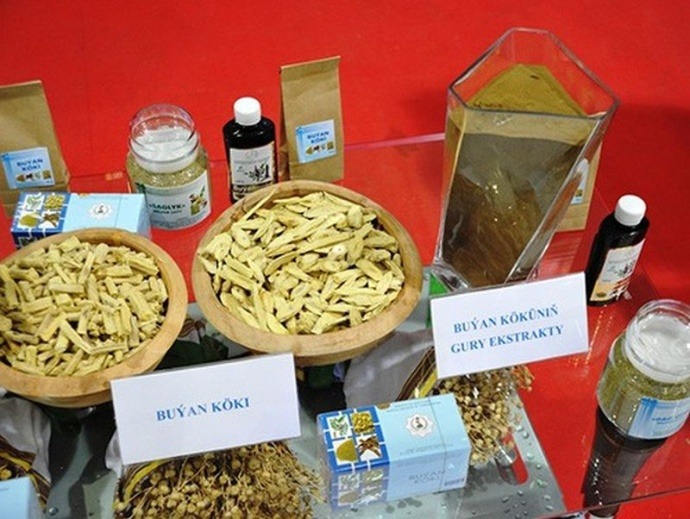
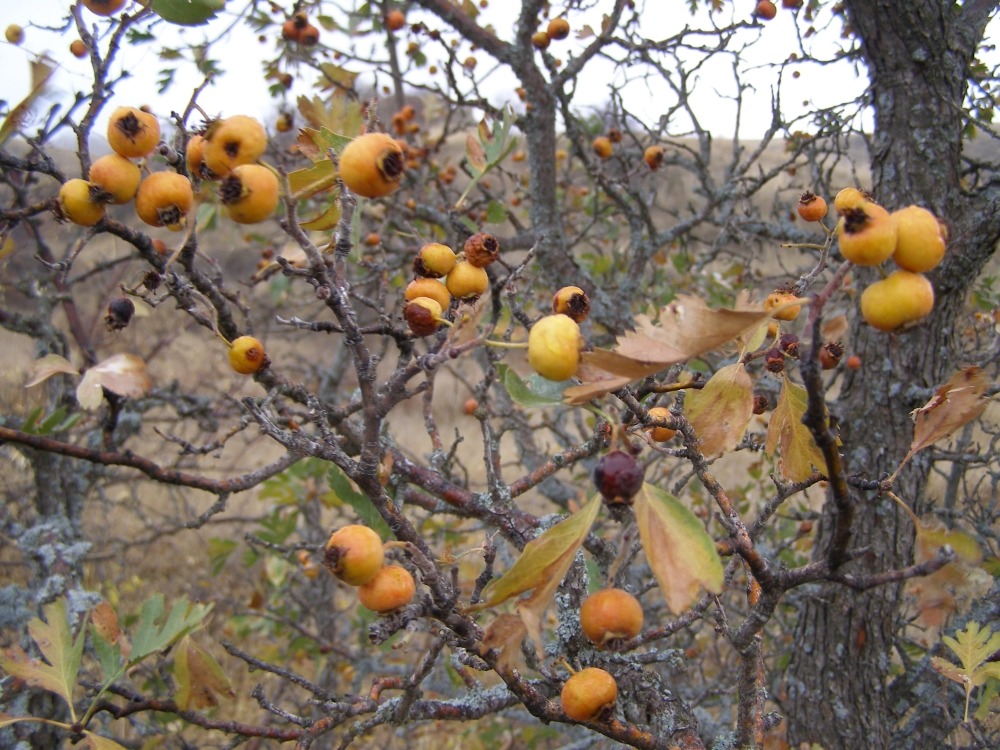
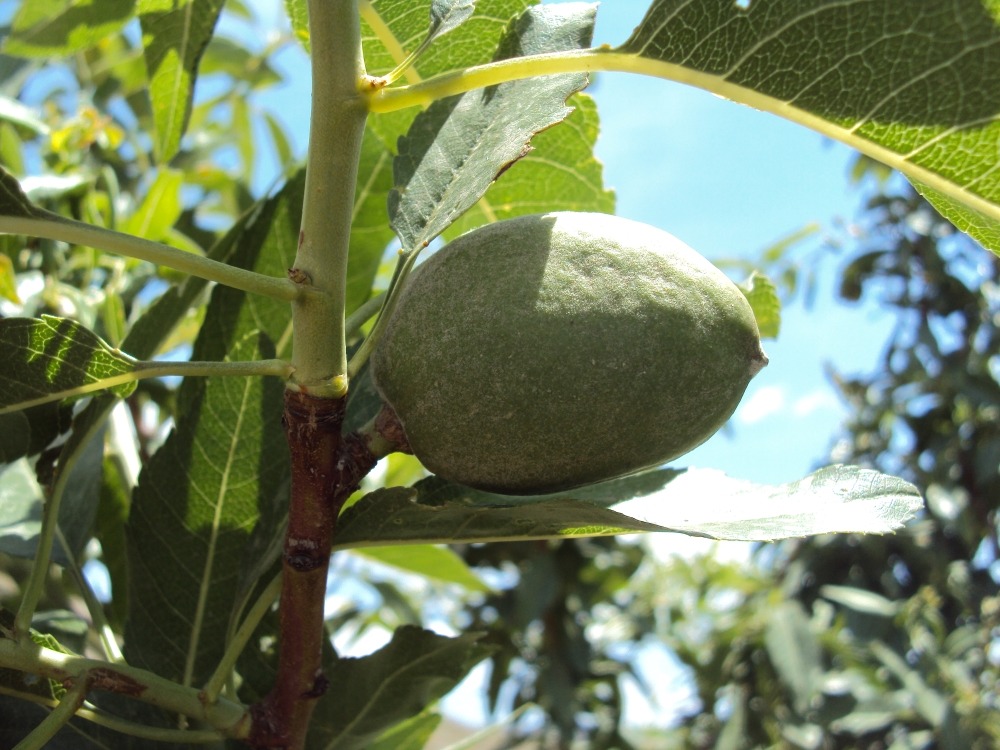
Global Importance: Located within one of the eight global centers of origin for cultivated plants, the region features extensive diversity in wild cereals (including species of Aegilops, barley, oats, and rye), wild onions, and melons.
Woody and Shrub Species: Key wild fruit and nut species include walnut, pistachio, almond, pomegranate, mulberry, fig, wild grape, apple, blackberry, barberry, and rosehip—all critical genetic stocks for modern plant breeding and horticulture.
Benefits of Genetic Resource Utilization
Genetic resources play a vital role in advancing scientific research, driving innovation, and enabling the development of commercial products, pharmaceuticals, and cosmetics. These applications strengthen public health, enhance food security, and foster sustainable economic growth. Accession to the Nagoya Protocol provides member countries with access to international funding mechanisms, cutting-edge technologies, and scientific developments that support long-term conservation and sustainable resource management.



Legal Frameworks and Capacity Building
Participants at the workshop held dedicated discussions on addressing regulatory gaps in implementing both CBD protocols. Experts offered key recommendations to refine national legislation, build institutional capacity, and improve interagency cooperation. Meeting Nagoya Protocol standards will require comprehensive legal reforms in Turkmenistan, engaging all relevant stakeholders alongside organizational, administrative, and policy measures.
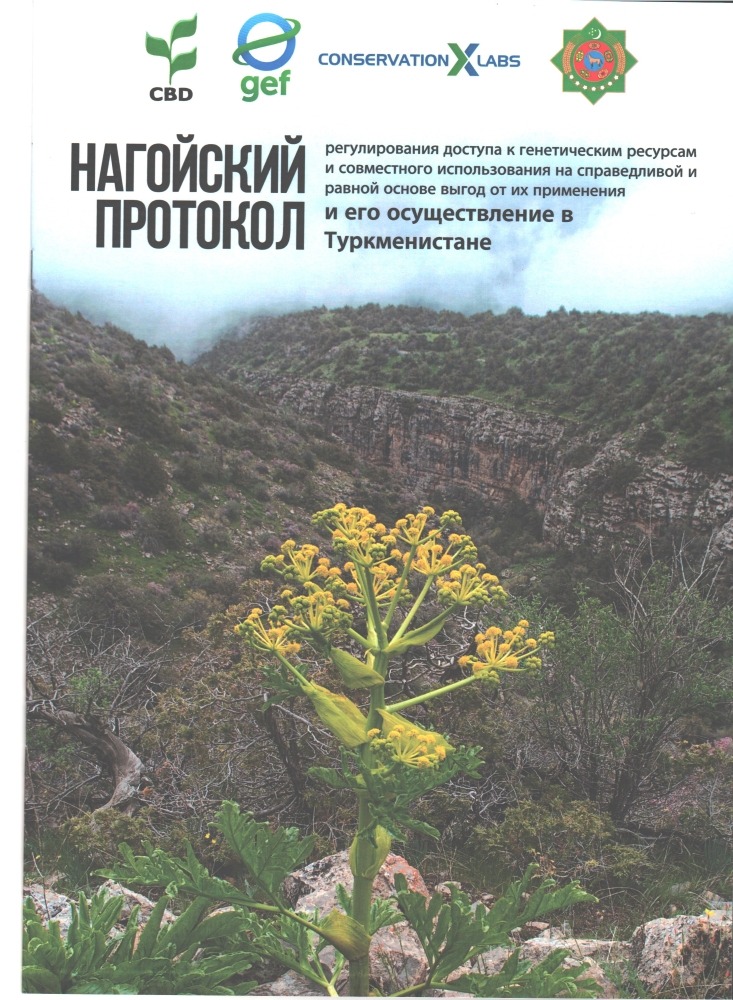
To support public awareness and stakeholder engagement, an informational brochure on the Nagoya Protocol was prepared. The publication outlines the protocol’s objectives, defines genetic resources, and highlights the importance of their preservation and sustainable use within Turkmenistan. /// nCa, 7 September 2026