


Ashgabat, 15 October 2026. Representatives of relevant government institutions of Turkmenistan strengthened their practical skills in assessing the quality of migration data, preparing metadata and reporting on the Sustainable Development Goals, conducting gender-sensitive analysis, and using evidence in policy planning and development in the course of a two-day training titled “Migration Metadata and the Collection, Analysis and Presentation of Migration Data in Line with International Standards and Gender-Sensitive Approaches” organized by the International Organization for Migration (IOM) in Ashgabat.
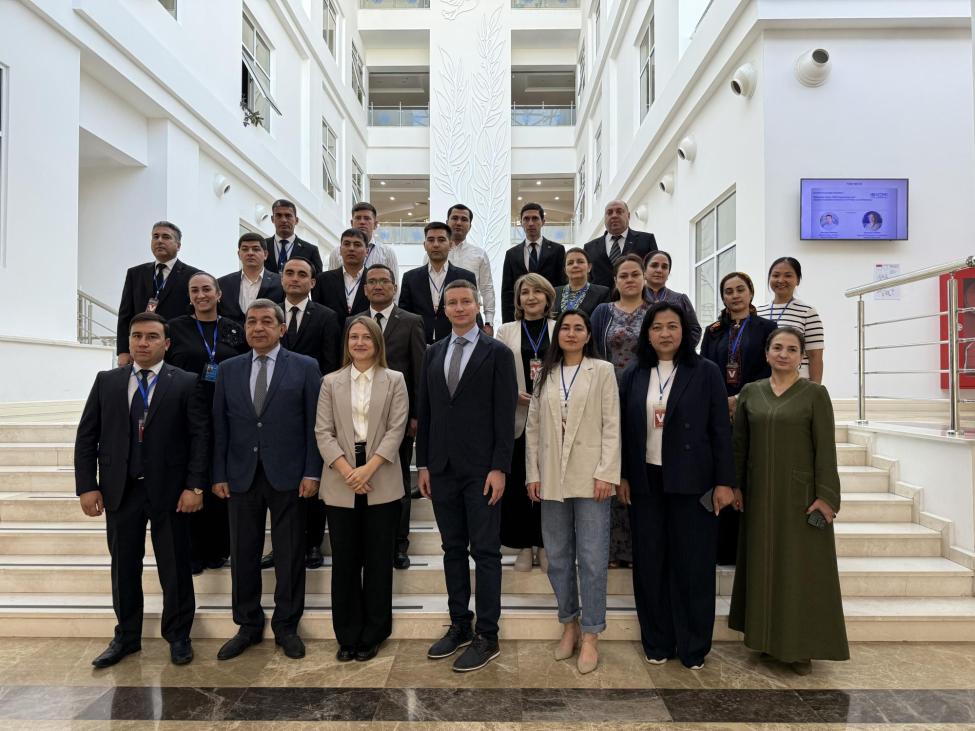
The training was delivered by experts from the IOM Regional Office for Europe and Central Asia. Participants included representatives of the State Migration Service, the State Committee on Statistics, the Ministry of Economy and Finance, the Ministry of Labour and Social Protection of the Population, the Ministry of Education, the Ministry of Internal Affairs, the State Border Service, the State Customs Service and other relevant organizations.
During the training, participants examined key migration data concepts and sources, as well as their role in evidence-based policymaking and reporting. Particular attention was paid to international definitions, statistical standards and data quality.
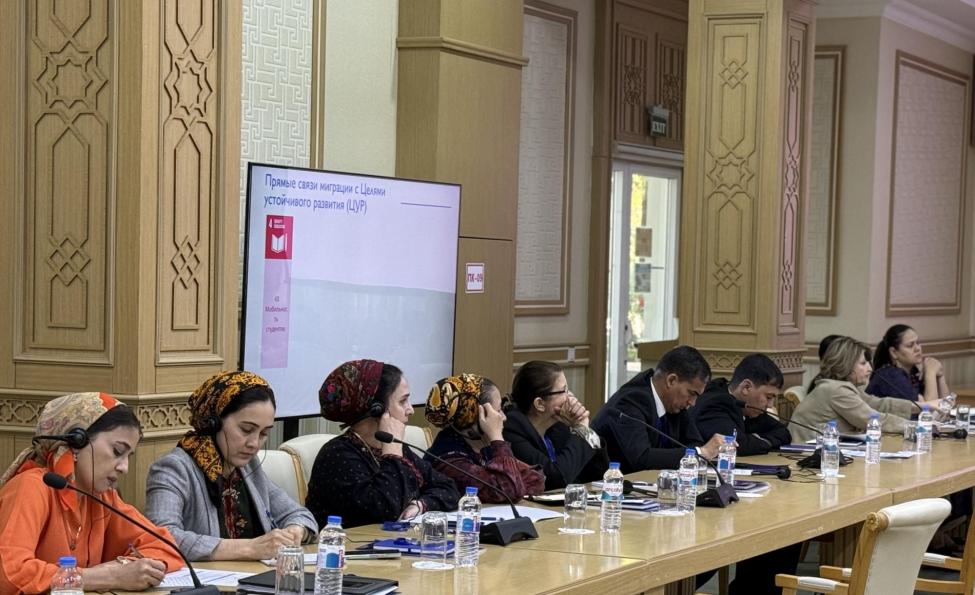
Participants were introduced to the recommendations of the United Nations Statistical Commission, international migration definitions and concepts, and examples of practices used by international organizations and national statistical authorities. Discussions highlighted the importance of common statistical standards in ensuring the consistency and comparability of migration data.
The training also addressed migration in the context of the 2030 Agenda for Sustainable Development. Participants reviewed migration-related Sustainable Development Goals, including SDG indicator 10.7.2, as well as the requirements and methodological approaches for preparing relevant reports, including Turkmenistan’s third Voluntary National Review, which will be presented at the United Nations High-level Political Forum in 2027.
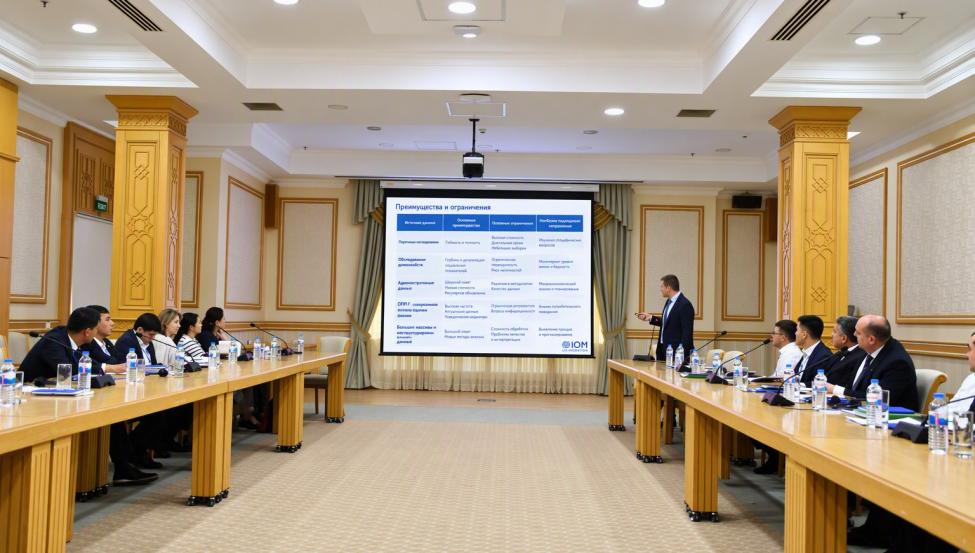
Participants also reviewed migration metadata and gender-sensitive approaches to data, looking into the key components of metadata, including definitions, classifications, collection frequency and existing limitations, as well as their relevance to national reporting and monitoring of the Sustainable Development Goals. They also discussed the relationship between gender and migration, the role of gender-sensitive information in migration policymaking, and methods for its collection, analysis and interpretation.
The practical component covered migration data quality assessment, basic data analysis and interpretation, the application of metadata, reporting on SDG indicator 10.7.2, gender-sensitive analysis, and the use of evidence in planning and policymaking. The exercises enabled participants to apply the approaches in practical scenarios and discuss opportunities for integrating them into the work of government institutions.
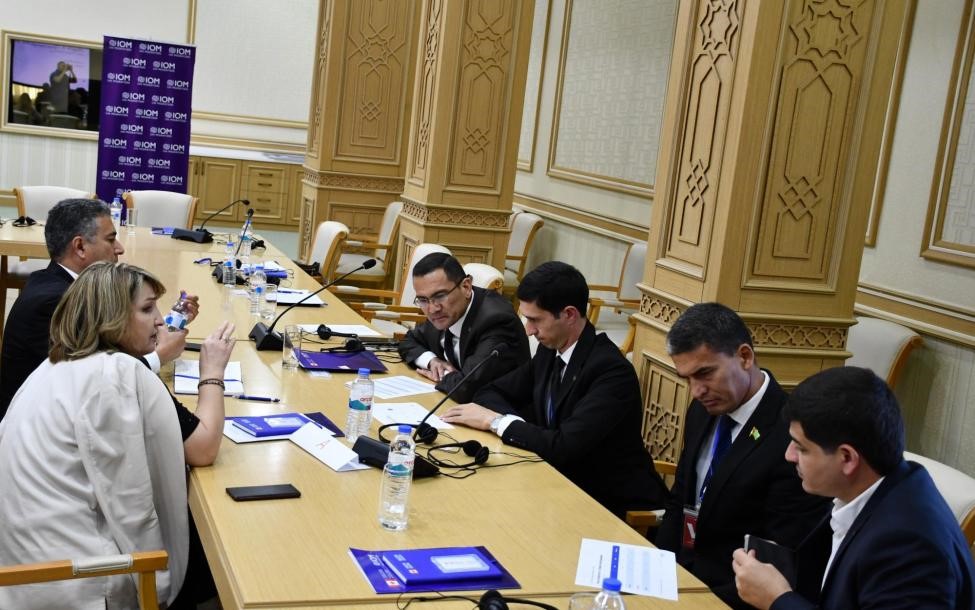
The event was conducted under IOM’s regional project “Comprehensive Action Plan for Afghanistan and Neighbouring Countries.” The project promotes the socio-economic integration of Afghan nationals in Turkmenistan, supports host communities with particular attention to the empowerment of women and girls, and strengthens the capacity of national partners in emergency preparedness and mobility-related crisis response. This work includes improving inter-agency coordination, assessing needs, and using data to support timely planning and decision-making. ///nCa, 15 October 2026 (in cooperation with IOM cooperation)