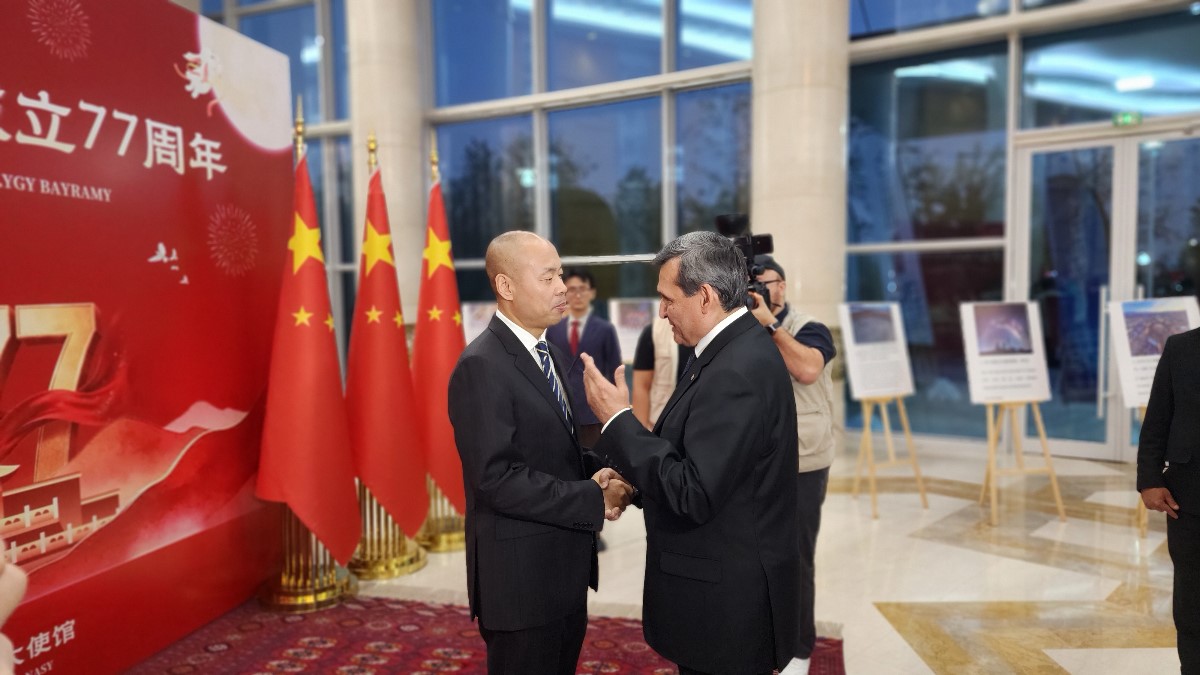
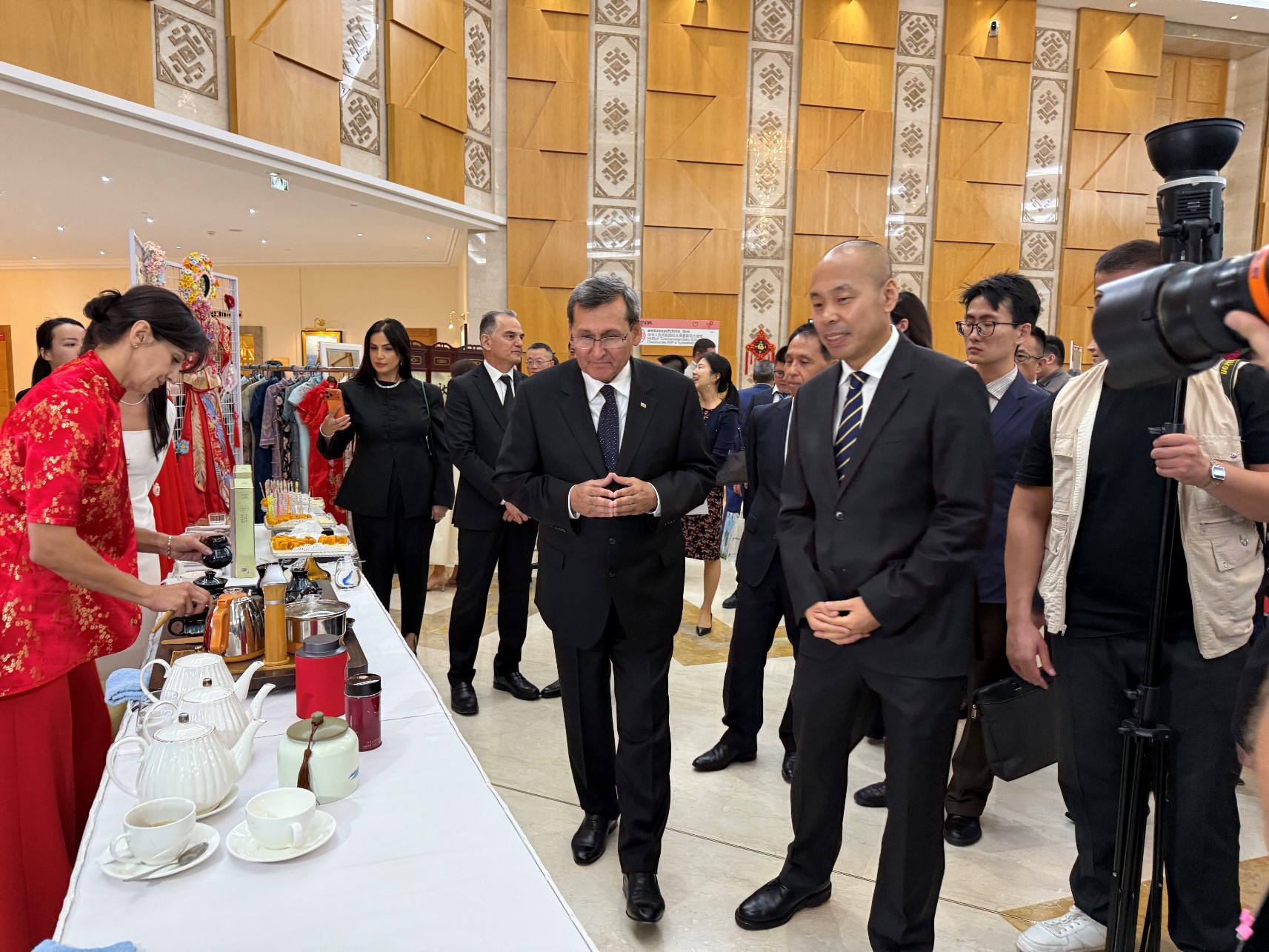
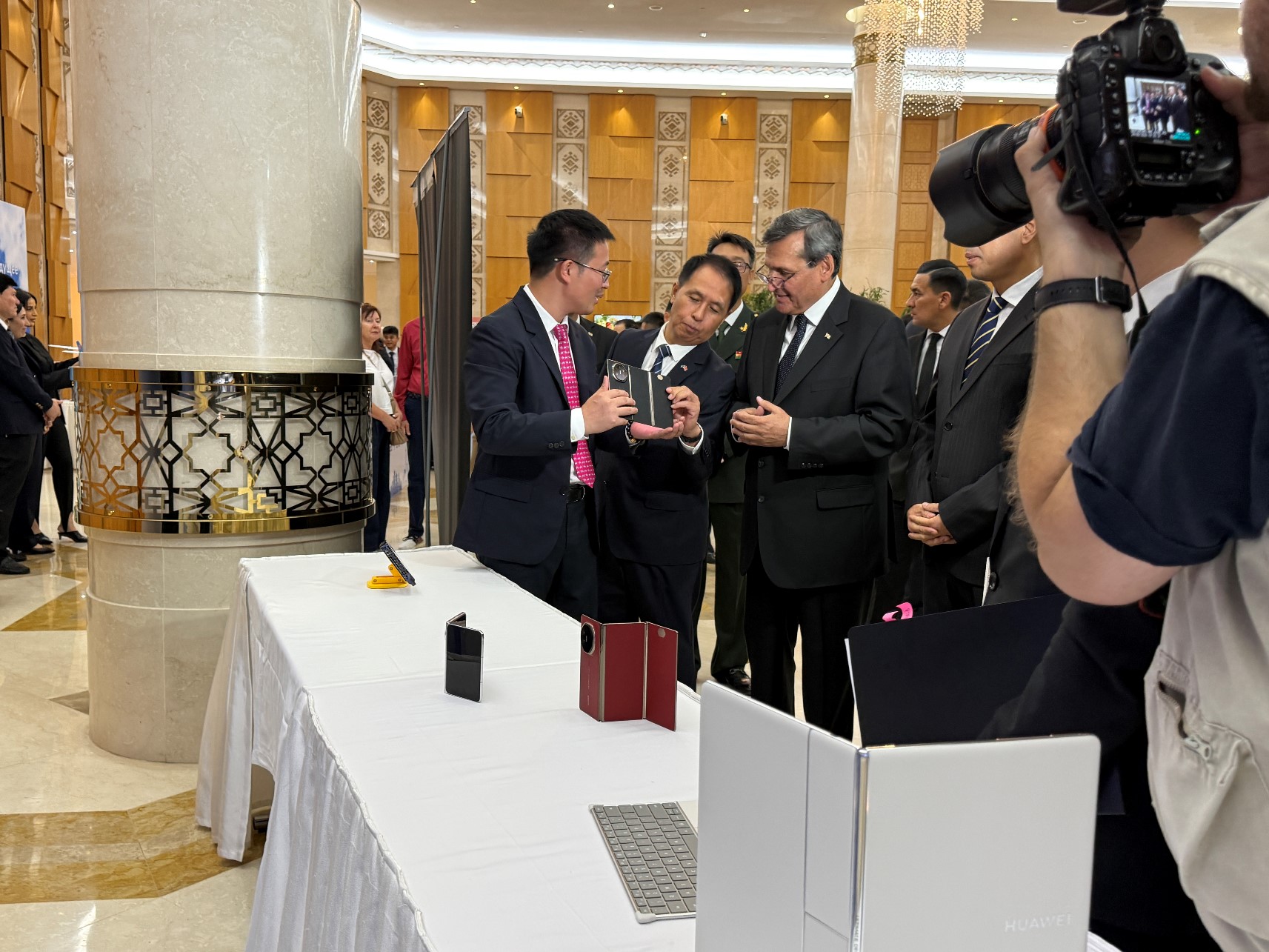
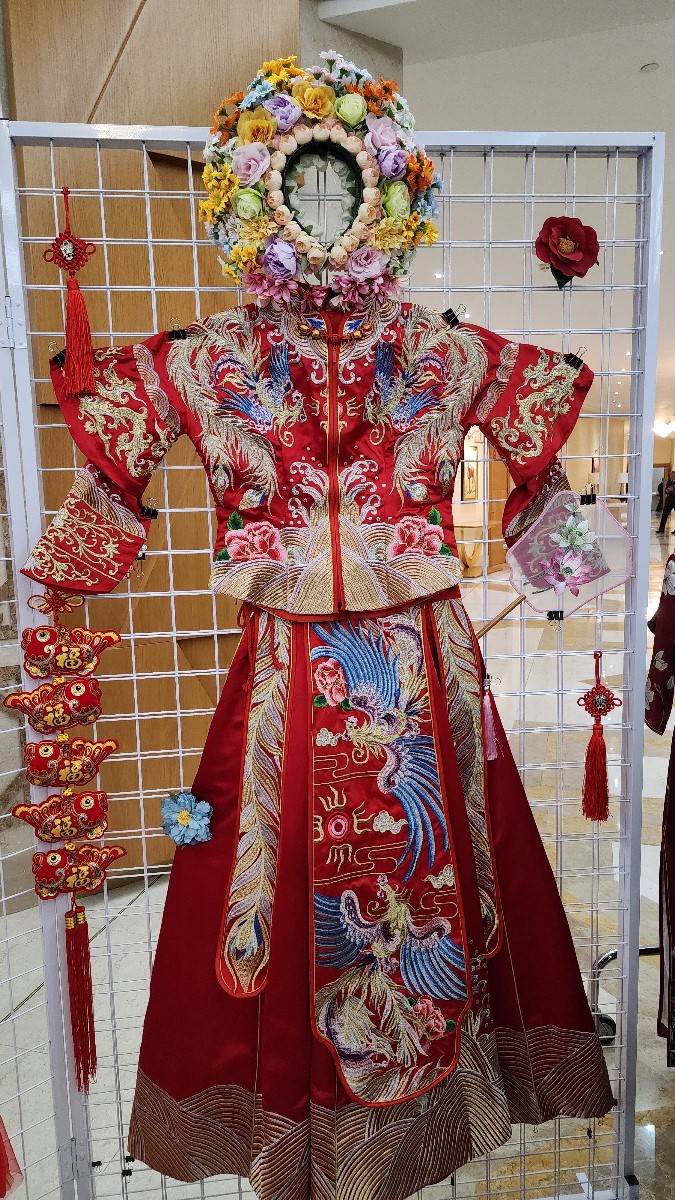
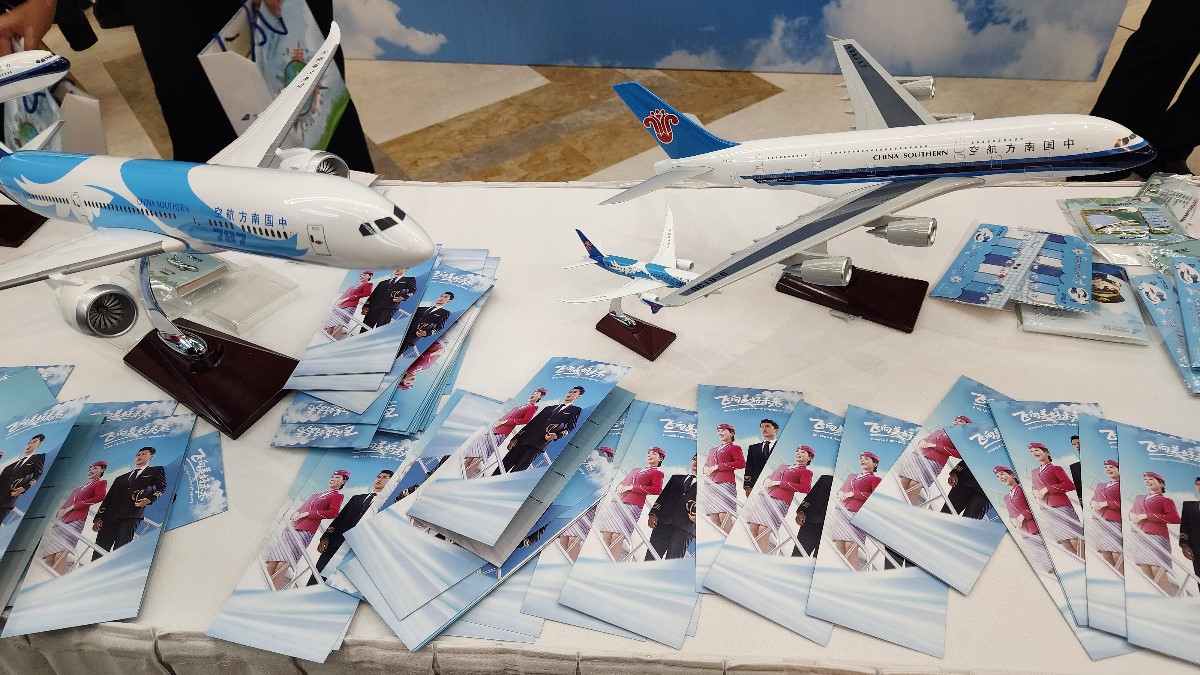
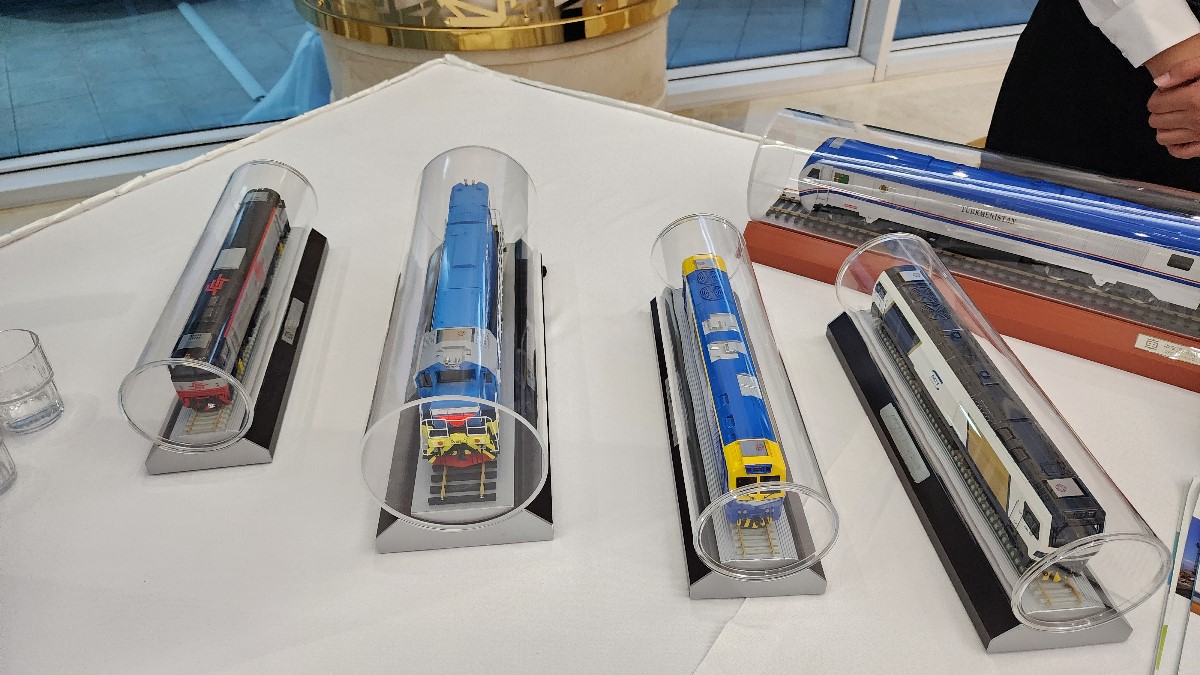
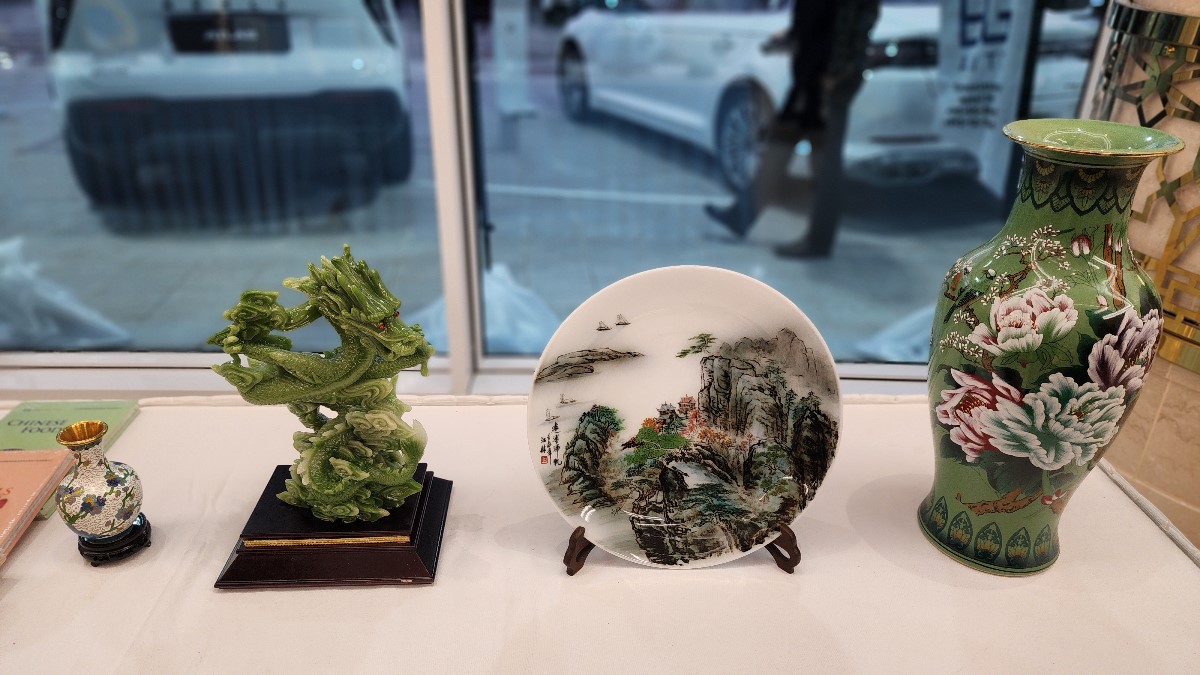
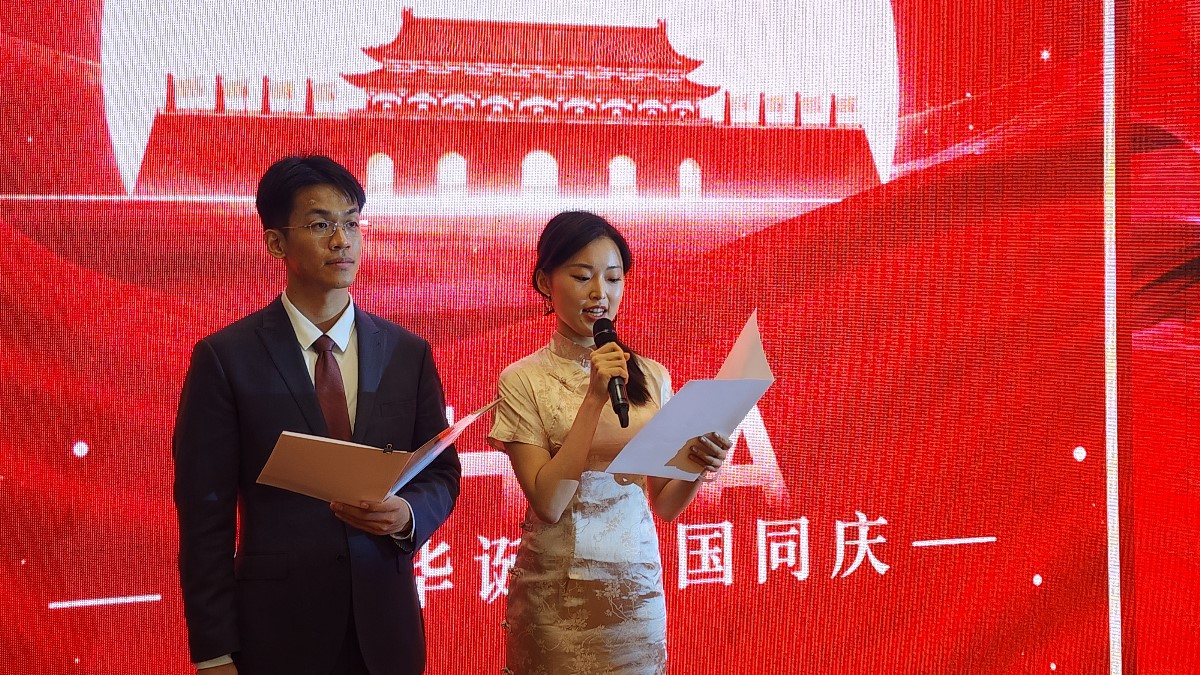
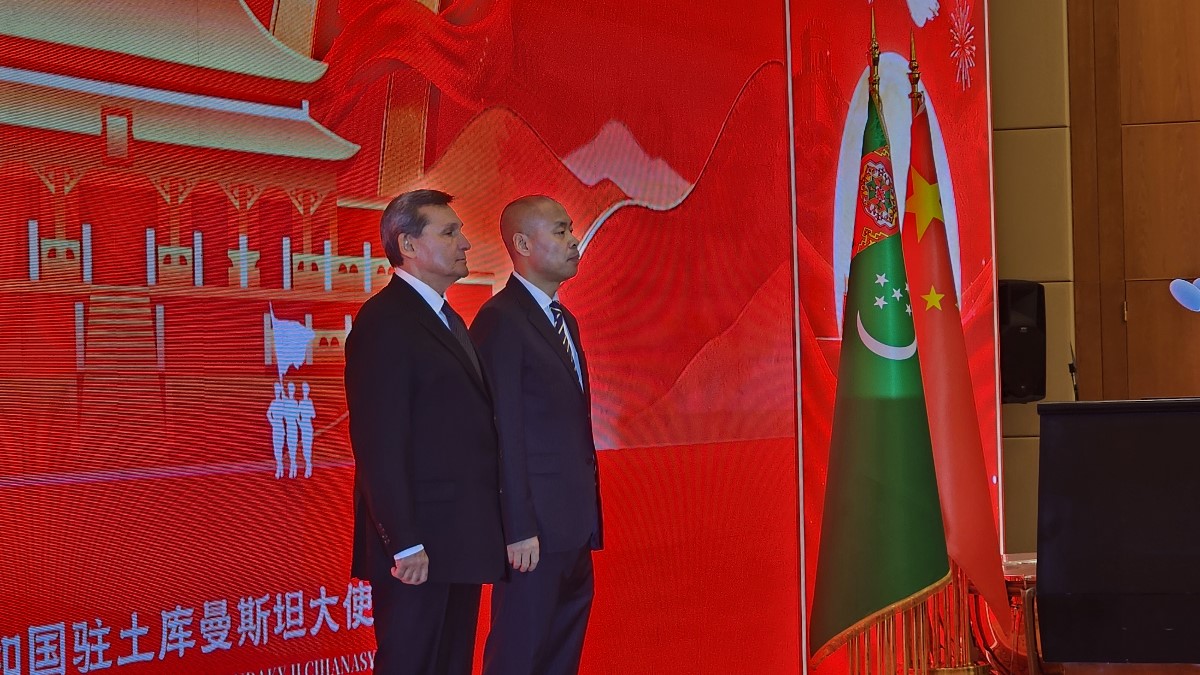
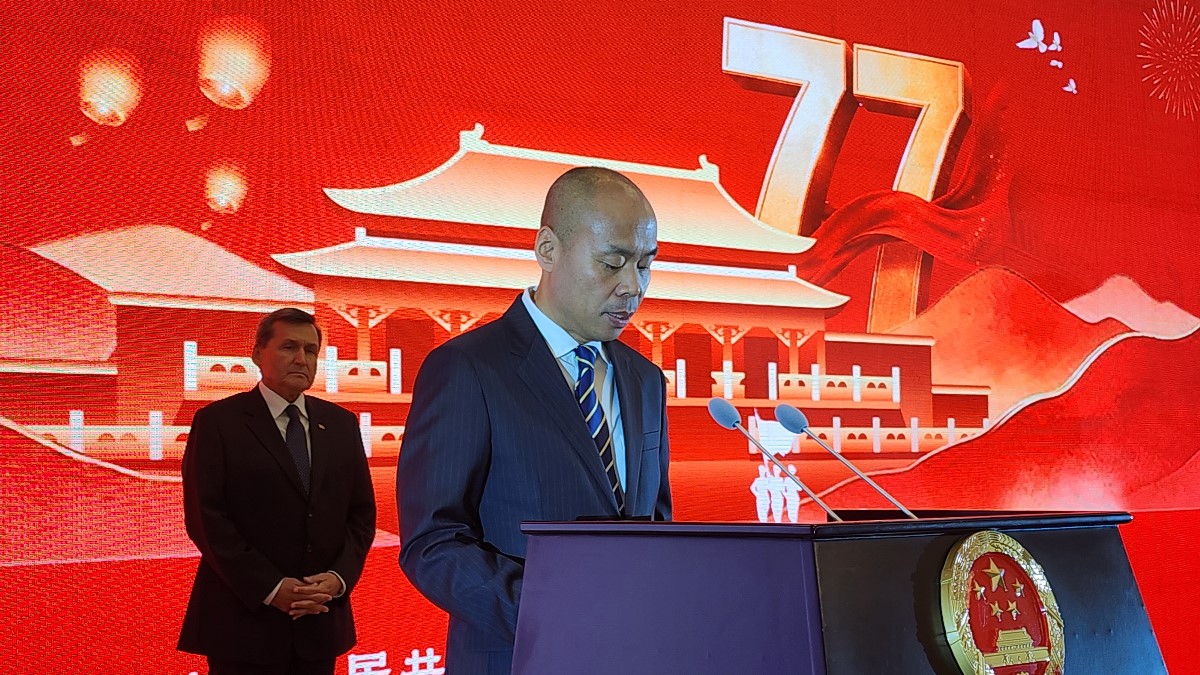
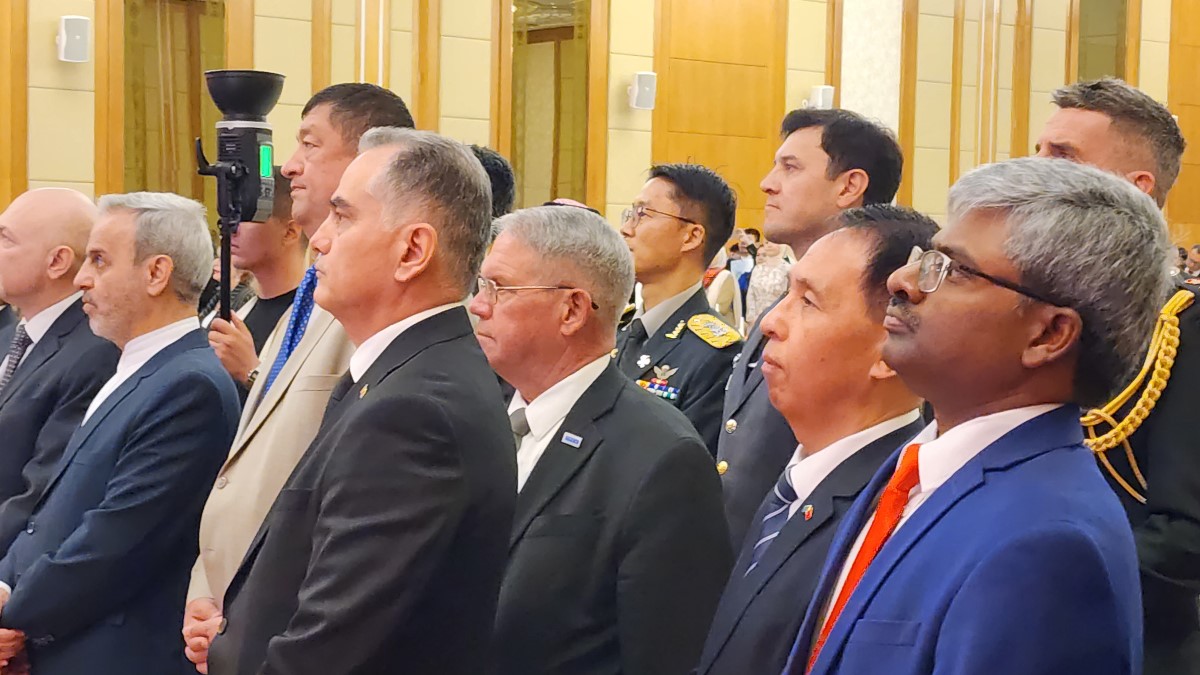
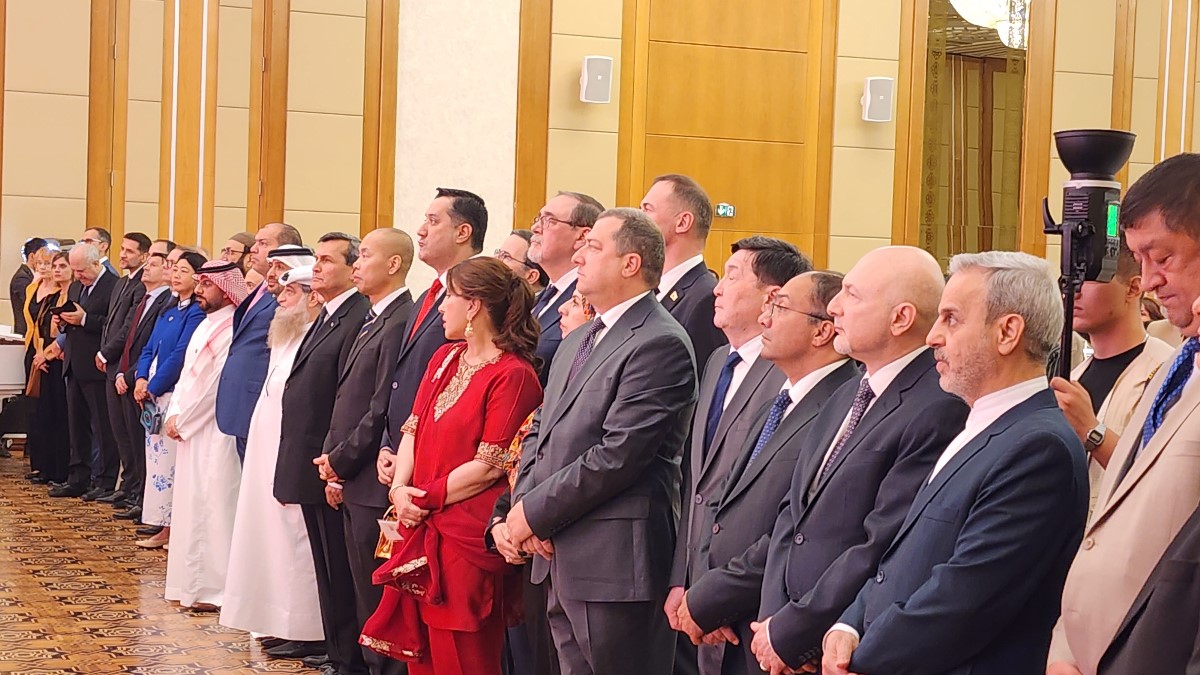
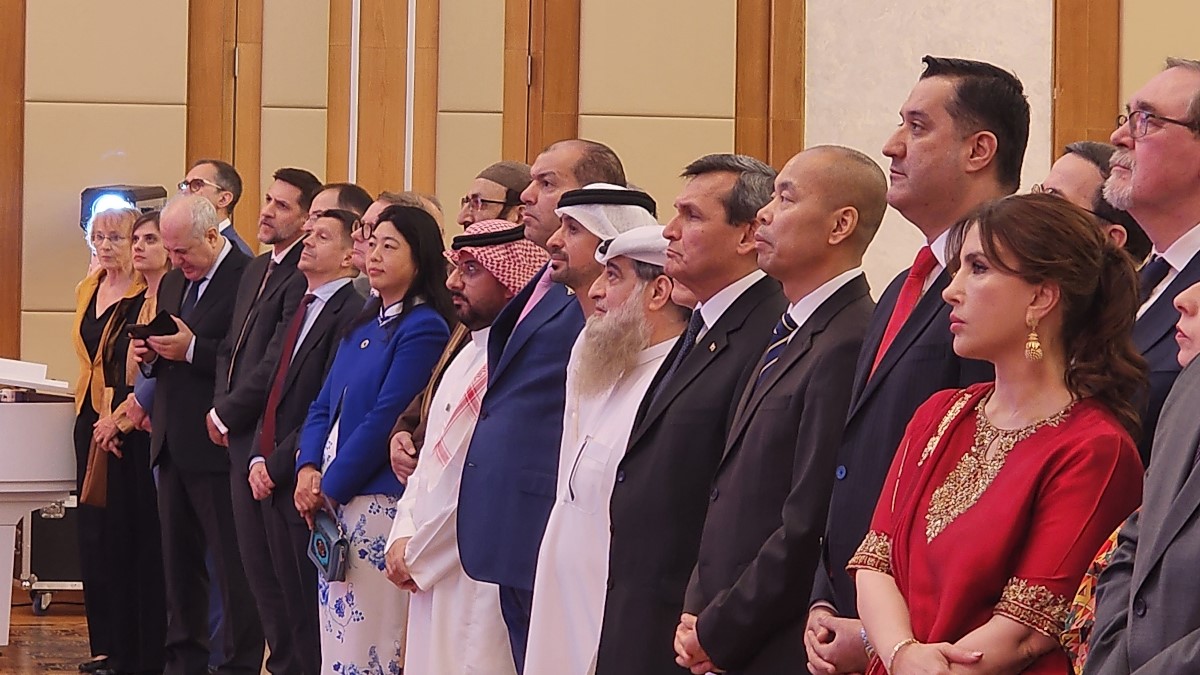
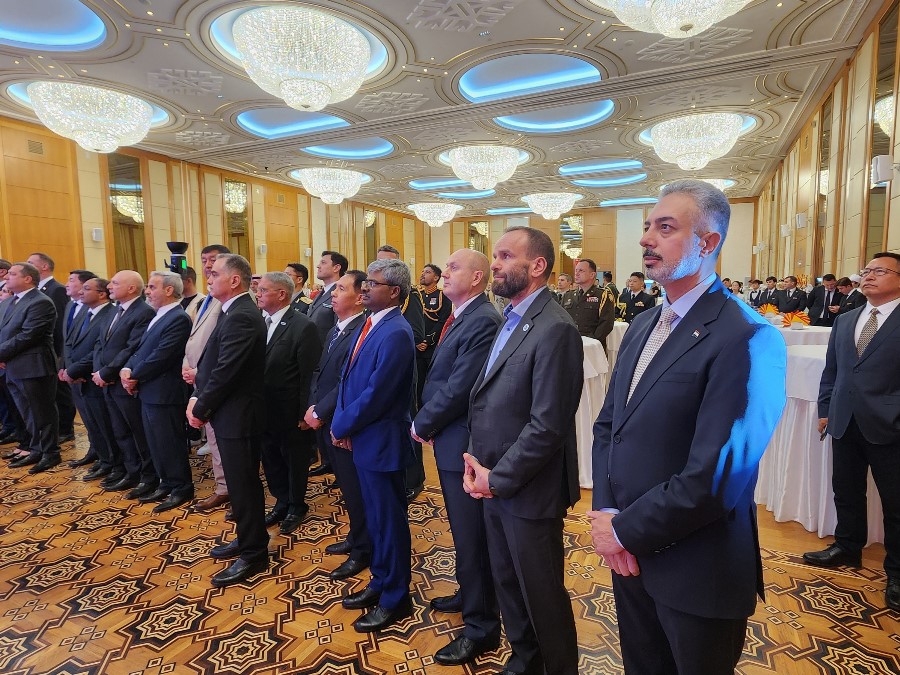
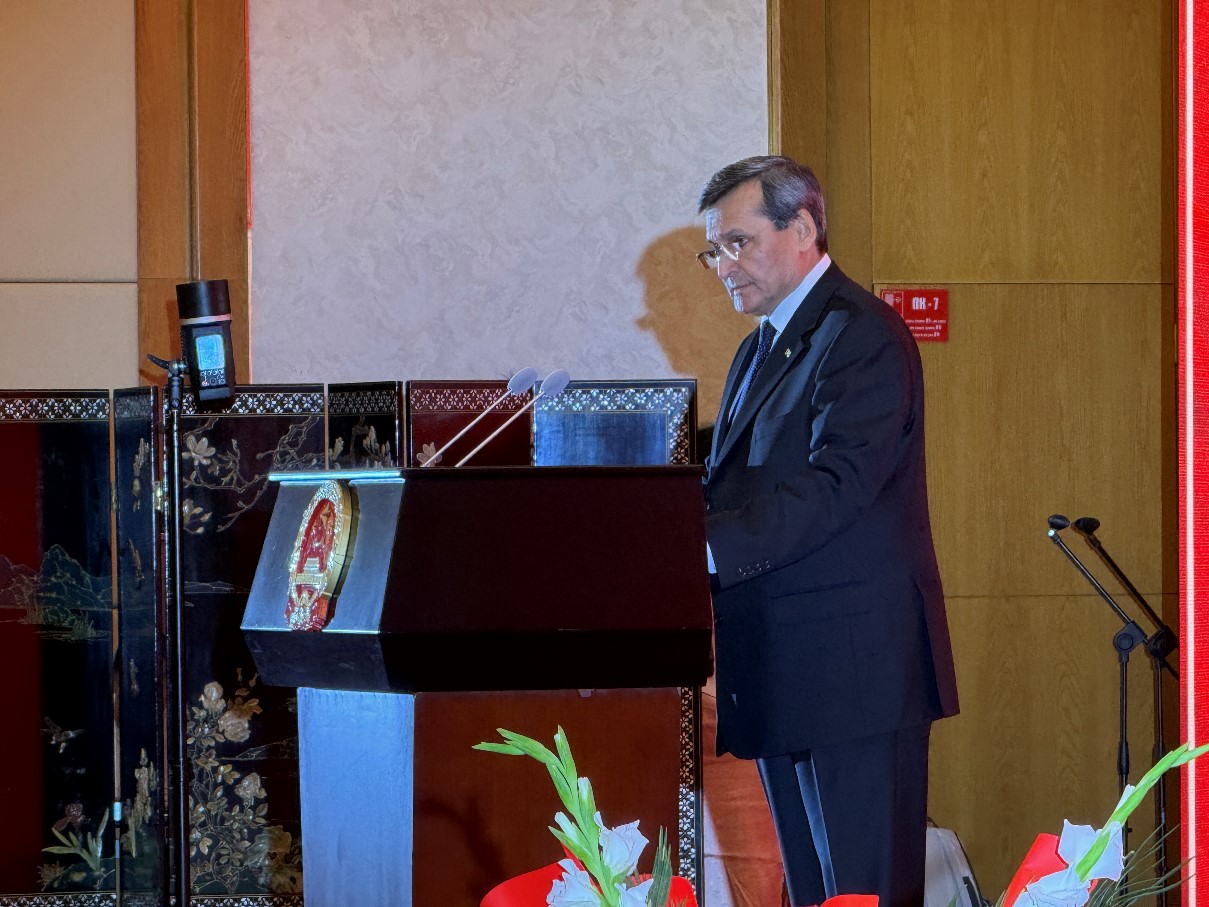
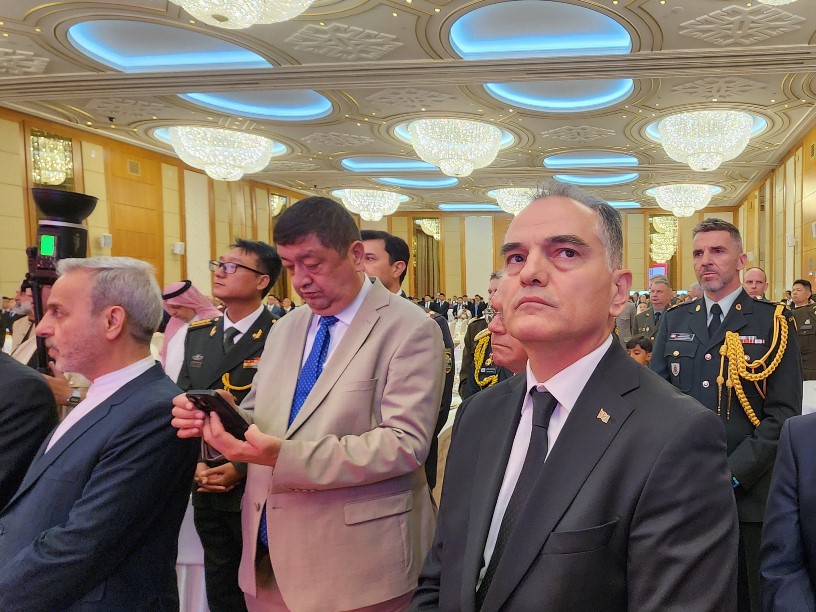
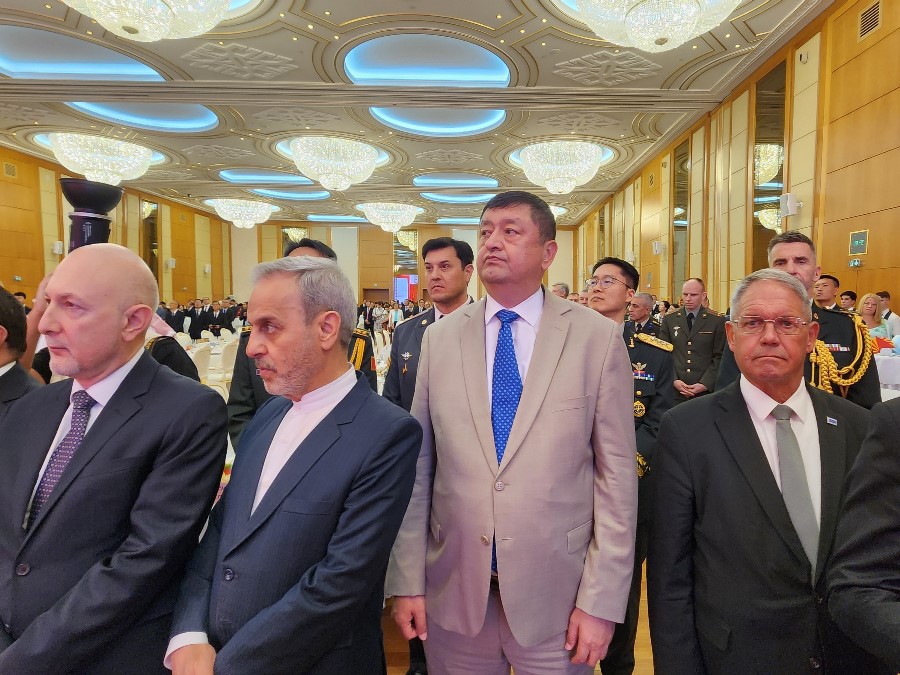
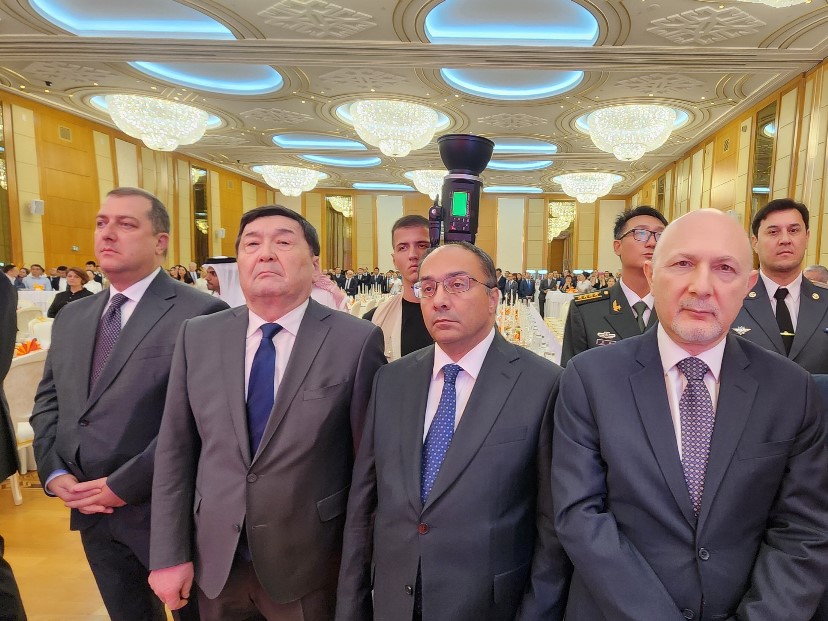
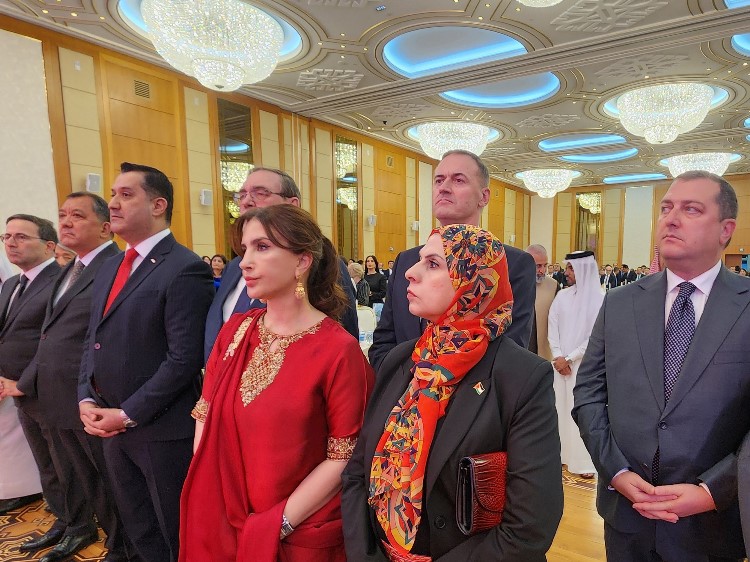
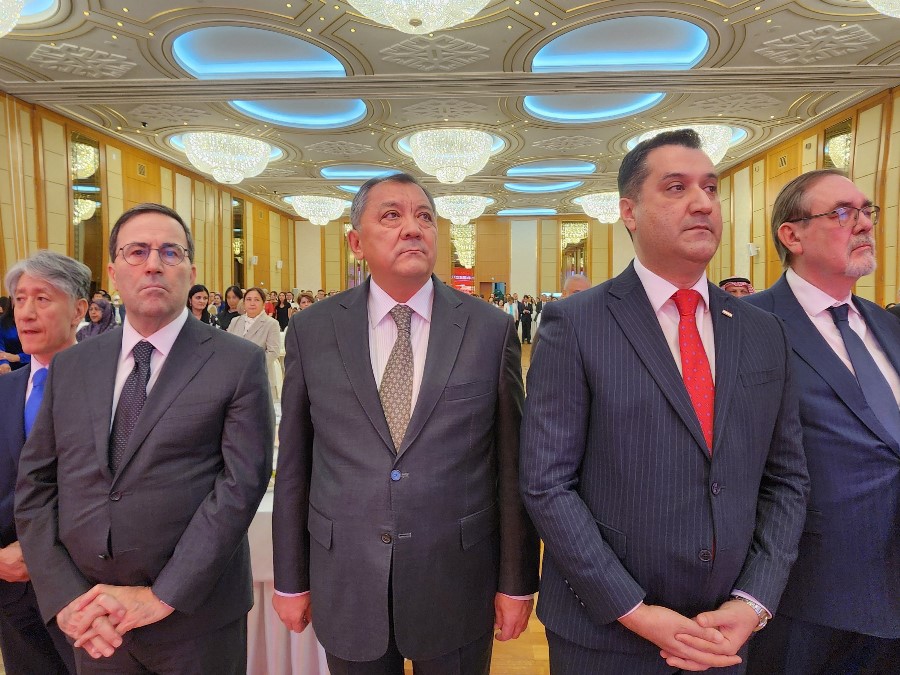
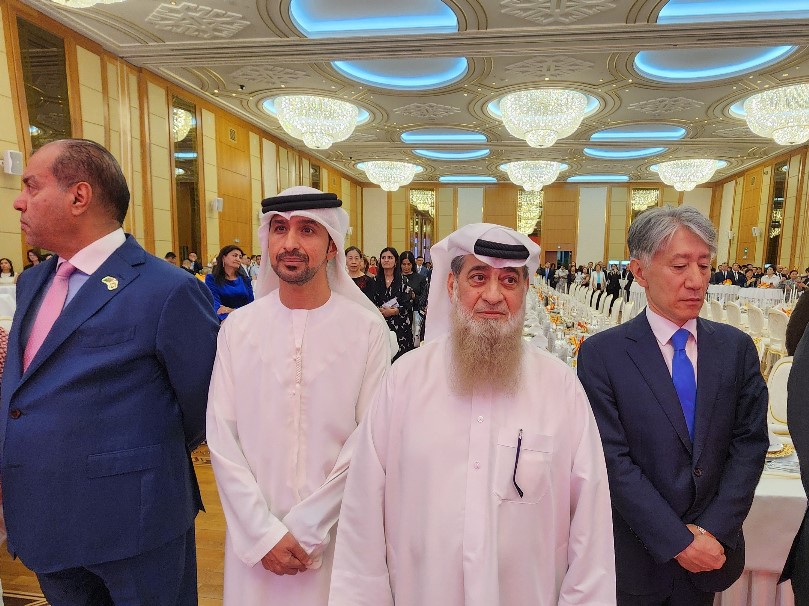
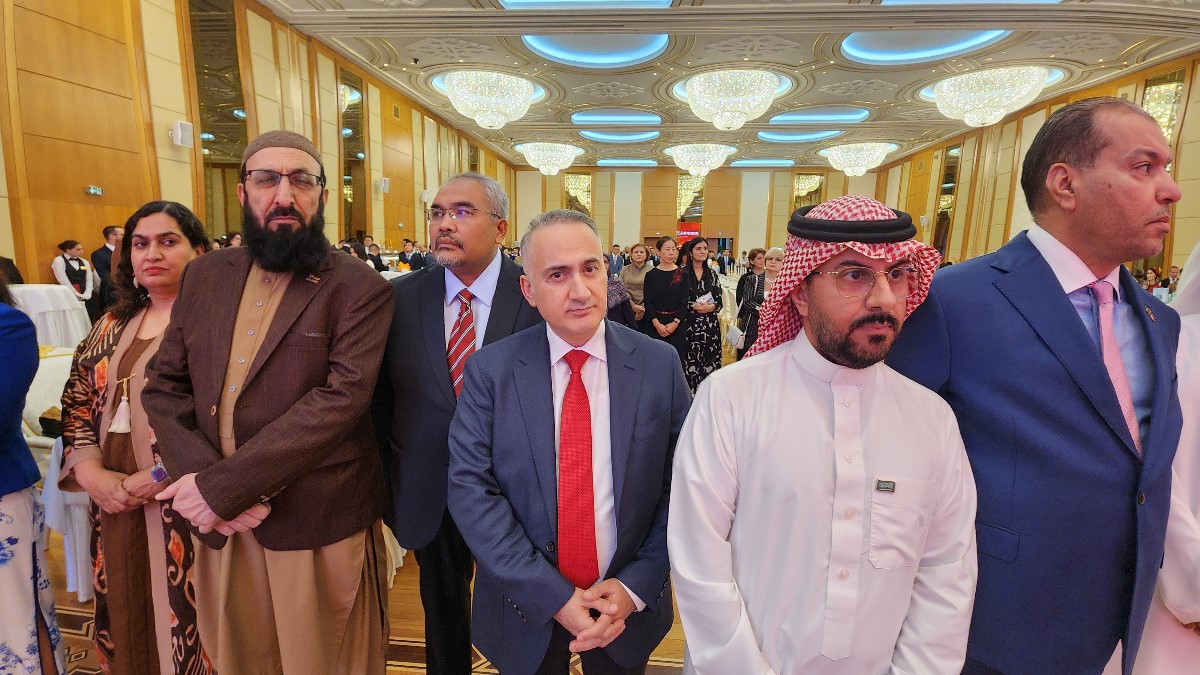
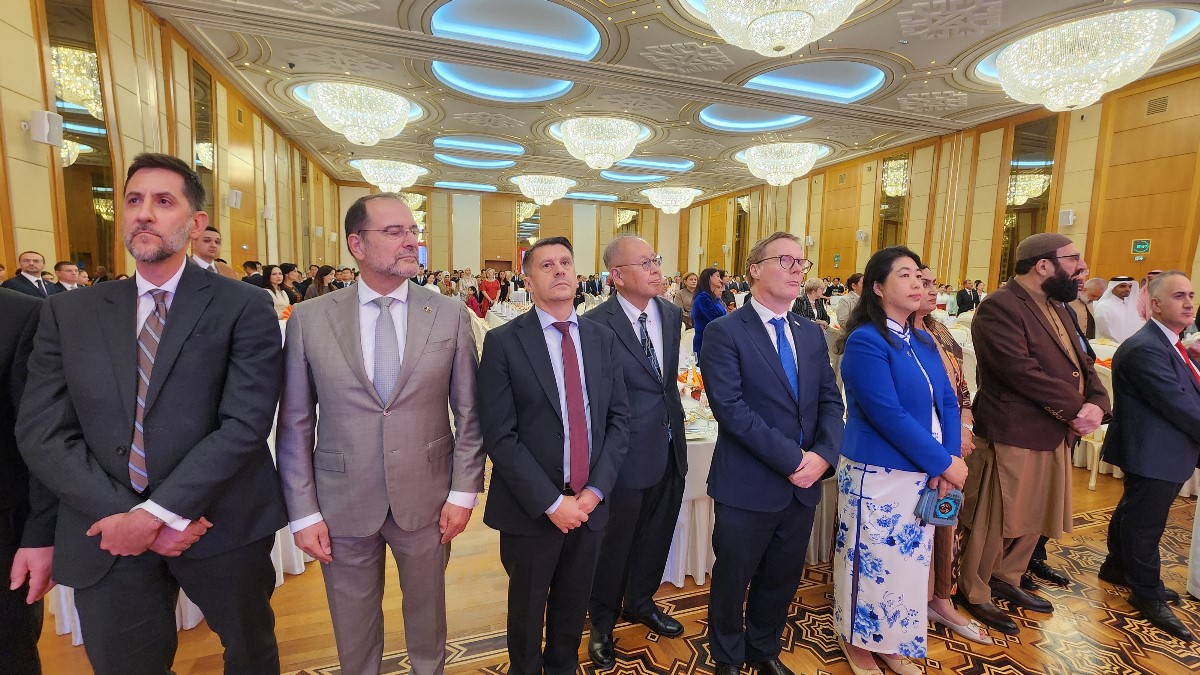
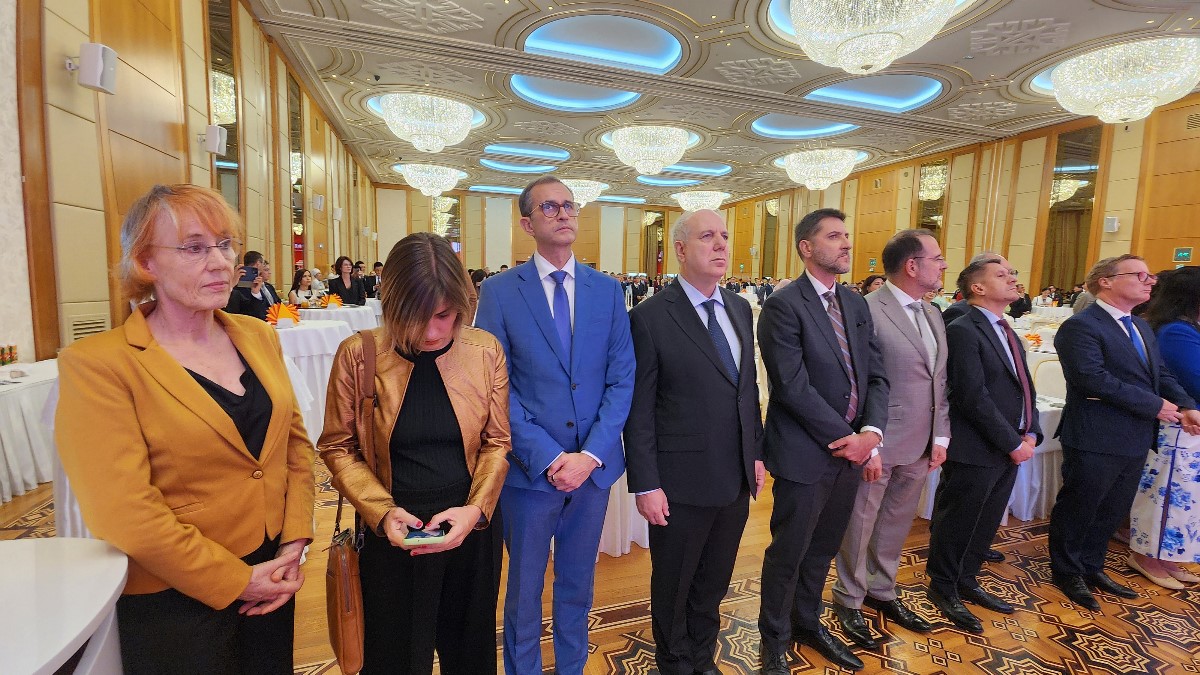
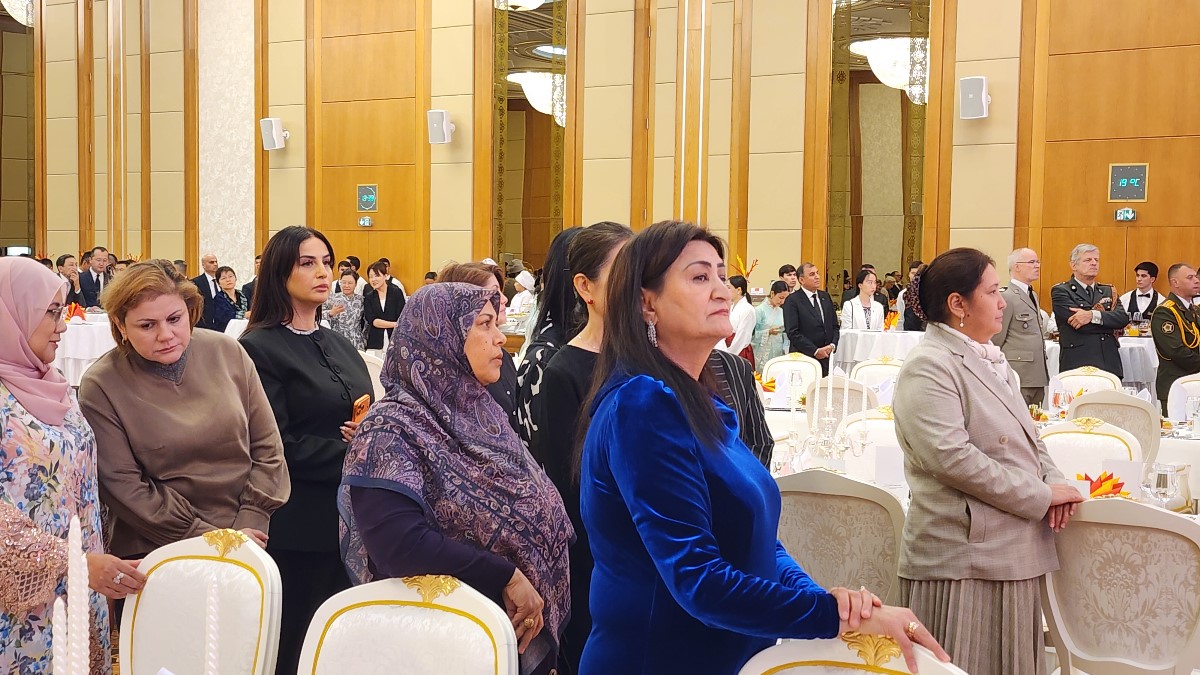
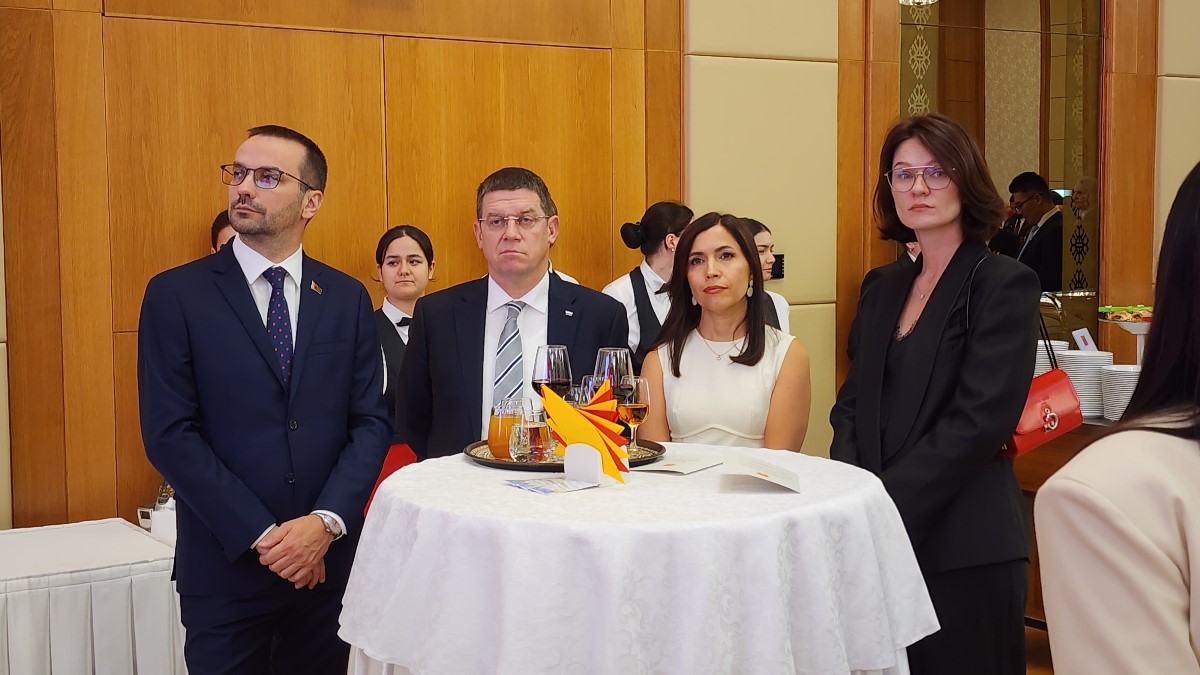
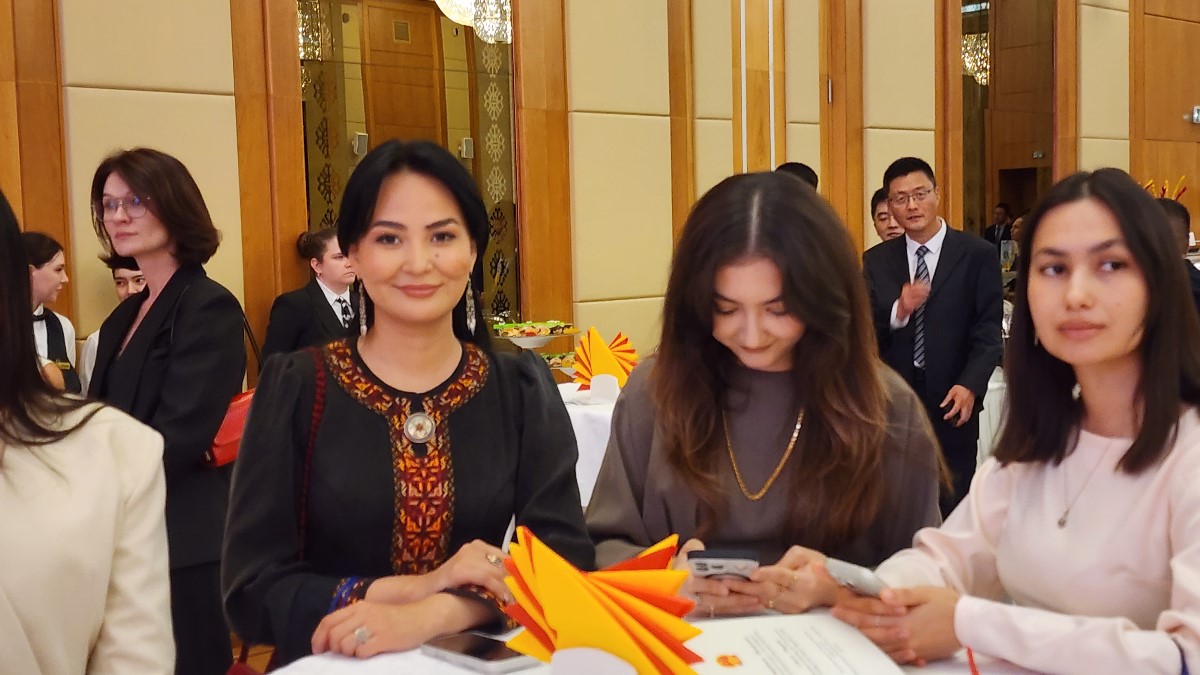
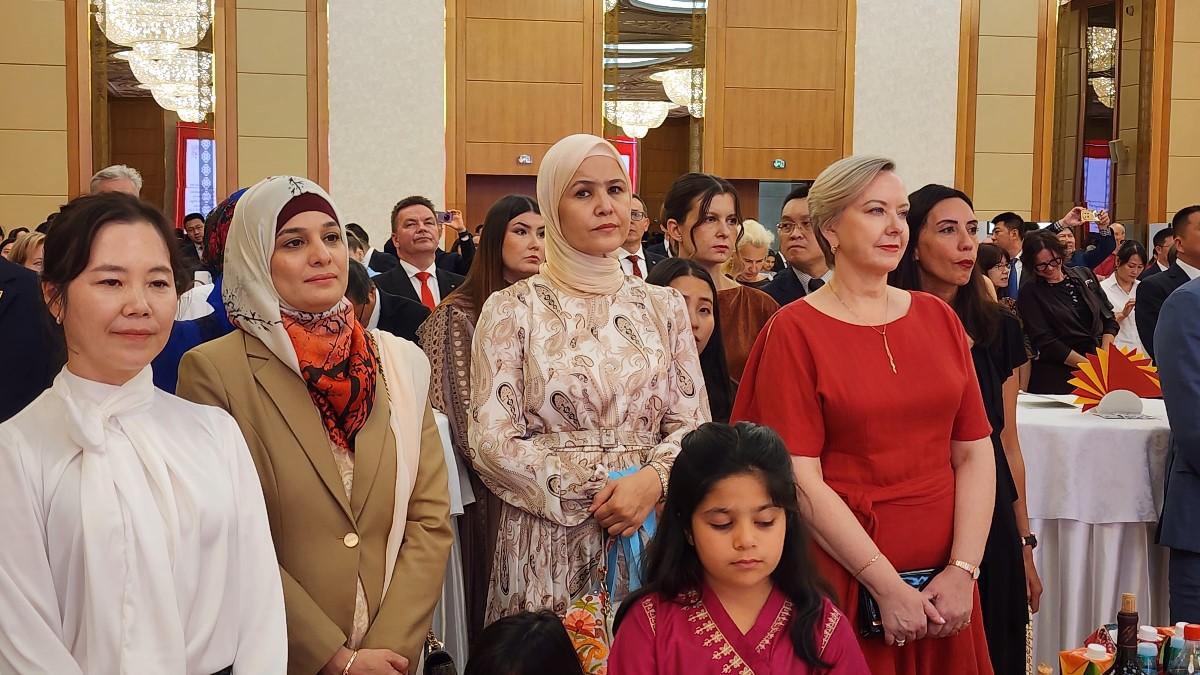
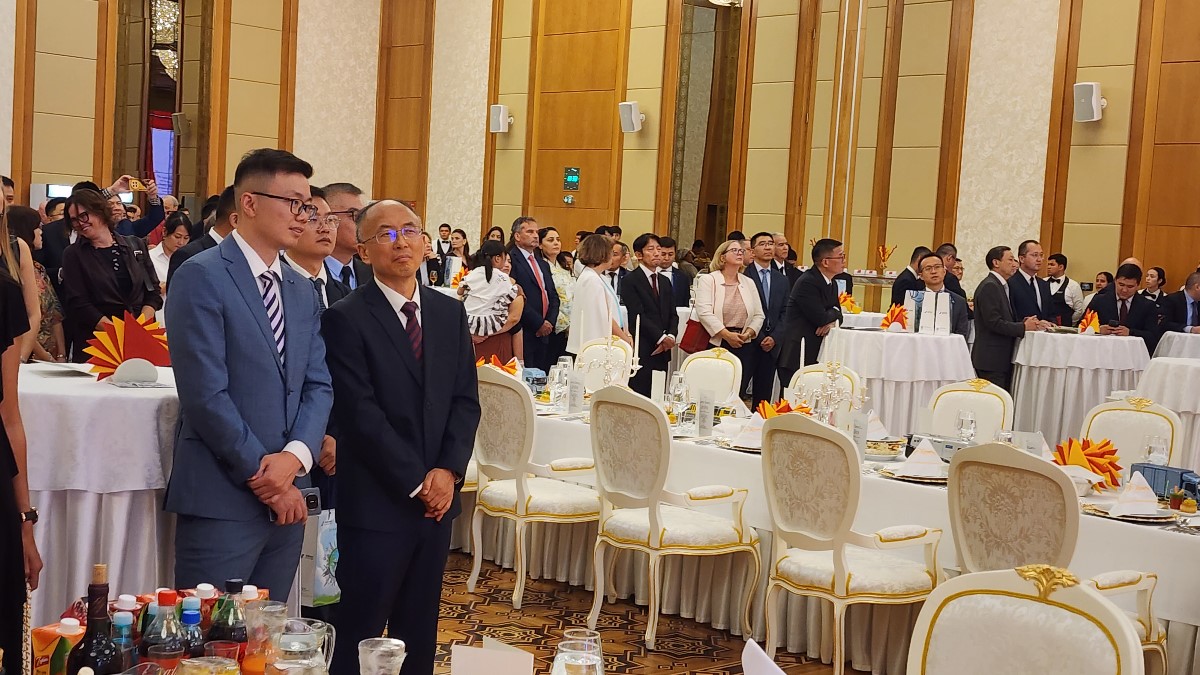
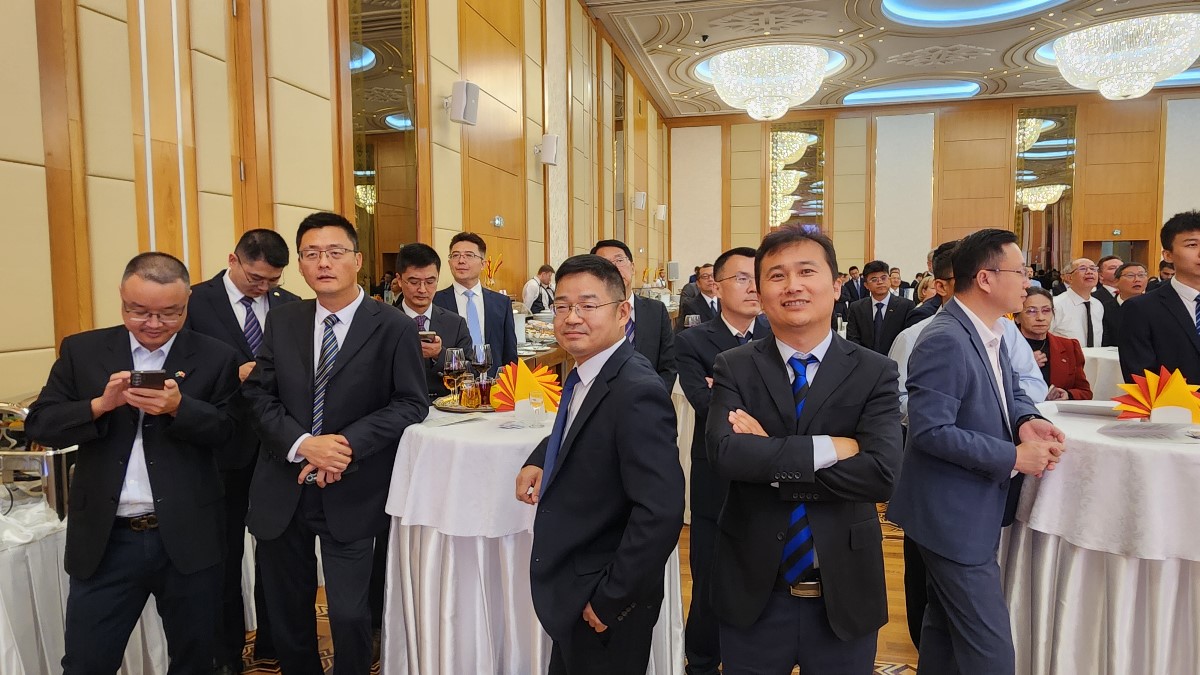
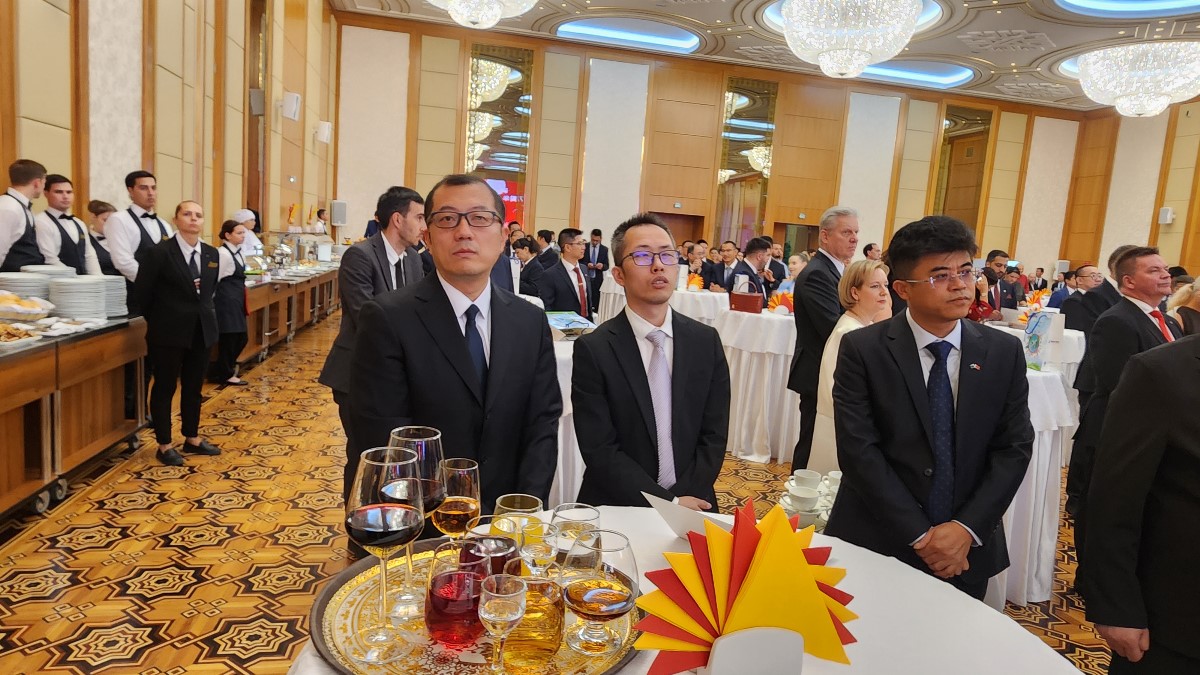
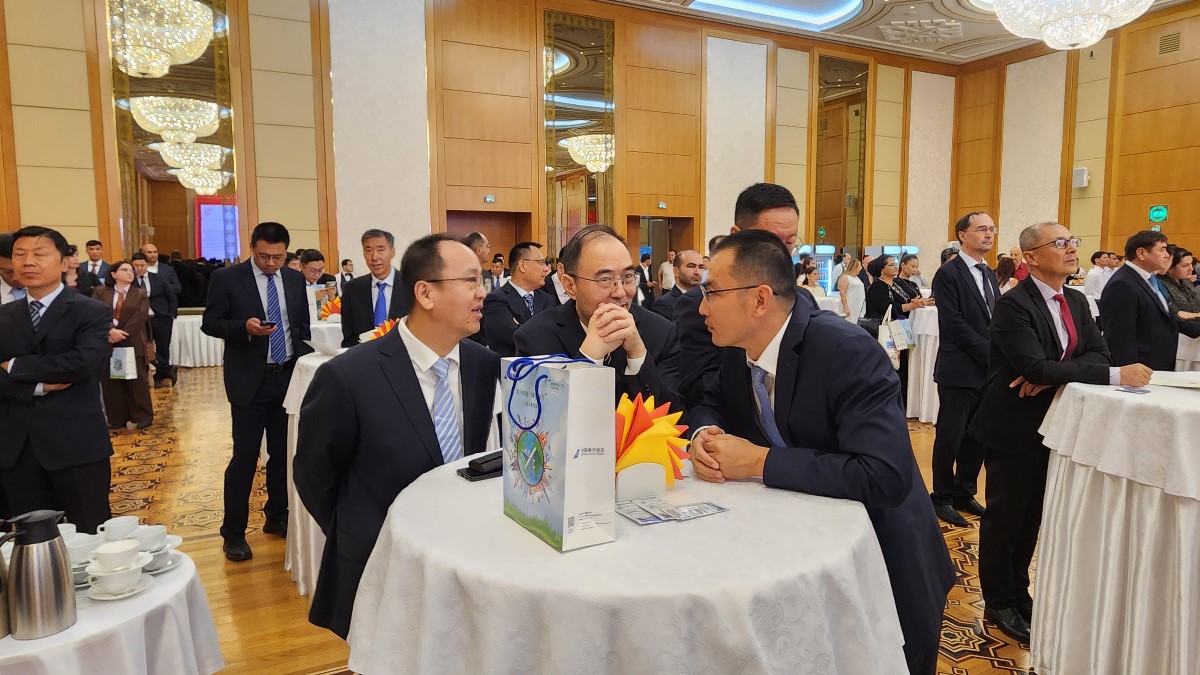
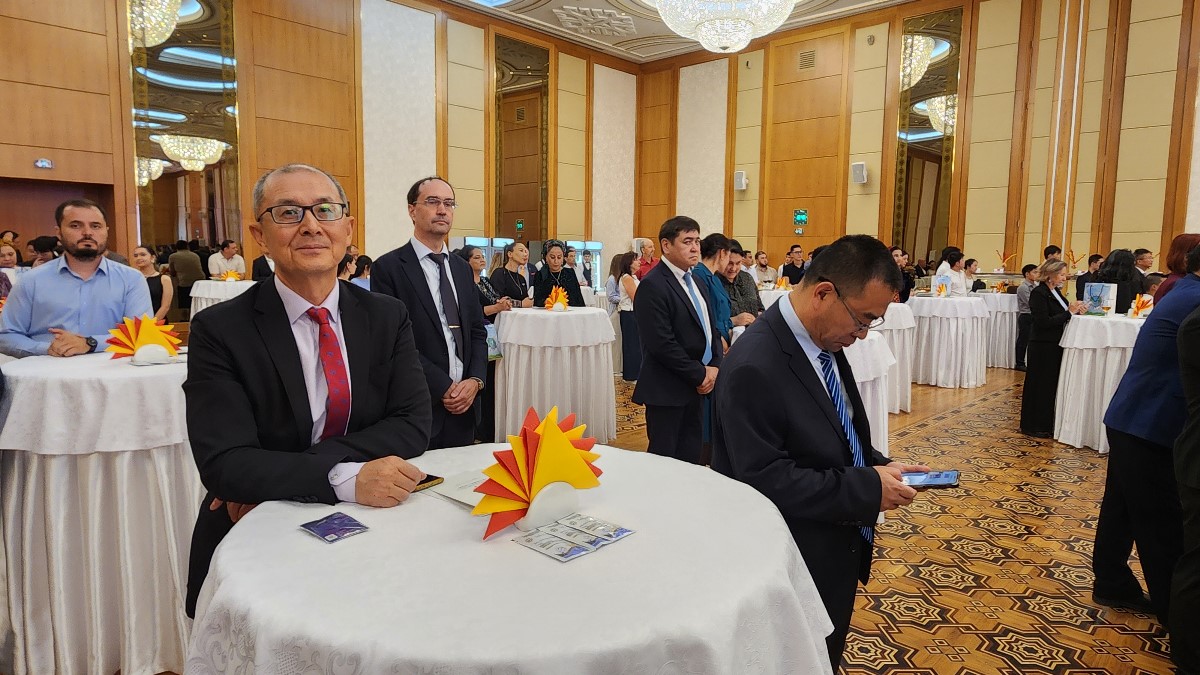
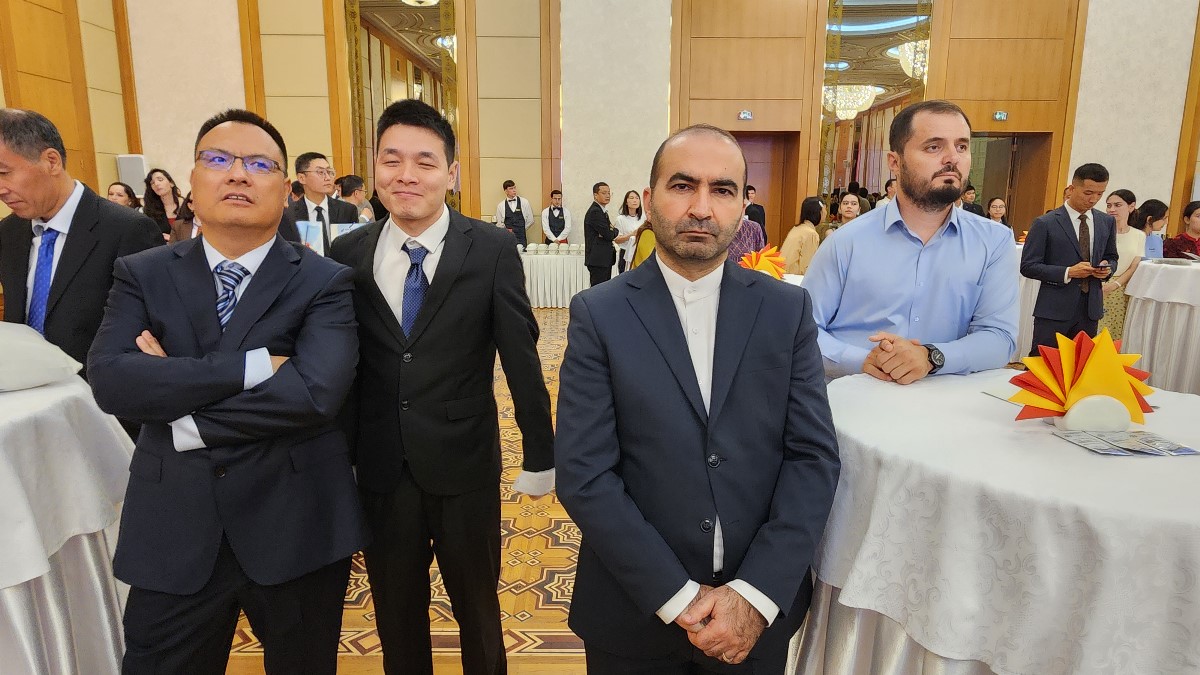
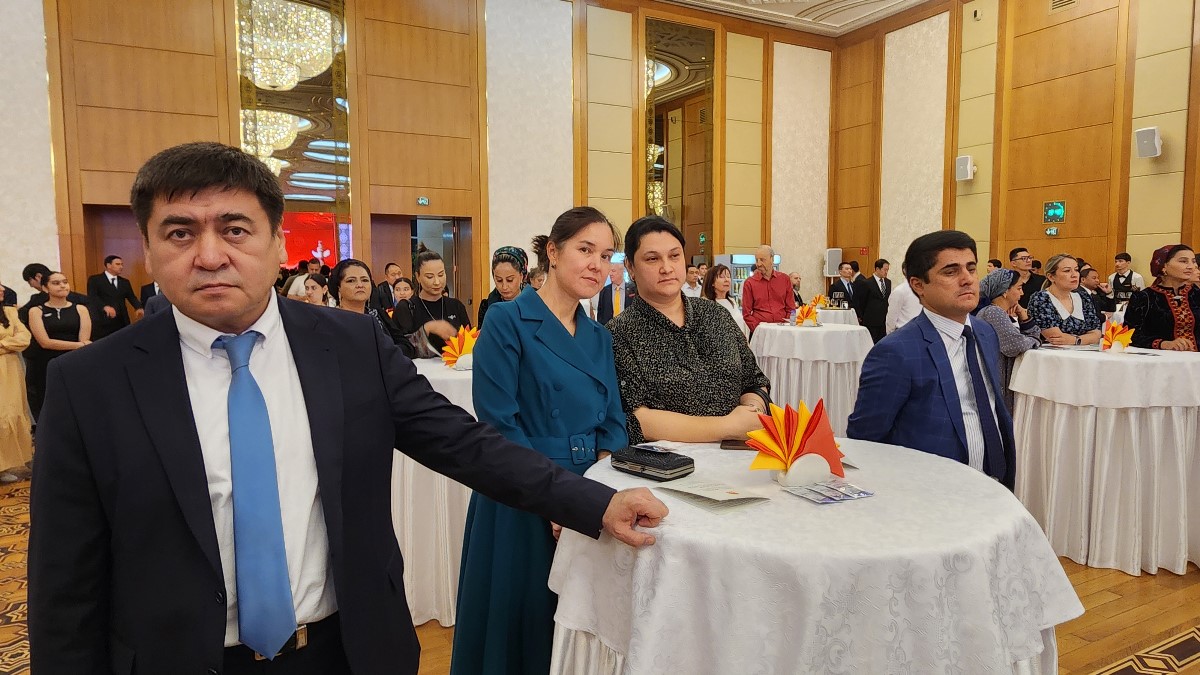
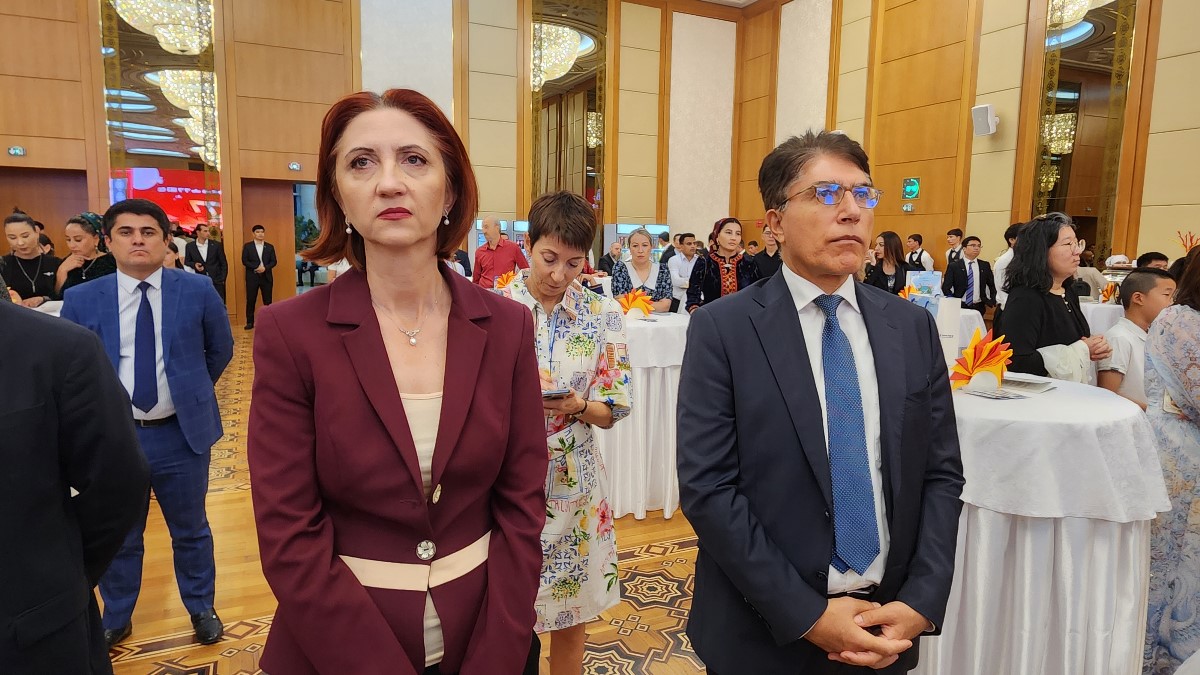
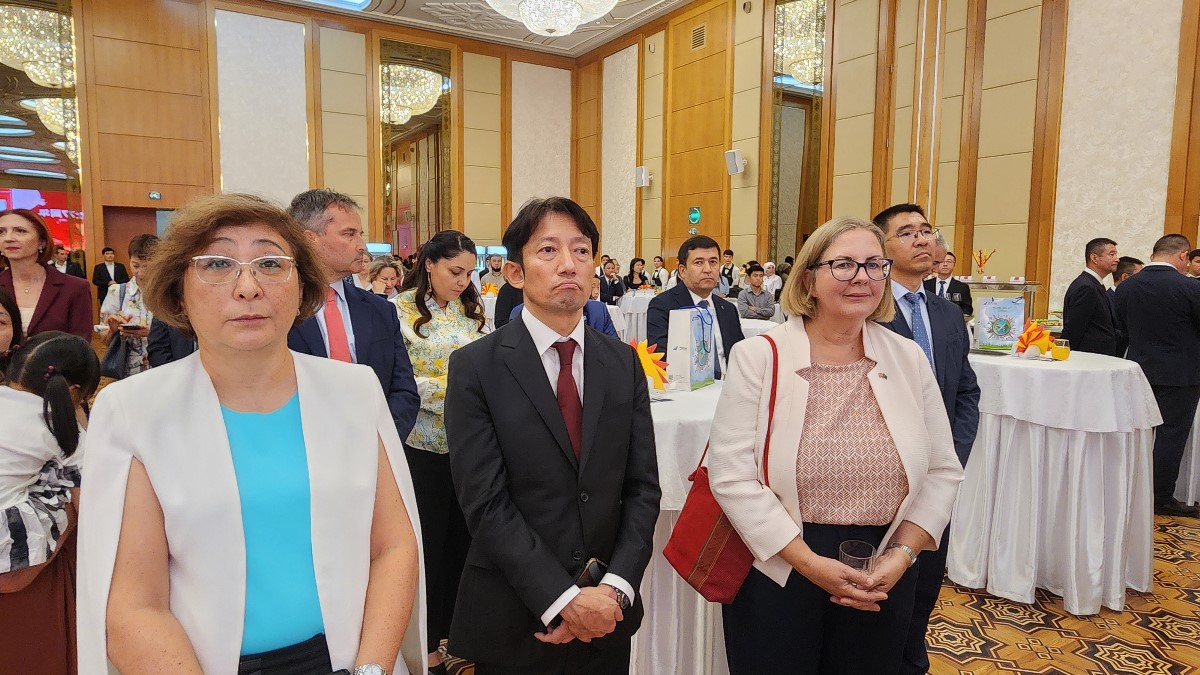
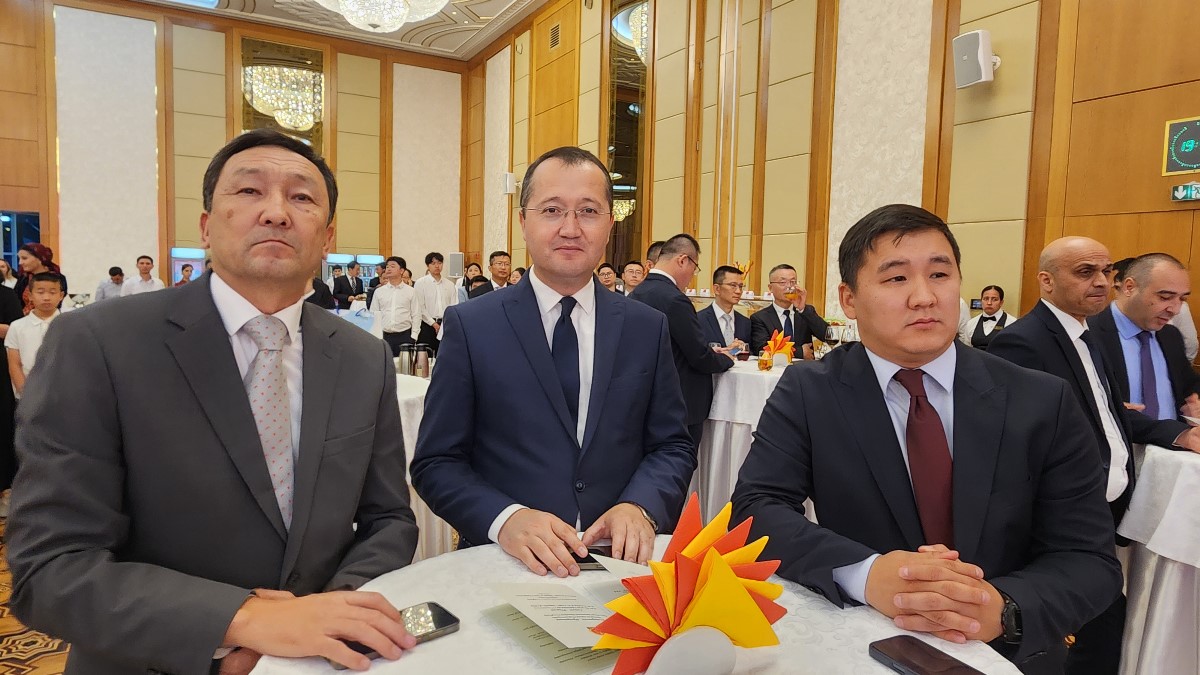
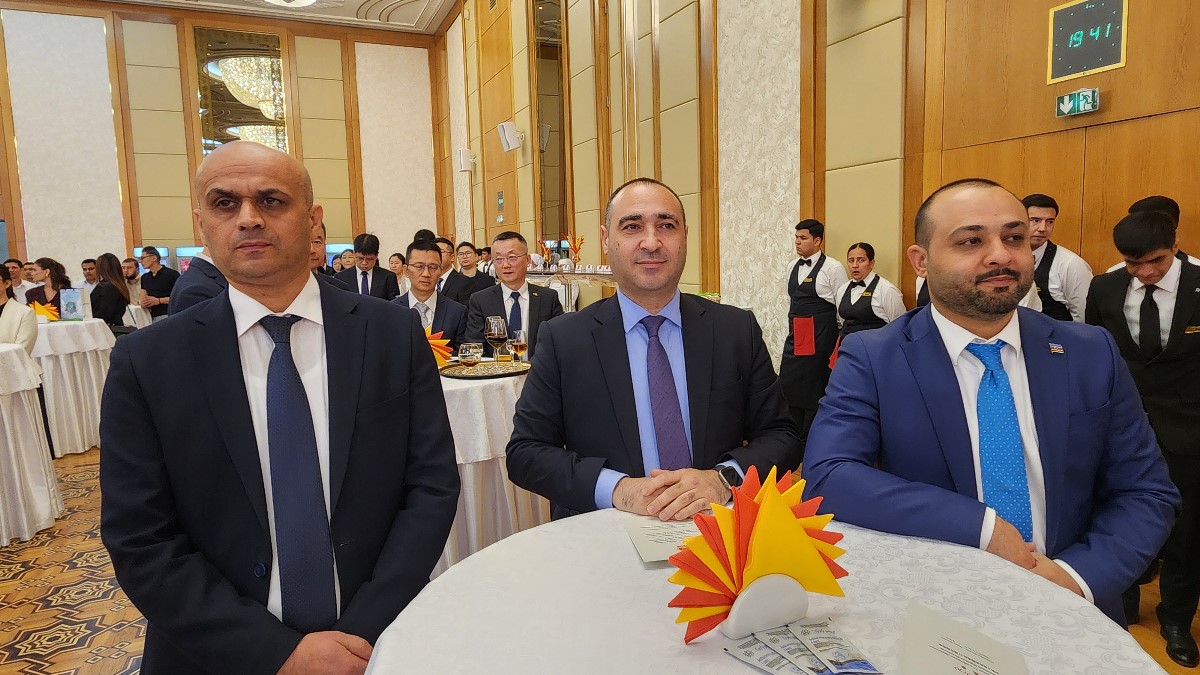
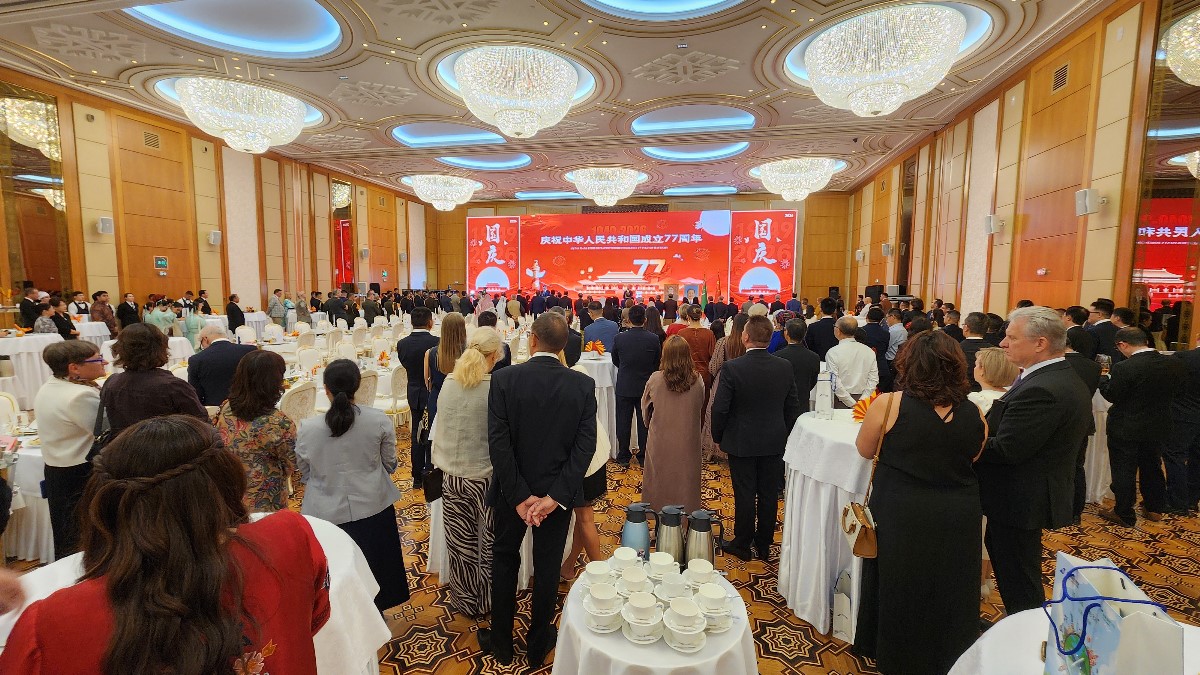
On 24 September 2026, the Embassy of the People’s Republic of China in Turkmenistan hosted a formal reception marking the upcoming 77th anniversary of the founding of the PRC.
The event featured an address by Ji Shumin, Ambassador Extraordinary and Plenipotentiary of China to Turkmenistan. The main guest representing the Turkmen government was Rashid Meredov, Deputy Chairman of the Cabinet of Ministers and Minister of Foreign Affairs.
The reception highlighted the longstanding friendship between Turkmenistan and China and provided an opportunity to review the progress of their extensive economic, social and humanitarian cooperation.
China’s Growth Drivers and Global Transformation: Key Points from Ambassador Ji Shumin’s Address
During his remarks, Ambassador Ji Shumin noted that 2026 marks the beginning of the implementation of China’s 15th Five-Year Plan. Despite challenging external economic conditions, China continues to demonstrate resilience and a commitment to high-quality growth.
In the first half of 2026, China’s GDP grew by 4.7% year on year, while foreign trade increased by 17.6% between January and August. The country’s foreign exchange reserves have remained above $3.4 trillion.
As the ambassador noted: “The significance of steady economic growth may not be particularly visible in ordinary years. However, against the backdrop of international energy shortages and serious disruptions to production and supply chains, China, as a mega-sized economy with an economic volume exceeding RMB 140 trillion (USD 1 ≈ RMB 6.74), continues to maintain steady development. This is of great significance not only to China itself, but also to the global economy. It provides a powerful accelerator and a stable anchor for the global economy, injecting valuable certainty into a world characterized by a high degree of uncertainty.”
China’s export structure is undergoing a qualitative transformation. The traditional “old trio” of exports — clothing, furniture and household appliances — has given way to the “new trio”: electric vehicles, lithium batteries and photovoltaic products.
Since last year, a “newest trio” has also gained momentum: artificial intelligence, robotics and innovative pharmaceuticals. The number of high-value invention patents in China has reached 2.36 million.
China’s installed photovoltaic capacity has reached 1.286 billion kW, surpassing coal-fired power generation capacity for the first time. China supplies 70% of global demand for wind power equipment and 80% of photovoltaic modules, contributing to a reduction of more than 60–80% in the cost of renewable energy worldwide.
The head of the Chinese diplomatic mission also highlighted Beijing’s global initiatives in development, security and civilizational dialogue, emphasizing their role as important international public goods.
Ashgabat and Beijing’s Strategic Partnership: Energy, Trade and Humanitarian Ties
Assessing the development of bilateral relations, Ambassador Ji Shumin described Turkmenistan and China as comprehensive strategic partners enjoying a high level of mutual trust.
Regular and trusting dialogue between the leaders of the two countries remains the foundation of their strategic partnership.
In 2025, Chinese President Xi Jinping met twice with President of Turkmenistan Serdar Berdimuhamedov. In March 2026, Xi Jinping met in Beijing with Gurbanguly Berdimuhamedov, National Leader of the Turkmen people and Chairman of the Halk Maslahaty, setting strategic priorities for future cooperation.
Important milestones in strengthening bilateral contacts also included the seventh meeting of the Turkmen-Chinese Cooperation Committee, held in Beijing in April, and the visit to Turkmenistan by Ding Xuexiang, Vice Premier of the State Council of China.
In his address, Rashid Meredov placed particular emphasis on the energy sector. “The flagship of our economic cooperation is, of course, the energy sector, in which we work together with our Chinese colleagues. Our joint activities are based on principles of integrity, transparency and mutual benefit, tested by time and confirmed by successful experience,” the Turkmen foreign minister stated.
The Chinese ambassador also highlighted the importance of energy cooperation: “Since coming into operation, the A, B and C lines of the China-Central Asia natural gas pipeline have maintained stable operation and played an important role in energy cooperation between China and Turkmenistan as well as among partners in the region. With the official launch of construction of the fourth phase of the Galkynysh Gas Field project, energy cooperation between China and Turkmenistan has entered a new stage with new opportunities.”
China has maintained its position as Turkmenistan’s largest foreign trade partner for 15 consecutive years. Meredov noted: “As the distinguished ambassador has already mentioned, the total volume of bilateral trade has remained at around US$10 billion annually for many years. In the first seven months of this year, bilateral trade exceeded US$6 billion.”
The two countries are expanding cooperation in railway transport, civil aviation and the development of East–West transit corridors. In Turkmenistan’s agricultural sector, trial cultivation of high-yield Chinese cotton varieties has been carried out for the first time.
Reflecting on the historical foundations of the partnership, Meredov emphasized: “Undoubtedly, our multifaceted ties, rooted deep in history and dating back to the times of the Great Silk Road, continue to acquire new substance and momentum year after year, drawing on the solid foundation of centuries-old friendship and equality.”
Humanitarian and educational exchanges are also developing dynamically. More than 9,300 Turkmen students are currently studying at Chinese universities. In Turkmenistan, approximately 1,000 students at nine higher education institutions and more than 6,000 schoolchildren at ten secondary schools are studying Chinese.
Important milestones in strengthening practical scientific and educational exchanges include the opening of the Luban Workshop at the Yagshygeldi Kakayev International University of Oil and Gas and a Traditional Chinese Medicine Centre at the Myrat Garryev State Medical University of Turkmenistan.
Ambassador Ji Shumin quoted a Chinese proverb, “Many hands make light work,” highlighting China’s aspiration to build a closer community with a shared future for humanity.
In conclusion, Rashid Meredov expressed confidence that the traditionally friendly relations between Turkmenistan and the People’s Republic of China would continue to develop and deepen dynamically in the spirit of mutually beneficial partnership, for the benefit of both countries and their peoples.
///nCa, 24 September 2026
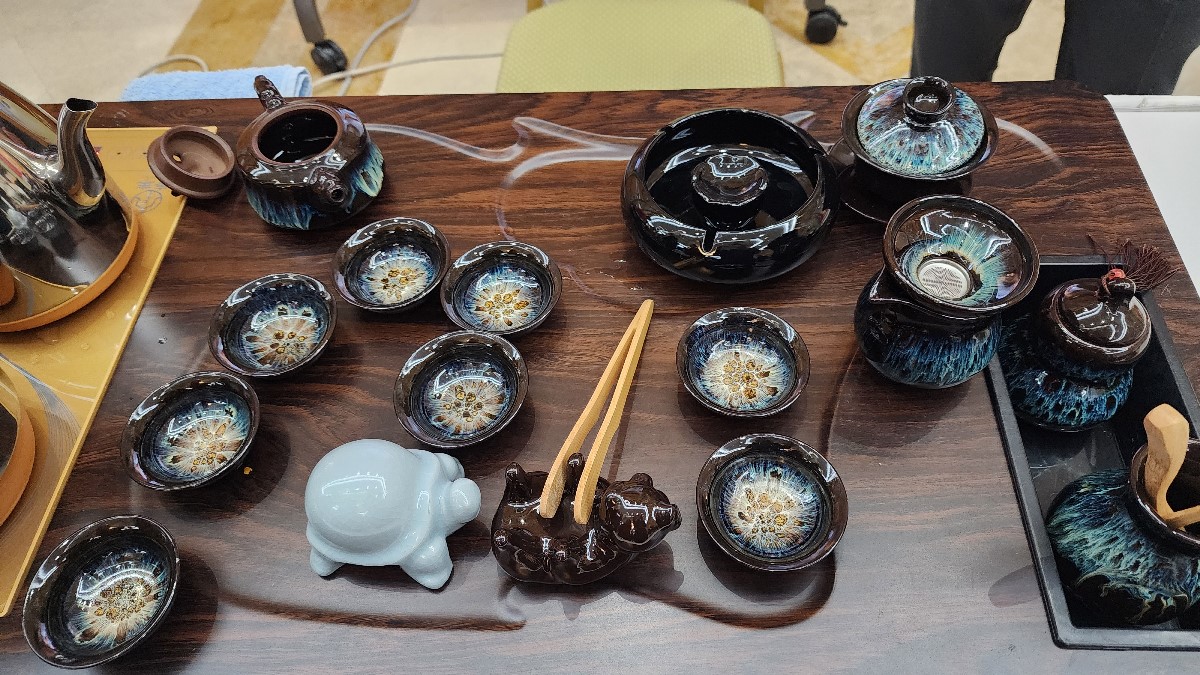
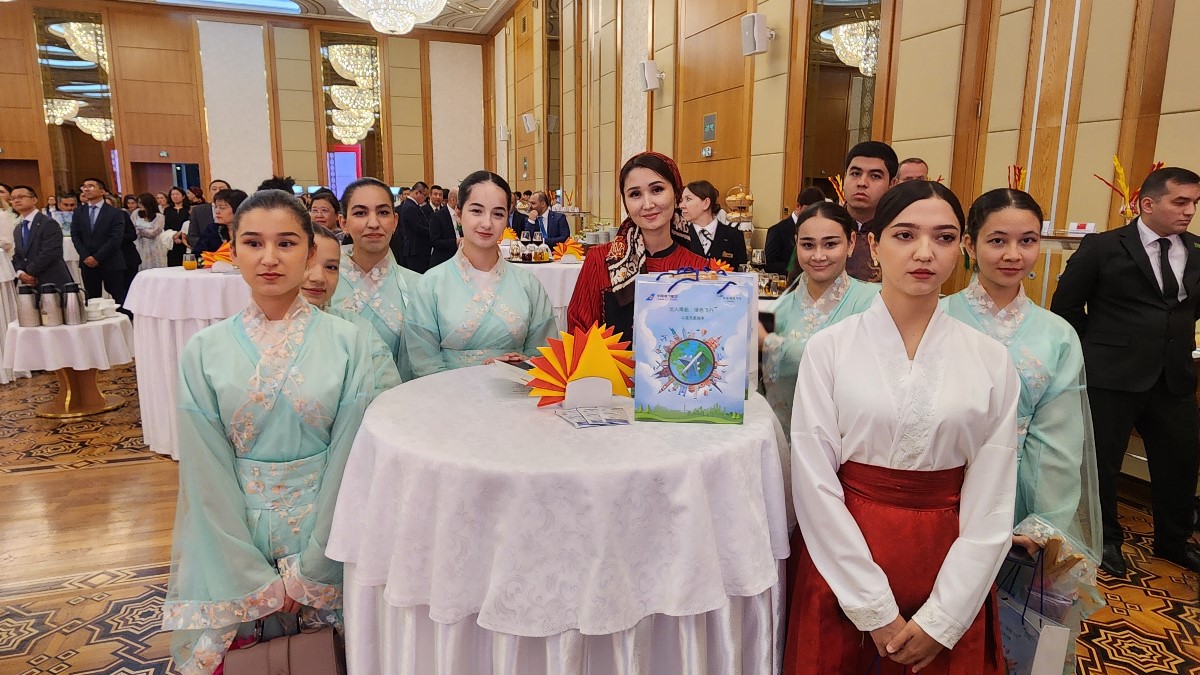
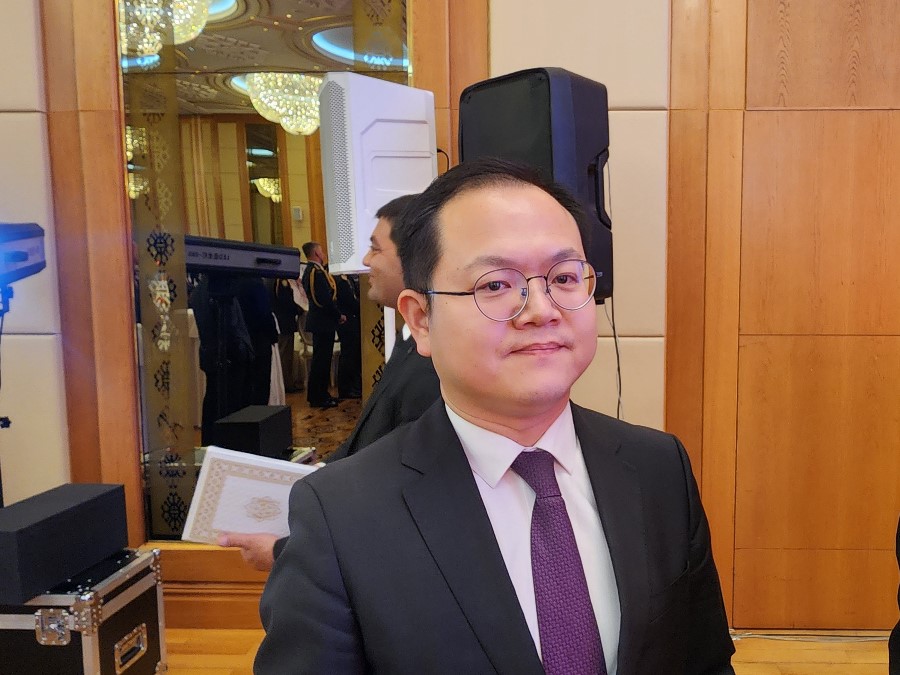
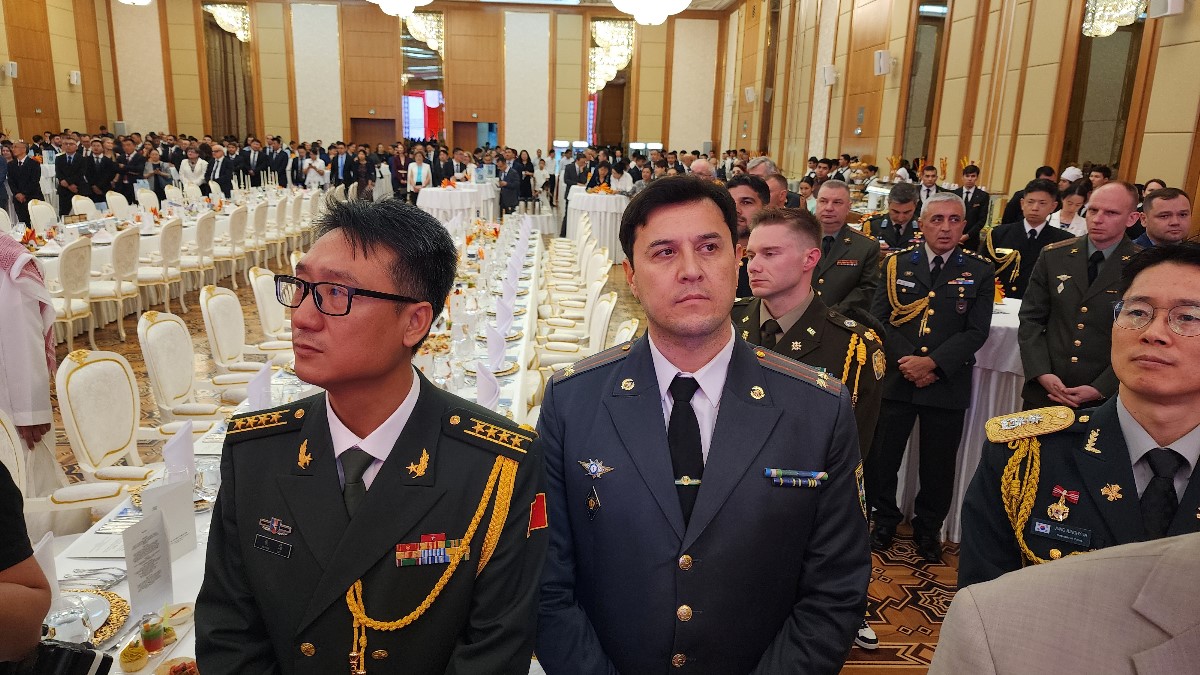
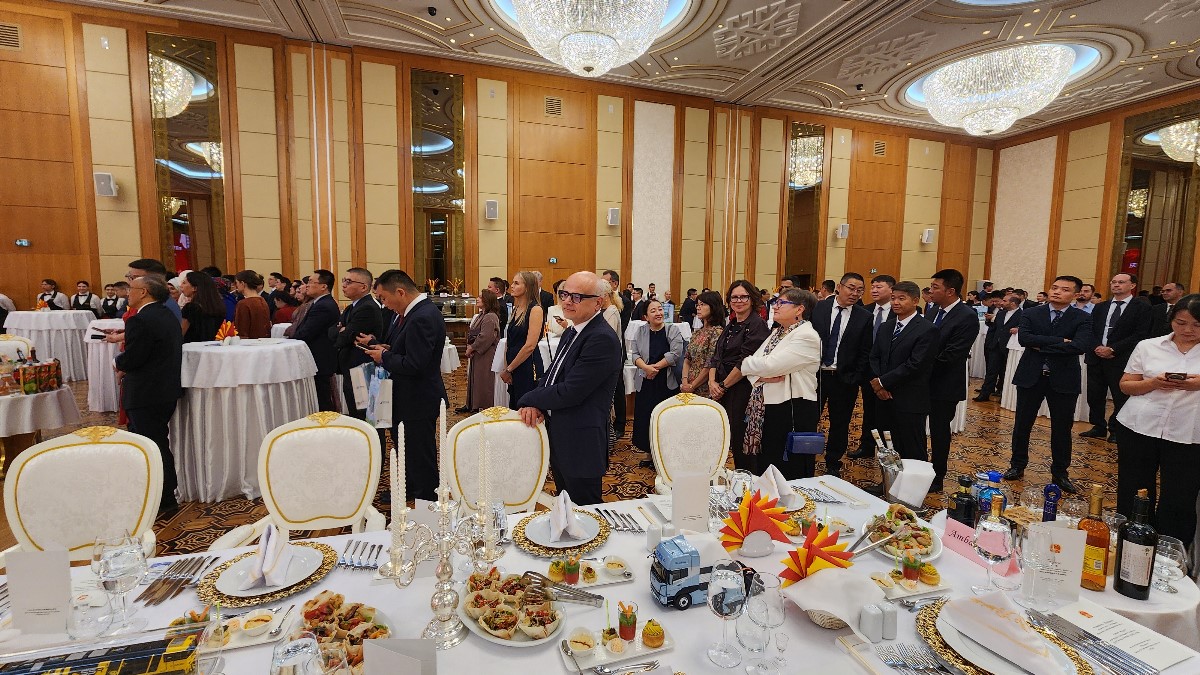
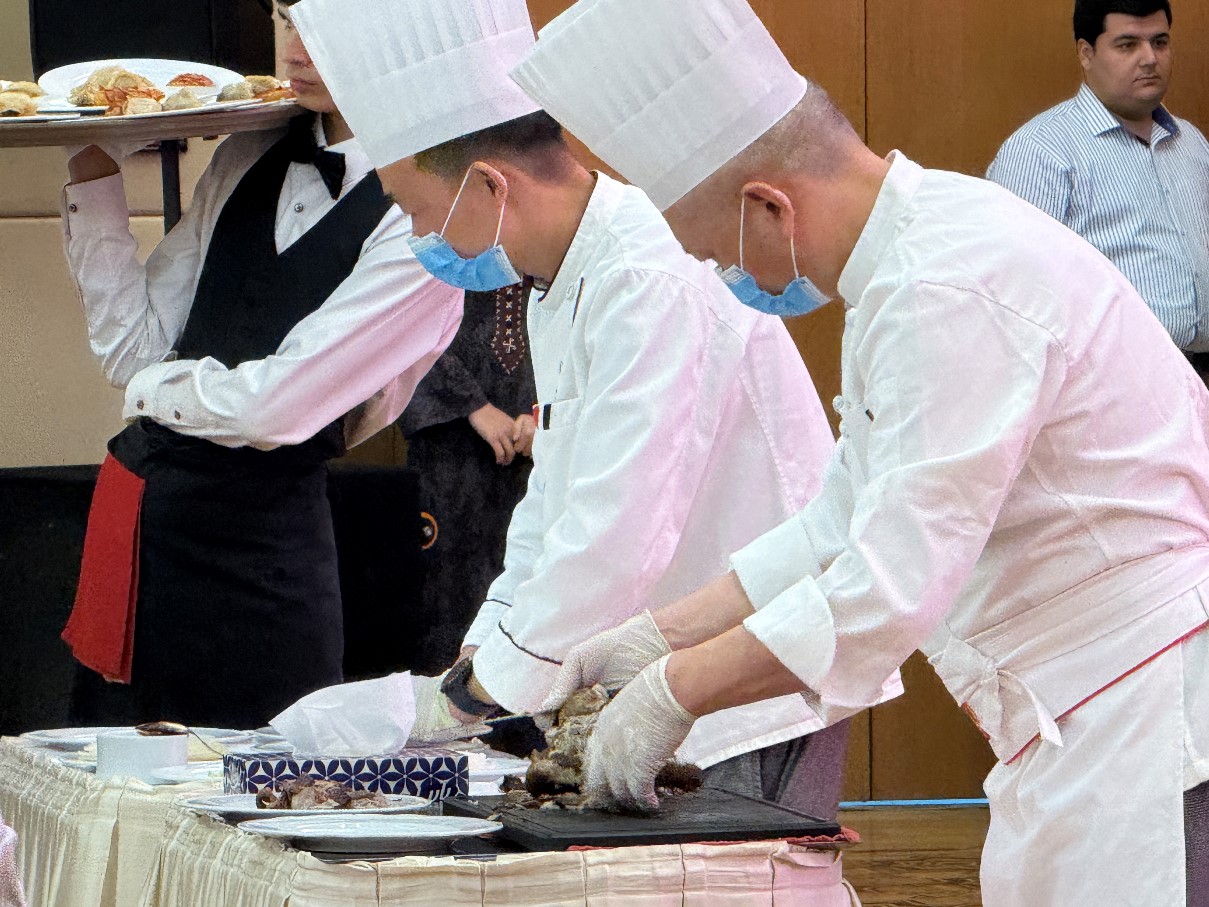
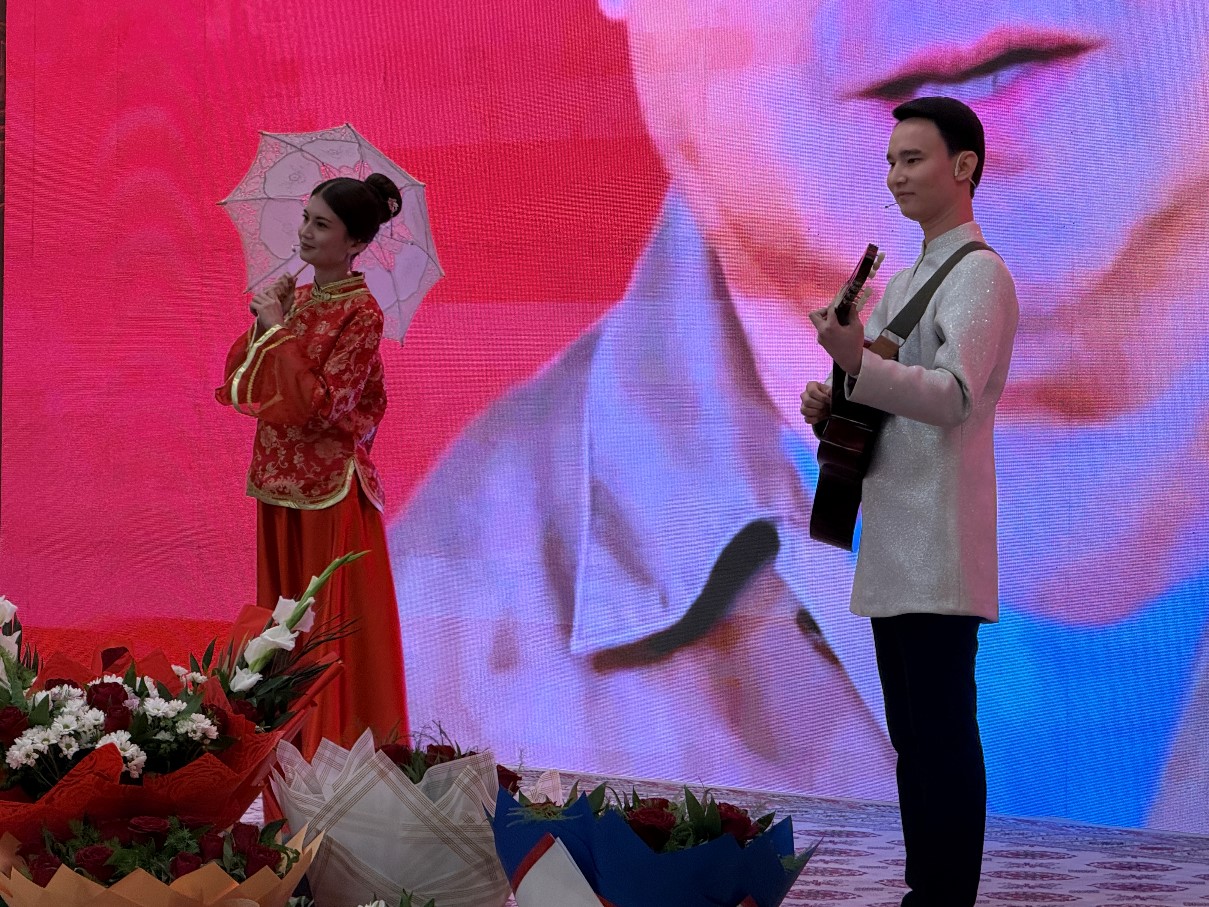
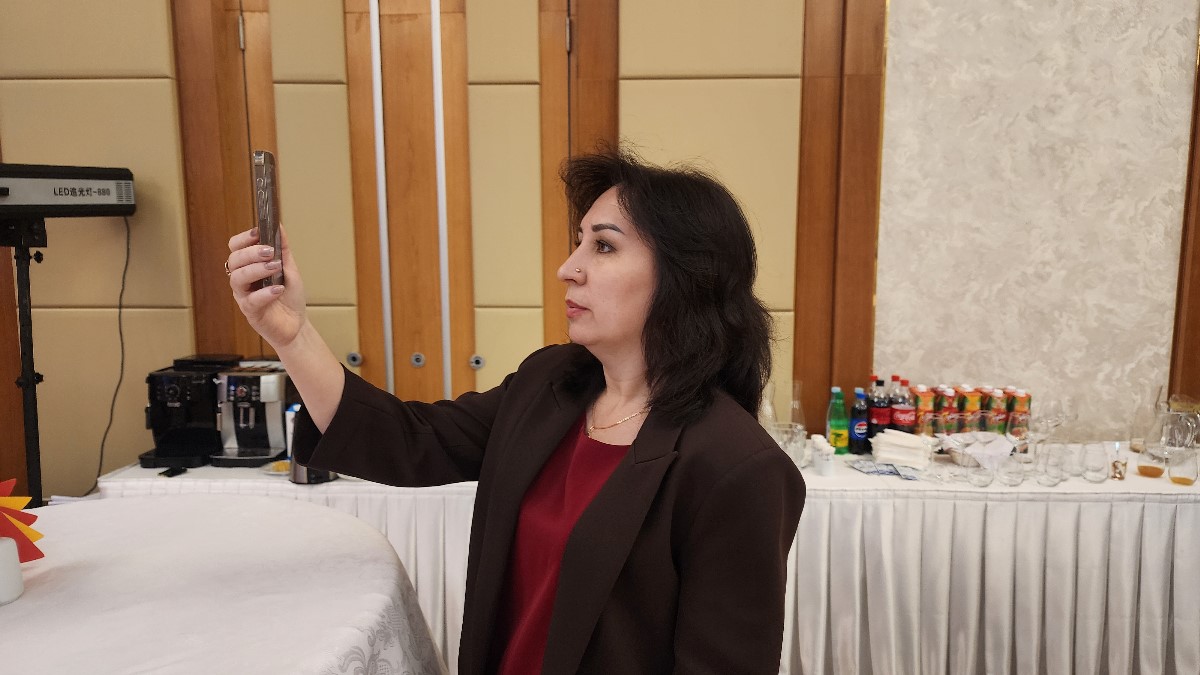
Here are photos from the reception: