


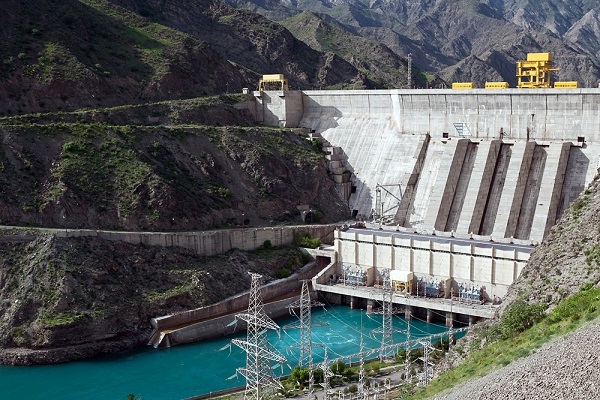
A significant new chapter in regional cooperation is unfolding in Central Asia, where Kazakhstan, Kyrgyzstan, and Uzbekistan have agreed to jointly develop a major hydropower facility, according to a report by Euronews.
The project, which will be built on the Naryn River in Kyrgyzstan, is expected to have a capacity of nearly 2,000 megawatts—placing it among the largest hydropower initiatives in the region. The scale alone signals not just an infrastructure effort, but a strategic alignment among the three countries on energy security and sustainable development.
At its core, the initiative reflects a shift in how Central Asian states manage shared natural resources. Historically, water and energy have been sources of tension between upstream countries like Kyrgyzstan and downstream states such as Uzbekistan and Kazakhstan. This joint venture suggests a move toward cooperative management, where benefits—electricity generation, water regulation, and economic returns—are shared across borders.
The hydropower plant is also part of a broader regional push toward cleaner energy. Kyrgyzstan, for instance, is simultaneously investing in smaller renewable projects and is expected to commission more than a dozen small hydropower plants in 2026 alone, adding over 80 megawatts to its grid. This layered approach—combining mega-projects with distributed generation—indicates a diversified strategy to reduce reliance on fossil fuels.
Beyond energy production, the project carries geopolitical weight. Large-scale infrastructure cooperation of this kind was once difficult to imagine in Central Asia, where competing national priorities often hindered joint ventures. The current alignment suggests a maturing regional framework, possibly influenced by shared concerns over climate change, water scarcity, and the need for economic integration.
If successfully implemented, the hydropower plant could become a cornerstone of a regional energy network, improving electricity supply stability and enabling cross-border power trade. At the same time, it may serve as a model for future cooperation on other transboundary resources.
While many technical, financial, and environmental questions remain, the agreement itself marks a notable shift: from fragmented national approaches to a more collective vision for Central Asia’s energy future. /// nCa, 28 April 2026