


Elvira Kadyrova, Şanlıurfa, Türkiye
There are journeys that change not only the geography around you, but also your sense of time and your perception of history.
For journalists from Turkmenistan, Azerbaijan and Kazakhstan, a trip to Şanlıurfa proved to be such a journey. During our day in the city, it felt as though we had stepped into a time machine. Just a few hours earlier, we had been surrounded by aircraft, drones, robots and other technologies of the future at TEKNOFEST 2026 in Şanlıurfa. Now we were heading in the opposite direction — not forward, but thousands of years back, into Upper Mesopotamia, to the roots of human civilisation.
Here, in the lands between the Euphrates and the Tigris, the past is not simply preserved in museums. It continues to live in cities, legends, religious traditions and archaeological sites.
Our route took us through Şanlıurfa — a city known in Türkiye as the “Land of Prophets” — and eventually to one of the world’s most enigmatic archaeological sites, Göbekli Tepe.
Şanlıurfa — where history meets legend
Şanlıurfa is located in a region traditionally associated with the Fertile Crescent, one of the most important areas of the ancient Near East. It was here that some of the earliest farming societies emerged, trade routes developed, settlements took shape and religious centres appeared.
But for the people of Şanlıurfa, the significance of the city extends far beyond archaeology.
The city is associated with several prophets known to Islamic, Jewish and Christian traditions, most notably the Prophet Ibrahim, or Abraham.
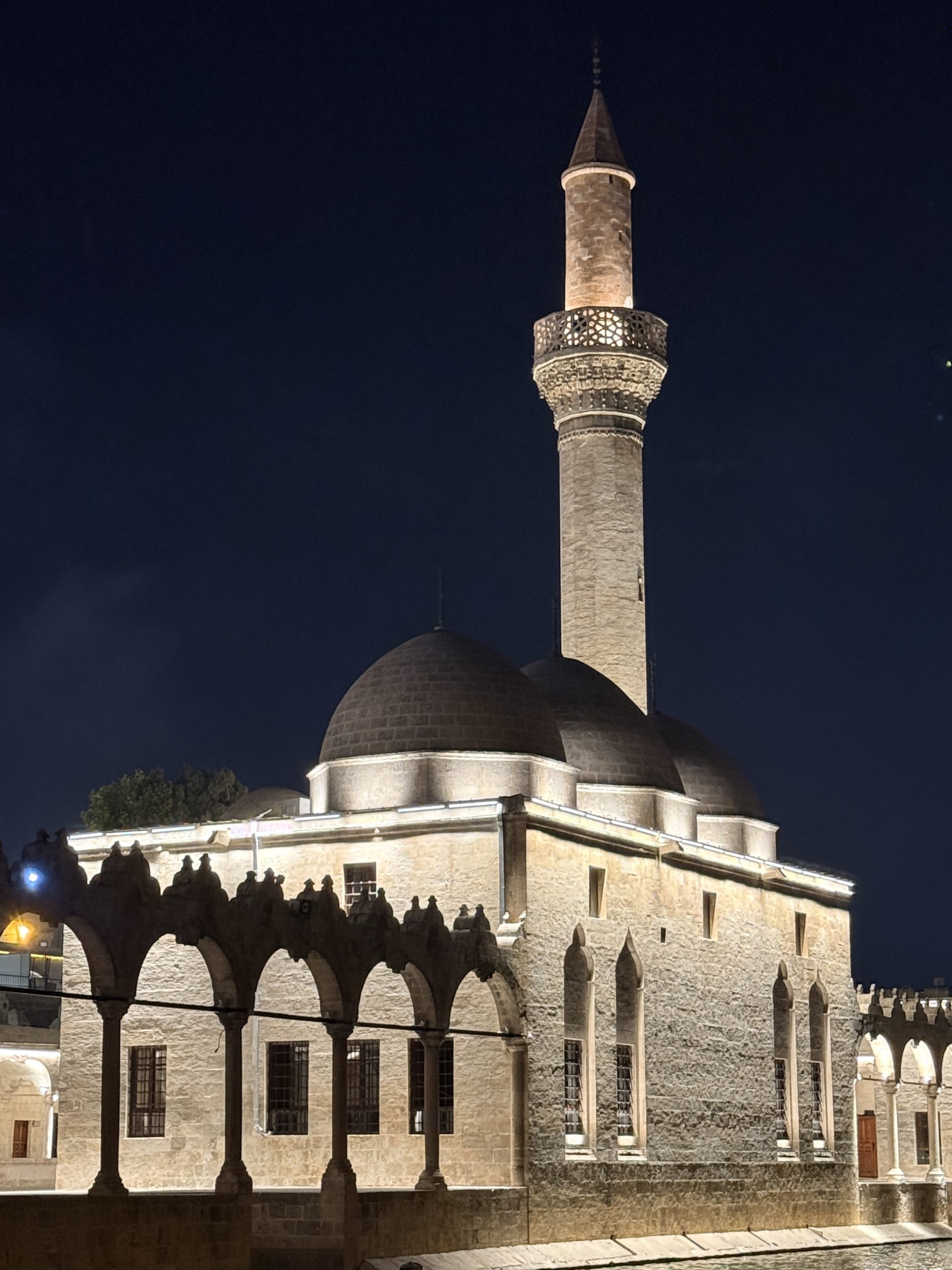
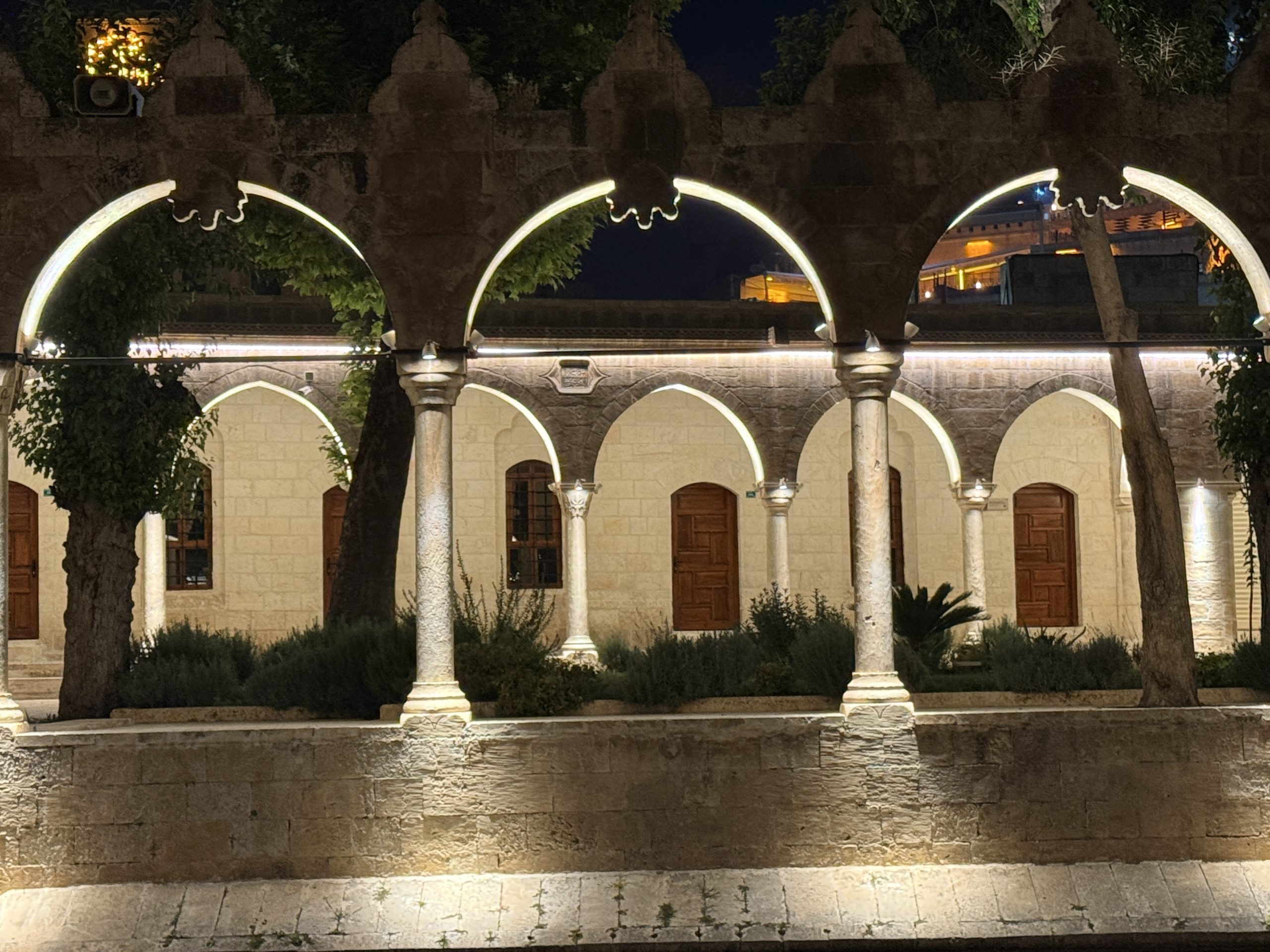
In the centre of Şanlıurfa lies the Dergâh complex, next to a cave traditionally regarded as the birthplace of Ibrahim. Nearby is Balıklıgöl — the “Fish Lake” — one of the city’s best-known landmarks.
According to local tradition, this was where Ibrahim challenged idolatry and destroyed idols. The ruler Nimrod ordered him thrown into a fire. But a miracle occurred: the fire turned into water, while the burning logs became fish.
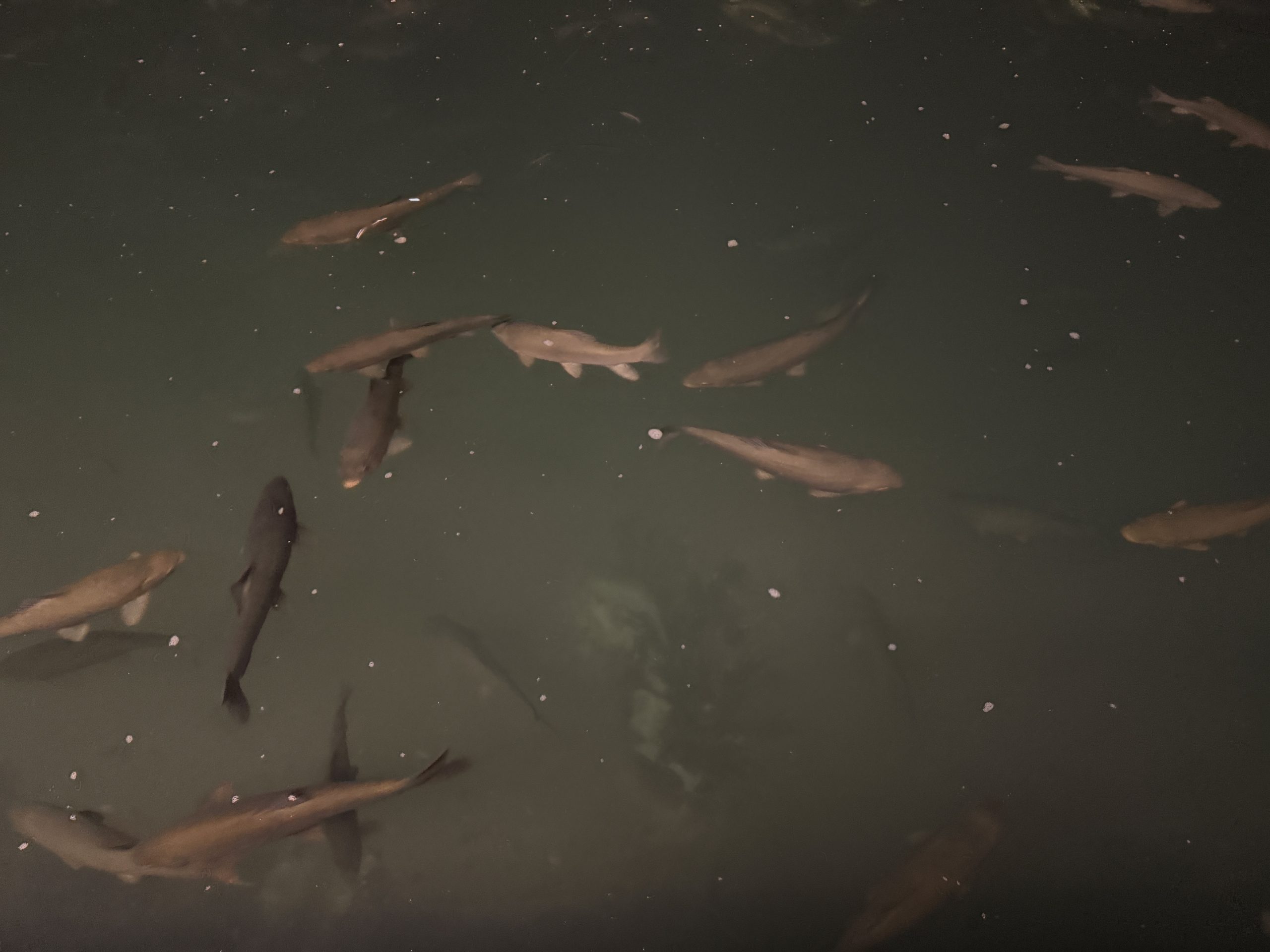
Today, the fish of Balıklıgöl are considered sacred, and visitors can see them swimming in the lake’s clear waters.
According to local legend, seeing a white fish is a sign that one may make a wish. Visitors can also feed the fish while thinking of something they deeply desire. The legend says the wish will come true.
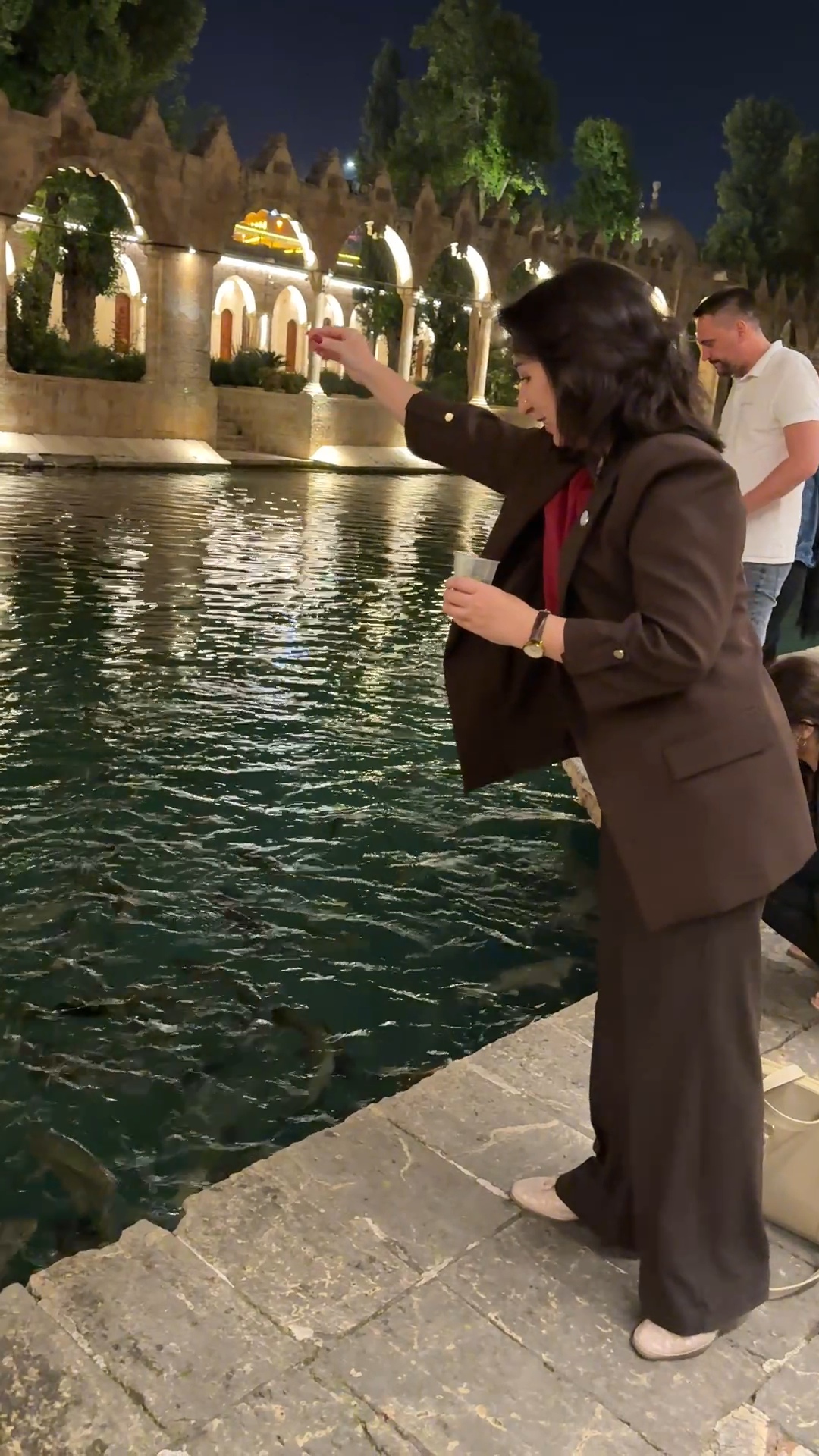
For someone visiting Şanlıurfa for the first time, it is particularly striking to see how an ancient tradition has become part of modern urban life. History is not separated from everyday life here — it is reflected in place names, customs, cuisine and the way people relate to their city.
In Şanlıurfa, Ibrahim is also known as Khalil — “Friend of God”. The image of the prophet has become closely associated with the city’s tradition of hospitality.
Göbekli Tepe: A site that challenges the conventional story of history
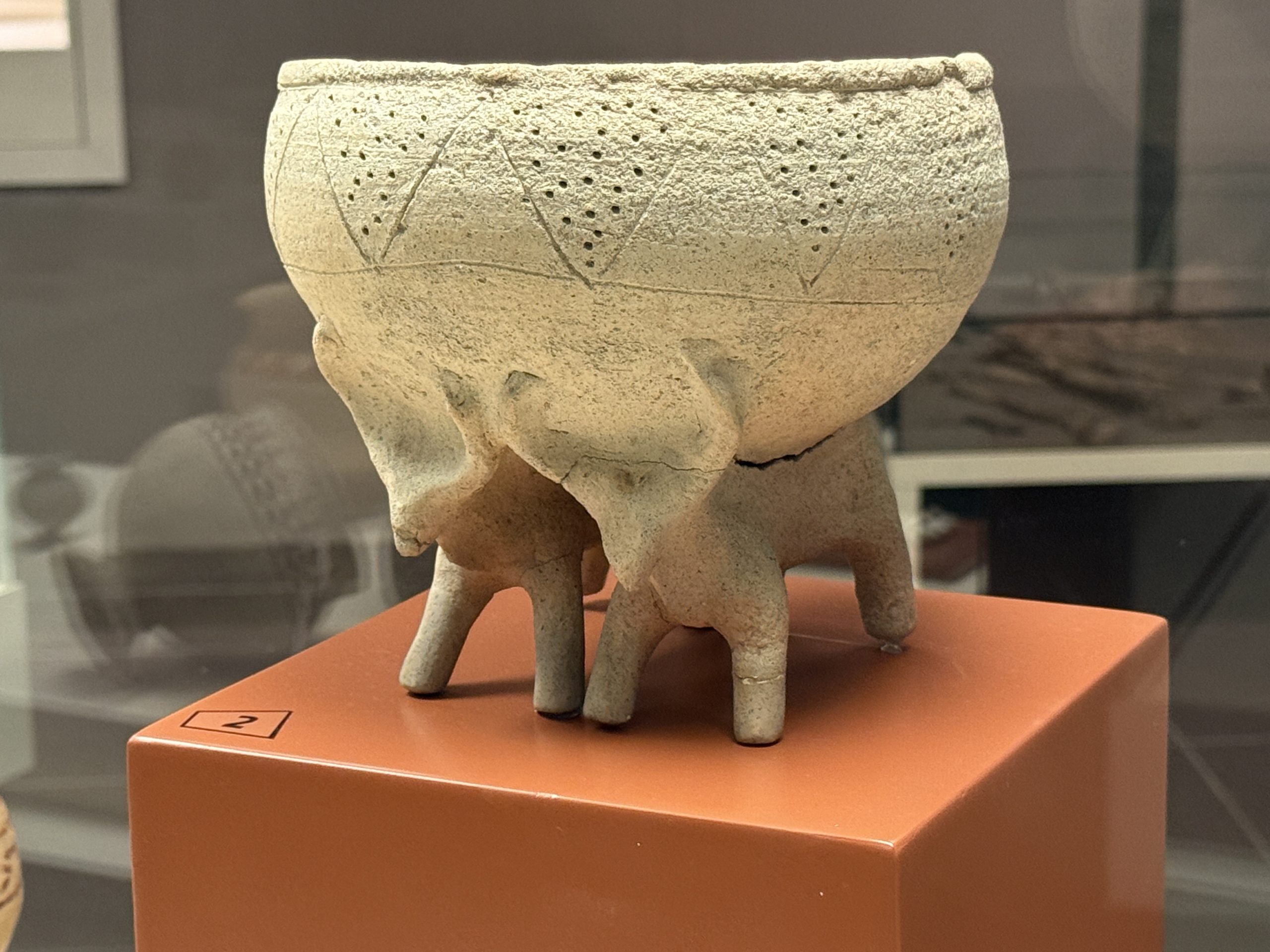
On the way to Göbekli Tepe, our guide, Ramazan, gradually immerses us in a story that began long before writing, cities and our familiar ideas of civilisation.
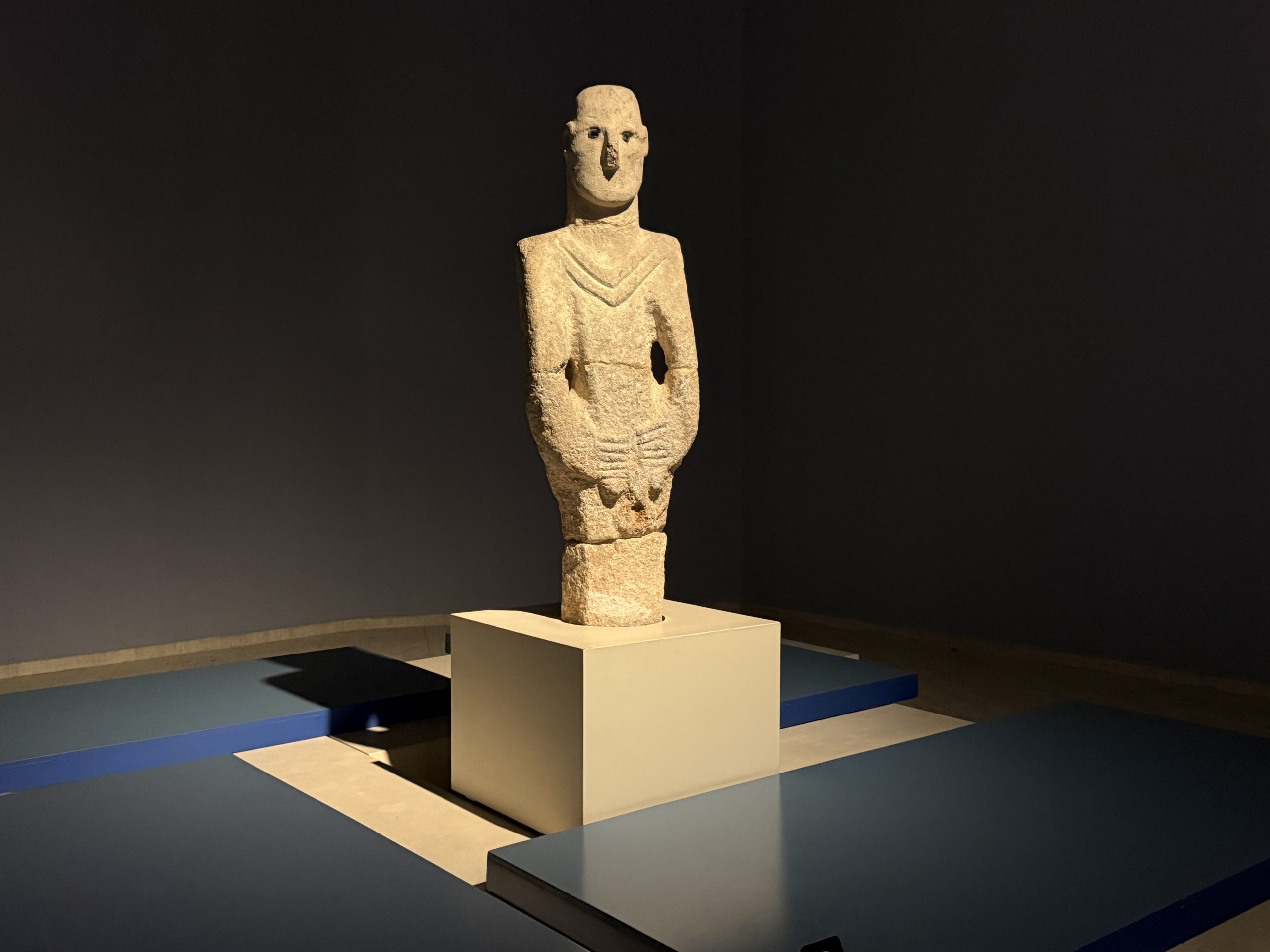
We are travelling through the land of ancient Mesopotamia — the territory between the Euphrates and the Tigris, widely regarded as one of the major centres of early human development.
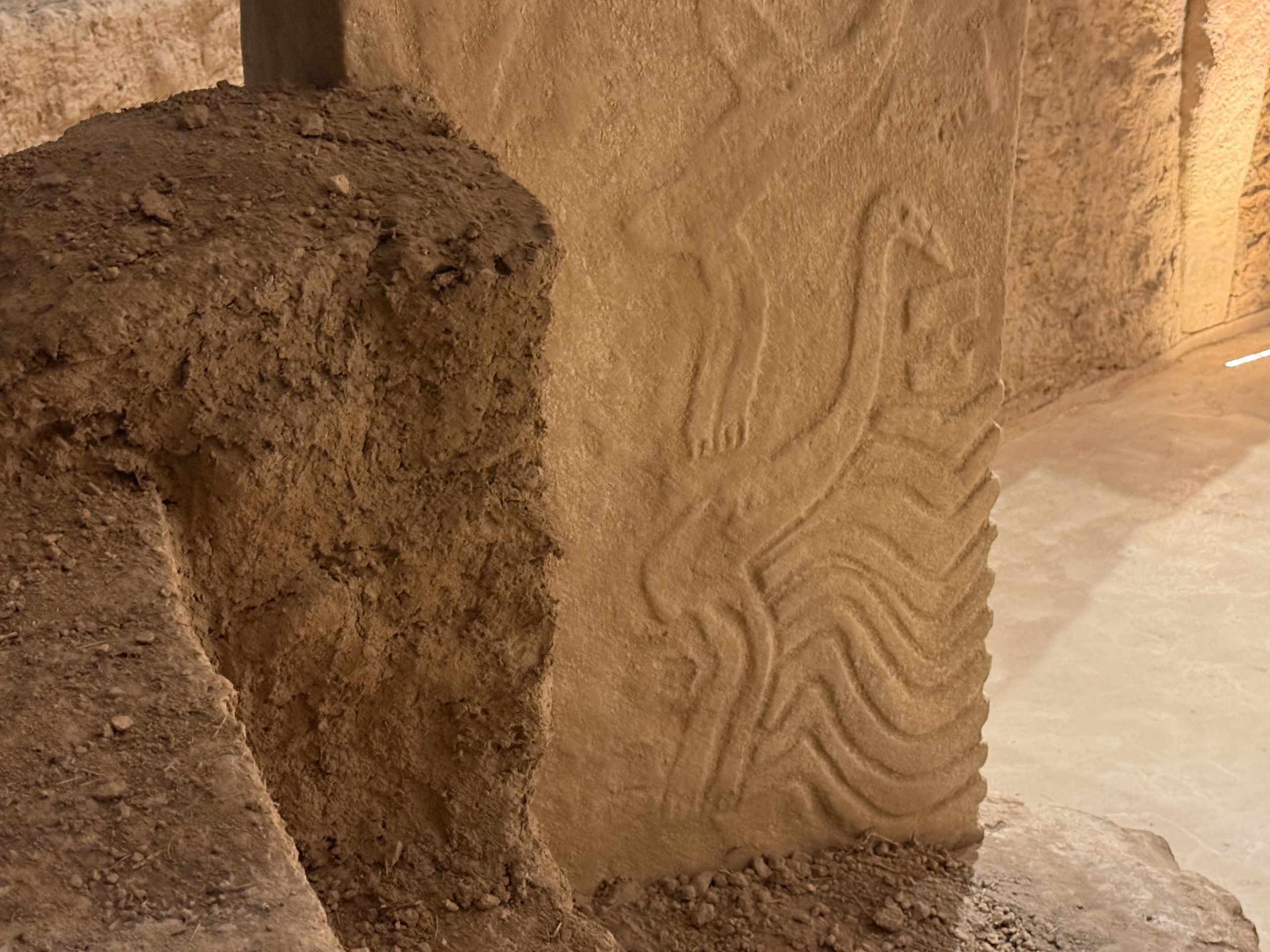
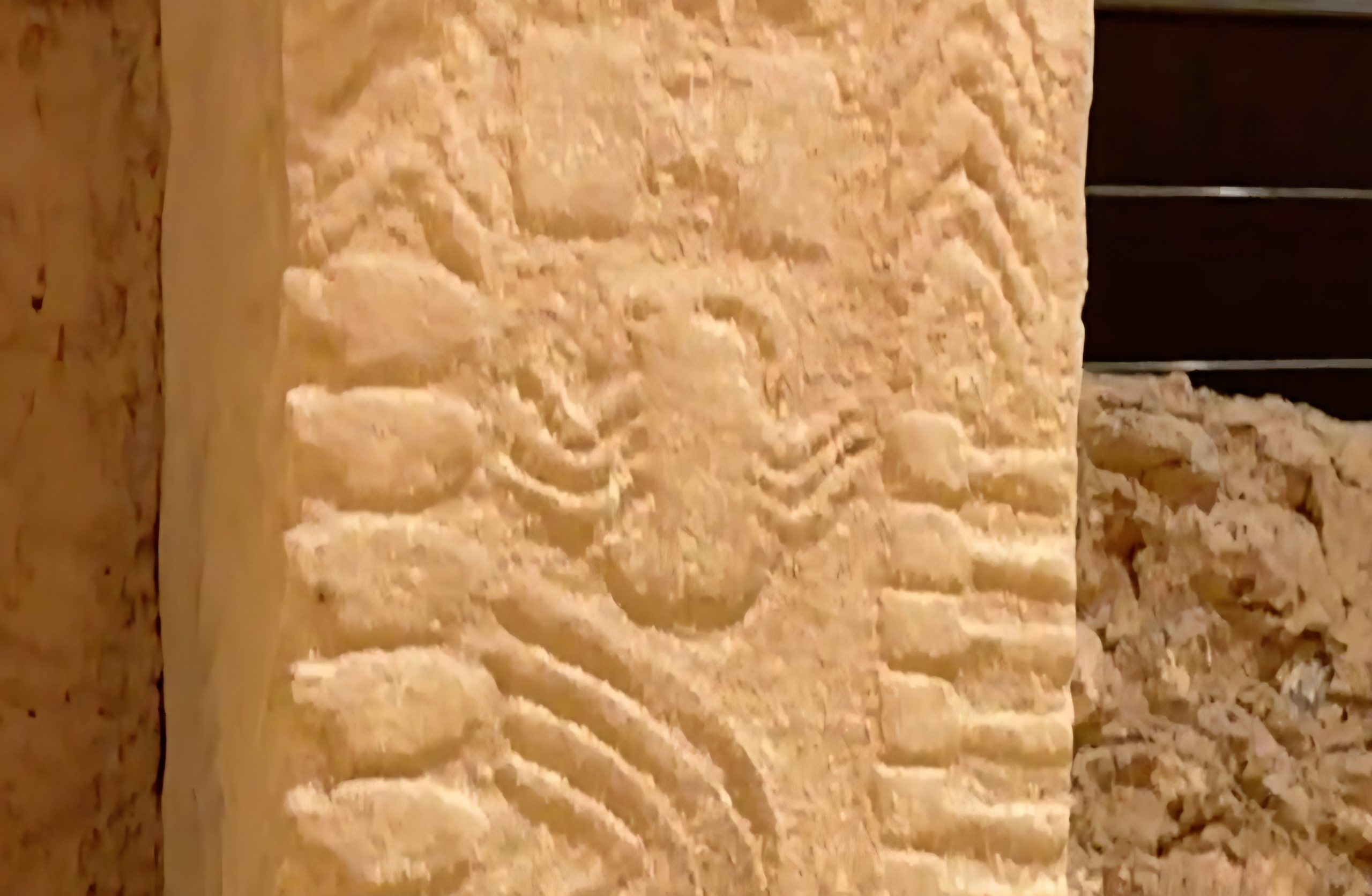
Şanlıurfa and its surroundings no longer seem like simply a geographical location. This is a place where archaeology meets ancient traditions and where the history of human settlement stretches back thousands of years.
Our guide also tells us about the Prophet Enoch, known in Islamic tradition as Idris. Local historical traditions associate his name with the development of the earliest cities. Urfa — known at different periods as Orhai, Urhai and Edessa — is also connected with numerous stories of this kind.
But today, we are interested in another story — one that can literally be seen in stone.
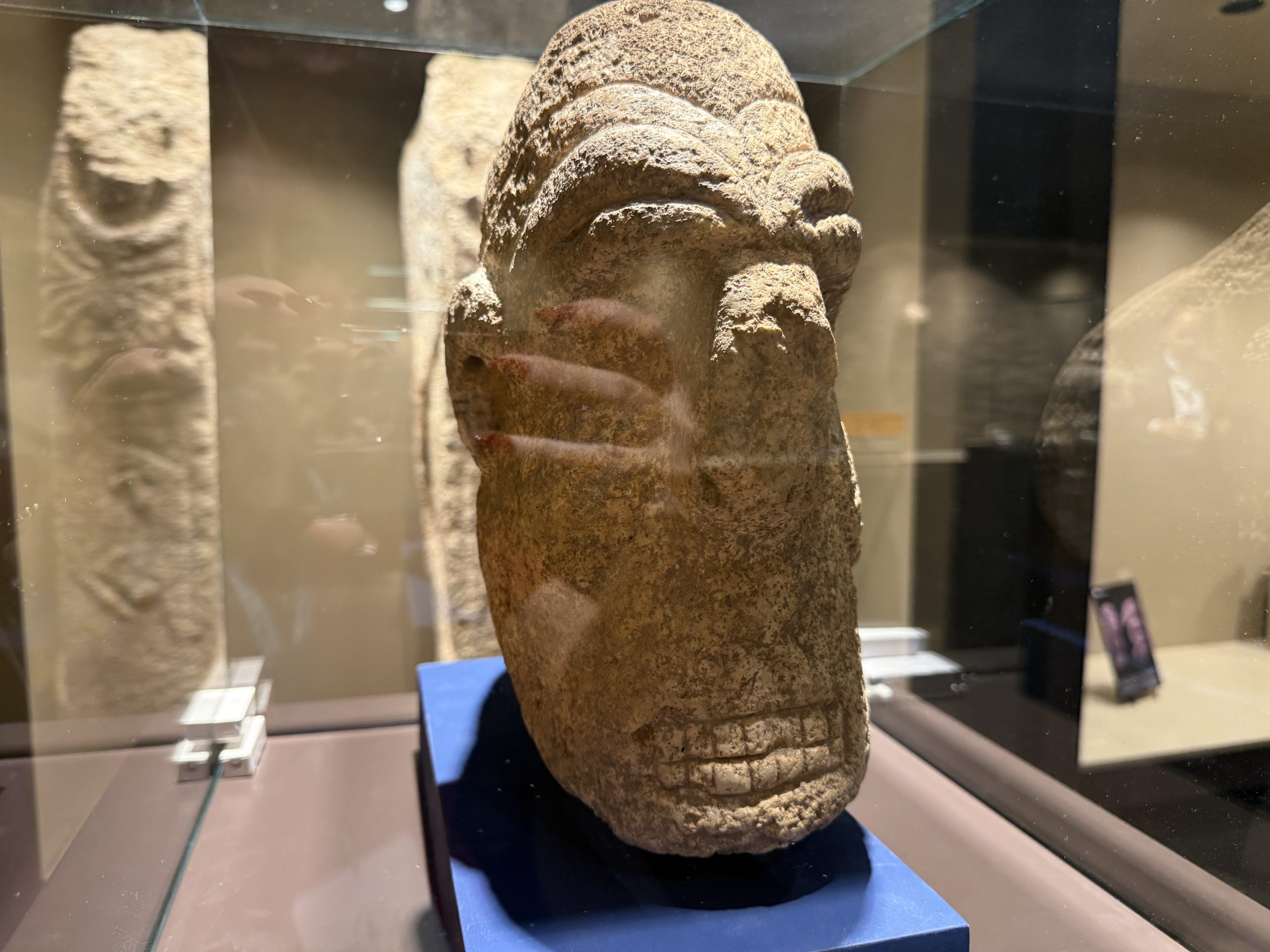
Findings in the Şanlıurfa region, above all at Göbekli Tepe, have prompted archaeologists to reconsider one of the fundamental questions of human history: how did people move from a mobile hunter-gatherer way of life towards permanent settlement and increasingly complex societies?
Until relatively recently, the conventional sequence seemed straightforward.
First, humans hunted animals and gathered plants. Then they began settling in permanent communities, building small settlements, cultivating crops and domesticating animals. Villages emerged, followed by cities — and only later, it was assumed, did monumental ritual structures appear.
Göbekli Tepe challenged this sequence.
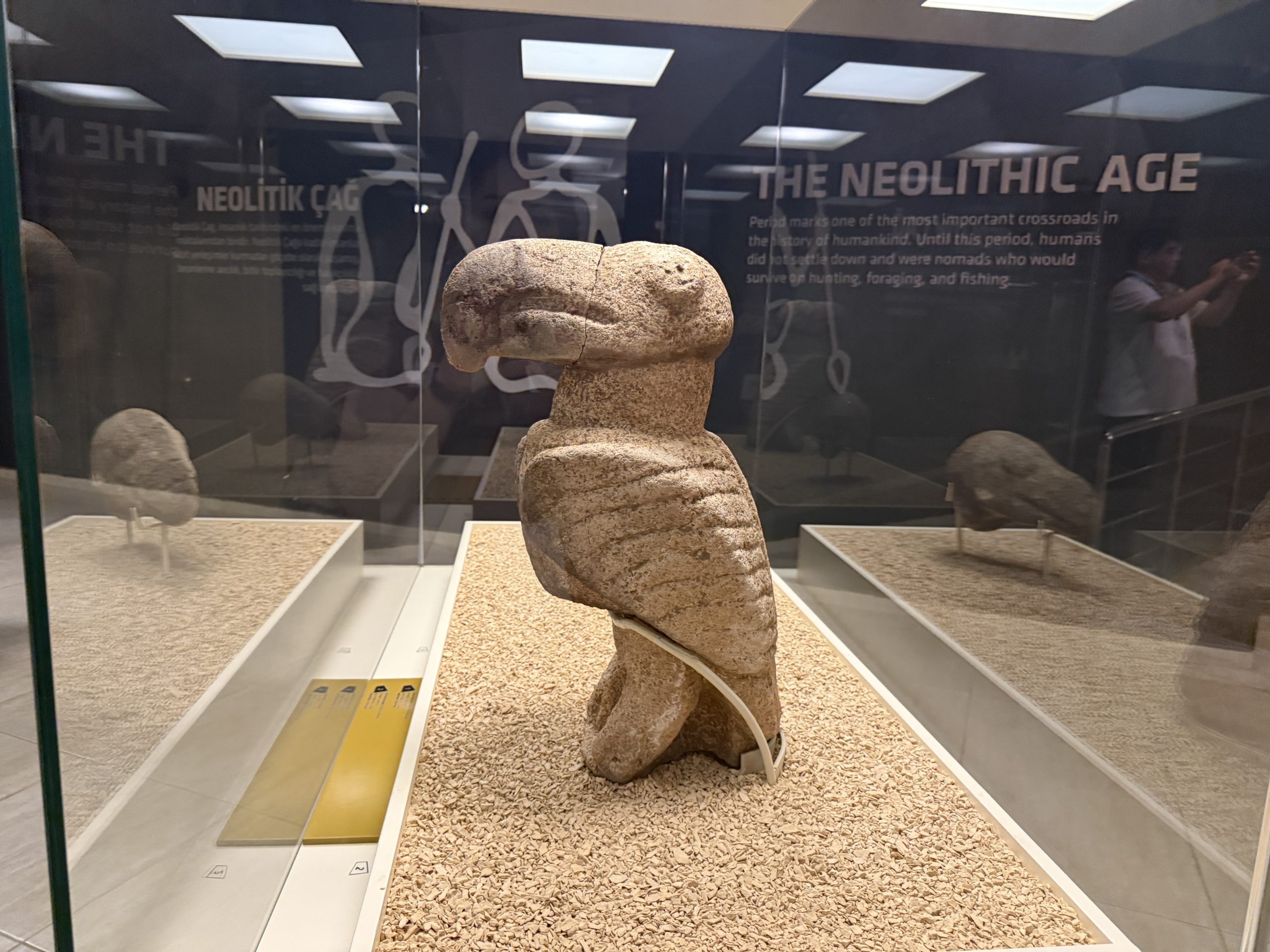
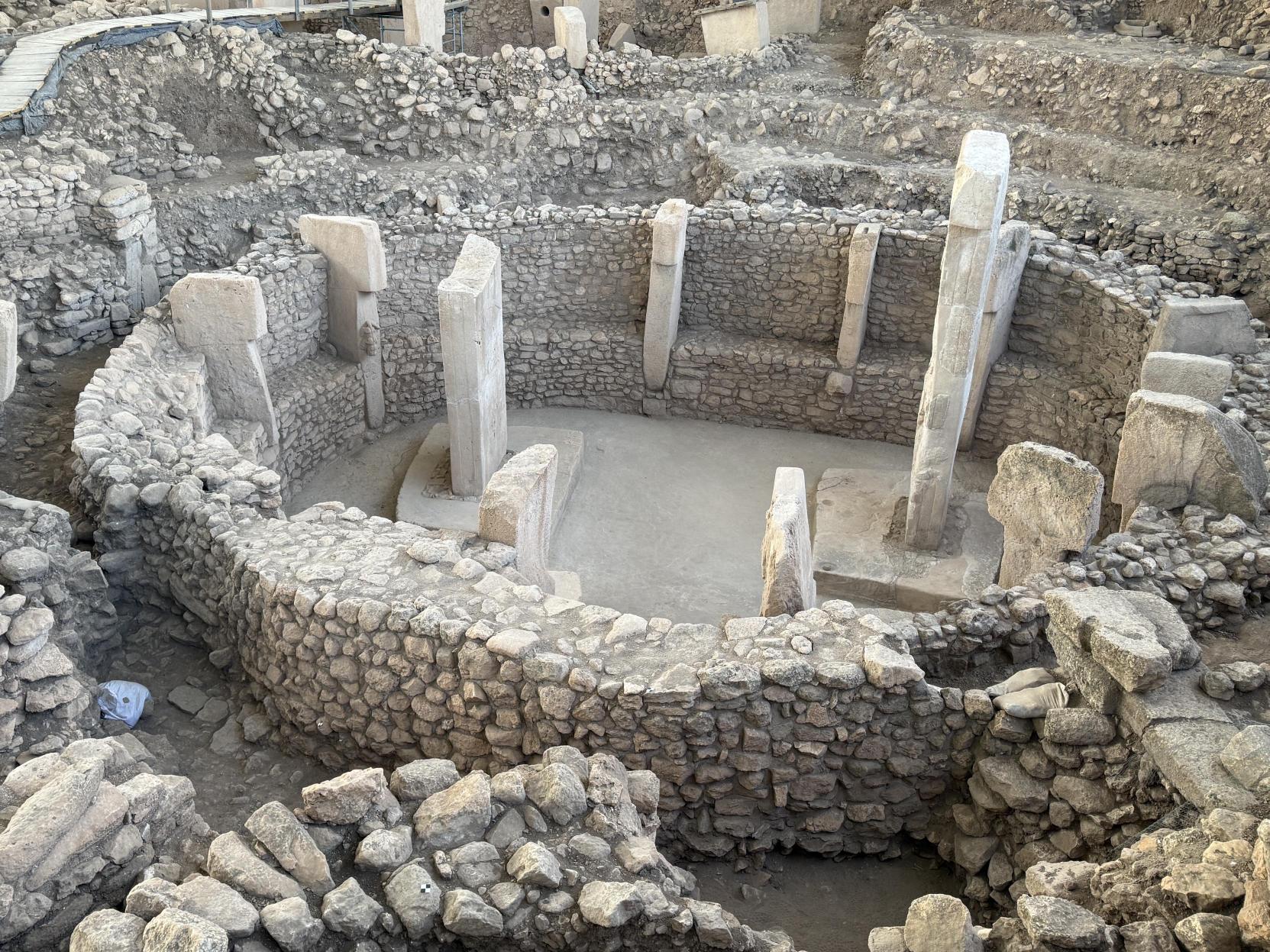
On this hill in the landscape of Upper Mesopotamia, people were creating monumental stone structures around 12,000 years ago, during the Pre-Pottery Neolithic — long before the widespread use of pottery and metal.
These are not simply large stones.
They are T-shaped megaliths, some several metres high and weighing many tonnes. They are decorated with carvings of animals — snakes, scorpions, bulls, birds and other creatures. The reliefs are so expressive that they can appear almost three-dimensional.
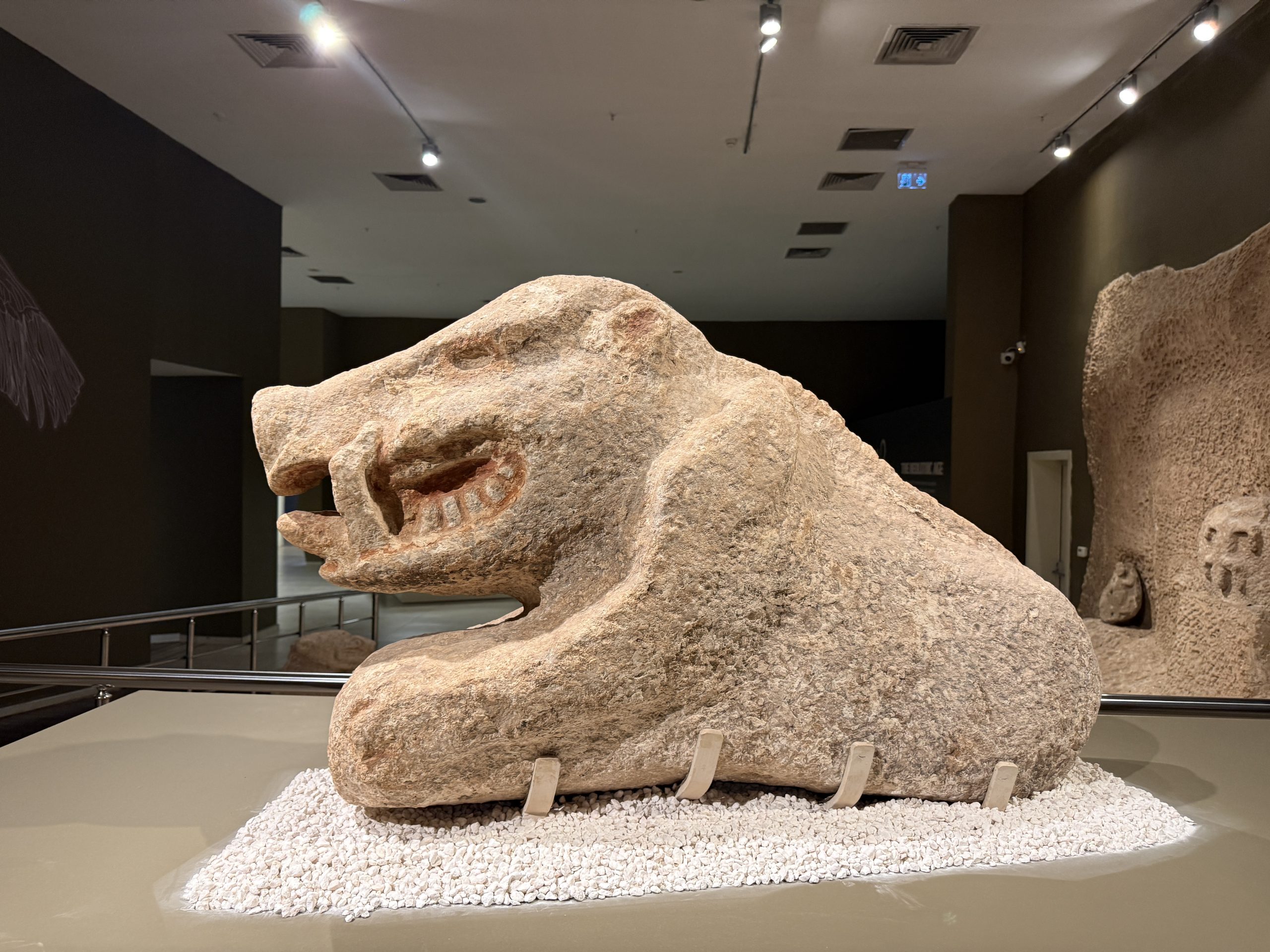
And a natural question immediately arises: why would people who did not yet have metal or the wheel undertake the construction of such monumental structures?
For a long time, Göbekli Tepe was viewed primarily as a ritual or ceremonial centre. More recent research has broadened that picture. Archaeologists continue to investigate the relationship between the monumental structures, nearby settlements, economic activity and the way of life of the people who lived in this landscape.
That is why simply describing Göbekli Tepe as a “temple” would be an oversimplification today.
Standing among these massive stones, our imagination naturally begins to wander as well. Could the site have served purposes that we do not yet fully understand? Was it a place of ritual and sacrifice? Or are we simply projecting modern ideas onto a world whose logic remains largely unknown?
Our guide draws our attention to another detail.
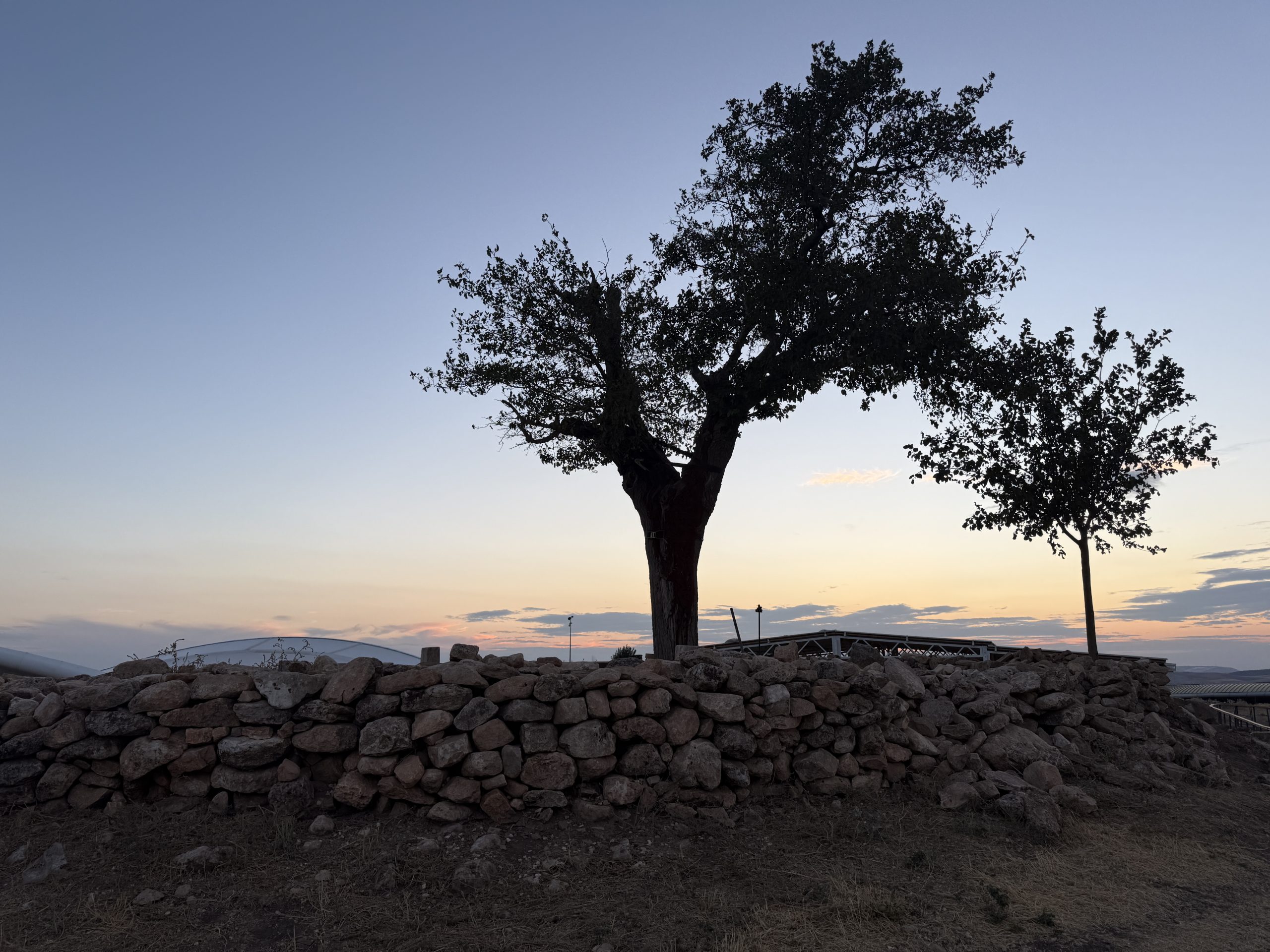
An old mulberry tree has survived on the site. Long before modern archaeological excavations began, local people would come here to pray, make wishes and ask for children. During the excavations, archaeologists also discovered imagery associated with the human figure and birth.
For science, these are archaeological materials to be studied and interpreted. For local residents, they represent a remarkable continuity of place.
There is something almost paradoxical about it: people continued coming here thousands of years after the ancient structures had been abandoned, without knowing that they were standing beside one of humanity’s most important archaeological sites.
But why did its builders leave?
There is no definitive answer yet.
Archaeologists have proposed various hypotheses, including explanations related to changes in the environment and climate. There is also evidence suggesting that some structures may have been deliberately filled in or covered before the site was abandoned. The reasons and circumstances surrounding this process, however, remain under investigation.
And this is where the site acquires a genuine sense of mystery — even, at times, of the almost mystical.
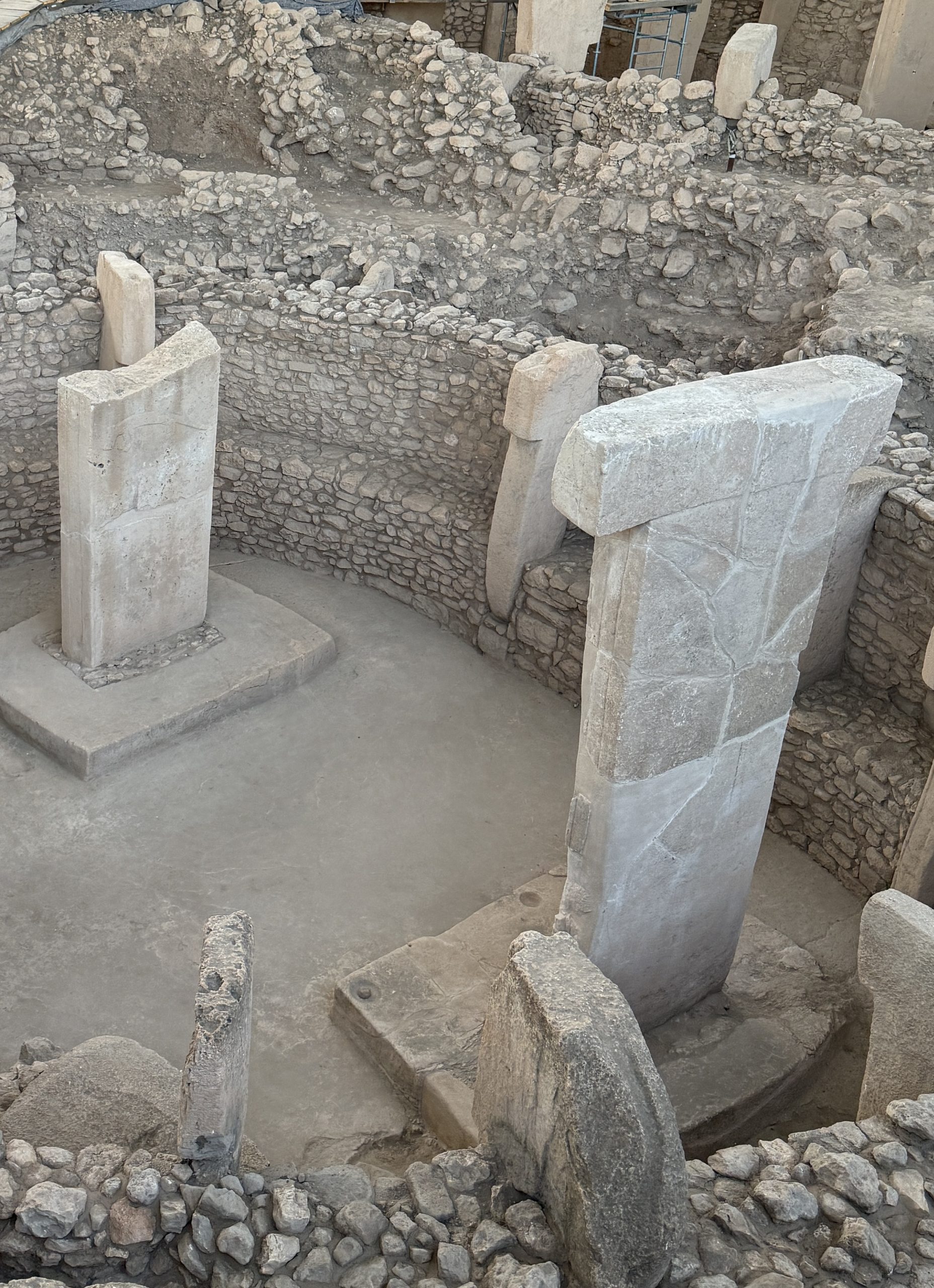
We know what these people built. We can see how they built it. We can estimate when it happened. But we still cannot say with certainty what their ultimate purpose was.
Göbekli Tepe has therefore been described as a “zero point of history” because its discoveries fundamentally changed ideas about the early development of human societies. The site raised the possibility that monumental ritual structures and shared belief systems may have played a role in bringing communities together before fully developed permanent settlements emerged around them.
Before writing
We walk among the stone structures and gradually begin to understand that we are looking at a world that existed long before writing.
These people left us no books, chronicles or names of rulers.
But they left images.
A fox, a boar, a snake, a bird — these figures were carved into stone and have survived across thousands of years.
We may never know exactly what each symbol meant to the person who carved it. Was it a story, a religious image, a clan symbol or part of a ritual?
Archaeology can establish the age of the structures, the technologies used to build them, the sequence of construction and many other details. But the meanings that people attached to these images 12,000 years ago remain, to a large extent, a subject of research and debate.
And that is precisely what makes Göbekli Tepe so compelling.
From the future to the past — and back again
Our press tour began at TEKNOFEST, one of Türkiye’s largest technology festivals.
There, humanity demonstrates just how far its knowledge and technological capabilities have advanced: unmanned systems, aviation technologies, robotics and artificial intelligence.
At Göbekli Tepe, we found ourselves in a world where humans had neither metal, nor the wheel, nor writing.
And yet there is a remarkable connection between these two points in time.
In both cases, we are looking at the human ability to create something that did not exist before.
At TEKNOFEST, this happens through digital technologies, engineering and advanced materials. At Göbekli Tepe, it happened through stone, human hands and collective labour.
One site offers a glimpse of what the future might hold. The other reminds us just how deep the human past really is.
Şanlıurfa, meanwhile, becomes a kind of bridge between the two — a city where archaeology, religious traditions, culture and modernity exist side by side.
Perhaps that was the most important impression of our journey: to understand the technologies of the future, it can sometimes be useful to first look back at where the human ability to create began.
///nCa, 1 October 2026