


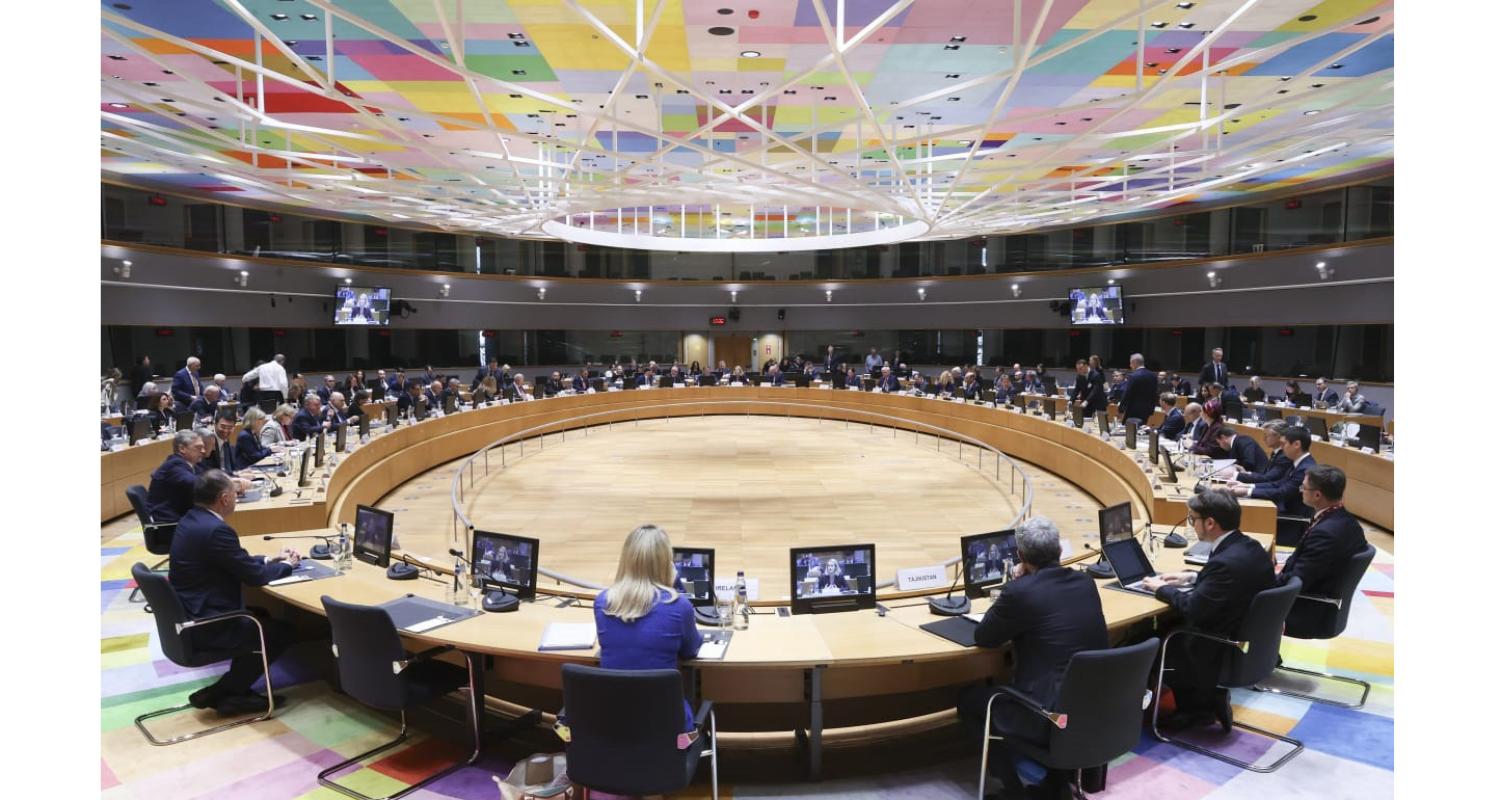
Turkmenistan considers the development of international connectivity a significant factor in strengthening regional stability and security, emphasizing the promise of forming a single connectivity space encompassing Central Asia, the South Caucasus, and the Black Sea region. This follows from the remarks by Deputy Minister of Foreign Affairs of Turkmenistan Myahri Byashimova at the Second Ministerial Meeting on Interregional Security and Connectivity in Brussels on 16 November.
The meeting, held on the sidelines of the European Union Foreign Affairs Council, brought together representatives of the European Union, Eastern Partnership countries, the Black Sea region, and Central Asia.
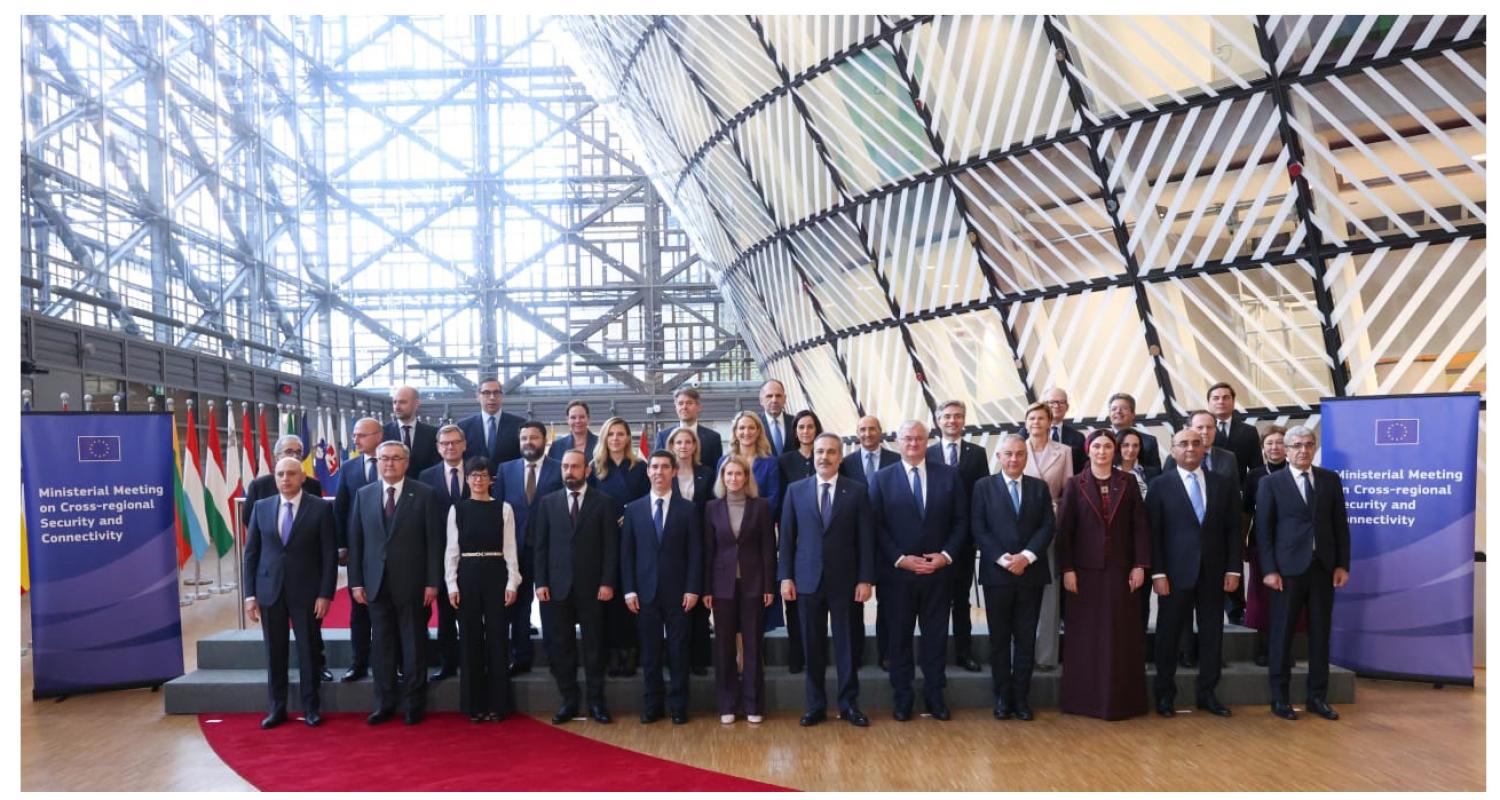
According to the Ministry of Foreign Affairs of Turkmenistan, primary attention was paid to strengthening interregional ties, developing transport, energy, and digital infrastructure, as well as ensuring regional security and resilience.
Byashimova underscored the growing role of reliable transport routes amidst contemporary geopolitical and economic challenges.
In this regard, special attention was given to the potential of Central Asia as an important link in interregional cooperation, as well as the significance of good-neighborly relations and the consistent development of cooperation among the states of the region.
The Deputy Minister spoke about the measures undertaken by Turkmenistan to modernize its national transport infrastructure, expand transit capacities, and develop international transport corridors.
In the context of cooperation with the EU, the Turkmen side positively assessed the Global Gateway initiative and the further development of the Trans-Caspian Transport Corridor Coordination Platform. The promise of forming a single transport connectivity space spanning Central Asia, the South Caucasus, and the Black Sea region was also highlighted.
Practical areas identified for further work included improving transport infrastructure, simplifying transit procedures, introducing digital transport documents, and establishing a coordination mechanism to respond to potential disruptions in the operation of international transport routes.
In conclusion, Byashimova reaffirmed Turkmenistan’s commitment to developing open, reliable, and mutually beneficial international transport links, emphasizing that the country’s policy of permanent neutrality serves as the foundation for promoting peaceful dialogue, good-neighborliness, and constructive international cooperation.
Meeting with Audronė Perkauskienė
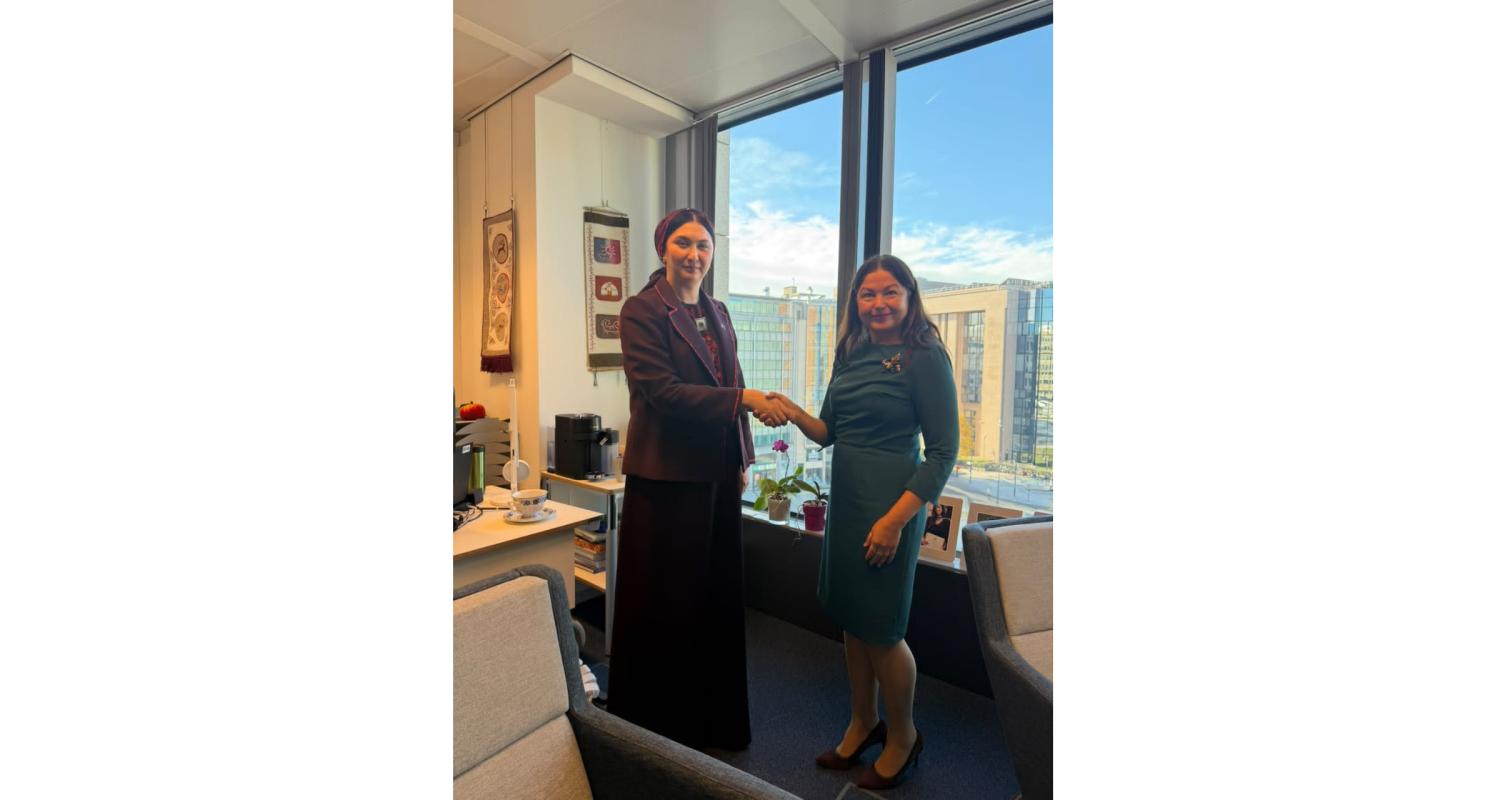
On the same day, Deputy Minister of Foreign Affairs of Turkmenistan M. Byashimova met with Audronė Perkauskienė, Acting Managing Director for Europe and Central Asia at the European External Action Service (EEAS).
During the meeting, the sides discussed the current state and prospects for further developing cooperation between Turkmenistan and the European Union, noting the importance of consistently strengthening political dialogue and further institutionalizing bilateral relations.
Particular attention was paid to the role of existing cooperation mechanisms, as well as the need to continue joint efforts to enhance their effectiveness and deliver practical results. In this context, the parties stressed the importance of maintaining regular high-level contacts and expanding interaction between relevant agencies of Turkmenistan and the EU.
Following the meeting, the sides reaffirmed their mutual interest in further strengthening the multifaceted partnership between Turkmenistan and the European Union. ///nCa, 16 November 2026