


Elvira Kadyrova, Gaziantep, Türkiye
History, architecture, and historical landmarks are certainly important when getting to know a city. However, in the case of the Turkish city of Gaziantep, an integral part of the experience belongs to its cuisine. Here, gastronomy has become an element of local identity, and dining on traditional dishes transforms into a journey of its own.
Turkmen journalists, who arrived in Gaziantep as part of a press tour for TEKNOFEST 2026, have already had the chance to appreciate the local hospitality and sample the dishes that have made this region of southeastern Turkey famous.
In Gaziantep, where culinary traditions are passed down from generation to generation, the kebab holds a special place. It is perhaps right here that one realizes why this dish is worth a dedicated gastronomic trip. And it’s not just international travelers—even the residents of Türkiye themselves come to Gaziantep specifically to enjoy its famous cuisine.
Lunch at Halil Usta: Familiar Flavors and New Discoveries
The second day of our stay in Gaziantep continued with a culinary discovery. Together with a colleague, we headed out for lunch in search of a suitable place, and along the way, we came across the restaurant Halil Usta.
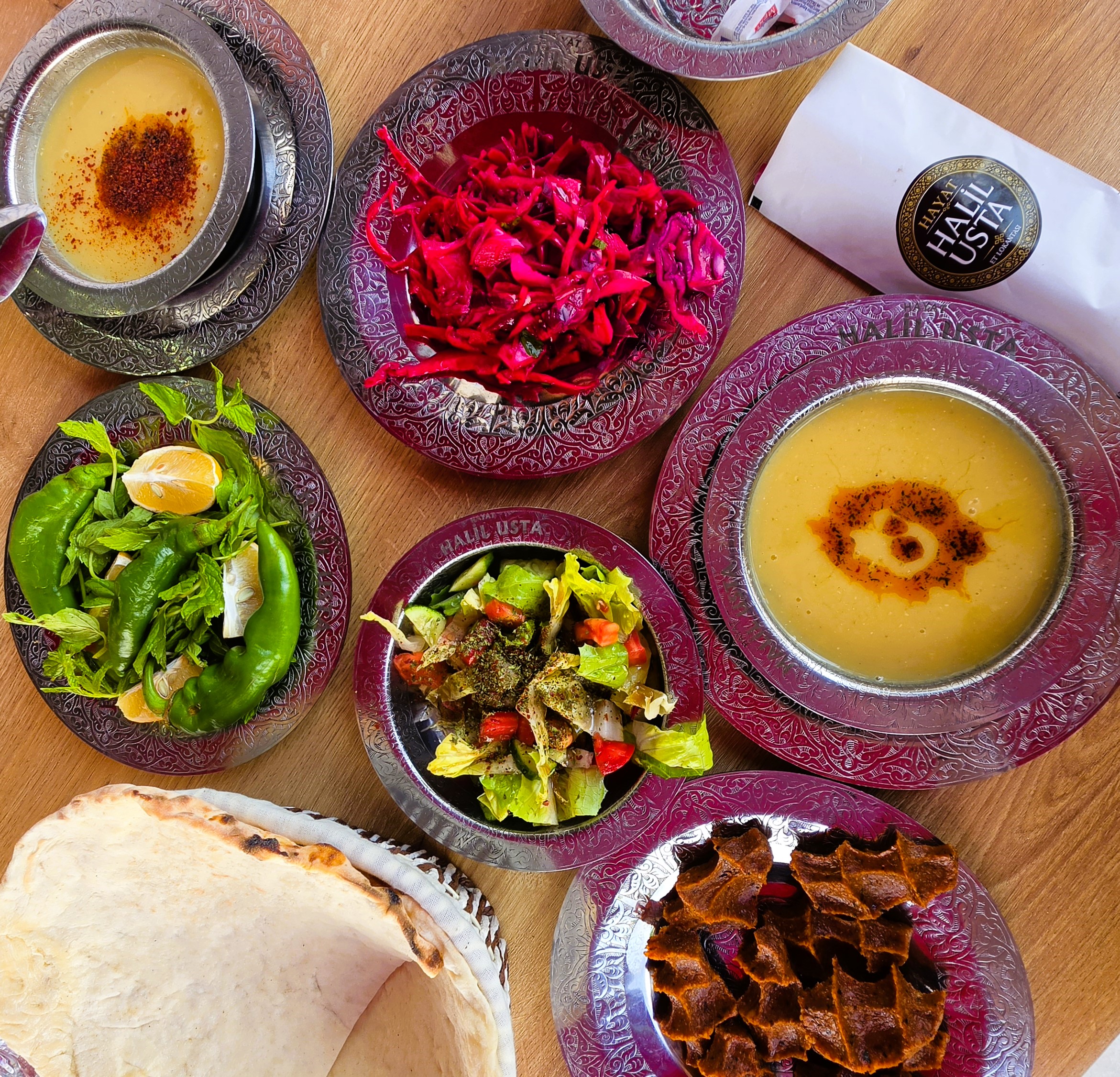
We had originally intended to order just mercimek (lentil soup)—a comfort dish as familiar in Turkmenistan as it is here. But the display window showcasing freshly prepared kebabs proved too tempting to resist. My colleague opted for Ali Nazik, a classic Turkish favorite featuring tender meat over a bed of creamy yogurt, while I went with küşleme—a prized, melt-in-your-mouth cut of lamb celebrated for its rich flavor.
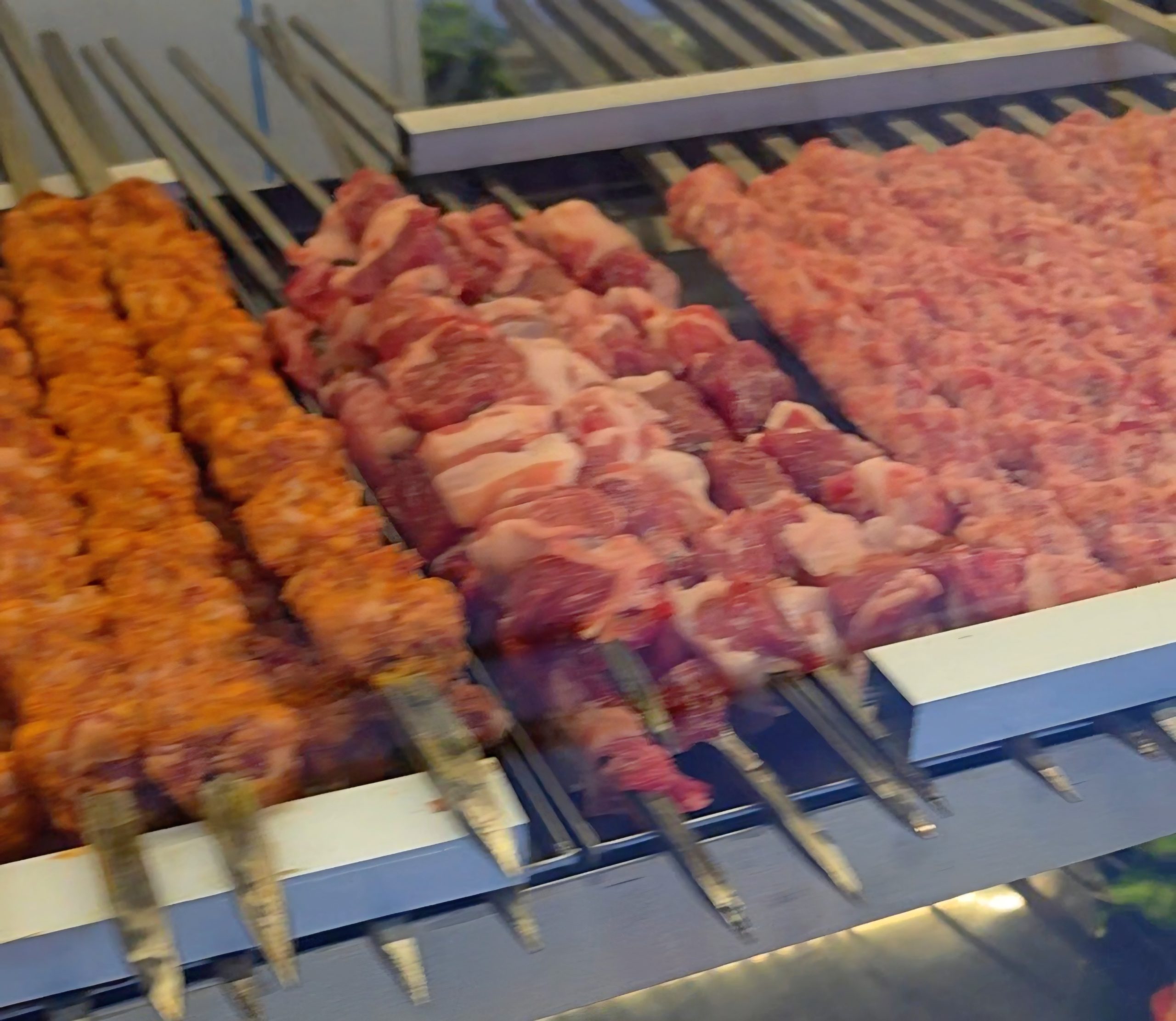
Following the soup, within just a few minutes, our table was filled with a variety of vegetable appetizers and fresh salads. The hosts’ hospitality and attentive service made the lunch exceptionally pleasant. The kebabs themselves once again confirmed Gaziantep’s reputation as one of Tükiye’s primary culinary hubs.
Evening at Küşleme Kebaphan: A True Kebab Feast
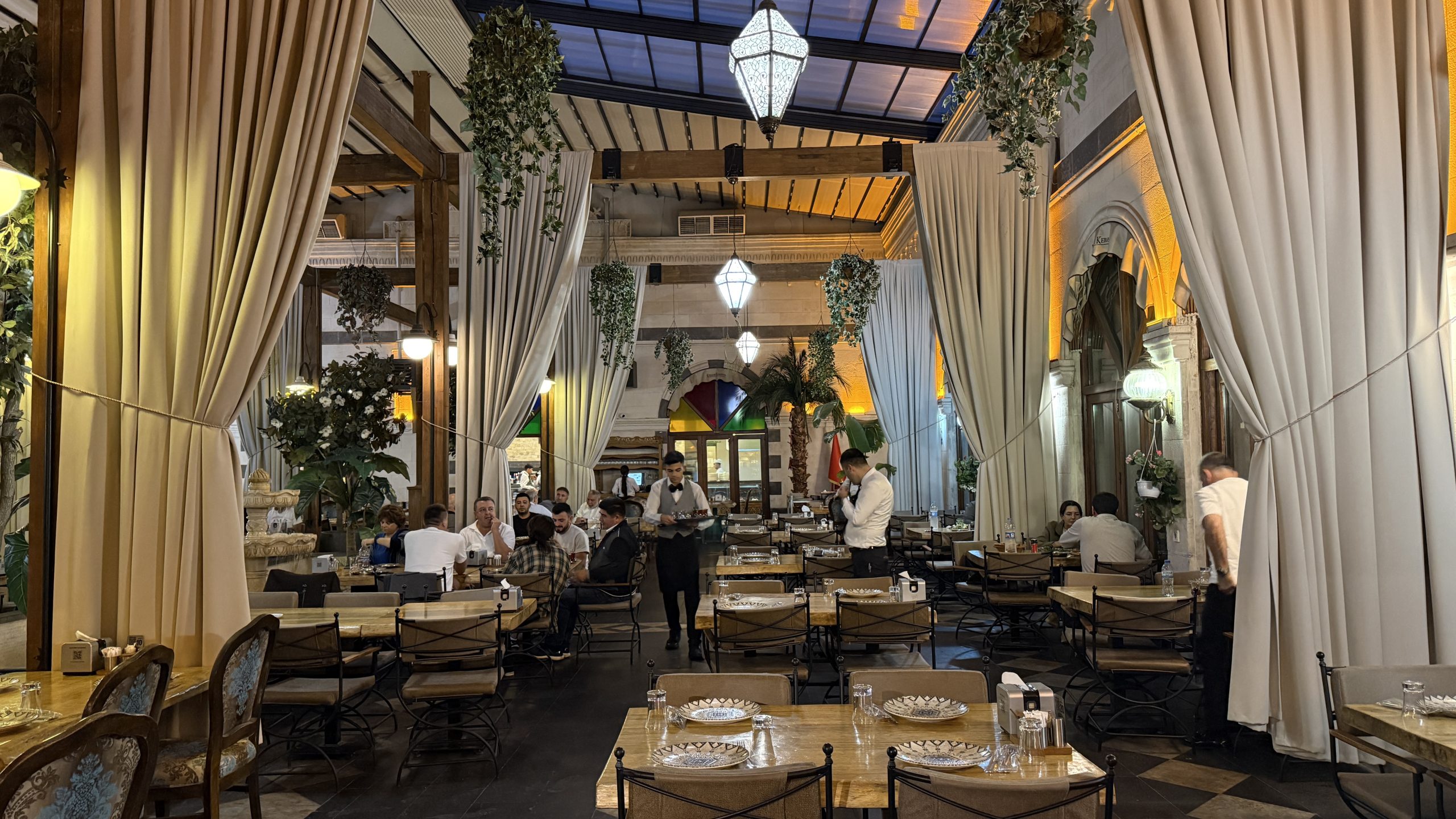
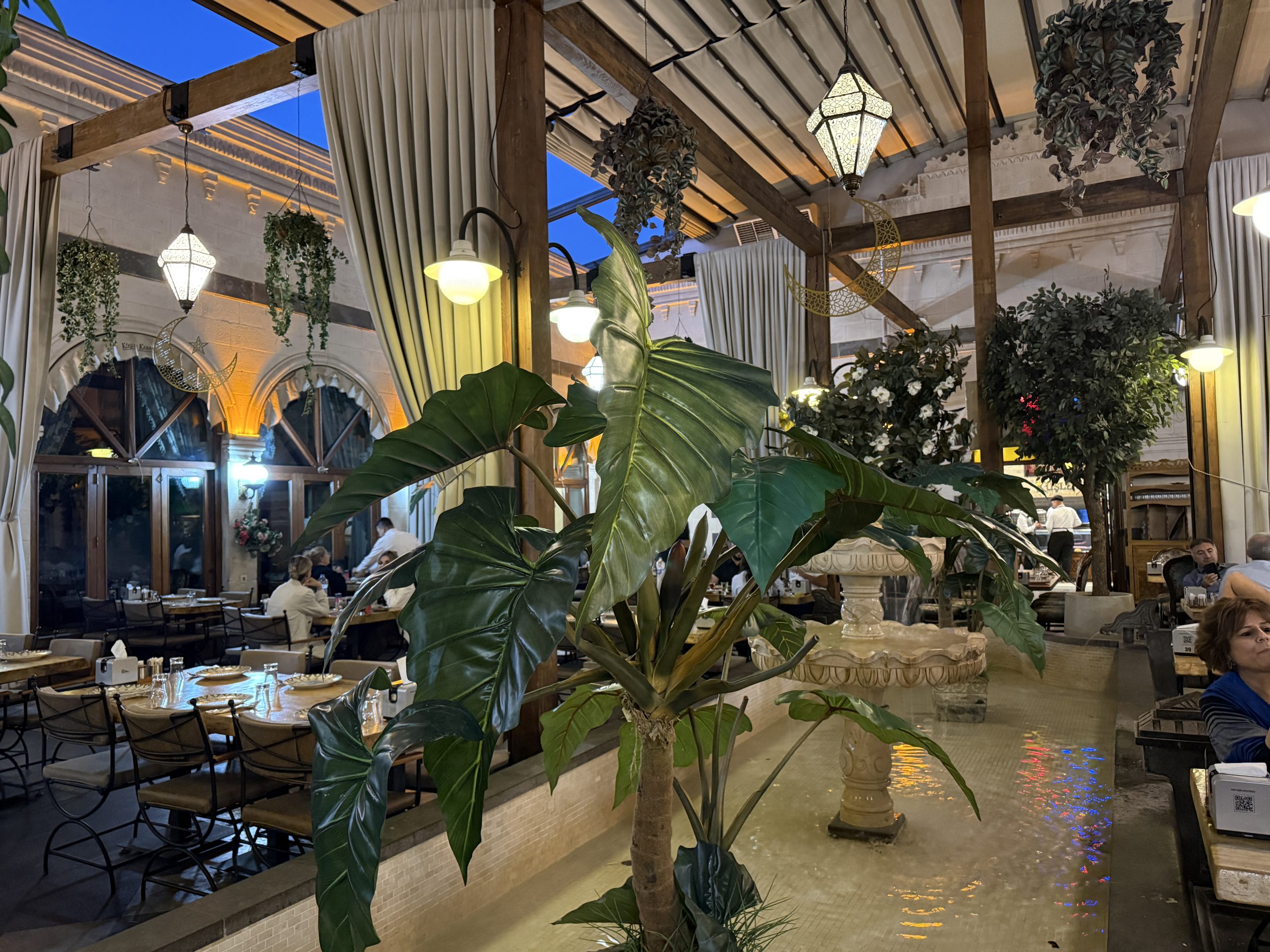
As evening set in, the press tour’s culinary journey continued at Küşleme Kebaphan, where a feast awaited our group.
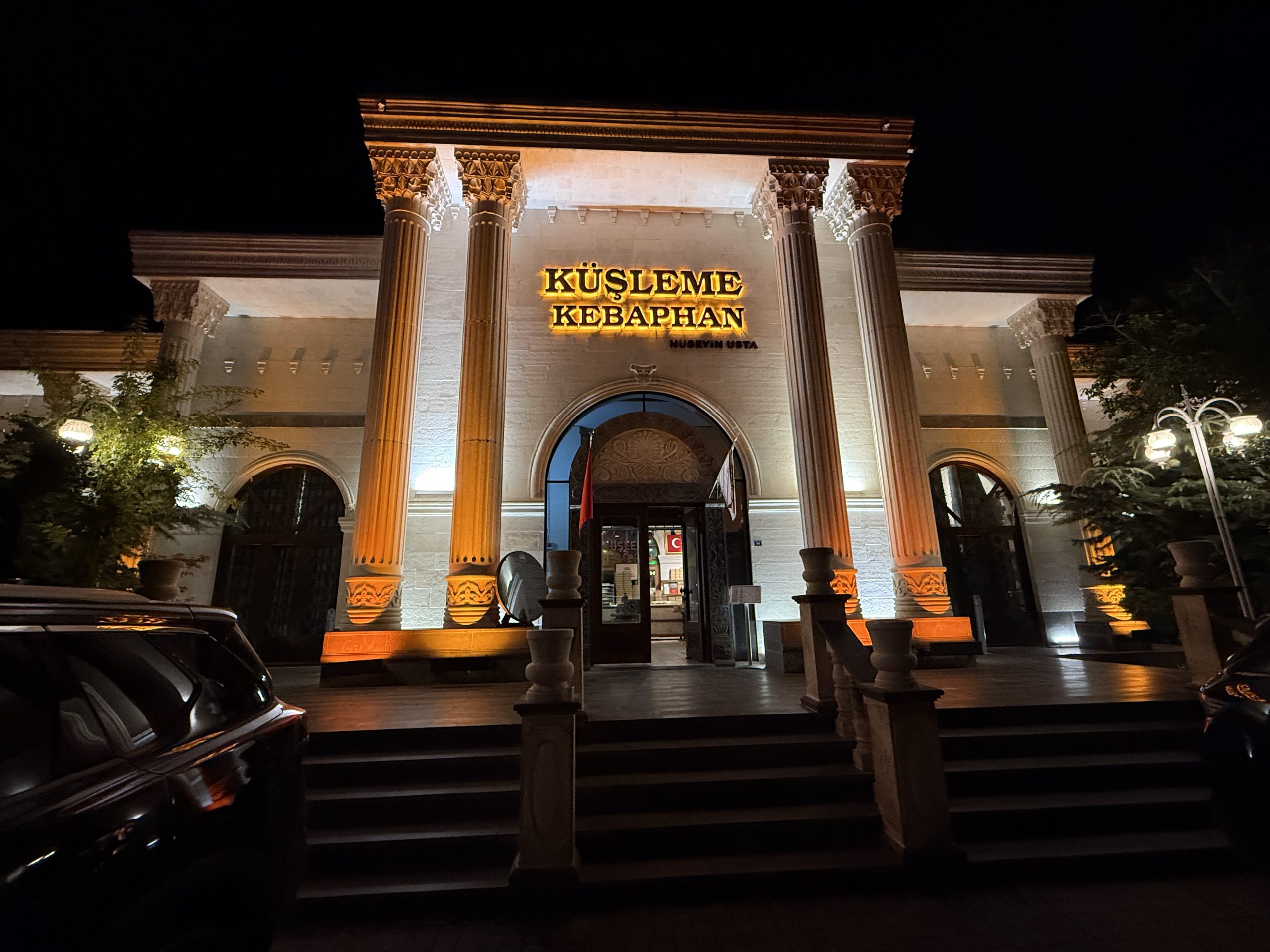
Dish by dish, the table began to fill with irresistible offerings: pirzola (succulent grilled lamb chops), beyti kebab (spiced minced meat rolled in delicate flatbread), Ali Nazik, and, naturally, küşleme.
This parade of courses highlighted the extraordinary depth of the region’s meat culture. Despite their initial visual similarities, each kebab revealed distinct nuances in butchery, seasoning, open-flame cooking technique, and presentation.
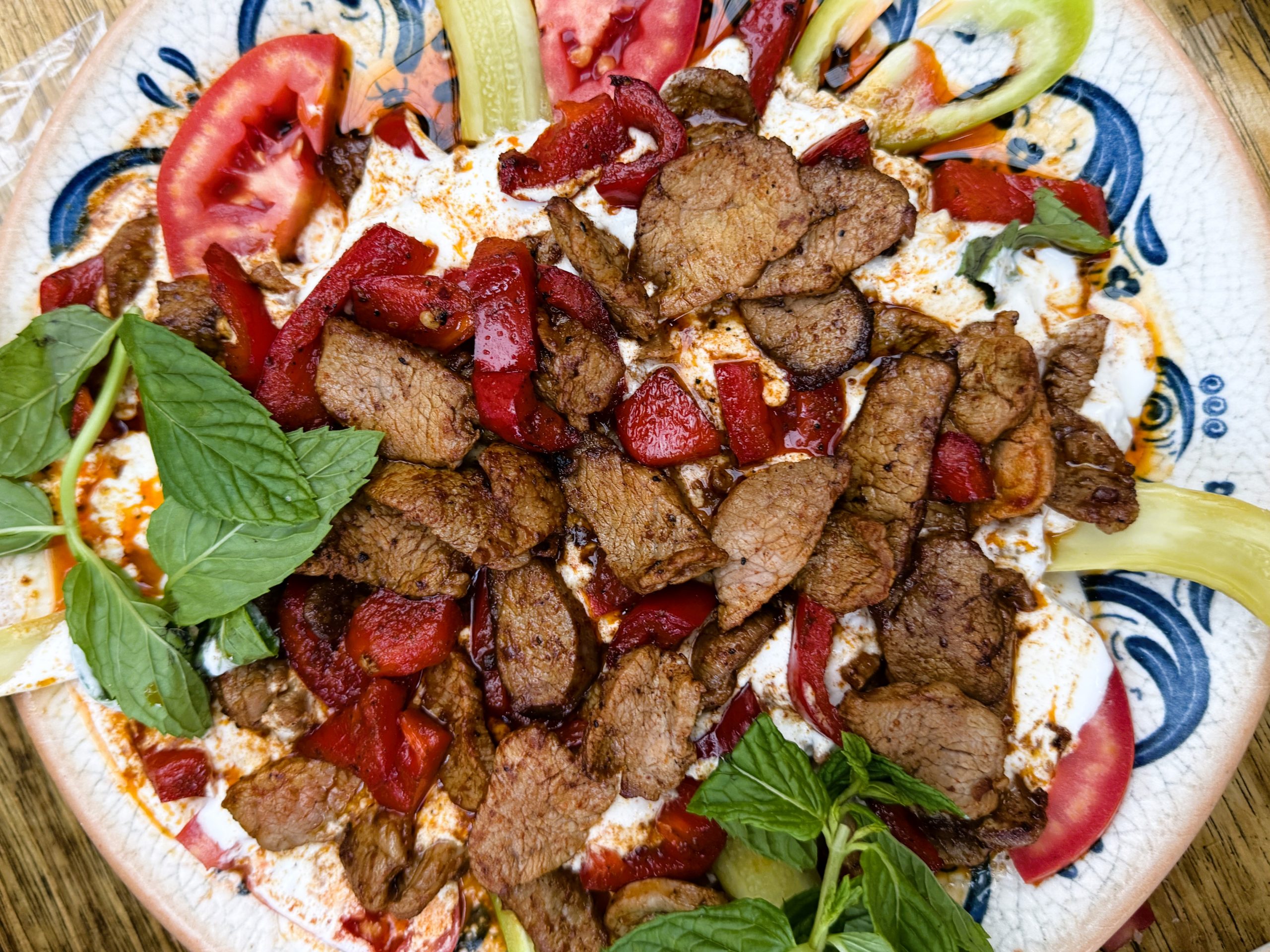
The meat here requires no complex sauces or garnishes; its character shines through raw ingredient quality, precise fire control, and master craftsmanship. It is easy to see why kebab in Gaziantep is far more than a meal—it is a living cultural tradition.
By the end, it was a classic case of our eyes being far bigger than our stomachs.
A Sweet Ending: Stretchy Maraş Ice Cream
After such a rich sequence of savory courses, dessert provided a refreshing change of pace: the famous Maraş ice cream.
Maraş ice cream is renowned for its uniquely dense, pliable texture. Unlike standard ice cream, it resists melting and offers a delightfully springy bite. Its secret lies in salep—a flour ground from wild orchid tubers that imparts the dessert’s signature elasticity and thickness.
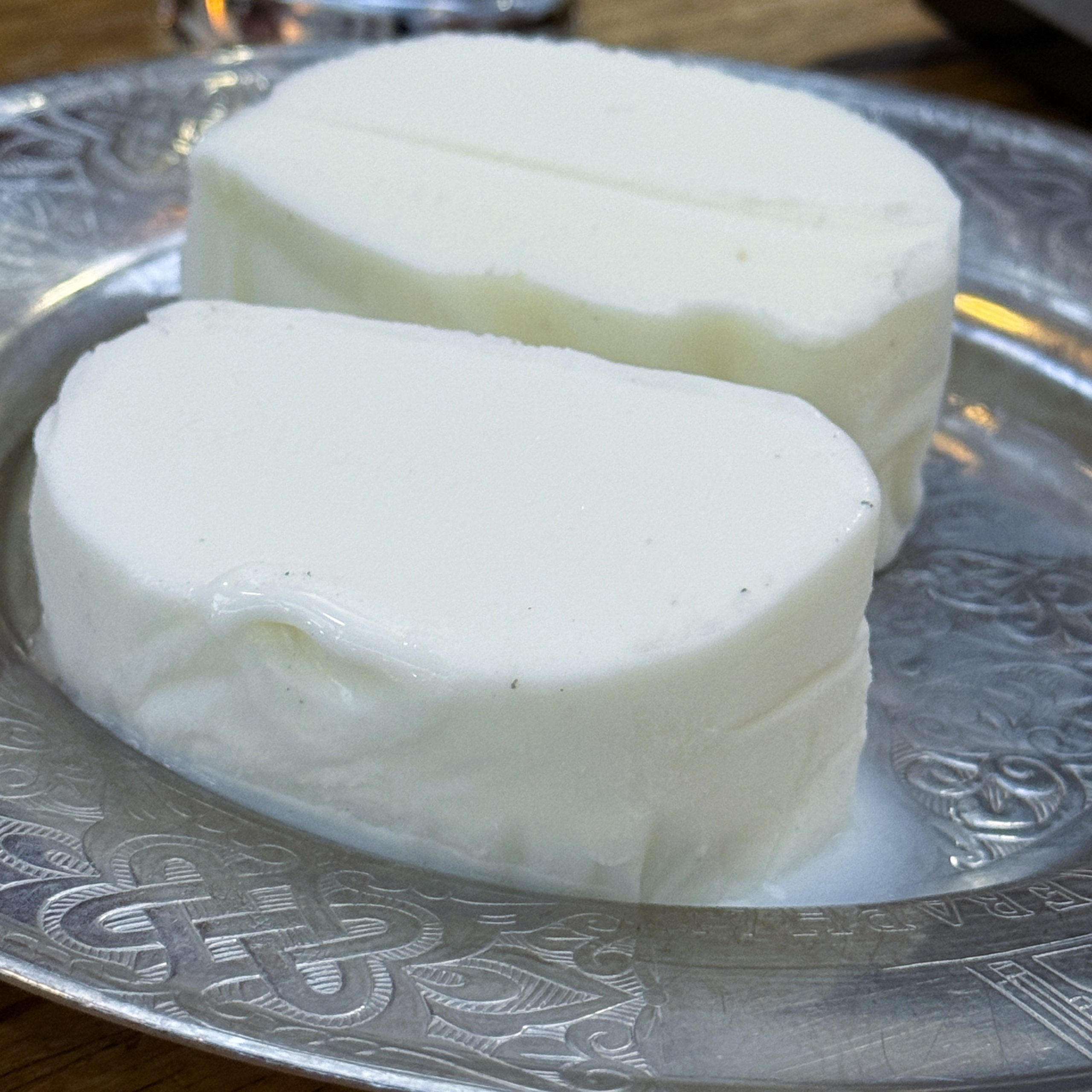
Indulgent yet delicate, it served as the perfect sweet finale to an extraordinary culinary day.
Gaziantep ultimately leaves the impression of a city where food goes far beyond basic nourishment. Here, dining is a cornerstone of culture, an act of hospitality, and a cherished daily ritual. Beyond the plate, good food brings genuine joy—quite literally, as a satisfying meal triggers the release of endorphins, the body’s feel-good hormones.
For the delegation from Turkmenistan, exploring the local table offered a deeper immersion into Turkish culture and a chance to savor new flavors. Gaziantep reminds us that every journey has a culinary dimension—one best discovered when sharing a meal together. ///nCa, 29 September 2026